The Dometic DM2652 is a cornerstone of the RV industry, providing reliable absorption cooling for thousands of travelers. However, when your unit stops cooling or displays an error code, performing your own dometic dm2652 refrigerator troubleshooting is often the fastest way to get back on the road. Because these units operate on a combination of propane and electricity, they’re more complex than residential refrigerators. Repair costs for professional diagnostics typically range from $120 to $250, while replacing a control board or heating element yourself usually costs between $80 and $280 depending on the specific part and retailer.
Key Takeaways
- Ensure your RV is perfectly level, as absorption fridges rely on gravity for coolant circulation.
- Check the 12-volt DC supply first, as the control board requires battery power even when running on AC.
- Look for the “n” or “no” error code, which indicates a failure to ignite on gas or a loss of AC power.
- Verify that your propane tank is open and the lines are bled of air before attempting a gas-mode start.
Safety: Inside a mains-powered machine, the parts behind the outer cover can hold a dangerous electrical charge even after it has been unplugged — that’s why they sit behind a cover. Opening the housing, or testing or replacing anything behind it, is a job for a qualified technician, never a home repair.
How the Absorption System Works
The DM2652 utilizes an absorption cooling cycle that lacks a mechanical compressor. Instead, it uses a heat source—either an electric heating element or a propane flame—to boil a solution of ammonia, water, and hydrogen gas. This process creates a pressurized cycle that carries heat away from the interior of the box. Because this process is delicate, the refrigerator must be level within three degrees side-to-side and six degrees front-to-back to prevent permanent damage to the cooling unit.
Warning: Never attempt to bypass safety sensors or modify the cooling unit tubing, as the ammonia inside is pressurized and can cause severe chemical burns if released.
Troubleshooting Dometic DM2652 Refrigerator Cooling Issues
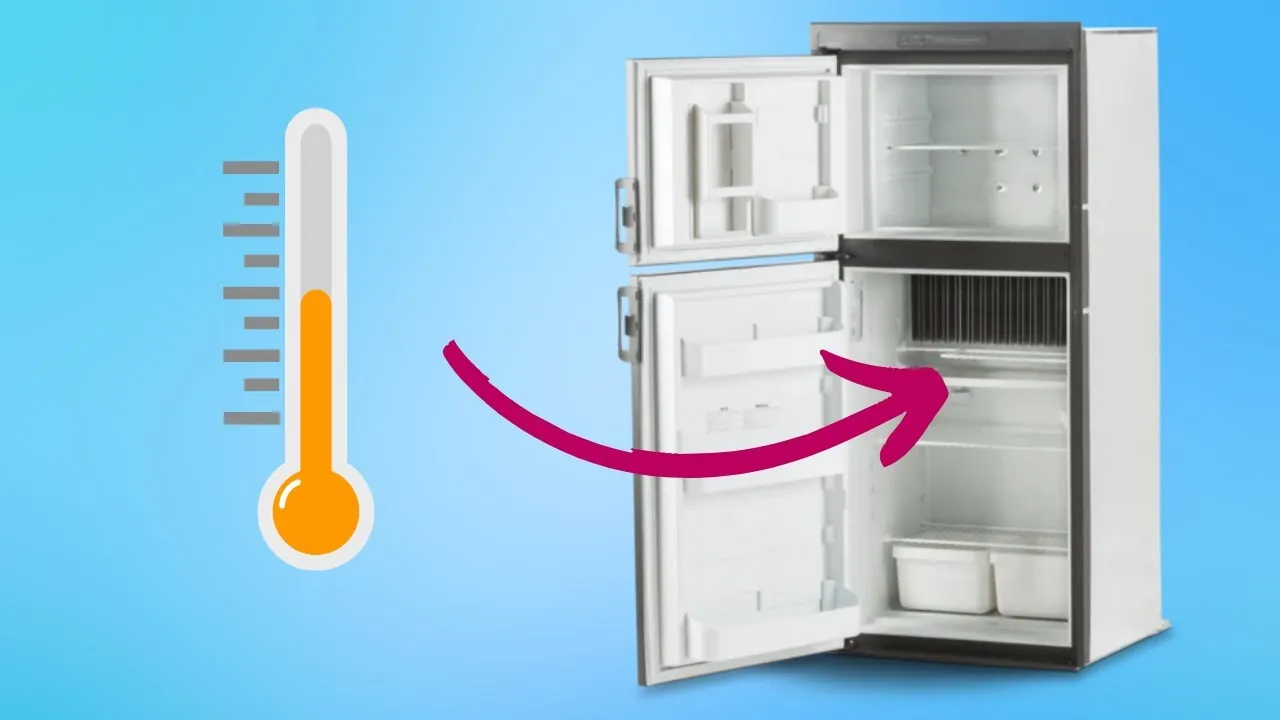
When the fridge is running but failing to reach cold temperatures, the problem usually stems from airflow or heat source efficiency. Absorption refrigerators are highly sensitive to ambient temperatures. If the exterior vents are blocked by debris or bird nests, the heat can’t escape, and the unit will lose its cooling capacity.
Common Cooling Failure Causes
| Component | Symptom | Diagnostic Step |
|---|---|---|
| Thermistor | Fridge won’t get cold | Unplug thermistor; fridge should run on max |
| Door Gasket | Frost buildup inside | Perform the dollar bill test |
| Heating Element | No heat on AC mode | Check for 120V at the element |
| Propane Burner | No flame on gas mode | Clean the orifice and burner tube |
Is Your Control Board Failing?
The control board is the brain of the DM2652. It monitors the sensors, controls the gas valve, and manages the switching between power sources. If you see no lights on the control panel, you should first check the 12-volt fuse in your RV power distribution center. If the fuse is intact, check the connections at the back of the refrigerator. A loose ground wire is a frequent culprit for intermittent power loss.
Pro Tip: If your display panel is flashing or blank, try a hard reset by disconnecting the 12-volt power leads for sixty seconds before reconnecting them to clear the logic board memory.
Solving the “No” Error Code
The “no” display is the most common error code for this model. It indicates that the refrigerator has failed to light the propane burner after three attempts. This usually happens when there’s air in the propane lines or the burner orifice is clogged. If you have recently filled your propane tanks, light your stove first to purge the air from the lines before attempting to start the refrigerator again.
Troubleshooting Gas Mode
- Verify the propane tank valve is fully open.
- Ensure you have at least 12 volts of DC power for the igniter.
- Inspect the burner tube for spider webs or rust flakes.
- Check the electrode gap; it should be approximately 1/8 inch from the burner.
- Listen for the clicking sound of the igniter during the start-up sequence.
Electrical Troubleshooting and Safety
Essential Maintenance for Longevity
Regular maintenance prevents common failures. Once a year, you should remove the outside vent cover and clean the burner area. Use a soft brush to remove dust from the cooling fins and ensure the flue baffle is clean. Keeping the area free of obstructions ensures the heat generated by the boiler can dissipate effectively into the outside air.
Dealing with Interior Frost
If you notice heavy frost buildup on the cooling fins inside the fridge, the door is likely not sealing properly. Inspect the rubber gaskets for cracks, gaps, or hardened sections. You can test the seal by closing the door on a dollar bill; if you can pull the bill out with very little resistance, the gasket isn’t sealing tightly enough to keep out warm, humid air.
Maintenance Schedule Table
| Task | Frequency | Expected Benefit |
|---|---|---|
| Clean burner tube | Annually | Prevents “no” error codes |
| Inspect door seals | Quarterly | Reduces ice and condensation |
| Check level status | Every stop | Extends life of cooling unit |
| Clean exterior vents | Bi-annually | Improves overall cooling efficiency |
Troubleshooting Door and Latch Issues
The latch mechanism on the DM2652 is designed to keep the doors secure during travel. Over time, the plastic components can wear out or become misaligned. If the door feels loose, check the mounting screws on the hinges. If the door is sagging, you may need to add a spacer to the bottom hinge or adjust the strike plate on the cabinet frame to ensure a tight fit.
Frequently Asked Questions
Why does my fridge smell like ammonia?
A smell of ammonia inside or outside the unit is a critical warning sign. It indicates a leak in the sealed cooling unit, which contains ammonia, water, and hydrogen. If you smell ammonia or see yellow residue on the cooling coils, turn the unit off immediately. The cooling unit isn’t field-repairable and must be replaced by a professional or the entire refrigerator must be swapped.
How do I reset the refrigerator?
To reset the DM2652, locate the 12-volt DC power supply at the rear of the unit. Disconnect the positive wire from the terminal block for at least one full minute. This power interruption forces the control board to reboot and clear any stored fault codes. After reconnecting the power, observe the control panel to see if the error persists or if the unit begins a new start cycle.
Why won’t it switch to AC power?
The refrigerator automatically defaults to AC power if it detects 120 volts at the outlet. If it stays on gas, check the GFCI outlet in your RV, as it may have tripped. Also, inspect the power cord plugged into the back of the fridge. Ensure the plug is fully seated in the outlet and that the outlet is receiving power from your shore cable or inverter.
How cold should the freezer get?
In a properly functioning DM2652, the freezer should maintain temperatures between -5 and 10 degrees Fahrenheit. The fresh food compartment should stay between 34 and 40 degrees Fahrenheit. If your freezer is cold but the fresh food section is warm, ensure the thermistor is correctly clipped to the fin and that the internal air baffle isn’t blocked by overpacking the shelves with food items.
Can I run the fridge while driving?
Yes, you can operate the refrigerator on propane while driving, provided your local laws and RV manufacturer guidelines allow it. However, many travelers prefer to pre-cool the unit on AC power before departure and keep the door closed during travel. If you choose to run on propane, ensure all safety precautions are followed and that the burner is shielded from high-speed wind gusts at the vent.
Conclusion
To ensure your system remains in top condition, perform a thorough inspection of the exterior burner assembly and the internal thermistor placement. If you continue to experience temperature fluctuations after checking these components, consider testing the 12-volt supply voltage under load to rule out a weak battery or poor ground connection that might be causing the control board to reset during operation.