Is your Dometic RV thermostat acting up and leaving you uncomfortable on the road? You rely on your RV’s thermostat to keep your space just right, but when it malfunctions, it can turn your adventure into a hassle.
Don’t worry—this guide will help you quickly spot the problem and fix it yourself. By the end, you’ll know exactly how to troubleshoot your Dometic RV thermostat and get back to enjoying your trips without the stress. Keep reading to discover simple solutions that save you time and money!
Common Thermostat Issues
Dometic RV thermostats can show common problems that affect comfort. Knowing these issues helps fix them fast. This saves time and keeps your RV cozy. Here are common thermostat troubles and how to spot them.
Unresponsive Display
The display not showing anything is a usual problem. This may happen from power loss or wiring faults. Sometimes the screen freezes and won’t change. Check battery power and reset the thermostat. Loose wires can also cause no display.
Inaccurate Temperature Readings
The thermostat may show wrong temperature numbers. This causes your RV to be too hot or too cold. Dirt or dust on the sensor can affect accuracy. Placing the thermostat near heat or cold sources can trick it. Clean the sensor and move the thermostat if needed.
Thermostat Not Turning On
The unit might not start at all. This can be due to blown fuses or tripped breakers. Wiring problems also stop the thermostat from powering on. Test your RV’s electrical system and check the fuse box. Replace any broken parts for proper function.

Basic Troubleshooting Steps
Troubleshooting a Dometic RV thermostat starts with some simple steps. These steps can help find common problems fast. Follow these basic checks before calling a technician. They save time and effort.
Checking Power Supply
First, ensure your RV has power. Check the main power switch or circuit breaker. Look for blown fuses or tripped breakers. The thermostat needs power to work correctly. Without power, it will not respond or show a display.
Resetting The Thermostat
Resetting the thermostat can clear minor glitches. Locate the reset button or remove the thermostat batteries. Wait a few minutes, then reinstall the batteries or press the reset button. This simple step often fixes unresponsive or erratic behavior.
Inspecting Wiring Connections
Loose or damaged wires can cause thermostat problems. Turn off the power before checking wires. Look for disconnected, frayed, or corroded wires behind the thermostat. Secure any loose connections. Replace damaged wires if needed to restore proper function.
Calibrating The Thermostat
Calibrating the thermostat in your Dometic RV is key to keeping your space comfortable. Proper calibration helps the thermostat read the right temperature. This prevents your RV from feeling too hot or too cold. Small changes can make a big difference in comfort and energy use.
Adjusting Temperature Settings
Start by checking the current temperature setting on the thermostat. Use the manual or screen controls to change the setting slightly. Wait a few minutes and see if the room temperature matches the new setting. Repeat this until the temperature feels right. Avoid large jumps in temperature adjustments.
Ensuring Proper Sensor Placement
The thermostat sensor must be in the right spot. It should not be near heat sources or direct sunlight. Air vents or drafts can also give false readings. Place the sensor in a central area, away from windows and appliances. Proper placement helps the thermostat measure the true room temperature.
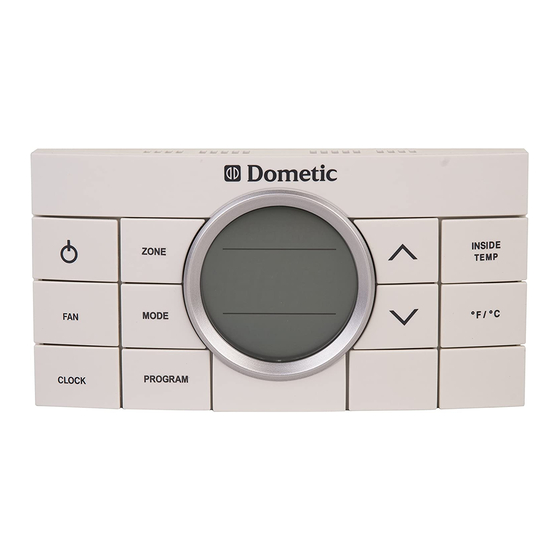
Fixing Common Wiring Problems
Fixing common wiring problems in a Dometic RV thermostat often restores proper function quickly. Wiring issues cause many thermostat failures and errors. Understanding how to spot and repair wiring faults saves time and money.
Most wiring problems show signs like inconsistent temperature control or no response from the thermostat. These problems usually come from loose connections or damaged wires. Addressing these two issues often solves the problem.
Identifying Loose Connections
Loose connections happen when wires do not fit tightly in their terminals. This creates poor electrical contact and can cause the thermostat to stop working.
Check each wire by gently tugging it. If a wire moves easily, it needs tightening. Use a screwdriver to secure loose screws on the thermostat terminals.
Look for corrosion or dirt around connections. Clean these areas with a dry cloth before tightening. This helps improve the electrical flow and prevents future issues.
Replacing Damaged Wires
Damaged wires can cause shorts or open circuits. Signs include frayed insulation, cuts, or exposed copper wire.
Turn off power to the RV’s electrical system before handling wires. Cut out any damaged sections using wire cutters.
Strip the insulation off new wire ends and attach them securely to the terminals. Use wire connectors or electrical tape to cover exposed areas.
Replacing damaged wires ensures a stable and safe electrical connection for the thermostat.
Dealing With Hvac System Issues
Dealing with HVAC system issues in your RV can be frustrating. The heating and cooling controls might not work as expected. Small problems may cause big discomfort on the road. Finding the issue early helps keep your system running smoothly.
Start by checking the basic functions of your thermostat. Knowing how to test each part saves time and money. Focus on the air conditioner and heater to cover the main comfort needs inside your RV.
Testing The Air Conditioner
Turn on the thermostat and set it to cool mode. Listen for the air conditioner compressor to start. Feel the air coming from the vents. It should be cold and steady.
If the air feels warm or weak, check the power supply first. Make sure all fuses and breakers are intact. Clean the air filters to improve airflow. Dirty filters can block cool air and strain the system.
Test the thermostat sensor by adjusting the temperature. The air conditioner should respond quickly. Slow or no response might mean a faulty thermostat or wiring issue.
Checking The Heater Functionality
Switch the thermostat to heat mode. Check if the heater turns on and warms the air. A steady warm airflow means the heater works well.
Listen for unusual noises from the heater unit. Strange sounds could signal mechanical problems. Inspect wiring connections for loose or damaged parts. Bad connections stop the heater from working properly.
Check the thermostat settings carefully. Set the temperature higher than the room temperature. The heater should activate without delay. If it doesn’t, the thermostat or heating element may need repair.
When To Replace Your Thermostat
Knowing when to replace your Dometic RV thermostat saves time and avoids discomfort. A thermostat controls your RV’s temperature. Faulty ones cause uneven cooling or heating. Timely replacement keeps your RV cozy and efficient.
Signs Of A Faulty Thermostat
Watch for these signs. The thermostat does not respond to temperature changes. The RV’s air conditioner or heater runs constantly or not at all. Temperature readings on the thermostat show errors or jump around. The device feels hot or cold but does not affect the RV’s climate. These issues mean the thermostat may need replacing.
Choosing A Compatible Replacement
Pick a thermostat that fits your Dometic RV model. Check the model number and specifications. Use a device made for your heating and cooling system type. A compatible thermostat ensures proper function and easy installation. Avoid generic or wrong models to prevent future problems.

Frequently Asked Questions
How Do I Reset My Dometic Rv Thermostat?
To reset, turn off the thermostat and unplug your RV’s power. Wait 5 minutes, then plug it back in and turn the thermostat on. This often clears minor glitches.
Why Is My Dometic Thermostat Not Cooling Properly?
Poor cooling may be due to dirty filters or blocked vents. Check and clean them, then ensure the thermostat settings are correct for cooling mode.
How Can I Fix A Dometic Thermostat That Won’t Turn On?
Check the RV’s power supply and battery first. If power is fine, inspect the thermostat wiring for loose or damaged connections.
What Causes The Dometic Thermostat Display To Be Blank?
A blank display usually means no power or a blown fuse. Verify power to the thermostat and replace any blown fuses in your RV’s electrical panel.
How Do I Recalibrate My Dometic Rv Thermostat?
Use the thermostat’s menu to access calibration settings. Follow the instructions to adjust the temperature reading for more accurate control.
Conclusion
Troubleshooting your Dometic RV thermostat can save time and money. Start with basic checks like power supply and wiring. Clean or replace dirty sensors for better accuracy. Adjust settings carefully to match your comfort needs. Regular maintenance keeps the system working well.
Small steps can fix common thermostat problems quickly. Stay patient and follow these tips for a cozy RV trip. Simple care helps avoid bigger issues later. Keep your RV cool or warm without stress. Enjoy your travels with a well-running thermostat.