If your vehicle’s power locks are acting erratically, failing to respond to your key fob, or making strange grinding noises, you’re likely dealing with a faulty component in the door assembly. Performing door lock actuator troubleshooting allows you to determine if the issue is a simple electrical connection error or a complete mechanical failure requiring a replacement. The cost to repair this issue typically ranges from $150 to $600, depending on whether you complete the labor yourself or hire a professional mechanic.
Key Takeaways
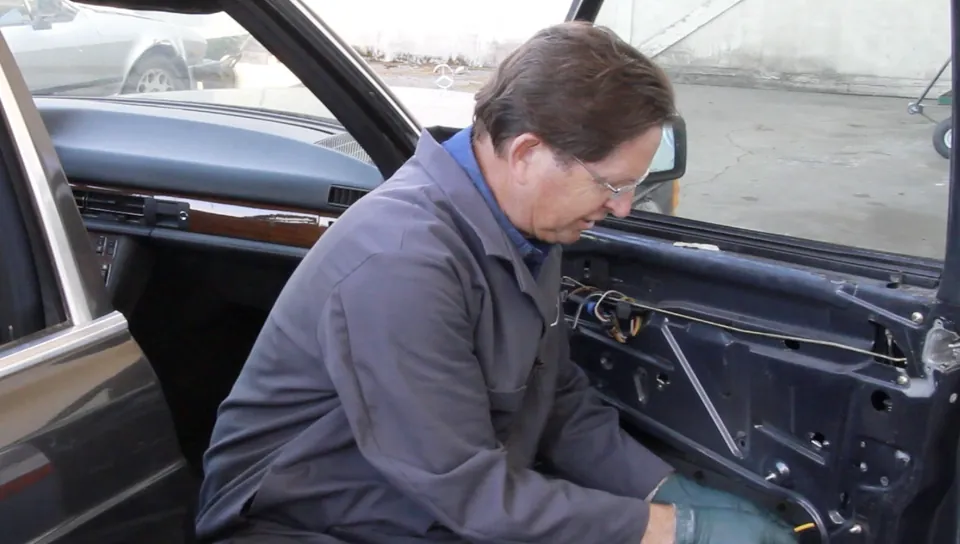
- Listen for a buzzing or grinding sound when pressing the lock button to confirm the motor is receiving power but failing mechanically.
- Check your vehicle’s fuse box for blown fuses before disassembling the door panel, as this is the most common point of failure.
- Lubricate the internal locking linkage with white lithium grease to rule out simple binding or debris build-up before replacing parts.
- Always disconnect the negative battery terminal before handling electrical components inside the door cavity to prevent short circuits.
Safety: Inside a mains-powered machine, the parts behind the outer cover can hold a dangerous electrical charge even after it has been unplugged — that’s why they sit behind a cover. Opening the housing, or testing or replacing anything behind it, is a job for a qualified technician, never a home repair.
How Do Power Locks Work?
A power lock system consists of a switch, a control module, and a motorized actuator. The actuator motor converts electrical energy into mechanical force, pushing or pulling the locking rod to engage or disengage the latch. When you press your remote, the Body Control Module sends a signal to the actuator, which triggers a small internal gear system. Over time, the plastic gears inside the housing become brittle or the motor brushes wear down, preventing the lock from moving fully.
Troubleshooting Signs of Door Lock Actuator Failure
Recognizing the symptoms early can prevent your door from becoming permanently stuck in a locked or unlocked position. If you notice these issues, start your diagnostic process immediately:
- Weak lock movement: The lock knob moves sluggishly or barely clears the door sill.
- Intermittent function: The lock responds to the fob only occasionally or skips cycles.
- Grinding noises: A distinct whirring or clicking sound comes from inside the door panel when the lock is activated.
- Single-door failure: Only one door fails while the others function correctly, indicating a localized actuator issue.
| Symptom | Potential Cause | Action Required |
|---|---|---|
| No sound at all | Blown fuse or broken wire | Test circuit with multimeter |
| Grinding sound | Stripped plastic internal gears | Replace actuator assembly |
| Sluggish movement | Dry or dirty linkage | Clean and lubricate rods |
| Door won’t unlock | Seized motor or solenoid | Replace actuator unit |
Is My Fuse Blown?
Before you spend time removing interior panels, investigate the electrical supply. Every vehicle has a fuse box, typically located under the dashboard or in the engine compartment. Locate your owner’s manual to identify the specific fuse dedicated to the power lock system. A blown fuse will have a broken metal filament inside the clear plastic casing. If the fuse is intact but the door still fails, the problem exists within the door wiring or the actuator itself.
How to Test the Actuator
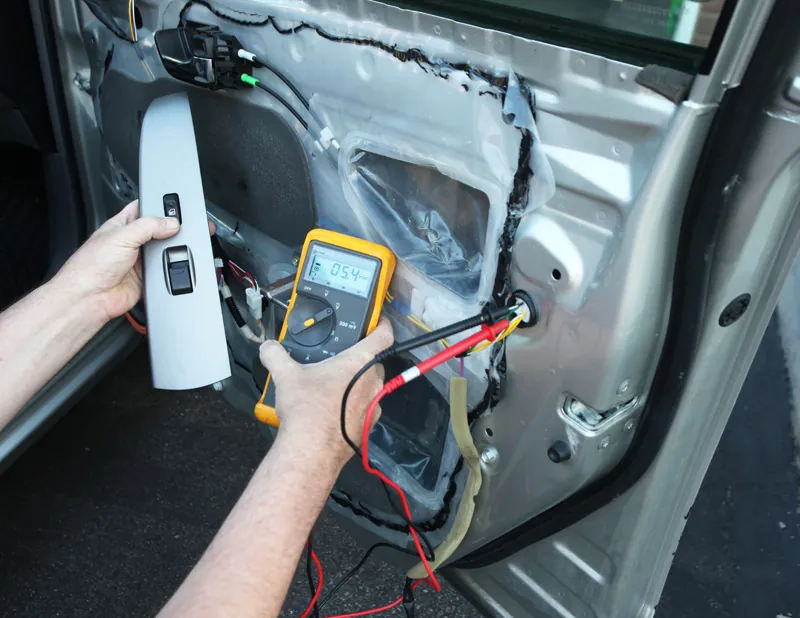
Tools You Will Need
Having the right equipment makes the process significantly faster and safer. Don’t attempt to pry panels with a screwdriver, as this often cracks the plastic.
- Trim removal set: Essential for popping door panel clips without damage.
- Socket wrench set: Required for removing the bolts securing the latch and actuator assembly.
- White lithium grease: Used to lubricate the metal rods and plastic guides during reassembly.
- Replacement actuator: Ensure you purchase the exact model match for your specific vehicle trim.
Why Do Actuators Fail?
Most modern actuators utilize plastic internal gears that eventually wear down due to friction. The motor brushes inside the tiny electric motor also accumulate carbon dust, which eventually prevents electrical contact.
Exposure to extreme heat or freezing cold can also cause the plastic housing to warp or the internal lubricants to solidify, putting extra strain on the motor. According to the National Highway Traffic Safety Administration, ensuring your door latch systems function properly is critical for passenger safety during emergency egress.
Step-by-Step Replacement Process
If your troubleshooting confirms the part is dead, follow these steps to perform the replacement:
- Disconnect the battery: Remove the negative terminal to ensure no accidental shorts occur.
- Remove door panel: Carefully release the clips and unplug window switches or handle cables.
- Access the latch: Peel back the moisture barrier plastic to reach the actuator, which is usually bolted to the door latch assembly.
- Disconnect linkages: Use needle-nose pliers to release the metal rods connecting the handle and lock knob to the actuator.
- Unbolt and swap: Remove the mounting screws, pull the old unit out, and install the new actuator in the exact orientation.
- Test before sealing: Reconnect the battery and test the door lock function before snapping the door panel back into place.
Pro Tips for Success
Pro Tip: Take photos of every step during disassembly, especially the routing of the metal rods and wire harnesses, to ensure you can reinstall them correctly. Warning: Be extremely careful when handling the window regulator cables inside the door; they’re under tension and can snap back if mishandled, causing injury or damage to the glass.
Dealing With Stuck Doors
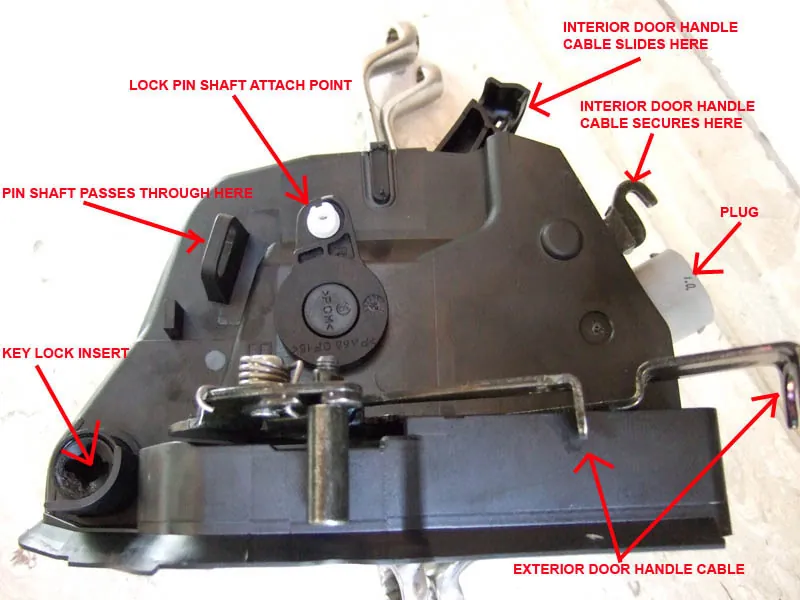
If your door is stuck in the locked position and the actuator won’t fire, you may need to manually manipulate the linkage. Remove the interior door panel while the door is still shut—which can be difficult—to reach the internal rods. If you can’t reach them, try using a long, thin rod or a specialized locksmith tool to push the lock lever manually. Once the door is open, you can proceed with the standard replacement procedure.
Frequently Asked Questions
Can I fix an actuator without replacing it?
Often, you can’t repair the internal gears or motor brushes, as these units are sealed at the factory. While you can sometimes clean and lubricate the external linkage, a motor failure usually requires a full replacement. Attempting to open the sealed housing usually results in permanent damage to the plastic clips, making it impossible to reassemble the unit safely.
Is it safe to drive with a broken actuator?
It’s generally safe to drive, but it creates a security risk and a potential safety hazard. If you’re involved in an accident, emergency responders may have difficulty accessing the cabin if the doors are locked and the power system is dead. You should prioritize fixing any door that fails to unlock manually, as this poses the most significant danger to occupants.
Are aftermarket actuators reliable?
Aftermarket actuators from reputable brands like Dorman or Bosch are often just as reliable as original equipment manufacturer parts. However, avoid extremely cheap, unbranded components found on discount websites, as these often lack proper seals and may fail within a few months. Always check the warranty offered on the part before making your purchase to ensure you’re protected against premature failure.
Do I need to program the actuator?
In most standard vehicles, the door lock actuator is a “dumb” electrical component that doesn’t require computer programming. It simply receives a voltage signal and moves accordingly. However, on some high-end luxury vehicles with advanced security systems, you may need to reset the Body Control Module or perform a “relearn” procedure after installing a new part to ensure the alarm system recognizes the change.
How long does the replacement take?
A typical actuator replacement takes between one and three hours, depending on your experience level and the complexity of your vehicle’s door panel design. Some vehicles have very tight spaces that require removing the window glass or the entire interior door frame to reach the screws. If you’re a beginner, allocate an entire afternoon to ensure you don’t rush the delicate wiring connections.
Conclusion
Follow these procedures carefully to restore your vehicle’s security. If you find that the electrical signal is present but the mechanical movement remains jammed, focus your efforts on cleaning the linkage rods and ensuring the latch mechanism is free of debris. If the issue persists despite your best efforts, consult your vehicle’s service manual or a professional technician to prevent further damage to the door assembly.