
When your heavy equipment fails to perform as expected, knowing how to approach doosan excavator troubleshooting can save you thousands in unnecessary service calls. Whether you’re dealing with a loss of hydraulic pressure, engine overheating, or electrical gremlins, the systematic diagnosis of these machines relies on understanding the relationship between the engine, the hydraulic pump, and the electronic controller. By narrowing down the symptoms to specific subsystems, you can often resolve minor issues in the field before they escalate into catastrophic mechanical failures.
Key Takeaways
- Always check hydraulic fluid levels and filter integrity before diagnosing component failures.
- Document all error codes displayed on the monitor panel to isolate electronic sensor faults.
- Prioritize daily greasing and air filter cleaning to prevent premature wear in high-dust environments.
- Verify battery voltage and ground connections if the machine experiences intermittent power loss.
- Consult the operator manual for specific pressure relief settings before adjusting hydraulic valves.
Understanding Engine Performance Issues
Engine problems are often the first sign of a deeper operational struggle. If your excavator is losing power under load or failing to reach peak RPM, the issue usually stems from fuel delivery or air intake restrictions. Modern Doosan engines utilize complex electronic fuel injection systems that require clean fuel and consistent pressure.
Fuel System Diagnostics
The most common culprit for engine stalling is a clogged fuel filter or contaminated diesel. If the fuel water separator is full, the system may trigger a derate mode to protect the high-pressure injectors. Always inspect the primary and secondary fuel filters every 500 hours or sooner if you operate in environments with poor fuel quality.
Air Intake Restrictions
Restricted airflow will cause the engine to smoke excessively and lose power. Check the primary and safety air filters for debris. If the air intake sensor detects a pressure drop, the engine control module will throttle performance. Ensure the intake piping is free of cracks, as unmetered air can confuse the mass airflow sensors.
Identifying Hydraulic System Failures
Hydraulic efficiency is the lifeblood of your machine. When the boom, arm, or bucket movements become sluggish, you’re likely facing a flow or pressure imbalance. This is often where doosan excavator troubleshooting requires the most caution, as high-pressure lines can be dangerous if handled improperly.
Common Hydraulic Symptoms
- Slow cycle times: Often caused by a worn-out hydraulic pump or a leaking relief valve.
- Excessive heat: Indicates internal friction or a failing hydraulic oil cooler fan motor.
- Drifting cylinders: Suggests internal seal failure within the hydraulic cylinder or a faulty load-holding valve.
| Symptom | Primary Cause | Immediate Action |
|---|---|---|
| Slow Boom Lift | Relief Valve Wear | Check Pilot Pressure |
| Erratic Movement | Air in System | Bleed Hydraulic Lines |
| Overheating Fluid | Cooler Obstruction | Clean Radiator Fins |
| Cavitation Noise | Suction Leak | Inspect Pump Intake |
Electrical System and Sensor Faults
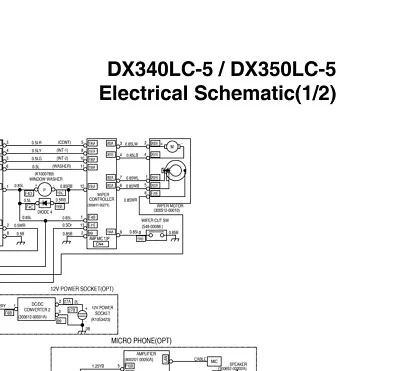
Modern excavators are essentially rolling computers. When the monitor display shows a warning icon, it’s usually communicating a fault in the wiring harness or a specific sensor. Before replacing expensive components, inspect the wiring for corrosion, especially at the connectors located near the engine block and hydraulic pump.
Warning: Never disconnect the battery while the engine is running or the ignition is in the “on” position, as this can fry the sensitive electronic control unit (ECU).
Troubleshooting Error Codes
Most Doosan machines come equipped with a diagnostic interface. You can access the history of fault codes through the monitor menu. These codes provide a roadmap for your repair. For instance, a code related to the throttle actuator usually points to a failing potentiometer or a broken wire in the harness leading to the engine governor.
What Causes Overheating?
Overheating is a critical issue that can warp cylinder heads and destroy engine seals. If the temperature gauge climbs into the red, stop the machine immediately. The cooling system must be kept in pristine condition to prevent long-term damage.
Cooling System Inspection
- Radiator debris: Ensure the cooling fins are free of dirt, mud, and organic matter.
- Coolant levels: Check the reservoir and the radiator cap (only when cold) for proper fluid levels.
- Fan belt tension: A loose belt will result in insufficient airflow across the heat exchanger.
- Thermostat function: A stuck thermostat will prevent coolant from circulating, causing rapid temperature spikes.
Daily Maintenance for Reliability

Preventative maintenance is the best form of troubleshooting. By following a strict schedule, you identify small issues before they become major repairs. The Doosan Equipment Maintenance Guidelines provide the specific intervals for fluids and filter changes required to keep your machine under warranty and operating at peak capacity.
Pro Tip: Use a dedicated logbook to record every service interval, including the specific hours on the clock, to track the degradation of parts over time.
Essential Maintenance Checklist
- Check engine oil level and viscosity daily.
- Inspect track tension to prevent premature wear on the undercarriage rollers.
- Lubricate all bucket and boom pins using high-quality lithium-based grease.
- Drain the fuel-water separator to prevent moisture from entering the fuel rail.
Addressing Undercarriage Wear
The undercarriage is the most expensive part of the excavator to replace. If you notice the tracks are sagging or the machine pulls to one side, you must investigate the tensioning system and the condition of the rollers.
Track Tensioning Problems
If the tracks are too loose, they can jump off the idler. If they’re too tight, they put excessive stress on the drive motor and final drive bearings. Use a grease gun to adjust the tensioner cylinder until the track sag meets the manufacturer’s specified clearance.
How to Test Hydraulic Pressure?
Testing pressure requires a reliable hydraulic test gauge kit. You must tap into the main pump test ports to verify that the pump is producing the correct pressure as defined in your service manual. If the pressure is low, you may need to adjust the main relief valve.
| Component | Pressure Range (psi) | Measurement Point |
|---|---|---|
| Main Relief | 4,500 – 5,200 | Main Pump Port |
| Pilot Circuit | 500 – 650 | Pilot Manifold |
| Swing Circuit | 3,800 – 4,200 | Swing Motor Port |
| Travel Circuit | 4,800 – 5,100 | Travel Motor Port |
Can I Repair the Final Drive?
The final drive is a sealed planetary gear system. While you can replace the external hydraulic motor, internal gear repairs are specialized tasks that require a clean-room environment. If you hear a grinding noise coming from the tracks, it’s usually a sign of metal shavings in the final drive oil. Drain the oil immediately and inspect it for debris.
Signs of Final Drive Failure
- Visible oil leaks at the track hub.
- Loud, metallic grinding or clunking noises.
- Inability to move the machine under its own power.
- Excessive heat radiating from the hub after short periods of operation.
Troubleshooting Joystick Controls
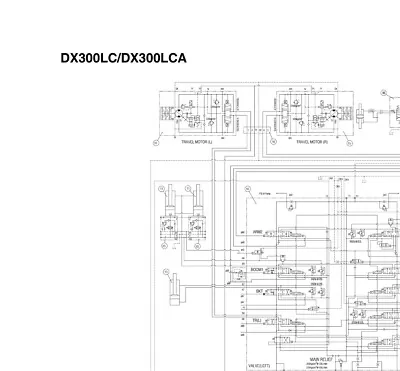
If your controls feel “mushy” or unresponsive, the issue likely resides in the pilot control system. The pilot system uses a small amount of hydraulic oil to actuate the main spool valves. If the pilot pressure is low, the main valves won’t open fully, resulting in slow or jerky machine responses.
Pilot System Checks
- Verify the pilot filter isn’t clogged.
- Check for leaks in the lines leading from the joystick to the control valve.
- Ensure the hydraulic lock lever is fully disengaged.
- Test the solenoid that allows pilot flow to the joysticks.
When to Call a Professional
Sometimes, the complexity of the issue exceeds the tools available in the field. If you have replaced the obvious components—filters, sensors, and fuses—and the machine still fails to perform, you likely have a software or internal mechanical failure that requires a technician with a diagnostic laptop and proprietary software.
Warning Signs for Professional Help
- Persistent electronic faults that return after clearing.
- Internal engine knocking or loss of compression.
- Hydraulic pump failure requiring flow testing beyond basic gauge capabilities.
- Damaged wiring harnesses deep within the chassis.
Frequently Asked Questions
Why is my excavator losing hydraulic power when the oil gets hot?
As hydraulic oil heats up, its viscosity decreases. If your hydraulic pump is worn, the thinner oil leaks past internal clearances instead of building pressure. This is a classic sign of pump fatigue. You should verify your pump efficiency with a flow meter test to determine if the pump needs a rebuild or if the relief valves are simply bypassing too much flow.
What should I do if my Doosan excavator won’t start?
Begin by checking the battery voltage and the condition of the battery terminals, as corrosion is a frequent cause of poor starting. Next, ensure the fuel system is primed and free of air. Check that the safety lever is in the “locked” position, as the machine won’t crank if the safety interlock detects an unsafe condition, such as an open door or disengaged lever.
How often should I change the hydraulic oil?
Hydraulic oil should typically be changed every 2,000 to 5,000 hours, depending on your operating conditions and the specific machine model. However, you should perform an oil analysis every 500 hours to check for metal particles and moisture. If the oil appears cloudy or smells burnt, it’s time to change it immediately, regardless of the hour meter reading.
Can I clear error codes myself?
Yes, most Doosan monitors allow you to clear historical error codes through the service menu. However, if the code returns immediately upon starting the machine, the fault is still active. Clearing the code won’t fix the underlying mechanical or electrical issue. Always diagnose the cause of the code before attempting to clear it from the system memory to prevent further damage.
Why is my machine smoking during operation?
Black smoke typically indicates an air-fuel ratio imbalance, often caused by a clogged air filter or a faulty injector. Blue smoke suggests that the engine is burning oil, which could indicate worn piston rings or a failed turbocharger seal. White smoke often points to coolant entering the combustion chamber, which is a serious issue that requires immediate attention to prevent internal engine failure.
Conclusion
Maintaining your equipment through consistent observation and adherence to technical specifications ensures that your machine remains a productive asset rather than a liability. When you encounter a persistent issue, document the specific error codes and symptom timeline to help your local service technician diagnose the problem rapidly. Take the next step by performing a comprehensive fluid analysis today to identify any hidden internal wear before it results in a costly mid-season breakdown.