
When your gate system stops responding or displays an error code, performing doorKing 9150 troubleshooting is the most efficient way to restore access control without calling for expensive emergency service. The 9150 series is a sophisticated telephone entry system designed for reliability, but environmental factors, power fluctuations, and wiring degradation can occasionally disrupt its operations. Understanding the status LEDs, checking the power supply, and verifying your database settings are the primary steps to resolving most common connectivity or communication issues.
Key Takeaways
- Check the 16.5-volt AC power transformer first to ensure the unit is receiving consistent, clean electricity.
- Verify all terminal block connections for signs of corrosion or loose wires that could disrupt signal integrity.
- Use the system’s built-in diagnostic LEDs to identify if the fault lies in the board, the phone line, or the gate operator.
- Perform a hard reset only after documenting your current programming, as this may clear existing directory entries.
- Consult the official DoorKing 9150 technical manual to confirm specific voltage and resistance requirements for your installation.
Safety: Inside a mains-powered machine, the parts behind the outer cover can hold a dangerous electrical charge even after it has been unplugged — that’s why they sit behind a cover. Opening the housing, or testing or replacing anything behind it, is a job for a qualified technician, never a home repair.
Initial System Health Check
Before diving into complex diagnostics, you must rule out basic power and connectivity failures. Most 9150 units fail due to simple power-related issues rather than internal component failure. Start by checking the status lights on the circuit board. If the power LED is dim or flickering, the transformer may be failing or the wiring run is too long, causing a significant voltage drop.
Troubleshooting DoorKing 9150 Error Codes
The 9150 system communicates internal status through specific blink patterns on the diagnostic LEDs. When the system is idle, the primary status light should show a steady, consistent state. If you see rapid flashing, the board is likely in a fault state or waiting for a handshake from the telephone network.
| LED Indicator | Normal State | Fault State | Meaning |
|---|---|---|---|
| Power LED | Solid Green | Off/Dim | Input power issue |
| Data LED | Flashing | Steady On | Communication loop error |
| Phone LED | Off | Solid Red | Line off-hook/busy |
| Gate Status | Solid | Rapid Blink | Obstruction or limit fault |
Resolving Communication Failures
If the system can’t place calls or receive commands, the issue usually involves the telephone interface or the cellular gateway. Verify that the system is properly connected to your designated communication path. If you’re using a VoIP adapter, ensure that the adapter is configured to support analog signals, as the 9150 requires a standard analog phone line or a compatible cellular bridge.
Check the phone line voltage using a standard telephone handset connected directly to the system’s terminals. If you don’t hear a dial tone, the fault is external to the gate controller. Inspect the RJ-11 jacks for debris or bent pins. If the system is connected via a cellular module, reboot the module by removing its power for sixty seconds, then allow it to re-register with the local cellular tower.
Why Is the Gate Not Opening?
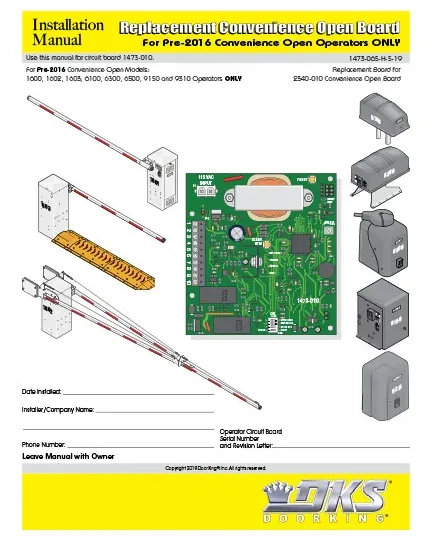
When the unit registers the code but the gate remains closed, the problem lies in the relay or the secondary control wiring. The 9150 activates a relay that signals the gate operator to open. If the relay clicks but the gate doesn’t move, the issue is with the gate operator itself, not the 9150 controller.
- Relay contact wear: Over time, the internal relay contacts can pit or weld, failing to send the signal.
- Safety loop interference: If the gate operator detects an obstruction, it will ignore the open command.
- Wiring continuity: A break in the wire between the 9150 and the gate operator prevents the signal from reaching its destination.
- Operator limit switches: If the gate operator is at its mechanical limit, it won’t process new commands.
Pro Tip: If the gate operator has a manual release, engage it to ensure the gate moves freely. If the gate is physically jammed, no amount of electronic troubleshooting will force the operator to move.
Testing the Keypad and Display
If residents report that their codes aren’t working, you’re likely dealing with a database issue or a keypad hardware failure. First, check if the keypad beeps when you press a key. If there’s no audible feedback, the keypad ribbon cable might be loose. If it beeps but the system doesn’t recognize the code, you need to verify the access code database through your management software.
Sometimes, the memory chip inside the 9150 can become corrupted due to power surges. If you suspect a memory error, attempt to re-upload the directory from your PC. If the unit fails to accept the data transfer, you may need to clear the memory and perform a factory reset. Always keep a current system backup on an external drive to expedite the restoration process.
Handling Moisture and Corrosion
Because these units are mounted outdoors, water intrusion is a frequent cause of intermittent performance. Even if the enclosure looks sealed, condensation can form inside during temperature swings. Inspect the bottom of the enclosure for signs of water tracks or white, powdery corrosion on the circuit board.
If you find moisture, use a non-residue contact cleaner to clean the board. Ensure all gasket seals are tight and that the conduit entry points are sealed with duct seal or silicone. Moisture trapped in the wiring conduit can travel up the wires and into the terminal block, causing hidden shorts that are difficult to diagnose without removing the wiring from the blocks.
Is the System Firmware Outdated?
Firmware issues can occasionally cause the 9150 to hang or skip commands. Check the software version currently running on the unit against the latest release provided by the manufacturer. Updating the firmware can resolve known bugs related to telephone dialing protocols and database management.
| Task | Frequency | Action |
|---|---|---|
| Cleaning terminals | Annually | Use contact cleaner |
| Backup database | Monthly | Export to PC/USB |
| Check battery | Semi-annually | Test with multimeter |
| Firmware check | As needed | Verify on manufacturer site |
Troubleshooting Power Supply Issues
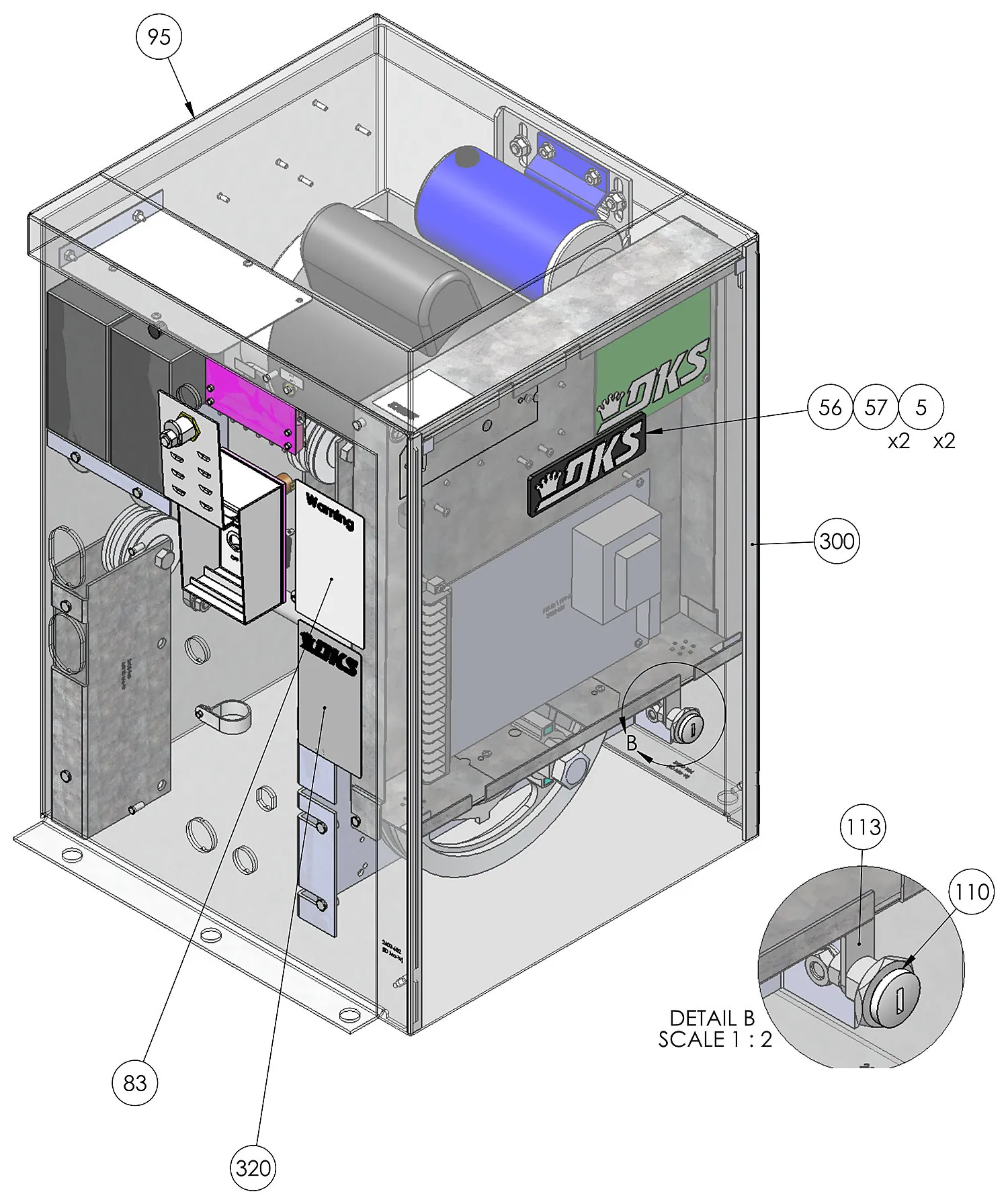
Warning: Always turn off the main power before touching any exposed wiring or internal components to prevent accidental shorting of the board.
Frequently Asked Questions
Why does the 9150 display show a “Communication Error”?
This error typically indicates that the unit can’t establish a handshake with the telephone network or the cellular gateway. Verify that your phone line has active dial tone or that the cellular module is properly registered. If the connection is physical, check the integrity of the RJ-11 cables and ensure that the system’s modem settings match the requirements of your service provider.
How do I reset the system to factory defaults?
Performing a factory reset erases all stored codes and directory information. To initiate this, use the master programming code to enter the system settings and look for the “Reset” or “Initialize” option in the menu. Only perform this if you have a full backup, as there’s no way to recover the data once it has been wiped from the non-volatile memory.
Can I replace the keypad independently of the board?
Yes, the keypad assembly is modular and can be replaced if the keys become unresponsive or physically damaged. You’ll need to disconnect the ribbon cable from the main control board and swap the keypad unit. Ensure the unit is powered down before disconnecting the ribbon cable to avoid damaging the logic board with a static discharge or a temporary short.
What should I do if the system keeps rebooting?
Frequent reboots are almost always caused by a failing power supply or an unstable battery backup. Check for loose connections at the power transformer and the terminal block. If the connections are secure, test the output of the transformer under load. If the voltage drops significantly when the gate relay triggers, the transformer is likely failing and needs to be replaced immediately.
Why is the directory scrolling slowly?
A slow directory is often a sign of a fragmented memory or a high volume of entries that the processor is struggling to index. Ensure that you have cleared any unused or expired codes to free up memory resources. If the problem persists, perform a system backup, clear the memory, and re-import your directory, which often resolves display lag and interface latency.
Conclusion
If you have completed these steps and the system remains unresponsive, the final action is to contact a certified technician to test the logic board for component-level failures. Persistent issues after power, wiring, and database verification usually point to a hardware fault that requires professional repair or component replacement to restore full functionality to your facility’s access control.