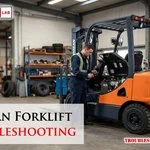
When your heavy-duty material handling equipment stops performing as expected, understanding the root cause is essential for maintaining productivity. Operators often find that performing doosan forklift troubleshooting requires a methodical approach, moving from the simplest power checks to more complex engine or hydraulic diagnostics. By identifying the specific error codes or mechanical symptoms, you can save significant time and money on unnecessary service calls while ensuring that your fleet remains compliant with safety standards.
Key Takeaways
- Check the battery terminals and connections first, as loose cables are a leading cause of intermittent power failure.
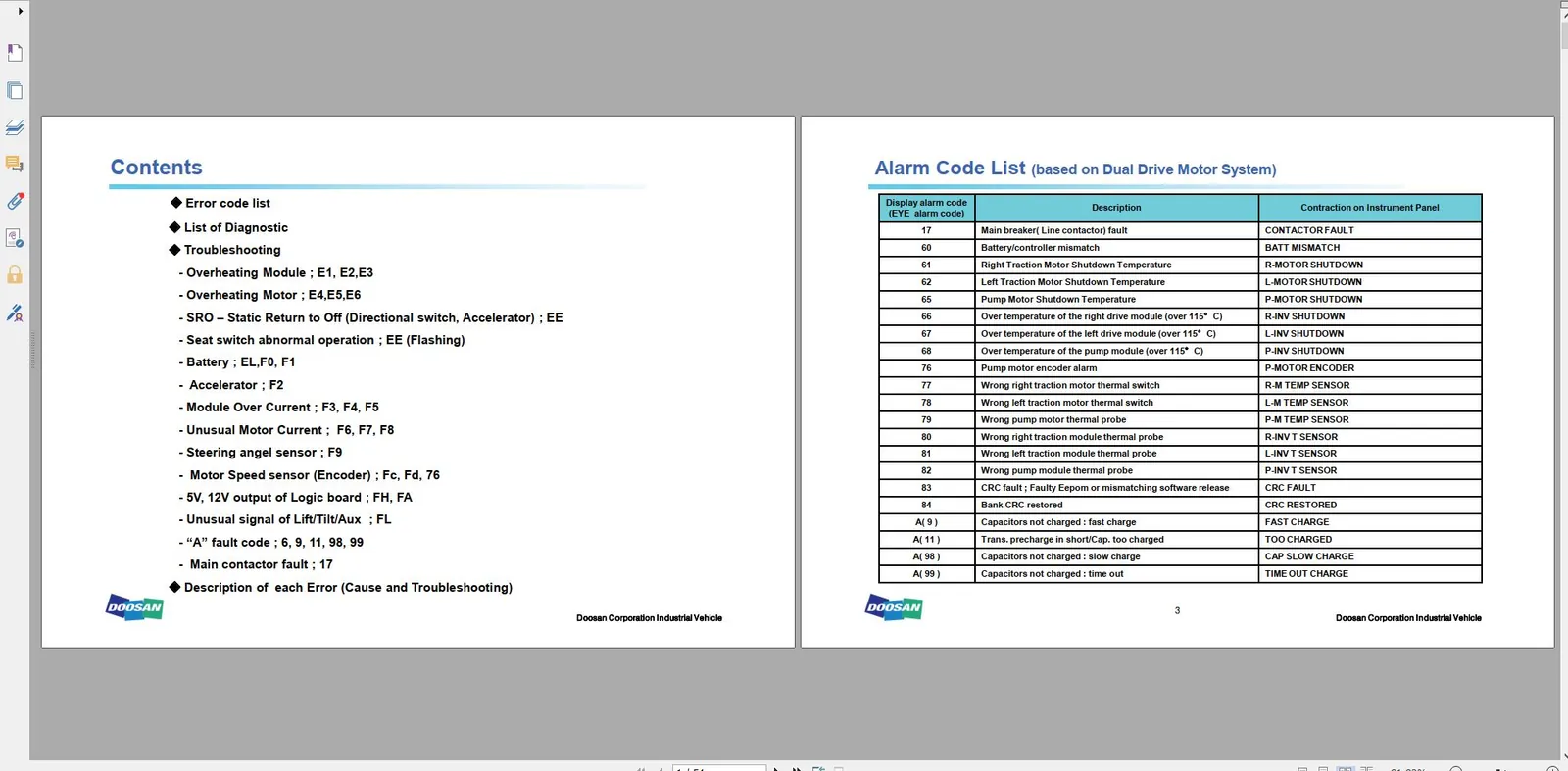
- Consult your specific model’s service manual to interpret diagnostic error codes displayed on the dashboard.
- Maintain a strict daily inspection log to identify hydraulic leaks or pressure drops before they lead to system failure.
- Ensure all safety interlocks, such as seat switches and seatbelts, are functional to prevent the ignition lockout mechanism.
- Regularly clean air filters and cooling systems to prevent engine overheating during high-intensity lifting operations.
Doosan Forklift Troubleshooting Error Codes
Modern equipment utilizes an Electronic Control Unit to monitor performance. When a fault occurs, the dashboard typically displays an alphanumeric code. These codes aren’t universal across every series, but they follow a logical pattern that points toward specific subsystems.
| Error Code Category | Primary System | Typical Root Cause |
|---|---|---|
| E01 – E10 | Engine Control | Sensor signal loss or fuel pressure |
| H01 – H05 | Hydraulic System | Solenoid failure or fluid obstruction |
| P01 – P09 | Powertrain/Transmission | Speed sensor or shift solenoid issue |
| S01 – S03 | Safety Interlock | Seat switch or mast limit switch |
Always verify these codes against the specific Doosan Industrial Vehicle documentation for your serial number, as sensor thresholds can vary between internal combustion and electric models. Diagnostic software tools are often required for deeper analysis if the simple resets don’t clear the fault.
Why Won’t the Forklift Start?
If the engine turns over but fails to fire, or if the electric motor remains completely silent, you’re likely dealing with a power delivery issue. Start by inspecting the battery. On electric models, a low state of charge or a corroded connector is the most common culprit. For internal combustion units, focus on the fuel supply.
- Loose Connections: Ensure battery cables are tight and free of corrosion.
- Fuel Supply: Verify that the LP tank valve is fully open or that diesel levels are sufficient.
- Safety Lockouts: Confirm the operator is seated correctly, as the seat sensor prevents starting.
Warning: Never attempt to bypass safety interlocks or seat switches, as these are critical components designed to prevent accidental movement and injury.
Troubleshooting Hydraulic System Issues
Hydraulic failure is usually characterized by slow lifting speeds, jerky mast movement, or complete loss of lift capacity. Before suspecting a pump failure, check the fluid levels and the condition of the hydraulic oil. Contaminated oil or a clogged return filter can starve the system of necessary pressure.
Identifying Hydraulic Leaks
If you notice puddles beneath the vehicle, trace the lines back to the source. Common points of failure include:
- Hydraulic hose fittings that have vibrated loose.
- Worn O-rings in the lift cylinder assembly.
- Cracked high-pressure hoses near the mast carriage.
- Seals in the control valve block.
Pro Tip: Use a piece of cardboard to safely locate high-pressure hydraulic leaks, as pinhole leaks can inject fluid under the skin and cause severe injury.
Is the Engine Overheating?
Overheating is a common issue in high-dust or high-temperature environments. When the engine temperature gauge rises into the red, the machine may automatically derate its power to prevent permanent damage.
Cooling System Maintenance
- Clear the radiator fins of debris using compressed air.
- Check the coolant reservoir level and top off with the manufacturer-specified mixture.
- Inspect the fan belt for signs of cracking, glazing, or improper tension.
- Monitor the thermostat housing for signs of leaks or seizing.
Cooling system efficiency is vital for the longevity of your engine. If the coolant level is consistently low, search for internal leaks or a failing water pump.
Transmission and Drive Problems
If the forklift refuses to move or shifts gears erratically, the transmission system requires attention. Problems here often stem from low transmission fluid or a malfunctioning directional solenoid.
- Check Fluid: Low levels can cause slipping.
- Solenoid Testing: If the unit shifts in one direction but not the other, the directional solenoid is likely faulty.
- Brake Drag: Ensure the parking brake is fully released, as a dragging brake can mimic transmission failure.
Transmission performance relies on clean fluid; ensure you’re using the specific viscosity recommended in your maintenance schedule to avoid premature wear on the clutch packs.
Electrical Component Failures
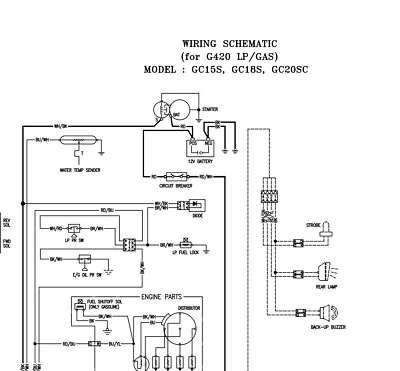
Electrical gremlins can be the most difficult to track down. Start by inspecting the fuse box for any blown fuses. If a fuse blows repeatedly, you have a short circuit somewhere in the wiring harness. Look for wires that have been pinched by the mast or exposed to heat near the engine block.
Common Electrical Issues
- Blown Fuses: Often caused by an overloaded accessory circuit.
- Bad Grounds: A corroded ground wire can cause flickering lights or erratic dashboard readings.
- Faulty Relays: If a specific function—like the horn or lights—fails to work, try swapping the relay with a known good one.
Mast and Lifting Malfunctions
If the mast sticks during operation, it’s usually due to a lack of lubrication or bent rails. The mast channels require regular greasing to ensure smooth travel. If the forks drift downward when holding a load, the internal seals of the lift cylinder are likely bypassing oil, which requires a professional rebuild.
- Mast Lubrication: Apply high-quality grease to all sliding surfaces.
- Chain Tension: Check the lift chains for uneven wear or frozen links.
- Carriage Alignment: Ensure the carriage is square to the mast rails.
Preventive maintenance on the mast is crucial for operator safety. Any sign of cracking in the mast steel or deformation in the forks should result in an immediate removal from service until a certified technician can perform a load test.
Steering System Performance
Steering issues often present as “heavy” steering or a shuddering sensation when turning the wheel. In hydrostatic steering systems, this is frequently caused by air trapped in the lines or a failing steering pump.
Steering Troubleshooting Steps
- Check the power steering fluid level in the reservoir.
- Bleed the steering system if maintenance has recently been performed.
- Inspect the steering cylinder for external leaks.
- Check for play in the tie rods or kingpins.
Steering system health directly impacts the maneuverability of the forklift in tight warehouse aisles. Worn linkage components can cause dangerous wandering at higher travel speeds.
Brake System Maintenance
Forklift brakes are designed to stop the machine under load. If you notice a “spongy” brake pedal or if the machine takes significantly longer to stop than usual, the system likely contains air or has worn brake shoes.
- Brake Fluid: Check for leaks at the master cylinder or wheel cylinders.
- Brake Adjustment: Many models feature self-adjusting brakes, but manual adjustments may be necessary on older units.
- Pedal Linkage: Ensure the linkage connecting the pedal to the master cylinder is free of debris.
Warning: Never operate a forklift with compromised brakes. If the pedal travels to the floor without providing firm resistance, the machine must be tagged out immediately to prevent collisions.
How to Perform Routine Inspections
A daily inspection is the single most effective way to avoid unexpected downtime. By spending ten minutes every morning checking the machine, you can catch minor issues before they become major repairs.
| Inspection Item | What to Look For |
|---|---|
| Tires | Chunks missing, deep cuts, or uneven wear |
| Fluid Levels | Oil, coolant, and hydraulic fluid levels |
| Safety Lights | Functional strobe and work lights |
| Horn | Clear, loud audible signal |
| Forks | Cracks at the heel or bent tips |
Frequently Asked Questions
Why does my forklift stall when lifting?
Stalling during a lift often indicates an engine that’s struggling under load or a hydraulic pump that’s seizing. Check the engine air filter and fuel quality first. If the engine runs smoothly when idling but dies during a lift, the hydraulic pump may be putting an excessive mechanical load on the engine, or the idle control solenoid may not be compensating for the increased demand.
How often should I change hydraulic fluid?
Most manufacturers recommend changing hydraulic oil every 1,000 to 2,000 operating hours, depending on the environment. In dusty or high-heat conditions, you should change the fluid more frequently. Always replace the return filter at the same time, as this is the primary defense against contaminants entering the system and damaging the sensitive valves and cylinders that control your lift functions.
What causes the forklift to creep?
Creeping, or moving when the directional lever is in neutral, is typically caused by a misadjusted directional linkage or a worn transmission control valve. It can also be a sign of internal leakage in the transmission torque converter. Ensure the lever is fully returning to the center position. If the linkage is clear, have a technician test the transmission pressure to identify potential internal wear.
Can I fix a mast chain issue?
You can perform basic maintenance like cleaning and lubricating the mast chains, but you should never attempt to repair or shorten a worn chain. If the chain shows signs of stretching, rust, or broken pins, it must be replaced by a qualified technician. Mast chains are critical safety components, and a failure while carrying a load can lead to catastrophic accidents and severe property damage.
How do I reset a diagnostic code?
Some codes clear automatically once the fault is resolved and the ignition is cycled. Others require a specialized handheld diagnostic tool to clear the error from the memory of the Electronic Control Unit. If a code persists after you have fixed the mechanical issue, consult your service manual to see if a manual reset procedure involving the dashboard buttons or a diagnostic port connection is required.
Conclusion
Consistent maintenance is the best strategy for avoiding the high costs of unplanned repairs. By keeping your fluid levels high, your filters clean, and your daily inspections thorough, you’ll extend the life of your equipment and maintain a safer workplace. If your troubleshooting efforts fail to resolve a recurring issue, contact a local authorized dealer to schedule a professional inspection and ensure your equipment meets all safety requirements.