You should check the control panel error codes and water flow levels when performing dr wellness hot tub troubleshooting to identify the specific issue. Most common problems start with a dirty filter or a tripped breaker rather than a broken internal part. Before you do anything else, look at the display screen for any blinking lights or letter codes. These codes are your first clue to finding out what is wrong with the system.
Common reasons your spa stops working

The most frequent cause for a spa to stop heating or circulating is a blocked filter. When debris builds up on the pleated material, the pump can’t pull enough water through the heater element. This triggers a safety sensor that shuts down the heating cycle to prevent the system from burning out. If the water flow is restricted for too long, the heater will lock itself in a “dry fire” protection mode.
Another common issue is a tripped ground fault circuit interrupter or GFCI breaker. If your home has a power surge or a small leak near the electrical components, the breaker will cut power to the tub to prevent a shock hazard. You can check your external sub-panel to see if the switch has moved to the center or “off” position. If it flips back immediately after you reset it, you likely have a short circuit that requires a professional.
Finally, air locks in the plumbing can stop the pump from moving water. This often happens after you drain and refill the tub. Air gets trapped in the pump housing, preventing the impeller from spinning correctly. The pump will sound like it’s running, but you won’t feel any water coming out of the jets. You must bleed the air out to restore flow.
Clean the filtration system thoroughly
If your jets are weak or the heater isn’t kicking on, the first step is to remove and clean the filter cartridge. A clogged filter is the most common reason for low water flow. Turn off the power at the main breaker before you touch anything near the pump or the filter compartment. Remove the filter and rinse it deeply with a garden hose, ensuring you spray between every single pleat.
If the filter looks gray, slimy, or has visible buildup that water can’t remove, it’s time for a replacement. A filter that’s more than six months old usually loses its ability to trap small particles, which forces the pump to work harder. Once you put the clean or new filter back, ensure the lid is tight. If the jets don’t return to full pressure after five minutes, your issue might be deeper inside the plumbing.
- Check for debris: Inspect the intake suction covers at the bottom of the tub.
- Verify water level: Ensure the water is at least two inches above the highest jet.
- Inspect the pump: Listen for a humming sound, which suggests the motor has power but can’t move water.
If you aren’t comfortable working with the electrical panel or the pump housing, call a licensed electrician. You can find more details on safe maintenance practices from the Consumer Product Safety Commission regarding proper water care and electrical safety.
Reset the heating and flow sensors
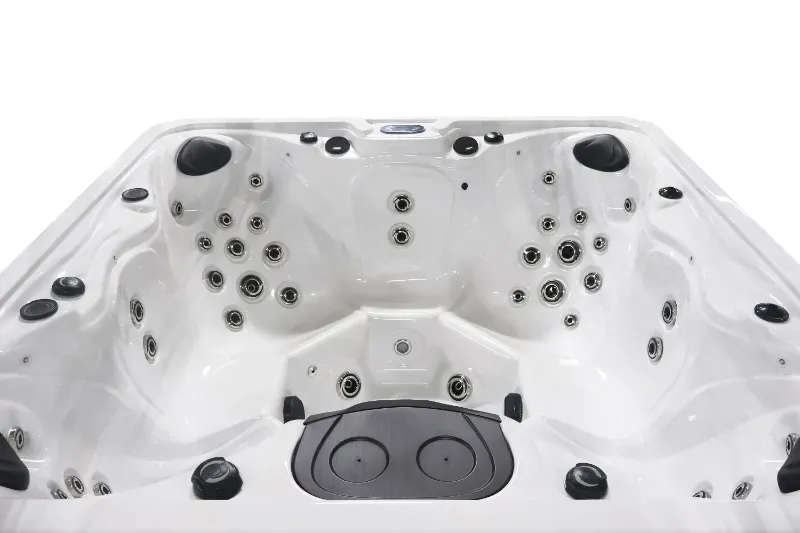
When the tub is full and the filter is clean, but the water remains cold, you may need to reset the high-limit sensor. This sensor keeps the water from reaching dangerous temperatures. Sometimes it trips due to a temporary spike in voltage or a small air bubble passing through the heater tube. Look for a small “reset” button on the heater housing if your model has one visible.
If you can’t find a manual reset button, try powering the entire unit down for thirty minutes. This allows the internal computer board to clear its memory and restart its diagnostic check. After the wait, turn the power back on and watch the control screen. If it displays an error code again, write it down exactly as it appears. This code is the specific key you need if you decide to call technical support.
This fix is intended for users who have basic access to the equipment bay. If you smell burning plastic or hear loud grinding noises, stop immediately. Don’t attempt to open the control box or touch the wiring inside. These parts carry high voltage that can cause serious injury or death. If the problem persists after a power reset, contact an authorized service provider to inspect the board.
Resolve low jet pressure issues
Low pressure is usually a mechanical restriction rather than an electrical fault. If only one seat has weak jets, the issue is likely a loose jet face or a blocked air valve. You can twist the face of most jets to open or close the flow. If the entire tub has low pressure, check the diverter valves located on the top rim. These valves control which side of the tub gets the most water.
If a valve is stuck in the middle, it splits the water flow between two zones, making both feel weak. Rotate the diverter valve fully to one side to see if the pressure improves in that zone. If the pressure remains low everywhere, check the water level again. If the water level is too low, the pump will pull in air, which creates a sputtering, weak flow at the jets.
- Check diverter valves: Ensure they’re fully turned to one side.
- Inspect jet faces: Twist them to ensure they aren’t set to the “off” position.
- Verify water depth: Add water until it’s well above the filter intake.
If you have tried these steps and the pressure is still low, there could be a blockage in the pipes. This isn’t a fix you can do yourself. A professional will need to flush the lines with a specialized cleaning solution.
Avoid Dr. Wellness hot tub troubleshooting mistakes
Adding chemicals while the pump is off: This creates “hot spots” of concentrated acid or chlorine that can damage the heater and the pump seals. Always run the jets for at least five minutes to ensure full circulation.
Ignoring error codes on the display: These codes exist specifically to tell you which part is failing. Guessing based on intuition often leads to replacing expensive, working parts. If the code is “FLO,” check the filter cartridge for debris before assuming the pressure switch has failed.
Using a car battery charger to test components: Never use equipment not rated for spa voltages. This will destroy the control board and void your warranty immediately. A technician must confirm whether the part has failed.
Over-tightening internal pipe unions: These are usually made of plastic and will crack easily if you use a wrench. Hand-tighten these connections only. If a union leaks, replace the O-ring rather than applying more torque, which costs you a full plumbing repair.
Maintain proper water flow and safety
You should compare your current spa performance against the manufacturer’s manual for your specific model. The following table helps you match your symptoms to the most likely cause.
| If you’re doing this | Do this instead | Why |
|---|---|---|
| Using old, dirty filters | Replace with new filters | Clogs block the flow sensors |
| Ignoring low water levels | Fill above the intake | Prevents air from entering pump |
| Resetting the breaker constantly | Call a professional | Suggests a dangerous electrical short |
| Forcing a stuck diverter | Use a lubricant spray | Prevents snapping the plastic stem |
| Cleaning lines with bleach | Use a spa-specific flush | Bleach damages the internal seals |
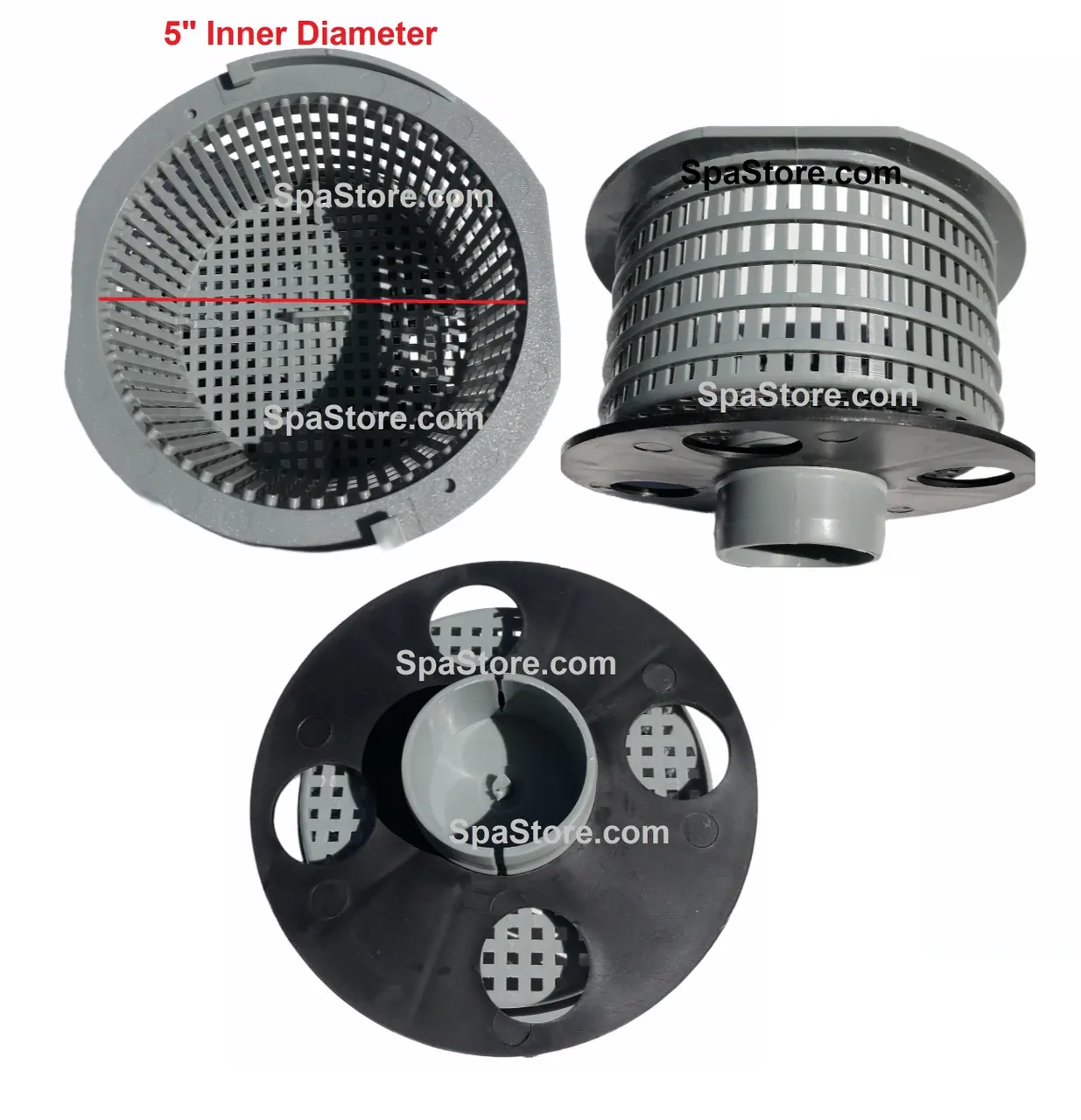
Check your pump’s intake screen monthly. If you see debris, remove it immediately. A restricted intake forces the pump to work harder, which can overheat the motor windings and lead to premature failure.
You can easily distinguish between a clog and a mechanical failure. If the water flow is sluggish but the pump sounds normal, the issue is almost certainly a dirty filter or blocked intake. If the pump makes a grinding or high-pitched whining noise, turn the system off immediately.
This indicates a failing bearing or a stuck impeller, which requires professional repair to avoid permanent damage. Never run a spa if the water level sits below the skimmer weir, as this can cause the pump to run dry and melt the internal housing.
Frequently asked questions
How long does a hot tub pump usually last?
A typical hot tub pump lasts between five and ten years, depending on water chemistry maintenance. Keeping pH and alkalinity in the recommended range prevents internal seal corrosion. If you notice a leak under the pump, the shaft seal is likely failing.
Why is my hot tub water cloudy?
Cloudy water is usually caused by sanitizer imbalances or a saturated filter. Test your water to ensure chlorine or bromine levels are sufficient to prevent bacterial growth. If sanitizer levels are normal, your filter likely needs a deep cleaning or replacement.
Is it safe to use the hot tub with an error code?
No, you shouldn’t use the hot tub if an error code is showing on the display screen. These codes are safety alerts that indicate the heater or pump isn’t operating within safe parameters. Using the tub while the system is faulted could lead to overheating or electrical issues. Always turn off the power at the breaker until you have identified the code and fixed the underlying issue.
How often should I change the spa water?
Over time, total dissolved solids build up, which prevents chemicals from working effectively. If the water foams or smells despite chemical treatment, it’s time for a drain and refill.
Why do my jets feel weak?
Weak jets are usually caused by a dirty filter or an air lock in the pump. A clogged cartridge restricts water flow, so check your filter first. If the filter is clean, you may need to bleed trapped air from the pump union.
Conclusion
If you still can’t get the water moving or the heat rising, don’t hesitate to reach out to a local technician. They’ll have the right tools to fix deeper electrical faults quickly. It’s better to call for help early so you can get back to relaxing in your tub sooner.