
You can fix most issues with a bed by checking the power supply, cable connections, and the hand control unit, as these are the most common points of failure in drive hospital bed troubleshooting. If the bed doesn’t move, look for a loose plug or a tripped breaker before you assume the motor is broken. Most problems come from simple power interruptions rather than mechanical damage. Always inspect the cord for fraying or damage before you try to plug it into a different wall outlet.
Common drive hospital bed malfunctions
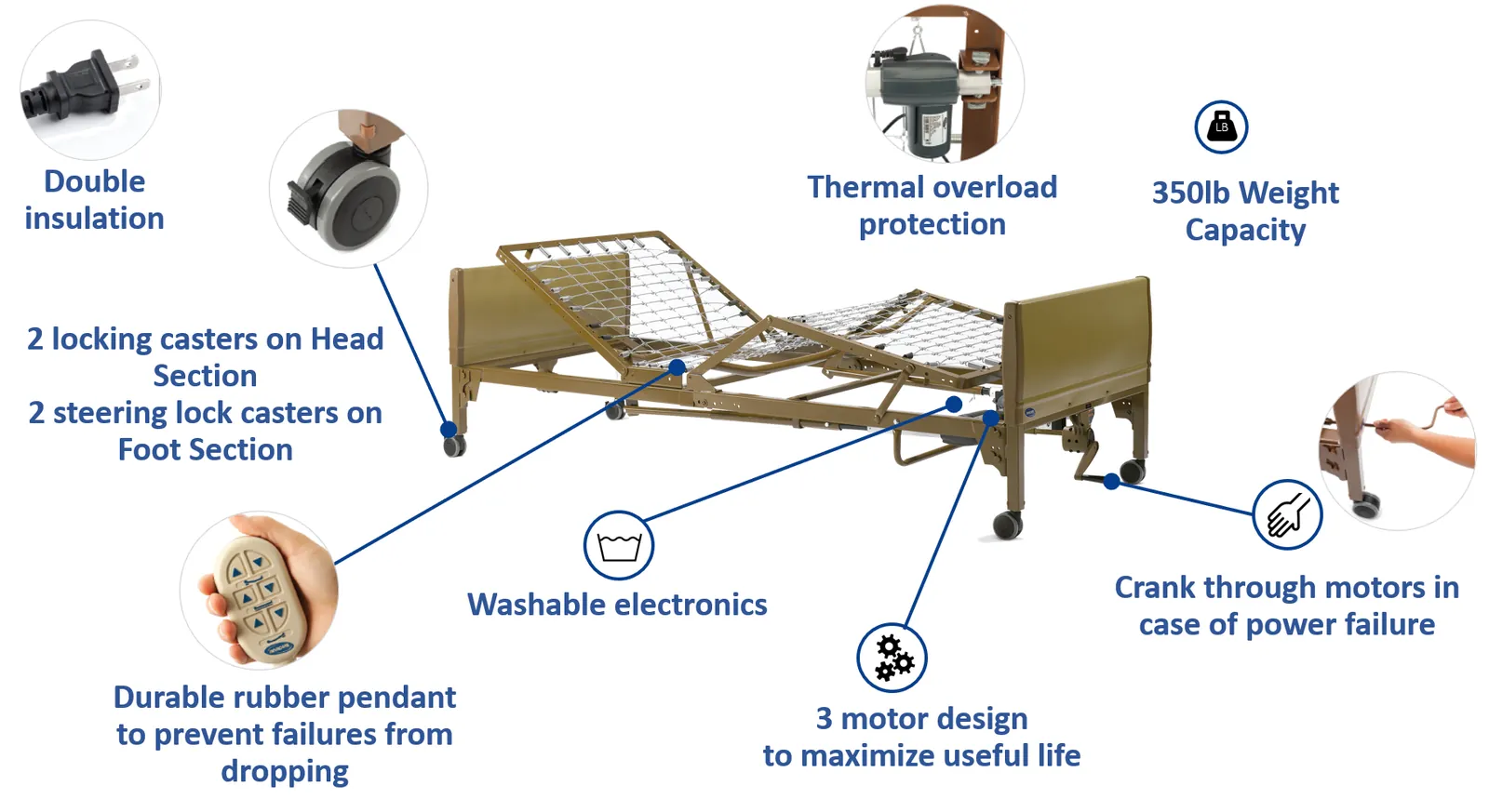
The most frequent cause of a bed failure is a simple loss of electrical power. If the bed is plugged into a power strip or an extension cord, these items often fail or turn off accidentally. Check that the wall outlet itself has power by plugging in a small lamp or a phone charger to confirm the circuit is live. If the outlet works, move to the cord connected to the bed frame.
Cables often get pinched or pulled when the bed moves up and down. Over time, this movement causes internal wires to break even if the outside of the cord looks fine. Look for any sharp bends or heavy items sitting on top of the cables. If you find a damaged cord, stop using the bed immediately to prevent the risk of fire or shock.
The hand control unit is another common weak point. These devices are dropped or sat on frequently, which damages the internal buttons or the thin wire connecting them to the control box. If the control box makes a clicking sound when you press a button but the bed doesn’t move, the motor might be receiving power but failing to engage.
Never attempt to open the control box or the motor housing yourself. According to the FDA hospital bed safety guidelines, you must contact the manufacturer or a qualified technician for repairs to ensure the device remains safe for patient use.
Check the power supply and connections
This step is for anyone who finds the bed completely unresponsive. First, trace the main power cord from the wall outlet to the control box under the bed frame. Ensure the plug is pushed all the way into the wall and that the connection at the control box is tight. If the bed has a battery backup, the battery might be dead or disconnected.
If you use a power strip, remove it and plug the bed directly into the wall outlet. Many hospital beds draw a high amount of current, which can trip the safety switch on standard power strips. If the bed starts working after you remove the power strip, the strip was the problem. If it still doesn’t work, try a different wall outlet in another room to rule out a localized electrical fault.
Pay close attention to the hand control cable. Gently wiggle the wire near the point where it enters the handset and the control box. If the bed moves for a split second while you wiggle the wire, the cable is damaged. Don’t try to tape or patch this wire. Replacing the entire hand control unit is the only safe way to restore reliable operation. If you’re unsure about the electrical integrity, consult a local medical equipment supplier.
Reset the control system
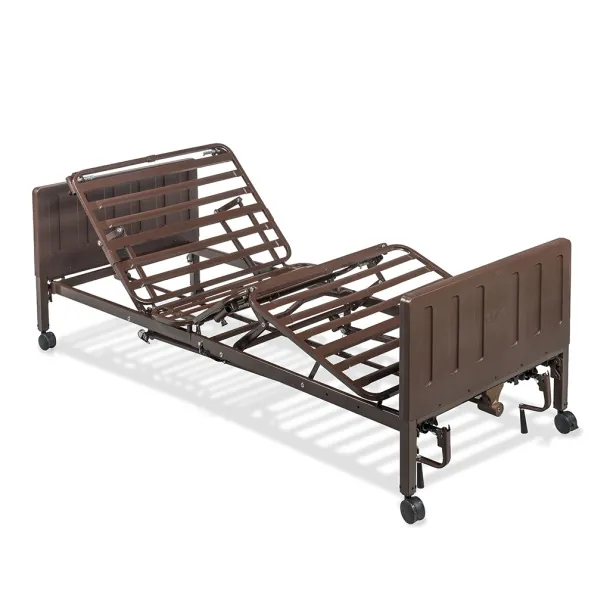
This method is for when the bed moves in one direction but refuses to move in another, or when it seems stuck in a specific position. Many modern control boxes have a reset feature. Locate the control box under the bed and look for a small reset button or a sequence of lights. If there’s a power switch on the box, turn it off for 30 seconds and then turn it back on to clear the electronic memory.
This process isn’t for everyone. If you have a physical disability or can’t safely crawl under the bed, don’t attempt this. You should also verify if your specific model requires a special tool to access the reset button. If you see smoke, smell burning plastic, or hear grinding noises from the motor, stop immediately and unplug the bed. These are signs of a critical failure that requires professional repair.
If the bed still fails to respond after a hard reset, the internal logic board in the control box may have failed. This is a common issue after a power surge. Check your user manual to see if your model has a specific error code indicated by flashing lights on the control box. If you see an error code, write it down before calling the manufacturer. This helps them identify the exact part needed for your repair.
Inspect the motor and actuators
This fix is for when the bed makes a humming noise but nothing happens, or when the motor sounds strained. Motors are designed to lift specific weights; if the bed is overloaded, the motor will stall to prevent permanent damage. Remove any heavy objects stored under the bed and ensure no bedding or pillows are caught in the metal frame joints.
Listen carefully to the motor as you press the button. A steady, rhythmic clicking often means the motor is trying to engage but can’t move the frame. Check the metal joints where the motor attaches to the bed frame. If a bolt has fallen out or a hinge is bent, the motor will be unable to push the frame. Don’t try to force the bed manually, as this can break the gear system inside the motor.
If the motor housing is hot to the touch, allow it to cool completely before attempting further operation. Overheating is common if the bed was used repeatedly in a short time. If the bed works after cooling down, you know the motor is functional but the load is too high. If it remains stuck after cooling, the internal gears are likely stripped. This is a non-repairable mechanical failure that requires a full motor replacement by a certified technician.
What to avoid when fixing the bed
- Never try to open the motor housing or the control box to fix internal electronics. This voids the manufacturer warranty and creates a severe shock hazard.
- Don’t use standard household extension cords to power a hospital bed. These cords are often too thin to handle the power draw and can overheat.
- Avoid using force to move the bed frame if the motor is stuck. You’ll likely bend the metal frame or strip the gears inside the actuator.
- Never use a metal tool to push buttons on a broken hand control. You might damage the membrane and cause an electrical short inside the handset.
- Don’t ignore strange noises coming from the motor. Grinding or screeching sounds indicate that the internal lubrication has failed or parts are rubbing.
How to prevent future failures
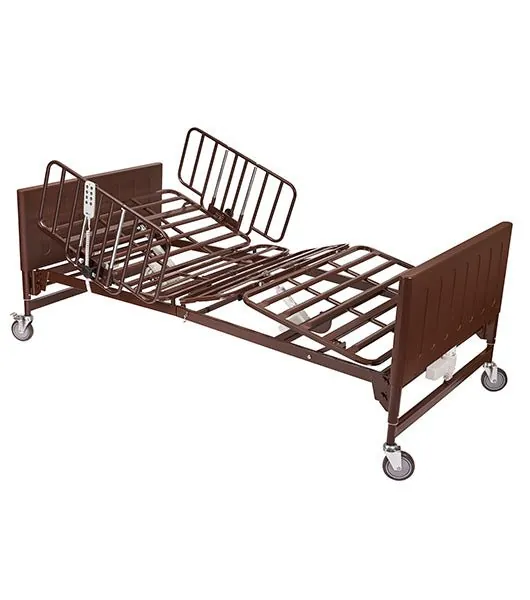
You can keep the bed running smoothly by performing a quick visual check every month. If you’re currently ignoring the cables, start checking them for pinched spots or signs of wear. The following table helps you compare common habits with safer alternatives to keep the equipment in good working order.
| If you’re doing this | Do this instead | Why |
|---|---|---|
| Using an extension cord | Plug directly into the wall | Prevents overheating and power drops |
| Storing items under the bed | Keep the floor clear | Prevents damage to motors and wires |
| Ignoring odd clicking sounds | Call for a maintenance check | Stops a small fix from becoming a big one |
| Cleaning with water spray | Use a damp, soft cloth | Keeps moisture out of the electronics |
| Dragging the bed while plugged in | Always unplug before moving | Protects the cord and the wall outlet |
Frequently asked questions
How long should a hospital bed motor last?
Hospital bed motors typically last 5 to 10 years with regular daily use. Lifespan depends on the weight applied and the frequency of adjustments. Consult your specific model’s service manual for the expected cycle life of the motor.
Is it safe to sleep on a bed that clicks?
You shouldn’t sleep on a bed that makes clicking noises during operation. Clicking often indicates that internal gears are slipping or the motor is failing to engage. Have a technician inspect the motor to ensure the locking mechanism remains secure.
What happens if I lose power during a move?
If power is lost while the bed is moving, the motor will stop exactly where it is. Most beds feature a mechanical brake that prevents the frame from dropping unexpectedly. Use the emergency manual release if your specific model includes one.
How much weight can the motor handle?
The weight limit is determined by the specific model and is usually stated on a label on the frame. This limit includes the weight of the patient, the mattress, and any bedding or medical equipment attached to the bed. If you exceed this weight, the motor will likely stall or trip an internal thermal breaker. Always check the manufacturer’s label on the frame to find the exact weight limit for your bed.
Can I replace the control box myself?
No, you shouldn’t replace the control box yourself unless you have specific training. The control box is the brain of the bed and requires precise wiring to ensure all safety features, such as the emergency stop, function correctly. Incorrect installation can lead to the bed moving unexpectedly or failing to stop in the correct position. Contact the manufacturer or your medical equipment provider to have a professional handle the installation.
Why does the bed move slowly?
A bed moves slowly if the motor is struggling with a heavy load or receiving insufficient voltage. First, ensure the bed isn’t overloaded and nothing is obstructing the frame. If the speed remains low after checking the power source, the motor may require professional inspection.
Conclusion
Regular maintenance is the most effective way to avoid unexpected problems. By keeping the area under the bed clear and checking the cords for damage, you can keep the system safe and reliable for the person using it. If you ever feel uncertain about a sound, a movement, or a connection, don’t hesitate to reach out to the manufacturer for support.
Related guides