When your water heater fails to ignite, you can perform eccotemp l5 troubleshooting by checking the gas supply, the battery power, and the water flow rate. The most common cause for this issue is low water pressure, which prevents the internal switch from activating the burner. If you find the heater clicks but doesn’t light, verify your propane tank has fuel and that the regulator is fully open.
Troubleshooting Eccotemp Ignition Issues
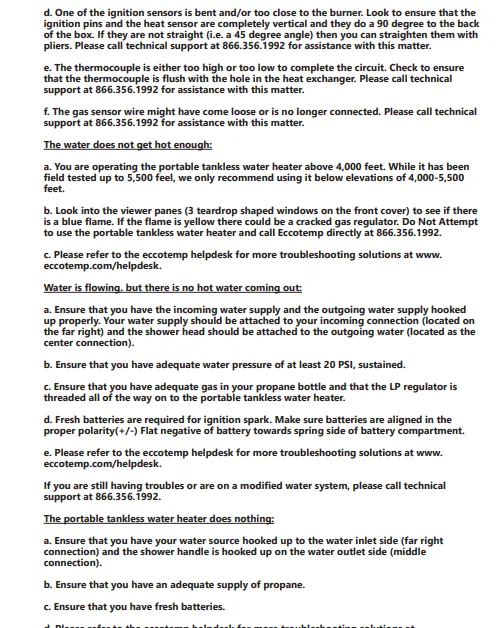
The primary reason these heaters fail to start is a lack of sufficient water flow. These units require a minimum flow rate to push the internal diaphragm switch into the “on” position. If your home has low water pressure or a restrictive showerhead, the heater won’t register that you’re asking for hot water. This is a common issue in off-grid setups where gravity-fed water systems lack the force required to trigger the valve.
Another frequent cause involves the ignition system itself. These heaters rely on two D-cell batteries to create the spark that lights the propane. If those batteries are old or installed with the wrong polarity, the unit won’t spark at all. You might hear a faint clicking sound, but without a strong electrical charge, the gas valve will remain closed as a safety precaution.
Finally, air in the gas line is a frequent culprit, especially after you have changed a propane tank. If air is trapped in the line, the main burner can’t get the fuel needed to sustain a flame. You must bleed the air out of the line by keeping the gas valve open and running the water until the air is purged, ensuring the unit ignites safely.
Clean the Showerhead and Inlet Filter
If your water flow is weak, the first step is to clean the mesh screen located inside the water inlet fitting. Dirt, sand, and mineral deposits often collect here, which restricts the water volume enough to prevent ignition. Unscrew the water inlet connection and inspect the small screen for debris. Rinse it under clean water until the mesh is completely clear of buildup.
Check your showerhead or faucet aerator next, as these are common spots for sediment to gather. If you’re using an attachment that has a flow restrictor, remove it temporarily to test if the heater ignites without it. If the unit lights up once the restriction is removed, you have found the cause of your problem. You should always ensure your water source provides a steady flow that meets the manufacturer’s minimum requirements.
This fix is for users who have confirmed that their gas supply is active and the batteries are fresh. If you notice leaks at the water connections, don’t attempt to force the fittings tighter with heavy tools, as this can crack the plastic housing. If the unit continues to fail, you may have a damaged internal diaphragm that requires a replacement part from the manufacturer.
Test the Battery and Gas Supply
If the unit makes no sound at all when you turn on the water, the issue is almost certainly electrical. Replace the two D-cell batteries with high-quality alkaline versions, ensuring they’re seated firmly in the battery box. Check the metal contacts inside the battery compartment for any signs of corrosion or white dust. If you see corrosion, gently wipe it away with a dry cloth to ensure a clean connection.
Next, confirm your propane tank is full and the regulator is securely attached. If you’re using an extension hose, ensure it’s rated for the correct pressure and that it isn’t kinked or pinched.
A common mistake is failing to open the valve on the propane tank slowly; if you open it too fast, the safety valve on the tank may trip and restrict the flow of gas. Turn off the tank, wait for thirty seconds, and then turn it on very slowly to reset the pressure.
If the unit clicks repeatedly but doesn’t light, keep the water running and cycle the power switch on the front of the unit several times. This helps the system clear air from the gas lines. If you still smell gas but see no flame, turn off the water and the gas supply immediately. Never attempt to light the burner with a match or lighter if the automatic ignition system fails.
When to Contact a Professional
If you have verified the water flow, fresh batteries, and gas supply but the unit still fails to operate, the issue may lie within the internal gas control valve or the ignition module. These components are sealed within the heater and require specific technical knowledge to service. Attempting to disassemble the main housing can void your warranty and may lead to dangerous gas leaks if the components aren’t resealed perfectly.
If you smell a faint rotten-egg odor or hear a hissing sound near the unit, shut off the gas supply immediately. Don’t attempt further troubleshooting. These signs indicate a compromised seal or a ruptured internal line that requires a professional pressure test.
If you suspect a faulty internal component, contact the manufacturer’s support team or a licensed gas technician who can confirm whether the part has failed. Working on gas appliances carries a risk of fire or carbon monoxide exposure. If you can’t identify the failure through basic inspection, stop. The cost of a professional service call is negligible compared to the safety risks of an improper repair.
Why Your Heater Will Not Stay Lit
Restricted water flow: If your showerhead has a flow restrictor, the heater will turn off because it can’t maintain the required water pressure. You can test this by removing the head entirely. If the unit stays lit without it, the restrictor is your culprit.
Low battery power: When the spark becomes weak, the sensor can’t confirm a flame, causing the unit to shut down the gas flow. If you hear a faint clicking sound but no ignition, replace the batteries immediately.
Ventilation issues: If the heater is used in a small, enclosed space, it will shut down to protect you from carbon monoxide buildup. Ensure you have at least 18 inches of clearance on all sides.
Gas regulator problems: Using a regulator that doesn’t match the output pressure of your propane tank will prevent the burner from staying lit. Always ensure you’re using a low-pressure propane regulator rated for the correct output pressure required by the heater.
Temperature sensor trips: If the water gets too hot, the safety sensor will kill the gas supply to prevent scalding. If this happens, increase your water flow rate to cool the heat exchanger.
Keeping Your Unit Running Properly
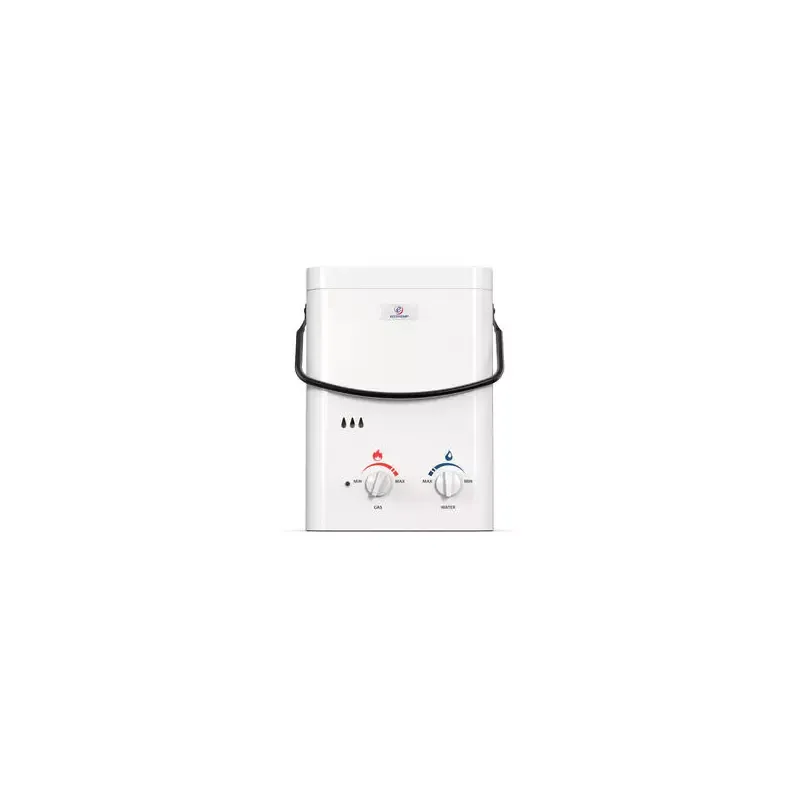
You can avoid most problems by maintaining the correct water pressure and keeping the unit clean. The following table helps you match your current situation with the right correction.
| If you’re doing this | Do this instead | Why |
|---|---|---|
| Using a long hose | Use a shorter, thicker hose | Shorter hoses reduce pressure loss |
| Storing outside | Store in a dry, warm place | Cold weather can freeze internal parts |
| Ignoring the filter | Debris prevents the water sensor trigger | |
| Using cheap batteries | Use high-quality alkaline batteries | Better power keeps the spark strong |
| Leaving gas attached | This prevents leaks during storage |
Most users fail by ignoring the intake screen. If your water flow feels sluggish, check the mesh filter before adjusting your plumbing. A clogged screen often mimics a failing pump, leading many to buy unnecessary replacement parts.
If you live in a hard water area, mineral buildup happens faster. Flush the system with a vinegar solution based on your specific usage patterns; consult your owner’s manual for the recommended maintenance schedule. If the unit makes a rattling sound, you’re likely dealing with scale deposits. In that case, increase your cleaning frequency to prevent permanent valve damage.
Frequently asked questions
How long should the batteries last?
Batteries typically last three to six months depending on usage. Replace them if the ignition spark slows or the clicking sound weakens. Always use fresh alkaline batteries for consistent voltage.
Is it safe to use this indoors?
No, this unit is designed strictly for outdoor use and must never be operated in enclosed spaces. The heater produces carbon monoxide, which is a colorless, odorless, and fatal gas. Always mount the unit in a well-ventilated area away from flammable materials.
Why does the water get too hot?
Water temperature rises too high when the flow rate is too low for the burner setting. Increase the water flow by opening the faucet further or adjusting the gas knob to the low position.
How do I bleed air from the gas line?
You bleed air by cycling the water flow on and off until the heater lights. This process pushes trapped air out of the hose and into the burner. If the unit fails to light after multiple attempts, check all hose connections for leaks.
What happens if the unit gets wet?
If the outer casing gets wet from rain, it’s usually fine, but you must keep the battery compartment and internal electronics dry. If you suspect water has entered the battery box, remove the batteries and dry the compartment thoroughly with a soft cloth before attempting to turn the unit on again. Never spray the unit directly with a hose, as water entering the ventilation slots can damage the sensitive ignition sensor.
Can I use this with a pump?
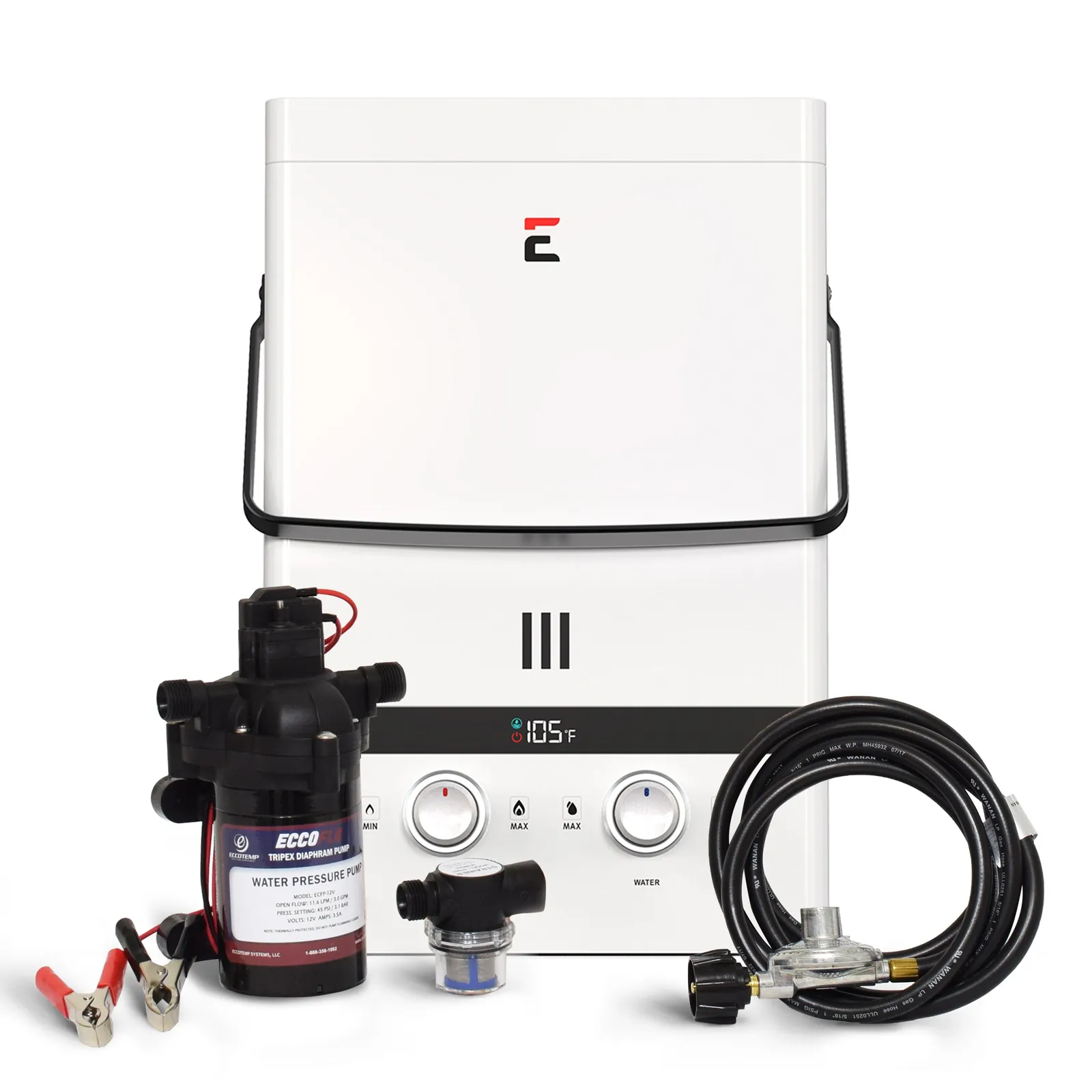
Yes, you can use a small water pump if it provides a consistent flow rate. The unit requires at least 0.5 gallons per minute to activate the internal switch. Ensure your pump maintains this flow against the heater’s internal resistance.
Conclusion
If these simple checks don’t resolve the problem, don’t hesitate to reach out to the manufacturer’s support team for further guidance. They’ll help you determine if a specific part needs replacing. Keeping your unit well-maintained ensures you’ll have a reliable supply of hot water whenever you need it most.