You can resolve a heating failure by using fenwal ignition module troubleshooting to check your power supply, gas valve, and flame sensor status. The most common cause is a simple lack of power or a blocked sensor, which prevents the system from starting the ignition cycle. If your unit isn’t turning on, you should first verify that the wall switch and the circuit breaker are both in the “on” position. These modules are safety-critical components, so if you can’t find a clear external reason for the failure, contact a qualified service technician.
Diagnosing Fenwal ignition module failures
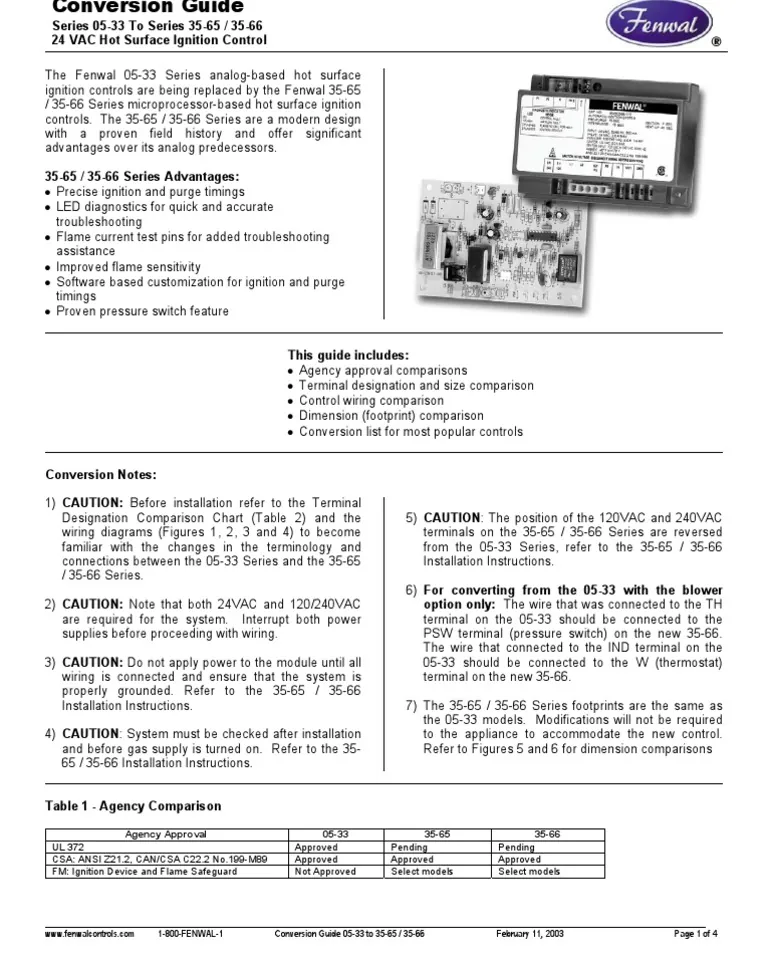
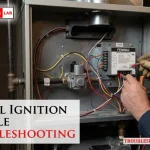
The module acts as the brain for your heating system, controlling the sequence of gas flow and spark generation. When it detects a problem, it often enters a lockout state to prevent gas from leaking into your home. This is a safety feature, not a sign that the part is broken. If the module doesn’t see a flame after a few seconds, it shuts down the gas valve immediately.
Most failures happen because the module can’t confirm the presence of a flame or lacks the voltage to operate the spark. Dust, soot, or carbon buildup on the flame sensor is a very common culprit. The sensor is a small metal rod that sits in the path of the burner flame. If it’s dirty, it can’t send the electrical signal back to the module to prove the fire is lit.
Another frequent cause is poor electrical grounding. These modules need a solid metal-to-metal connection to the chassis to function. If the ground wire is loose or corroded, the module might act erratically or fail to spark entirely. Finally, check that your gas supply is fully open. If the gas pressure is too low or the valve is stuck, the burner can’t ignite, and the module will stop the process to avoid a hazard.
Check the thermostat and power settings
If your system isn’t responding, start by ensuring the thermostat is set at least five degrees above the current room temperature. If the thermostat is set too low, the module will never receive the signal to begin the heating cycle. Check your furnace power switch, which is usually located on the side of the furnace unit. People often turn this off by mistake during routine cleaning, and it prevents the control board from receiving any electricity.
If you have confirmed the power is on, look at the furnace blower motor. If the blower doesn’t start, the module may be waiting for a signal from the pressure switch. This switch confirms that the vent pipes are clear and the air is moving correctly. If the exhaust vent is blocked by debris or ice, the pressure switch will stay open, and the module won’t allow the ignition sequence to start.
It’s helpful to listen for the sound of a small internal fan or the clicking of a relay when you turn up the heat. If you hear absolutely nothing, the issue is likely incoming power.
If you hear a click but no spark, the module may be waiting for a signal that never arrives. If you aren’t comfortable working near electrical components or gas lines, stop immediately and call a licensed professional to avoid the risk of fire or carbon monoxide exposure.
Inspect the flame sensor for buildup
The flame sensor is a thin, metal rod that sits inside the burner assembly. Over time, it collects a layer of oxidation or soot that acts as an insulator, blocking the electrical current. This prevents the module from “seeing” the flame. If the sensor is dirty, the module will ignite the burner but shut it off within a few seconds because it thinks the fire failed to light.
To check this, find the single wire connected to the sensor rod near the burner. If you see a heavy coating of white or grey dust on the rod, it’s likely the cause of your system short-cycling. You can use a fine-grit sandpaper or a clean scouring pad to gently wipe the rod until the metal looks shiny again. Don’t use steel wool, as it can leave behind metallic fibers that cause short circuits.
Only perform this check if you can easily reach the sensor without removing panels that require tools you don’t have. If the sensor is cracked or the ceramic base is broken, you can’t repair it; the component must be replaced. If the burner still shuts off after you clean the rod, the issue might be a weak gas valve or a failing module circuit. In these cases, you’ll need a technician to test the electrical resistance of the parts.
Evaluate the gas supply and venting
If the system attempts to light but fails, the gas supply might be restricted. Ensure the gas shut-off valve near the furnace is in the fully open position. If you recently had the gas turned off for maintenance, air might be trapped in the lines. It can take several attempts for the module to purge the air and get a steady flow of gas to the burners.
Check the exterior of your home where the furnace vents are located. If the intake or exhaust pipes are blocked by leaves, snow, or bird nests, the furnace won’t start. The module is programmed to wait for a “clear” signal from the pressure switch before it opens the gas valve. If the vent is even partially blocked, the system remains in a safe standby mode to prevent dangerous exhaust gases from entering your home.
If you suspect a vent blockage, don’t attempt to clear internal chimney flues yourself. A blockage deep inside the venting system requires specialized equipment to ensure the flue isn’t damaged. If the system still doesn’t light after you have checked for external obstructions, the gas valve or the module itself may be faulty. These internal parts aren’t user-serviceable and require a technician to verify the voltage output.
Common mistakes during troubleshooting
- Replacing the module immediately: Many people assume the module is bad when it’s actually just a dirty sensor or a tripped pressure switch, which wastes money.
- Ignoring the fault codes: Most modules have a small LED light that blinks a specific pattern to tell you what is wrong; skipping this code means you’re guessing at the fix.
- Using abrasive tools on sensors: Using rough files or heavy steel wool ruins the surface of the flame sensor and shortens its life significantly.
- Bypassing safety switches: Never try to jump or bypass a pressure switch or a limit switch, as these exist to stop the unit from overheating or leaking gas.
Keeping the system running correctly
The best way to prevent future issues is to keep your furnace area clean and ensure your air filters are changed regularly. A dirty filter restricts airflow, which causes the furnace to overheat and triggers the limit switches to shut down the module.
| If you’re doing this | Do this instead | Why |
|---|---|---|
| Using a rough file | Use fine-grit sandpaper | Files damage the sensor surface |
| Ignoring the LED light | Write down the blink pattern | It tells you the exact error |
| Ignoring the vent | Check for outdoor blockages | Blocked vents trigger safety lockouts |
| Bypassing the switch | Call a professional | Bypassing creates a fire hazard |
Frequently asked questions
Can I reset the module myself?
You can reset the module by turning the power off for 30 seconds to clear the lockout. This forces the unit to restart its diagnostic cycle. Don’t cycle the power more than three times, as this can cause a hard lockout requiring a technician.
How long does a module last?
If your module is over 15 years old and experiencing frequent failures, it’s more cost-effective to replace the unit than to pay for repeated service.
How do I know if the module is bad?
You can suspect a faulty module if the gas valve clicks but the spark never fires. Another sign is the absence of LED fault codes when power is confirmed. Don’t assume the module is bad until a technician verifies the thermostat and pressure switch.
Is it safe to leave the furnace on?
If you hear clicking or smell gas, turn the furnace power switch off immediately. If the gas odor is strong, leave your home and call the utility provider. If there’s no smell, keep the unit off until a professional arrives for your service appointment.
What happens if I ignore the error code?
Ignoring error codes prevents your home from heating and may mask a serious safety issue. These codes identify exactly which component is failing to respond. Running a system in a fault state can permanently damage the internal relay and lead to costly repairs.
Can I replace the module myself?
You shouldn’t replace the ignition module yourself because it involves high-voltage wiring and gas valve control. Improper installation can lead to gas leaks or electrical fires. Always hire a licensed HVAC professional to ensure the unit is grounded and meets all safety codes.
Conclusion
If your system still won’t fire up, don’t keep trying to force it. It’s best to call a local HVAC professional who can safely inspect the internal wiring for you. They’ll have the right tools to get your home warm again, so you won’t have to worry about the cold tonight.