Is your GE electric oven acting up when you need it most? Whether it’s not heating properly, the timer won’t work, or the display is acting strange, these problems can be frustrating.
You rely on your oven every day, so when something goes wrong, it feels like a major setback. But don’t worry—you’re not alone, and many common issues have simple fixes. You’ll discover easy, step-by-step troubleshooting tips to get your GE electric oven back to perfect working order.
Keep reading, and you’ll learn how to save time, avoid costly repairs, and bring your oven back to life.

Credit: paradiseapplianceservice.com
Common Ge Oven Issues
GE ovens are popular for their quality and features. Still, they sometimes face common issues. Knowing these problems helps you fix your oven faster. It also keeps your kitchen running smoothly. Below are typical problems many GE oven owners face.
Oven Not Heating
Your oven may fail to heat up at all. This issue often comes from a faulty heating element or a broken thermostat. Check if the power supply is stable. Sometimes, a blown fuse or tripped circuit breaker causes this problem.
Inaccurate Temperature
The oven heats but the temperature feels wrong. This can ruin your cooking results. A common cause is a bad temperature sensor. Calibrating the oven might help. If not, replacing the sensor is necessary.
Self-cleaning Problems
Many GE ovens have a self-clean feature. Sometimes, this function stops working. The lock mechanism might fail to engage. Dirt or grease can block the cleaning cycle. Resetting the oven or cleaning the door latch often fixes this.
Door Won’t Close Properly
A door that does not close tightly can cause heat loss. This makes cooking slow and uneven. Hinges may be bent or springs broken. Inspect the door seal for damage. Replace any broken parts for a snug fit.
Error Codes Explained
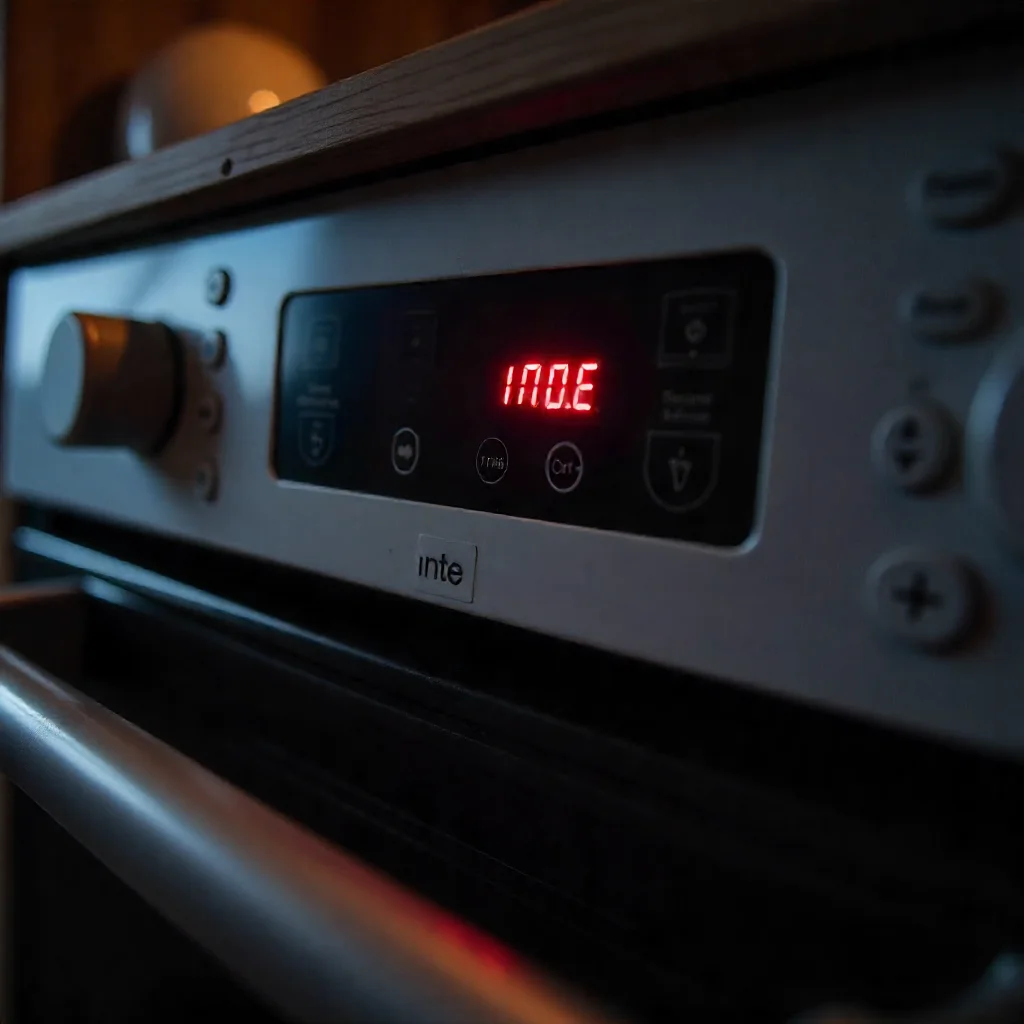
GE ovens show error codes on the display. These codes help identify specific problems. For example, F1 or F2 indicate sensor issues. F9 often means a door lock problem. Look up your oven’s manual for code meanings. Knowing the code speeds up repairs.

Credit: www.youtube.com
Quick Fixes For Heating Problems
Heating problems in a GE electric oven can stop your cooking fast. Many issues have easy solutions. Quick fixes help save time and avoid costly repairs. Check these simple steps before calling a technician.
Checking The Power Supply
Start by making sure the oven gets power. Check if the oven is plugged in correctly. Look at the circuit breaker; it may have tripped. Reset the breaker if needed. Also, test the outlet with another device. No power means the oven won’t heat.
Inspecting The Heating Elements
The heating elements make the oven hot. Open the oven door and look inside. See if the elements have breaks or burn marks. Use a multimeter to test for continuity. Broken elements need replacement to fix heating problems.
Testing The Thermal Fuse
The thermal fuse stops the oven from overheating. If it blows, the oven won’t heat. Find the fuse in the oven’s wiring. Use a multimeter to check if it is good. Replace a blown fuse to restore heat.
Resetting The Oven Control
The oven control board manages heat settings. Sometimes it needs a reset to work right. Turn off the oven and unplug it for one minute. Plug it back in and turn it on. This simple reset can fix control errors and heating issues.
Solving Temperature Inconsistencies
Temperature inconsistencies in a GE electric oven cause uneven cooking. Food may burn on one side while staying raw inside. Fixing this problem improves cooking results and saves energy. Simple steps can restore the oven’s temperature accuracy quickly.
Start by checking the oven thermostat and temperature sensor. Often, these parts need calibration or replacement. Avoid common user mistakes that affect oven temperature. Understanding these solutions helps keep your oven working well.
Calibrating The Oven Thermostat
The thermostat controls oven temperature. If it is off by just a few degrees, food will cook unevenly. Use an oven thermometer to check real temperature. Compare it with the oven’s set temperature. Adjust the thermostat settings following the user manual. Calibration fixes small errors without costly repairs.
Replacing The Temperature Sensor
The temperature sensor tells the oven how hot it is inside. A faulty sensor gives wrong readings, causing temperature problems. Find the sensor inside the oven cavity. Test it with a multimeter for proper resistance. Replace it if readings are out of range. A new sensor ensures accurate temperature control.
Avoiding Common User Mistakes
Opening the oven door too often lets heat escape. This changes the oven temperature and cooking time. Avoid overcrowding the oven with many dishes. Good air circulation helps keep temperature steady. Preheat the oven fully before baking. These simple habits reduce temperature inconsistency.
Credit: smartapplianceservices.com
Handling Self-cleaning Mode Issues
The self-cleaning mode on your GE electric oven saves time and effort. It uses high heat to burn off food residue and grease inside the oven. Sometimes, issues may stop this mode from working properly. Understanding how to handle these problems helps keep your oven clean and working well.
Troubleshooting Locking Mechanism
The oven door locks during self-cleaning for safety. If it does not lock, the cleaning cycle won’t start. Check if the door latch is stuck or dirty. Clean around the latch with a soft cloth. Avoid using harsh chemicals. Press the door firmly to make sure it closes completely. If the lock still fails, the door lock motor might need repair or replacement.
Dealing With Error Messages
GE ovens show error codes if self-cleaning fails. Write down the code shown on the display. Look up the code in your oven’s manual or on the GE website. Common errors include door lock problems or temperature sensor issues. Reset the oven by turning it off and on. If the error repeats, call a professional technician for help.
Manual Cleaning Alternatives
Use manual cleaning if self-cleaning mode is not an option. Remove oven racks and soak them in warm, soapy water. Use a soft sponge and baking soda paste for the oven interior. Avoid abrasive tools to prevent damage. Wipe all surfaces with a damp cloth. Manual cleaning keeps your oven fresh without using high heat.
Fixing Door And Seal Problems
Fixing door and seal problems is important for your GE electric oven’s performance. A door that does not close well wastes heat and raises cooking times. Seals that are damaged cause heat to escape, making the oven less efficient. Simple fixes can help keep your oven working right and your food cooked evenly.
Aligning The Oven Door
Check if the oven door closes evenly. Sometimes the hinges become loose or bent. Tighten the screws on the hinges to fix this. If the door is misaligned, gently lift and adjust it. Make sure the door sits flat against the oven frame. A well-aligned door stops heat from escaping.
Replacing Door Gaskets
Door gaskets seal the oven and keep heat inside. Over time, gaskets can crack or wear out. Remove the old gasket by pulling it off gently. Clean the area where the gasket sits. Press the new gasket firmly into place. A new gasket improves heat retention and saves energy.
Ensuring Proper Door Latch Function
The door latch holds the oven door closed during use. If the latch is loose or broken, the door may not close fully. Check the latch for damage or wear. Tighten any loose parts or replace the latch if needed. A working latch keeps the door secure and the oven safe.
When To Call A Professional
Knowing when to call a professional for GE electric oven troubleshooting saves time and prevents damage. Some problems need expert care. Trying to fix serious issues alone can be risky. A skilled technician can diagnose and repair safely and correctly.
Safety Precautions
Electric ovens use high voltage. This can cause shocks or fires. Always unplug the oven before any checks. Avoid touching wires or electrical parts. If unsure about safety, stop and call a professional. Protect yourself and your home from harm.
Identifying Complex Repairs
Complex problems include faulty wiring, broken heating elements, or control board issues. These need special tools and skills. Simple issues like a blown fuse or a stuck door latch can be fixed at home. For anything beyond, a technician should handle the repair.
Choosing The Right Technician
Pick a technician with experience in GE ovens. Check reviews and ask for certifications. A good technician will provide a clear estimate. Choose someone who offers a warranty on repairs. This ensures reliable service and peace of mind.
Frequently Asked Questions
Why Is My Ge Electric Oven Not Heating Up?
A common cause is a faulty heating element or broken thermostat. Check these parts for damage or wear. Replace any defective components to restore heat.
How Do I Reset My Ge Electric Oven?
Turn off the oven power at the circuit breaker for one minute. Then, switch it back on. This simple reset can fix many minor issues.
What Causes Uneven Baking In A Ge Electric Oven?
Uneven baking often results from a dirty or faulty convection fan. Also, incorrect rack placement can affect heat flow. Clean and adjust racks for better results.
Why Does My Ge Oven Display Error Codes?
Error codes signal specific problems like sensor faults or wiring issues. Consult your oven’s manual to identify the code meaning. Follow recommended steps to fix the error.
How Can I Fix A Ge Oven Door That Won’t Close Properly?
Check for debris or warped door seals blocking closure. Clean the door edges and inspect the hinges for damage. Adjust or replace parts to ensure a tight seal.
Conclusion
Troubleshooting your GE electric oven can save time and money. Start by checking simple issues like power and settings. Clean the oven regularly to avoid common problems. Use the manual to understand error codes and parts. If problems persist, call a professional for help.
Small fixes often restore your oven’s function quickly. Keep your oven working well with routine care. Don’t ignore signs of trouble; act early. This way, your oven stays reliable for cooking meals. Easy steps can make a big difference.