Is your Goodman air conditioner acting up when you need it most? Whether it won’t turn on, runs but doesn’t blow cold air, or freezes up unexpectedly, these issues can quickly turn your comfort into frustration.
But before you call for expensive repairs, there are simple troubleshooting steps you can take to identify and often fix the problem yourself. In this guide, you’ll learn how to spot common faults, check key components like the capacitor and filters, and get your Goodman AC back to cooling your home efficiently.
Keep reading—your next easy fix might be just a few steps away.
Common Goodman Ac Issues
Goodman air conditioners are popular for their reliability. Still, they sometimes face common issues that affect performance. Knowing these problems helps you troubleshoot quickly and avoid long downtime.
This section covers typical problems Goodman AC units face. Each issue has clear signs and simple checks to get your AC working again.
Unit Won’t Turn On
The AC unit not turning on is a frequent problem. First, check the circuit breaker to see if it tripped. Next, verify the outdoor disconnect switch is in the “On” position. Dead thermostat batteries may also cause the unit to stay off. Confirm thermostat settings are correct and the power supply is steady.
Fan Runs Without Cooling
The fan running but no cool air often signals a deeper issue. Dirty air filters block airflow, reducing cooling efficiency. Frozen evaporator coils can also stop the compressor from working. Another cause is a failed dual-run capacitor, which prevents the compressor from engaging. Replace filters and test the capacitor to fix this problem.
Outdoor Fan Doesn’t Spin
If the outdoor fan won’t spin, the compressor may overheat. This usually means a failed capacitor or a bad contactor relay switch. Listen for humming or clicking sounds near the outdoor unit. These noises often indicate electrical issues. Testing and replacing the capacitor or contactor may restore fan operation.
Frozen Evaporator Coils
Frozen coils stop your AC from cooling properly. Turn the system off immediately to prevent damage. Switch the fan to the “On” mode to help thaw the ice. Frozen coils often happen due to restricted airflow from dirty filters. Replace the air filter and check for proper refrigerant levels to avoid refreezing.
Basic Troubleshooting Steps
Basic troubleshooting steps help find simple problems fast. They save time and avoid costly repairs. Start with easy checks before calling a professional. Follow these steps carefully to get your Goodman air conditioner working again.
Check Circuit Breakers And Switches
Look at your home’s circuit breaker panel. Find the breaker for the air conditioner. Make sure it is not tripped or turned off. Reset it by switching it off and on again if needed. Also, check the outdoor disconnect switch near your unit. It must be in the ON position.
Inspect Thermostat Settings
Set your thermostat to “Cool” mode. Check the temperature setting is lower than the current room temperature. Replace batteries if your thermostat uses them. Confirm the fan is set to “Auto” or “On.” Wrong settings can stop the AC from running properly.
Replace Dirty Air Filters
Dirty filters block airflow and reduce cooling power. Remove the air filter from your indoor unit. If it looks clogged or dusty, replace it with a new one. Clean filters help your Goodman AC run smoothly and cool your home better.
Reset The System
Turn off your Goodman air conditioner at the thermostat. Switch off power at the circuit breaker. Wait for about 5 minutes. Turn the breaker and thermostat back on. This reset can clear minor faults and restart the system correctly.
Capacitor Testing And Replacement
Capacitors play a key role in the operation of your Goodman air conditioner. They help start the compressor and fan motors. Over time, capacitors can wear out or fail. Testing and replacing a faulty capacitor can restore your AC’s performance. This section guides you through the steps safely and clearly.
Discharging The Capacitor Safely
Before testing, discharge the capacitor to avoid electric shock. Turn off power to the unit at the breaker box. Use an insulated screwdriver to bridge the capacitor terminals. Hold it firmly for a few seconds. This releases stored electrical energy safely. Never touch the terminals directly with bare hands.
Using A Multimeter For Testing
Set your multimeter to the microfarad (µF) setting if available. Disconnect the capacitor from the unit. Attach the multimeter leads to the capacitor terminals. Compare the reading to the value printed on the capacitor label. A reading outside the acceptable range means the capacitor is faulty. Repeat for each terminal if testing a dual-run capacitor.
Replacing A Faulty Capacitor
Purchase a replacement capacitor with the same microfarad rating and voltage. Turn off power to the AC unit again. Remove the old capacitor by disconnecting all wires carefully. Note the wire positions or take a photo for reference. Connect the wires to the new capacitor terminals. Secure the capacitor in place and restore power. Test the unit to confirm proper operation.
Contactor And Relay Checks
The contactor and relay are vital parts of a Goodman air conditioner. They control the flow of electricity to the compressor and fan motor. Faulty contactors or relays can stop your AC from working properly. Checking these parts helps find issues early. It saves time and money on repairs.
Start by inspecting the contactor and relay for signs of damage. Use simple tools to test their function. Knowing when to replace them prevents bigger problems later. Let’s explore how to identify contactor issues, test the relay switch, and decide when replacement is needed.
Identifying Contactor Issues
Look closely at the contactor’s metal contacts. They should be clean and smooth. Burn marks or pitting show wear. The contactor may stick or fail to close properly. This causes the compressor or fan to stop running. You might hear a clicking noise when the contactor tries to work but fails. A weak or broken coil inside the contactor also signals trouble.
Testing The Relay Switch
Use a multimeter to check the relay switch for continuity. First, turn off power to the unit. Remove the relay from the system. Set the multimeter to the resistance setting. Place the probes on the relay terminals. A reading close to zero means the relay works. A very high or infinite reading means the relay is faulty. This test confirms whether the relay can send power correctly.
When To Replace Components
Replace the contactor if you see heavy wear or if it fails testing. A damaged coil or burnt contacts need new parts. Swap out the relay if it shows no continuity. Do not try to repair these parts. Using faulty components can damage the compressor or fan motor. Replacing worn or broken parts keeps your Goodman AC running smoothly and safely.
Handling Pressure Switch Problems
The pressure switch is a key safety device in Goodman air conditioners. It monitors refrigerant pressure to protect the system. Handling pressure switch problems quickly prevents bigger damage. Understanding symptoms and simple checks helps keep your AC running smoothly.
Symptoms Of Pressure Switch Failure
A failed pressure switch may cause the AC to stop working. The unit might not start or shut down suddenly. You might hear clicking sounds near the compressor. Sometimes, the air conditioner runs but blows warm air. These signs indicate a pressure switch problem.
Inspecting Wire Continuity
Check the wiring connected to the pressure switch for damage. Use a multimeter to test wire continuity. No continuity means a broken wire or bad connection. Secure loose wires or replace damaged ones. Proper wiring ensures the pressure switch works correctly.
Addressing Refrigerant Blockages
Blockages in refrigerant lines can cause pressure switch issues. Look for frost or ice buildup on pipes. Low refrigerant flow triggers the pressure switch to cut power. Clear blockages by cleaning coils and pipes. If needed, call a professional to recharge refrigerant safely.
Heat Pump Specific Troubleshooting
Preventive maintenance helps keep your Goodman air conditioner running smoothly. It reduces breakdowns and extends the unit’s lifespan. Simple steps done regularly can avoid costly repairs and improve efficiency.
Regular Filter Replacement
Change your air filter every 1 to 3 months. A clean filter improves airflow and air quality. Dirty filters cause the system to work harder and may lead to frozen coils. Always use the filter size recommended by the manufacturer.
Cleaning Condenser Coils
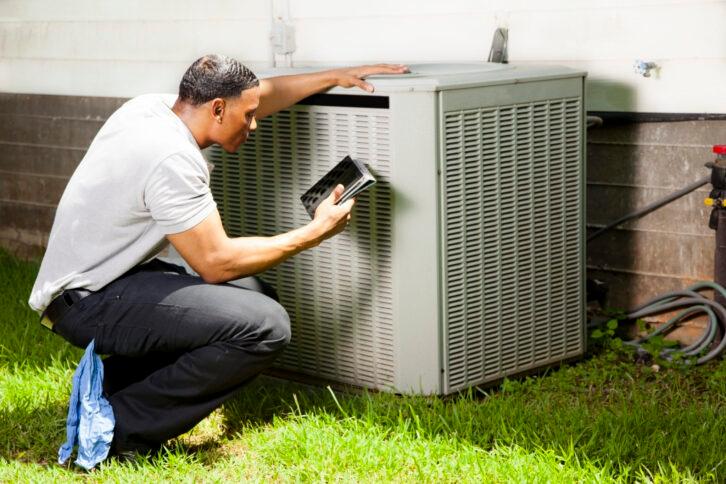
Clear dirt and debris from the condenser coils outside your home. Clean coils help the system release heat effectively. Use a soft brush or garden hose to gently clean the coils. Avoid using high pressure to prevent damage.
Scheduling Professional Inspections
Have a technician inspect your air conditioner at least once a year. Professionals check refrigerant levels, electrical connections, and mechanical parts. Early detection of issues saves money and keeps your AC efficient. Schedule inspections before the cooling season begins.
Frequently Asked Questions
What Are The Common Problems With Goodman Ac Units?
Common Goodman AC problems include unit not turning on, fan running without cold air, humming or clicking noises, and frozen coils. Issues often stem from tripped breakers, dirty filters, faulty capacitors, or thermostat malfunctions. Regular maintenance helps prevent these common failures.
Is There A Reset Button On A Goodman Ac?
Goodman AC units do not have a dedicated reset button. Resetting requires cycling the power at the breaker or outdoor disconnect switch. Always turn off power before troubleshooting to avoid damage or injury.
What Is The First Thing To Check When The Ac Stops Working?
First, check if the thermostat is set correctly and the circuit breaker or outdoor switch is on.
What Is The Lawsuit Against Goodman Ac Units?
The lawsuit against Goodman AC units alleges design defects causing frequent breakdowns and poor cooling performance. Customers claim reliability issues.
Why Is My Goodman Ac Not Turning On?
Check if the circuit breaker is tripped or the outdoor switch is off. Also, verify the thermostat settings and replace dead batteries if needed.
Conclusion
Troubleshooting your Goodman air conditioner can save time and money. Start with simple checks like thermostat settings and power sources. Clean or replace filters regularly to keep airflow steady. Listen for unusual sounds that signal capacitor or relay problems. Frozen coils need immediate attention to avoid damage.
Use a multimeter carefully to test electrical parts when comfortable. Small issues often have easy fixes, but don’t hesitate to call a professional if needed. Keeping your unit well-maintained ensures cool, comfortable air all summer long. Stay patient and methodical for the best results.