
You can solve many common power losses or hydraulic delays by performing basic hitachi excavator troubleshooting to check your fluid levels, air intake, and sensor connections. These machines often struggle because of simple maintenance oversights rather than major mechanical failures. If your machine loses power or displays a warning light, check your engine oil and hydraulic fluid levels before calling for professional help.
Troubleshooting common Hitachi excavator problems

Most operational problems stem from three primary areas: fuel quality, hydraulic system pressure, and electronic sensor feedback. When an engine lacks power, it’s frequently due to a clogged fuel filter or contaminated diesel preventing a clean burn. You should inspect your fuel water separator first, as even a small amount of moisture can trigger an engine de-rate or prevent the machine from reaching full operating speed.
Hydraulic performance issues usually manifest as slow arm movement or an inability to lift heavy loads. This often happens because of restricted hydraulic oil flow or air trapped within the lines. If you notice the boom moves slowly, verify that your hydraulic fluid is clean and filled to the manufacturer’s recommended level on the dipstick. Using the wrong grade of hydraulic oil can also cause the system to run hot, leading to sluggish performance during long shifts.
Electronic sensors on modern machines provide critical feedback to the main controller. If a sensor connection is loose or corroded, the computer may limit engine power to protect the internal components. Always check the wiring harnesses near the engine and pump areas for signs of fraying or disconnected plugs. You can find detailed Hitachi Construction Machinery maintenance guides that explain how to interpret your specific machine’s error codes and service intervals.
Cleaning the air intake system
An engine that struggles to breathe will never reach its peak output. A dirty air filter is the most common cause of black smoke and low power across all models. If the restriction indicator on your air cleaner housing is showing red, you must replace the primary and secondary filters immediately.
To perform this check, turn off the engine and allow it to cool for at least 15 minutes. Open the engine compartment and locate the air filter housing. Unlatch the clips and remove the outer cover to inspect the filter element.
If you see visible dust or debris, remove the filter and gently tap it against a clean surface to dislodge loose particles. Don’t use compressed air to blast the filter, as this can tear the paper media and allow dirt to enter the engine.
If the filter appears dark or heavily saturated with oil, it’s time for a new one. Always use an original equipment manufacturer (OEM) filter to ensure the correct micron rating for your engine.
Once the new filter is installed, secure the cover and reset the air restriction indicator. If your machine continues to show a “low air” warning after a filter change, check the intake piping for leaks or loose clamps that might be letting unmetered air into the combustion chamber.
Inspecting the hydraulic fluid system
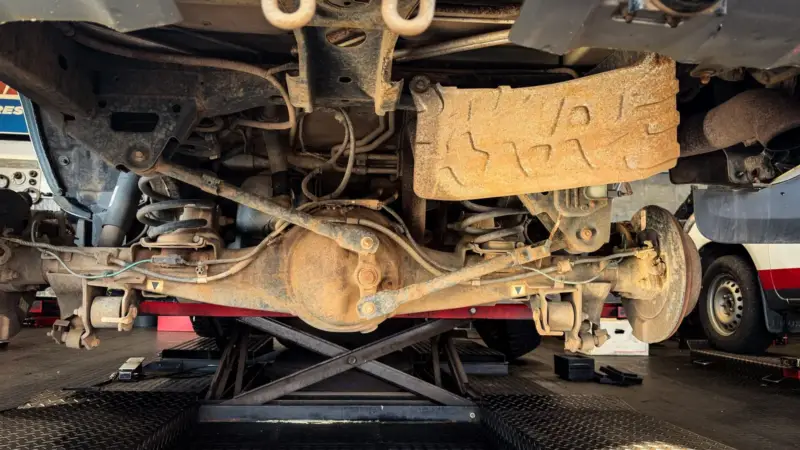
Hydraulic systems require precise pressure to function correctly, and even minor contamination can cause significant delays in cycle times. If your excavator feels “jerky” or loses strength during complex movements, start by checking the hydraulic oil level on the sight gauge. This gauge is typically located on the side of the hydraulic tank and must be read while the machine is on flat, level ground with the boom fully retracted.
If the level is low, add only the fluid grade specified in your operator’s manual. Mixing different types of hydraulic fluid can cause foaming, which leads to erratic operation and potential pump damage. After topping off the fluid, cycle each hydraulic function—boom, stick, bucket, and swing—five times to purge any trapped air from the lines. If the system still feels weak, inspect the hydraulic oil cooler for blocked fins.
Operators often mistake high oil temperatures for pump failure. If the hydraulic oil temperature warning light illuminates, check the cooler fins immediately. Debris from the job site can easily clog the cooler, preventing the oil from shedding heat. Use a soft brush or low-pressure water to clean the cooler fins from the back side, pushing debris out the way it entered.
If you notice visible metal shavings in the oil or on the magnetic drain plug, stop operation immediately. This indicates internal pump wear, and you should contact a certified technician to prevent catastrophic system failure. When checking the filter, look for a dark, burnt smell or a gritty texture. These signs confirm that the pump is shedding material, requiring a full system flush before installing new components.
Troubleshooting electrical sensor connections
Electronic faults often trigger warning lights that confuse operators, yet the fix is frequently a simple connection issue. If your monitor panel shows a persistent error code, start by checking the battery terminals for corrosion. A weak electrical current can cause sensors to report incorrect data to the engine control unit (ECU). Clean any white or green buildup from the terminals using a wire brush and a mixture of baking soda and water.
Next, inspect the wiring harnesses near the main hydraulic pump and engine block. Vibrations from daily operation can cause plugs to work themselves loose or rub against metal brackets. If you find a loose connector, ensure it clicks firmly into place. Use only approved dielectric grease inside electrical plugs to prevent corrosion, as improper lubricants can interfere with signal transmission.
If a specific sensor remains faulty, check the wires for visible nicks or exposed copper. Use electrical tape to cover minor abrasions, but if the wire is severed, you’ll need a professional repair to ensure the circuit remains water-tight. If the error code doesn’t clear after cleaning the connections, the sensor itself may have failed. At this point, avoid further DIY attempts and have a dealer pull the specific diagnostic data to avoid damaging the ECU.
What to avoid during maintenance
Don’t open the high-pressure hydraulic lines while the machine is running. Escaping fluid can penetrate skin instantly, causing severe injury that requires immediate surgical intervention.
Never attempt to adjust relief valve settings yourself. Even a quarter-turn adjustment can cause spikes that lead to structural failure or a total system collapse, effectively voiding your Hitachi warranty.
Avoid using generic hydraulic fluids or uncertified filters. These often fail to meet the specific viscosity requirements of the main control valve, leading to sluggish response times and internal pump cavitation.
Don’t ignore warning alarms or “limp mode” indicators. These triggers are calibrated to save your engine from permanent, expensive damage. Continuing to operate under these conditions usually results in a full engine rebuild rather than a simple sensor replacement.
Never spray water directly into electrical control boxes or the interior monitor panel. Moisture creates microscopic corrosion on circuit boards. If your cab gets dirty, use a damp cloth and a mild cleaner to wipe down surfaces instead of a hose.
Preventing future performance failures

Proper maintenance is the best way to keep your equipment running smoothly during demanding work cycles. You must compare your machine’s current output against its baseline performance metrics found in your service manual. If you notice a drop in speed or power, acting early prevents small issues from becoming major, costly repairs.
| If you’re doing this | Do this instead | Why |
|---|---|---|
| Ignoring daily grease points | Grease every pivot point | Prevents metal-on-metal wear |
| Checking oil while hot | Check on level, cold ground | Ensures accurate level reading |
| Using high-pressure water | Use low-pressure water or brush | Protects sensitive electrical seals |
| Ignoring strange noises | Stop and inspect immediately | Prevents catastrophic pump failure |
| Over-filling hydraulic tank | Fill to the specified mark | Allows room for fluid expansion |
Most operators fail by skipping the daily undercarriage inspection. If you see packed mud or debris around the rollers, clear it immediately. Neglecting this buildup causes the tracks to lose tension and ruins the seals.
If your Hitachi excavator operates in extreme heat, change the hydraulic oil 200 hours earlier than the standard interval. High temperatures break down oil viscosity, which accelerates internal pump wear. When in doubt, check the color of your hydraulic fluid. If it appears milky or dark, moisture has entered the system, and you must replace the filter and fluid to prevent permanent valve damage.
Related guides
- Quantum Power Chair Troubleshooting: Fix Any Issue Fast!
- Power Wheels Troubleshooting:Quick Fixes for Common Issues
- Power Pole Troubleshooting Guide: Quick Fixes for Common Issues
Frequently asked questions
How often should I change the hydraulic oil?
Most manufacturers recommend changing hydraulic oil every 2,000 to 5,000 hours of operation. You should verify the exact interval in your service manual, as dusty or high-heat environments may require more frequent changes.
Why does my excavator lose power when it gets hot?
A loss of power during extended use is usually caused by an overheated engine or hydraulic system. Check the radiator and hydraulic oil cooler for blocked fins that stop airflow. Note that internal leakage can occur if fluid breaks down.
Is it safe to fix a hydraulic leak myself?
No, it isn’t safe to attempt to repair high-pressure hydraulic leaks on your own. Hydraulic fluid under pressure can pierce the skin, which requires immediate medical attention. Always contact a professional technician to replace hoses or fittings.
How long should the engine last before a major overhaul?
A well-maintained engine typically reaches 10,000 to 15,000 hours before requiring a major internal overhaul. This lifespan varies based on your daily maintenance habits, such as regular oil changes and keeping the air intake system clean.
What happens if I use the wrong fuel?
Using low-quality or contaminated fuel will quickly clog your fuel injectors and damage the high-pressure fuel pump. Modern engines are sensitive to sulfur levels and water content, which can lead to poor combustion. Drain the tank immediately if you suspect poor fuel.
Conclusion
If your machine still isn’t running smoothly after these checks, don’t hesitate to reach out to a certified technician. They’ve got the specialized diagnostic tools to pinpoint hidden electrical faults or internal wear. Keeping your maintenance logs updated will make their job easier, so you’ll be back to work in no time.