
You can fix most power issues with a greenworks lawn mower troubleshooting process that starts by checking the safety key and battery connection. If your machine fails to start, the most common cause is a loose battery or a safety key that isn’t fully engaged in its slot. Always ensure the battery clicks firmly into place before you try to start the motor again. If the mower still doesn’t respond, consult your manual for the exact light codes shown on your specific model’s control panel.
Troubleshooting common Greenworks mower problems
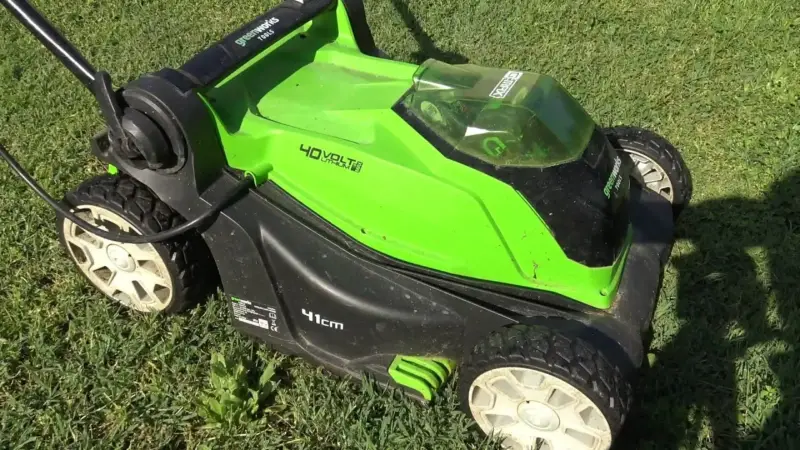
When your machine refuses to start or stops mid-cut, the issue is often a simple disconnect rather than a mechanical failure. The most frequent culprit is the safety key, which acts as a master switch to prevent accidental starts.
If this key is tilted or not pushed in deep enough, the mower will remain dead to protect the user from injury. Another common issue involves the battery terminals. If debris or grass clippings build up inside the battery compartment, the metal contacts can’t create the necessary electrical bridge.
Temperature also plays a role in how your mower behaves. Lithium-ion batteries have internal protection circuits that prevent them from operating if they become too hot or too cold. If you have been mowing in extreme heat or storing the unit in a freezing garage, the battery may refuse to output power until it reaches a safe operating temperature.
You can find the specific temperature ranges for your unit in the Greenworks product manual for your model. If the light on the battery charger flashes red, it usually indicates a communication error or a battery that has entered a protective sleep mode.
Check the safety key and battery
The first step to restore power is to inspect the physical connection points on your mower. Remove the safety key entirely, look for any small sticks or dirt inside the port, and then reinsert it with a firm push until you feel a distinct click. Do the same for the battery pack. If the battery feels loose when it’s locked into the housing, it can’t supply a steady current to the motor.
If you have multiple batteries, try swapping to a different pack that you know is fully charged. This helps you determine if the problem is with the mower itself or just a depleted battery. When you insert the battery, listen for the mechanical click that confirms the locking tab has engaged.
If the mower starts for a second and then stops, the battery might have just enough power to wake the electronics but not enough to spin the blade under load. A battery showing a solid red light on the indicator after a full charge cycle often signals an internal cell failure rather than a connection issue.
If the battery housing feels warm to the touch, let it cool for thirty minutes before attempting a restart. If you aren’t comfortable inspecting the electrical housing or if you see burnt plastic near the battery port, stop immediately and contact an authorized service center. Ignoring these signs of heat damage can lead to permanent failure of the mower’s control board.
Clear the cutting deck of debris
A mower that shuts down suddenly while in tall grass is often struggling against a physical blockage. If the discharge chute or the area around the blade is packed with wet grass, the motor will detect a high-load condition and cut power to prevent the internal electronics from overheating. Before you do anything else, remove the battery and the safety key to ensure the mower can’t start while you’re working near the blade.
Tip the mower on its side, ensuring the air filter side faces up to prevent debris from falling into the motor housing. Use a wooden stick or a plastic scraper to remove the heavy clumps of grass from the underside of the deck.
Never use your bare hands to clear the blades, as they can rotate even when the power is off if there’s residual tension. Once the path for the grass is clear, the motor should be able to spin freely again. If the blade doesn’t turn by hand even after clearing the deck, it’s likely a mechanical obstruction in the drive assembly that requires professional help.
Reset the electronics and motor
Sometimes the control board on your mower experiences a minor glitch that keeps the motor from engaging. To perform a soft reset, remove the battery and the safety key, then hold the start button down for 15 seconds. This drains any residual charge from the capacitors in the control module. After this wait, reinsert the battery and the safety key, and attempt to start the mower as you normally would.
If the mower doesn’t respond, check the bail lever for debris. Grass clippings or twigs often wedge into the pivot point, preventing the switch from fully engaging. Clear the area with compressed air before attempting another reset.
This method works well if the mower was working fine moments ago but suddenly became unresponsive. If you hear a high-pitched beep or see a specific pattern of flashing lights on the handle, check your manual to see what that error code means for your specific model.
Many users mistake a tripped thermal breaker for a dead motor. If you have been cutting thick, wet grass, the mower may have overheated. Wait at least 30 minutes for the internal components to cool before trying the reset process again.
If the mower still fails to start, the issue may lie within the motor controller or the handle switches. These components are sealed for safety and shouldn’t be opened by the owner. If you have verified the battery is good and the deck is clear, but the mower remains silent, it’s time to take the unit to a certified repair shop.
What not to do during troubleshooting
Never spray water or cleaning solvents directly into the battery port or the motor housing. Moisture inside these sensitive areas causes immediate short circuits and permanent damage to the Greenworks electronics. If you need to clean the underside, tip the mower backward onto its rear wheels only.
Don’t attempt to bypass the safety key or the blade-control handle with wires, tape, or zip ties. These are critical safety features designed to prevent life-altering injury. If the mower fails to start, check for debris in the switch housing rather than disabling the mechanism.
Avoid using a battery charger not specifically designed for your Greenworks model. Mismatched voltage ruins the internal battery cells and instantly voids your warranty. Always verify the model number on the charger matches the label on your battery pack.
Never force the blade to rotate by hitting it with a hammer or metal tool. This bends the drive shaft, leading to permanent, violent vibration issues that destroy the motor bearings over time.
Preventing future mower issues
Regular care keeps your mower running efficiently and prevents the common stops that plague many users. Focus your efforts on keeping the battery cool and the deck clean, as these two factors cause the majority of power-related issues. If you notice the mower sounds labored, stop immediately and check the underside of the deck rather than pushing through the resistance.
| If you’re doing this | Do this instead | Why |
|---|---|---|
| Leaving battery in the mower | Remove it after every use | Prevents slow drain and corrosion |
| Mowing wet, thick grass | Mow when grass is dry | Wet grass clogs the motor |
| Storing in a hot shed | Store in a cool, dry area | Heat degrades battery longevity |
| Using a dull blade | Sharpen or replace the blade | Dull blades force the motor to work harder |
Clear the deck of clippings after every single mow. If the mower cuts out unexpectedly, wait fifteen minutes for the internal sensors to reset before attempting a restart.
If you store your mower for the winter, charge the battery to roughly fifty percent. Storing a battery at full capacity for months causes permanent cell damage. Use this rule: if the grass height exceeds the mower’s lowest setting, raise the deck to prevent the motor from stalling under the heavy load.
Related guides
Frequently asked questions
Can I use a different battery in my mower?
No, you must only use a battery designed specifically for your Greenworks model. Using a battery with a different voltage or pin configuration can damage the control board and create a fire hazard. Always match your mower’s model number with the compatible battery series listed on the manufacturer’s website.
How long does a full charge last?
A full charge typically lasts between 30 and 60 minutes of continuous cutting. Runtime depends on the battery’s amp-hour (Ah) rating, with higher numbers generally providing longer performance. Note that cutting tall or damp grass will drain the battery much faster than standard conditions.
Is it safe to tilt the mower?
Yes, it’s safe to tilt the mower if you remove the battery and safety key first. Always tilt the mower with the air intake or filter side facing upward to prevent dirt from falling into the intake. Avoid this if you see fluid leaking from the underside.
What happens if the mower gets wet?
Your mower isn’t waterproof and should never be left out in the rain. If exposed to heavy rain, remove the battery and let the unit dry in a well-ventilated area for 24 hours. Never charge the battery while the mower or contacts are still wet to avoid electrical shorts.
Why does the mower shut off suddenly?
The mower will shut off automatically if the internal temperature sensor detects that the motor or battery is overheating. This safety feature protects internal components from permanent damage caused by excessive strain. Wait at least 15 to 20 minutes for the unit to cool down before restarting.
Conclusion
If these simple checks don’t get your mower running, don’t hesitate to reach out to the manufacturer’s support team. They’ll help you determine if a part needs replacing under your warranty. Keeping your machine in top shape ensures you’ll be ready for the next time the grass starts growing fast.