
To get a chainsaw running again, you should perform homelite chainsaw troubleshooting by checking the fuel freshness, spark plug condition, and air filter cleanliness. If the engine fails to turn over or stalls, the most common issue is old fuel that has degraded over time. When gas sits in the tank for more than 30 days, it can gum up the internal carburetor components and prevent smooth operation. You can find specific maintenance intervals and safety procedures in the Homelite official product support manuals.
Troubleshooting your Homelite chainsaw engine failure
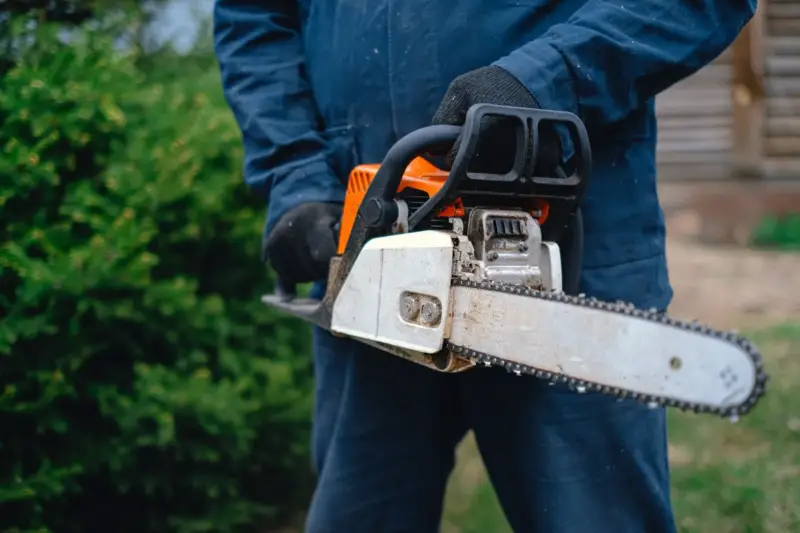
When you notice your tool losing power or refusing to start, the cause is usually related to the fuel system or the airflow. Gasoline containing ethanol attracts moisture from the air, which leads to corrosion inside the fuel lines and the carburetor. If you suspect the fuel is the problem, drain the tank entirely and replace it with fresh, ethanol-free gas mixed with the correct ratio of two-cycle oil.
Another frequent cause is a clogged air filter. If the engine can’t breathe, it will run rich, consume more fuel than necessary, and eventually stall under load. You should inspect the air filter after every few hours of heavy use. If it looks dark, oily, or coated in sawdust, it needs to be cleaned or replaced.
Finally, consider the spark plug. Over time, carbon deposits build up on the electrode, making it difficult for the ignition system to create a strong spark. If the plug looks black or wet, it may be fouled. A simple visual inspection of the plug tip can often tell you if it’s time for a replacement.
If you have replaced the fuel, cleaned the filter, and installed a new spark plug, but the engine still refuses to run, you have reached the limit of basic home maintenance. At this point, the issue likely involves internal carburetor tuning or mechanical wear, which requires a professional technician.
Checking the fuel and ignition systems
The first step in restoring function is to verify the condition of the fuel. Remove the fuel cap and check for a stale or sour smell, which indicates the gas has broken down. If the fuel is more than a month old, don’t attempt to start the engine with it. Empty the tank into an approved container and refill it with fresh fuel mixed at the exact ratio specified in your owner’s manual.
Next, inspect the spark plug for signs of damage or heavy carbon buildup. Use a spark plug wrench to carefully remove the plug from the cylinder head. If the ceramic insulation is cracked or the metal tip is heavily eroded, install a new plug of the exact same type and heat range. Ensure the gap is set correctly according to the manufacturer’s specifications before you tighten it back into place.
If the engine starts but stalls immediately, check the fuel cap vent. If the vent is blocked, a vacuum forms in the tank, preventing fuel from flowing to the engine. You can test this by loosening the fuel cap slightly while the engine is running.
If the engine continues to run smoothly with the cap loose, the cap vent is likely obstructed and requires replacement. Never force these components; if they don’t thread or seat easily, you risk damaging the engine casing.
Cleaning the intake and exhaust paths
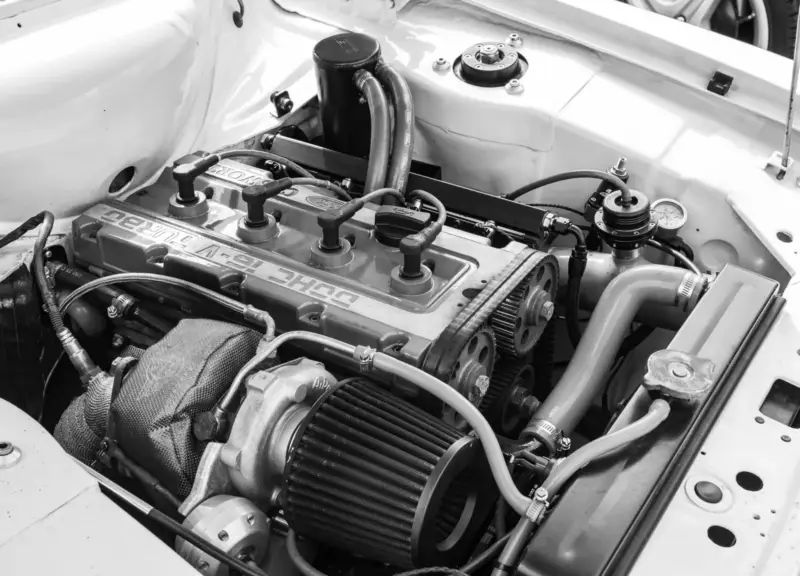
Proper airflow is essential for the engine to maintain consistent power levels during cutting. Start by accessing the air filter compartment, typically located under a cover on the rear or side of the unit. Remove the filter and check for tears or heavy debris that can’t be removed by tapping it against a clean surface. If you see visible damage, replace it immediately, as a torn filter allows grit to enter the engine and cause permanent internal damage.
Once the filter is out, inspect the area around the carburetor intake for any loose sawdust. Use a clean, dry cloth to wipe away debris, but avoid using compressed air, as this can force dirt into the intake port. After cleaning the intake, check the exhaust port or muffler screen. If you see a thick layer of black carbon blocking the screen, the engine can’t exhaust gases efficiently, leading to overheating.
If you lack the proper tools to safely remove the muffler screen, don’t attempt the job. Damage to the cylinder or piston during this process is irreversible and costly to repair. If you’re comfortable, use a small wire brush to gently remove the carbon, but ensure no debris falls into the exhaust port itself. If you can’t clear the blockage, consult a small engine repair shop to have the muffler serviced properly.
When to seek professional repair help
Some issues require tools and diagnostic equipment that aren’t available in a typical home workshop. If you have replaced the fuel, installed a new spark plug, and ensured the air filter is clean, but the chainsaw still fails to start, the problem is likely inside the carburetor.
Carburetors are precision instruments with internal diaphragms and tiny jets that can become permanently blocked by debris. Attempting to disassemble or tune these units without specific training often results in a machine that won’t run at all.
Professional service is also necessary if you notice fuel leaking from the bottom of the unit or if the chain doesn’t stop rotating when the throttle is released. A leaking fuel line is a significant fire hazard, and a clutch that doesn’t disengage is a major safety risk.
If you hear loud knocking sounds from the engine while it’s running, stop immediately. This often indicates internal bearing failure or a damaged piston, which usually means the cost of repair will exceed the current value of the machine. Always prioritize safety over the desire to fix the unit yourself; if a repair involves fuel system seals or internal engine timing, take it to a qualified service center.
Common mistakes in chainsaw maintenance
Using old gasoline: Stored fuel loses its volatility after 30 days, causing hard starts and poor performance. If your Homelite has sat idle for more than a month, drain the tank completely rather than topping it off with fresh fuel.
Ignoring the spark arrestor: A clogged muffler screen traps heat and exhaust, which causes the engine to lose power and overheat. Remove the screen every 25 hours of operation and scrub it with a wire brush to prevent permanent cylinder damage.
Over-tightening the spark plug: Using too much force can strip the threads in the aluminum cylinder head, turning a simple repair into a major engine replacement. Tighten the plug by hand until it seats, then use a wrench for only a quarter-turn more.
Using the wrong oil mix: Using standard motor oil instead of two-cycle oil will cause the engine to seize within minutes of operation. Always use a high-quality two-cycle lubricant specifically formulated for air-cooled engines.
Running with a dirty filter: A blocked air filter forces the engine to run “rich,” which builds up carbon and reduces the lifespan of the piston rings. If the engine bogs down under load, clean the filter element in warm, soapy water before adjusting the carburetor.
Maintaining consistent chainsaw performance
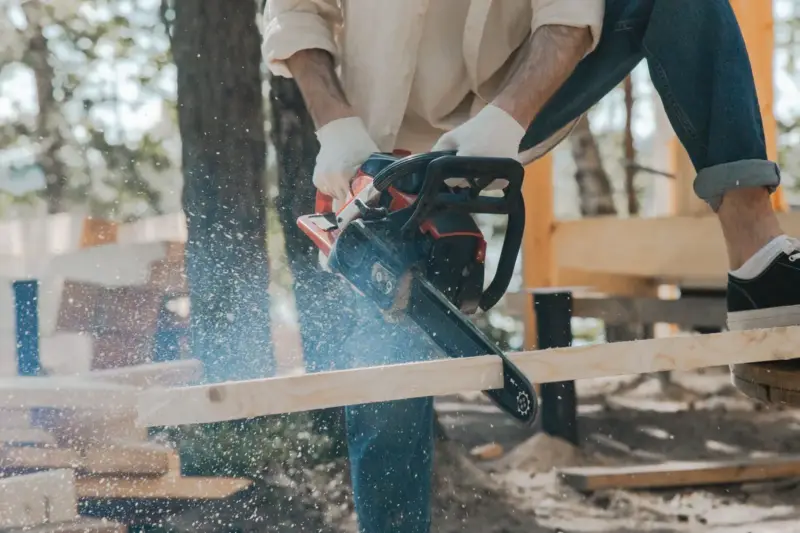
You can prevent most starting issues by changing how you store and handle your equipment. The most important change is to use fresh, stabilized fuel and never leave fuel in the tank during long periods of storage.
If you store your Homelite for more than thirty days, empty the tank completely. Run the engine until it dies to clear the lines. Leaving fuel inside causes the carburetor’s internal diaphragms to harden, which often results in a permanent loss of power.
Always prioritize ethanol-free fuel. Ethanol attracts moisture from the air, creating a corrosive sludge that ruins fuel lines. If you can’t find pure gas, add a high-quality fuel stabilizer immediately after purchase. Don’t wait until the end of the season to treat the supply.
Check the spark plug for signs of wetness. If the tip is soaked in gas, you have flooded the chamber. Remove the plug and pull the starter cord five times to clear the excess fuel before trying again.
Finally, keep the chain razor-sharp. A dull chain forces the engine to work twice as hard, causing internal overheating and premature wear on the clutch assembly.
Related guides
- Stihl Chainsaw Troubleshooting: Solve Common Issues Fast
- Auto Engine Troubleshooting: Quick Fixes for Common Issues
- Engine Starter Troubleshooting: Quick Fixes for Common Issues
Frequently asked questions
How long should a spark plug last on my chainsaw?
A spark plug typically lasts about 100 hours of operation if the engine is tuned correctly. You should inspect it every season and replace it sooner if you notice heavy carbon buildup or a weak spark. Replace the plug immediately if the electrode looks rounded or the ceramic is discolored.
Why does my chainsaw stall when it gets hot?
Stalling when hot is often caused by a blocked muffler screen or an overheating engine. When the exhaust port is restricted by carbon, heat can’t escape, causing the engine to lose compression. Ensure the cooling fins are free of sawdust and debris to allow proper heat dissipation.
Is it safe to use starting fluid to get it running?
No, you should never use starting fluid on a two-cycle engine. Starting fluid lacks the lubrication necessary for internal components and can strip the protective oil film from cylinder walls. This often leads to immediate piston scuffing and permanent engine damage.
What happens if I use the wrong oil-to-gas ratio?
Using the wrong fuel-to-oil ratio almost always results in catastrophic engine failure. Too little oil causes the engine to seize, while too much oil fouls the spark plug and clogs the exhaust. Always check your specific manual for the correct ratio, as it varies between models.
How do I know if the carburetor needs replacing?
If the engine runs with fuel sprayed into the intake but won’t draw from the tank, the carburetor is likely blocked. Internal passages are often too small to clear without specialized equipment. If fuel lines and filters are clean, a new carburetor is usually required.
Conclusion
If your machine still won’t start after these checks, it’s a good idea to take it to a local small engine shop for a professional inspection. They’ll quickly spot hidden mechanical faults you might’ve missed. Keep your equipment clean and stored properly, and you’ll be ready for your next big project.