Is your ice maker acting up when you need it most? Whether it’s not making any ice, producing tiny cubes, or jamming frequently, these problems can be frustrating—especially on a hot day in Austin, Texas.
But before you call a repair service or consider replacing your appliance, there are simple troubleshooting steps you can try yourself. In this guide, you’ll learn how to quickly identify and fix common ice maker issues using easy tips and tricks.
Keep reading to save time, avoid costly repairs, and get your ice maker working smoothly again. Your next cool, refreshing drink is just a few fixes away!
Common Ice Maker Issues
Ice makers often face common problems that disrupt ice production. Understanding these issues helps with quick fixes. Many troubles can be solved without professional help. Regular maintenance also prevents some problems.
No Ice Production
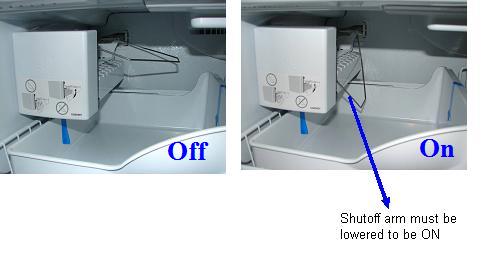
No ice means the machine stops making cubes. Check if the ice maker is turned on. The water supply might be off or blocked. A faulty water inlet valve can stop water flow. Sometimes, the ice maker’s motor or thermostat fails. Power issues may also cause no ice.
Small Or Hollow Ice Cubes
Small or hollow cubes usually mean water flow problems. A clogged water filter reduces water pressure. Kinked or twisted water lines can limit water supply. Low water temperature affects ice size and shape. Replace filters and straighten water lines to fix this. Clean the ice maker regularly to avoid buildup.
Leaking Water
Water leaks come from various sources. The water fill tube might be cracked or loose. A blocked or frozen fill tube causes water overflow. Check the water inlet valve for leaks. Poor door seals let warm air in, causing condensation. Tighten connections and replace damaged parts to stop leaks.
Ice Maker Jammed Or Stuck
The ice maker can jam from ice buildup or mechanical faults. Old or sticky ice cubes may block the ejector arm. Freezer temperature set too low causes ice to freeze together. Remove ice clumps and defrost the machine if needed. Inspect the motor and gears for damage or wear.
Quick Fixes For Ice Maker Problems
Ice makers often face simple issues that you can fix quickly. These quick fixes save time and avoid costly repairs. Many common problems stem from frozen tubes, clogged filters, twisted supply lines, or the need to reset the unit. Follow these easy steps to get your ice maker working again fast.
Thawing Frozen Fill Tubes
Frozen fill tubes block water from reaching the ice mold. Use a hair dryer on low heat to gently thaw the tube. Avoid high heat to prevent damage. Check the tube for ice build-up and clear any blockages. If freezing happens often, inspect the water inlet valve for leaks.
Replacing Water Filters
Clogged water filters reduce water flow and ice production. Locate your filter inside the refrigerator or at the base. Remove and replace it with the correct model for your fridge. Change filters every six months to keep water clean and ice cubes solid. This step improves ice taste and quantity.
Straightening Water Supply Lines
Twisted or kinked water supply lines stop water from reaching the ice maker. Pull the fridge away from the wall to access the line. Straighten any bends or twists carefully. Avoid sharp angles that can pinch the line. This simple fix restores proper water flow and ice making.
Resetting The Ice Maker
Resetting can clear errors and restart the ice making process. Unplug your refrigerator or switch off the circuit breaker for two minutes. Plug it back in and wait for the ice maker to start. Some models have a reset button—press it according to the manual. This step often solves minor glitches quickly.
Testing Ice Maker Components
Testing ice maker components helps find the root cause of problems fast. This step ensures each part works correctly. It prevents guesswork and saves repair costs.
Start by examining key parts like the water inlet valve, ice maker switch, and water supply. These parts often cause issues. Simple tests reveal faults and guide the next steps.
Checking The Water Inlet Valve
The water inlet valve controls water flow into the ice maker. A faulty valve can block water or cause leaks. Listen for a humming sound when the ice maker cycles. No sound means the valve might be broken.
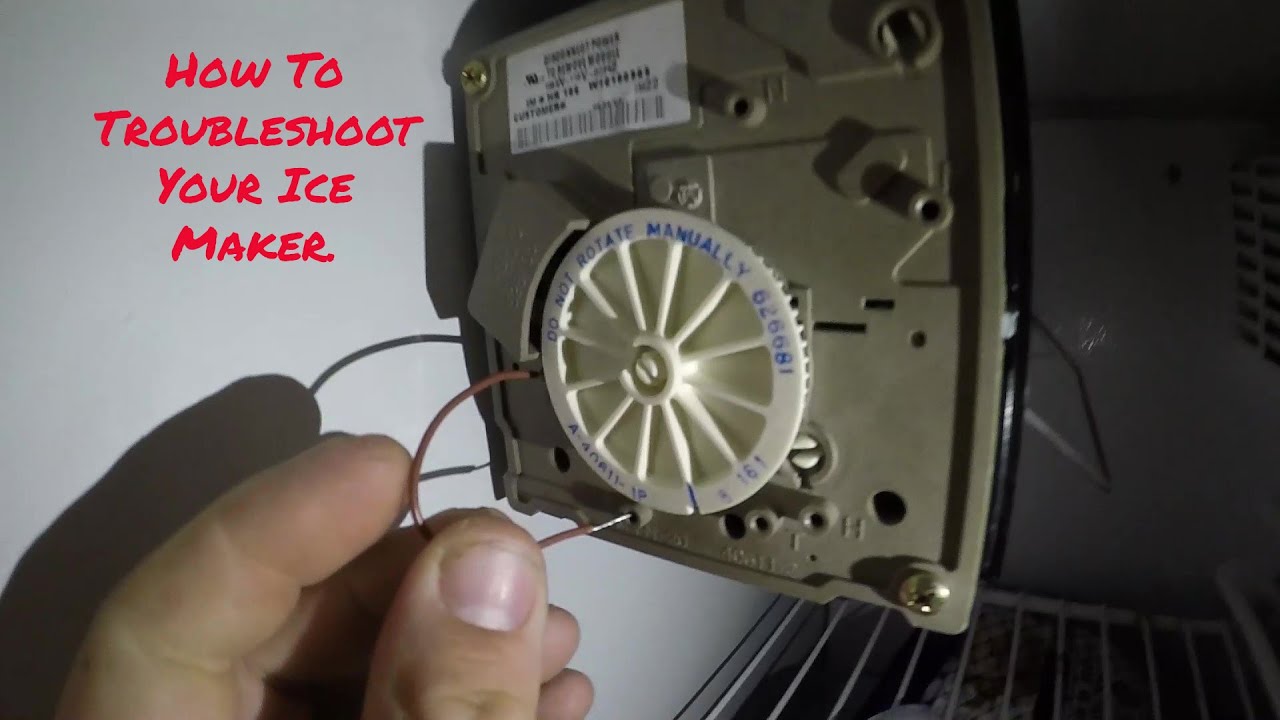
Use a multimeter to test valve continuity. Disconnect power first. Remove the valve and check electrical resistance. If readings are outside the normal range, replace the valve.
Inspecting The Ice Maker Switch
The ice maker switch turns the ice maker on or off. Sometimes it gets stuck or fails. Locate the switch inside the ice maker assembly. Try toggling it to reset the ice maker.
Test the switch with a multimeter for electrical continuity. No continuity means the switch is faulty. Replace it to restore proper function.
Verifying Water Supply Connection
A steady water supply is essential for ice making. Check the water line behind the fridge. Make sure it is not kinked, pinched, or leaking.
Inspect the connection to the inlet valve. Tighten loose fittings. Replace damaged tubing. Turn on water and watch for leaks. Correct water flow solves many ice maker problems.
Reset Techniques
Reset techniques are simple ways to fix ice maker problems. They often solve minor issues quickly. Trying a reset can save time and avoid costly repairs. These methods help restart the ice maker’s system.
Power Cycling The Refrigerator
Power cycling means turning off the fridge and turning it back on. Unplug the refrigerator from the wall outlet. Wait about two minutes before plugging it back in. This pause lets the ice maker’s system reset fully. Power cycling can clear small glitches that stop ice production.
Using The Ice Maker Test Button
Most ice makers have a test button to check if they work. Press and hold the button for a few seconds. The ice maker should start a cycle and make ice. This test shows if the motor and water valve operate correctly. Use this method to diagnose problems fast.
When To Unplug The Refrigerator
Unplug the fridge if power cycling or the test button fails. Leave it unplugged for at least five minutes. This longer reset can clear deeper errors in the ice maker’s control system. After waiting, plug it back in and check the ice maker again.
Maintenance Tips
Keeping your ice maker in good shape extends its life and improves ice quality. Regular maintenance stops common problems early. Simple steps prevent costly repairs and keep your ice fresh and clean.
Regular Filter Replacement
Change the water filter every six months or as the manual suggests. A clean filter stops dirt and minerals from blocking water flow. This keeps ice clear and tastes fresh. Old filters reduce ice production and can cause bad odors.
Cleaning Ice Maker Parts
Wipe down the ice bin and ice maker parts monthly. Use a mixture of warm water and mild soap. Avoid harsh chemicals that damage plastic parts. Dry all parts well before reassembling. Clean parts prevent mold and bacteria buildup.
Preventing Ice Blockages
Check the ice maker’s fill tube for ice blockages regularly. Thaw any ice with a hair dryer on low heat. Avoid using sharp tools to clear blockages. Keep the freezer temperature at the recommended level to prevent freezing issues.

Credit: kismile.com
When To Call A Professional
Knowing when to call a professional for ice maker troubles saves time and avoids frustration. Some problems need expert tools and skills. Trying complex fixes alone can cause more damage. Recognize key signs that show a repair technician is needed.
Persistent Ice Maker Failures
Ice makers that fail repeatedly need professional help. Simple resets or cleaning stop working. Problems like no ice production or constant jams may hide deeper issues. A technician can find the root cause fast.
Complex Repairs
Repairs involving electrical parts or water valves require expert care. Faulty wiring or broken sensors are risky to fix alone. Professionals have the right tools and safety knowledge. Their experience ensures repairs last longer and work correctly.
Finding Local Repair Services In Austin, Texas
Austin has many skilled appliance repair services ready to help. Choose a trusted company with good reviews and fair prices. Check if they specialize in ice maker repairs. Fast local service means less downtime for your refrigerator.
Model-specific Advice
Ice makers vary by brand and model. Troubleshooting steps differ for each type. This section offers advice tailored to popular ice maker brands. Follow specific tips to fix common problems quickly. Understanding your model helps avoid unnecessary repairs.
Samsung Ice Makers
Samsung ice makers often face issues with frozen fill tubes. Check the fill tube for ice blockages. Use a hair dryer on low to melt ice carefully. Replace the water filter regularly to prevent clogs. If ice cubes are small or hollow, inspect the water inlet valve. Reset the ice maker by unplugging the fridge for two minutes.
Whirlpool Ice Makers
Whirlpool ice makers may stop working due to faulty water inlet valves. Test the valve with a multimeter for electrical issues. Clean or replace the water filter if ice production slows. Make sure the ice maker’s arm moves freely and is not stuck. Power cycle the refrigerator to reset the ice maker system.
Kitchenaid Ice Makers
KitchenAid ice makers can jam if the ejector blades are blocked. Clear any ice buildup around the blades carefully. Check the water supply line for kinks or leaks. Replace the water filter on schedule to keep water flow steady. Reset the ice maker using the control panel or by unplugging the fridge.
Frequently Asked Questions
How Do I Reset My Ice Maker?
To reset your ice maker, unplug the refrigerator or turn off the breaker for two minutes. Then, plug it back in or restore power. Some models have a reset or test button—press it after removing the ice bucket. Check the ice maker is turned on before resetting.
What Is The Most Common Reason For An Ice Maker Not Working?
The most common reason an ice maker stops working is a clogged or frozen water fill tube. This blocks water flow.
What Is The Most Common Problem With Ice Makers?
The most common problem with ice makers is a clogged or frozen fill tube, blocking water flow and stopping ice production.
Does Unplugging A Refrigerator Reset The Ice Maker?
Unplugging a refrigerator for two minutes can reset the ice maker by power cycling its system. This often resolves minor glitches.
Why Is My Ice Maker Not Making Ice At All?
The water supply may be off or blocked, stopping ice production. Check the water line and filter for clogs or leaks. Also, ensure the ice maker is turned on.
Conclusion
Troubleshooting your ice maker can save time and money. Simple fixes often solve common problems. Check the water supply, filters, and power first. Keep the fill tube clear from ice blockages. Resetting the ice maker sometimes helps restore function quickly.
If issues remain, consider professional help for complex repairs. Regular maintenance keeps your ice maker working well. Stay patient and follow steps carefully for best results. Your ice maker can work like new again with these tips.