Is your Kenmore 350 water softener acting up and causing you frustration? You rely on this system to keep your water soft and your home running smoothly, so when it stops working right, it can be a real headache.
Don’t worry—this guide will help you quickly spot common problems and fix them yourself. By understanding simple troubleshooting steps, you’ll save time, avoid costly repairs, and get your water softener back to perfect condition. Keep reading to discover easy solutions that anyone can follow.
Common Issues
The Kenmore 350 water softener is reliable but can face common problems. These issues affect water quality and system function. Knowing these problems helps in quick fixes and better care. Below are frequent issues users encounter.
Unit Not Regenerating
The softener may stop regenerating due to power loss or timer errors. Check the power supply and settings first. A blocked valve or faulty motor can also cause this issue. Regular maintenance prevents such failures.
Water Still Hard
Hard water means the system is not softening properly. This happens if the salt level is too low or if the resin beads are exhausted. Check salt levels and add salt if needed. Resin replacement might be necessary after years of use.
Salt Bridge Formation
Salt bridges form when salt hardens inside the tank. This creates a crust that stops salt from dissolving in water. Use a broom handle to break the crust gently. Prevent salt bridges by using the right salt type and keeping the tank dry.
Error Codes Displayed
The display may show error codes signaling specific faults. Each code points to a problem like sensor failure or water flow issues. Consult the manual to understand the codes. Resetting the unit often clears minor errors.
Basic Troubleshooting Steps
Basic troubleshooting steps help fix common issues with the Kenmore 350 water softener. These steps are easy to follow and do not require special tools. Start with simple checks to avoid bigger problems. Regular care keeps the softener working well.
Checking Salt Levels
Salt is key for the water softener to work. Open the brine tank and look inside. The salt should be above the water level. If low, add more salt. Use high-quality salt made for water softeners. Avoid salt bridges, hard crusts that block salt use.
Inspecting Bypass Valve
The bypass valve controls water flow in the softener. Check if it is in the correct position. It should allow water to pass through the softener, not around it. Turn the valve gently to set it right. A wrong position stops softening.
Cleaning The Brine Tank
The brine tank collects salt and water for regeneration. Over time, dirt and sludge build up inside. Empty the tank and rinse it with clean water. Use a sponge or cloth to clean the sides. Clean tanks improve softener performance.
Resetting The System
Resetting the Kenmore 350 can clear errors. Find the reset button on the control panel. Press and hold it for a few seconds. The system will restart and run a test cycle. This often fixes small glitches and restores normal function.
Fixing Regeneration Problems
Fixing regeneration problems in your Kenmore 350 water softener is key to keeping soft water flowing. Regeneration is the process that cleans and recharges the softener’s resin beads. If this process fails, the system won’t remove hard minerals properly. Troubleshooting regeneration issues can restore your softener’s performance quickly.
Manual Regeneration Process
Start by running a manual regeneration cycle. This resets the system and clears minor issues. Locate the control panel and press the regeneration button. Wait for the cycle to complete. This may take around 1 to 2 hours. Manual regeneration helps if the automatic cycle did not start or stopped early.
Cleaning Injector And Venturi
Clogs in the injector or venturi cause regeneration problems. These parts control water flow during cleaning. Remove the injector and venturi carefully. Soak them in white vinegar or mild cleaner. Use a small brush to clear any blockages. Rinse thoroughly and reinstall. Clean parts improve water flow and regeneration efficiency.
Testing Water Pressure
Water pressure affects how well your softener regenerates. Low pressure can stop or slow the process. Use a pressure gauge to check the water pressure at the softener inlet. Ideal pressure usually ranges between 20 and 100 psi. If pressure is too low, check for leaks or closed valves. Fixing pressure issues helps the softener work properly during regeneration.

Addressing Water Quality Issues
Water quality issues can affect the performance of your Kenmore 350 water softener. Poor water quality causes hard water problems like spots on dishes and dry skin. Addressing these issues helps your softener work better and lasts longer.
Testing Water Hardness
Start by testing your water hardness. Use a water test kit from a hardware store. It shows how many minerals like calcium and magnesium are in your water. High hardness means your softener needs adjustment or repair.
Replacing Resin Beads
Resin beads inside the softener trap hard minerals. Over time, they wear out and lose effectiveness. Replace resin beads every few years to keep softening strong. Follow the manufacturer’s guide to change them safely.
Adjusting Hardness Settings
Your Kenmore 350 has settings for water hardness levels. Set the hardness according to your test results. Correct settings improve softener efficiency and save salt and water. Check and adjust these settings regularly for best results.
Maintaining Your Softener
Maintaining your Kenmore 350 water softener ensures it works well for a long time. Regular care prevents common problems and keeps water soft. Simple steps make a big difference in performance and lifespan.
Regular Salt Refills
Salt helps the softener clean hard minerals from water. Check the salt level once a month. Keep the salt tank at least half full. Use high-quality salt for better results. Avoid letting the salt run out completely. This keeps the softener working smoothly.
Seasonal Maintenance Tips
Clean the brine tank every six months. Remove any salt bridges or crusts. Rinse the tank with warm water to clear out residue. Check for leaks and fix them quickly. Inspect the resin beads for wear or damage. These steps keep the softener efficient year-round.
Professional Servicing Schedule
Have a technician check your softener yearly. Professionals test the system and replace worn parts. They can clean hard-to-reach areas inside the unit. Regular service helps spot small issues early. This saves money and avoids bigger repairs later.

When To Seek Help
Knowing when to seek help with your Kenmore 350 water softener can save time and prevent bigger problems. Small issues often fix easily, but some signs need expert attention. Recognizing these signs helps keep your water softener working well.
Persistent Error Codes
Error codes can show what is wrong with your water softener. If the same error code appears again and again, do not ignore it. This means the problem is not fixed. Persistent error codes may signal a serious fault. Contact a professional to avoid damage.
Leaks And Mechanical Failures
Leaks are a clear sign of trouble. Water softeners should not leak during normal use. Mechanical parts can break or stop working. If you see water pooling around the unit or hear strange noises, get help. These problems need a technician to fix.
Warranty And Support Options
Check your Kenmore 350 warranty before any repair. Many problems are covered under warranty. Support options include phone help, online guides, or service visits. Using warranty services can reduce repair costs. Keep your purchase details handy for quick service.
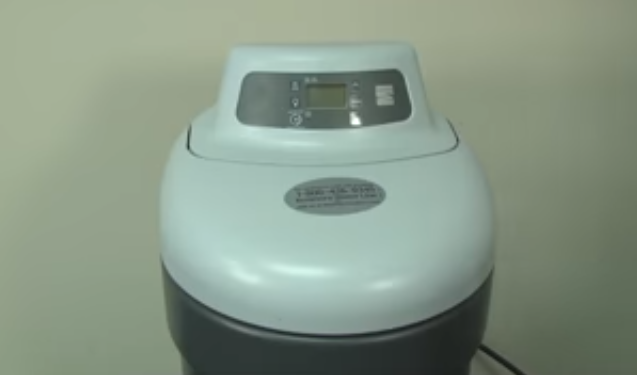
Frequently Asked Questions
How Do I Reset The Kenmore 350 Water Softener?
To reset, unplug the unit, wait 30 seconds, then plug it back in. This clears minor errors and restarts the system quickly.
Why Is My Kenmore 350 Water Softener Not Regenerating?
Check if the salt level is low or if the timer is set incorrectly. Both can stop the regeneration cycle.
How Can I Fix Salt Bridging In My Kenmore 350 Softener?
Break up hardened salt with a broom handle or similar tool. Salt bridges block water flow and stop softening.
What Causes The Kenmore 350 Softener To Leak Water?
Leaks often come from loose connections or cracked parts. Inspect hoses and seals, then tighten or replace them.
How Do I Clean The Resin Tank In Kenmore 350 Softener?
Use a resin cleaner designed for water softeners. Follow product instructions to keep resin beads working well.
Conclusion
Kenmore 350 water softener issues can feel frustrating. Most problems have simple fixes you can try. Check salt levels and clean the resin tank often. Reset the timer or control panel if needed. Regular care helps your softener work well longer.
Small steps save money and prevent bigger repairs. Stay patient and follow basic troubleshooting tips. Your water will stay soft and clear with proper care. Keep these tips handy for quick fixes anytime.