To fix a unit that won’t start or build pressure, you should perform electric hydraulic pump troubleshooting by checking the power source and the fluid level first. Most problems start with a simple power failure or low oil, which are easy to spot. If the motor hums but the pump doesn’t move fluid, the issue is almost always a lack of hydraulic oil or a blocked intake filter.
Troubleshooting electric hydraulic pump pressure failures
The most common reason a system stops working is a simple lack of fluid. When the reservoir is low, the pump draws in air instead of oil. This creates a noisy, cavitating sound and prevents the system from building the pressure needed to operate your tools. Check the sight glass or dipstick on the side of the reservoir to ensure the oil level is within the manufacturer’s specified range.
Another frequent issue is a tripped circuit breaker or a loose power connection. If the motor doesn’t make any sound when you press the start switch, check your wall outlet or the main electrical panel. If the pump is plugged into a power strip or an extension cord, try plugging it directly into a wall outlet. These machines often have high starting currents that can trip standard household breakers.
Finally, look for leaks around the hoses and fittings. A small amount of fluid on the floor indicates a seal or hose failure. If you see a puddle, don’t operate the pump, as low fluid levels can cause the internal components to overheat and seize. Always inspect the exterior of the hoses for cracks or bulges that could burst under pressure.
Safety: Inside a mains-powered machine, the parts behind the outer cover can hold a dangerous electrical charge even after it has been unplugged — that’s why they sit behind a cover. Opening the housing, or testing or replacing anything behind it, is a job for a qualified technician, never a home repair.
Checking the power supply and connections
The first step is to verify that the motor is receiving electricity. If the unit is silent, ensure the power cord is fully inserted into the outlet. If you’re using a GFCI outlet, check the small reset button to see if it has popped out. If the button is pushed in but the unit still doesn’t run, try a different appliance in that same outlet to confirm the circuit is live.
If the pump is hardwired to a dedicated switch, inspect the wiring for any signs of loose connections or burnt insulation. You must never open the electrical housing or touch the internal wiring, as capacitors can hold a lethal charge even after the power is disconnected. If the cord feels hot to the touch or there’s a smell of burning plastic, turn off the power at the breaker immediately and contact a qualified electrician.
This fix is intended for users who can safely verify that their wall outlet is functional. If the outlet works but the pump remains unresponsive, the fault lies within the motor or the internal control board. At this point, the repair requires specialized tools and technical knowledge. Don’t attempt to bypass safety switches or internal fuses, as this will void your warranty and create a serious risk of electrical shock or fire.
Inspecting the hydraulic fluid and intake
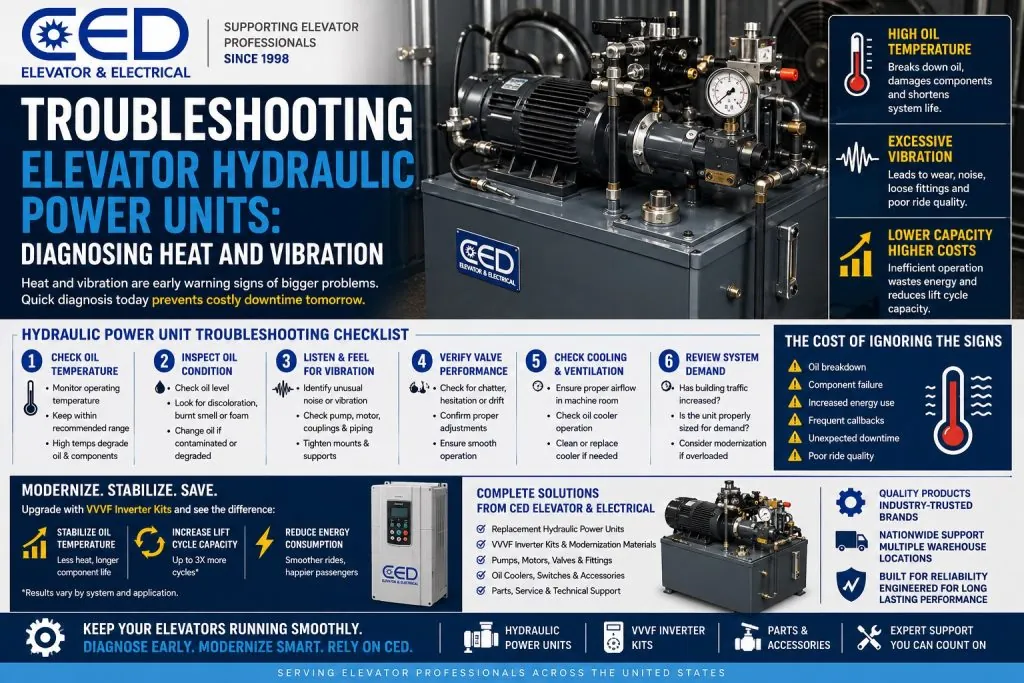
If the motor runs but the pressure gauge stays at zero, you likely have a fluid or intake restriction. First, ensure the reservoir is filled to the mark indicated in your owner’s manual. Using the wrong type of oil can lead to poor performance or damage to the seals, so always check the manual for the specific viscosity grade recommended by the manufacturer.
Next, check for air trapped in the system. Many systems require a manual bleeding process to release air bubbles after a hose change or a period of inactivity. Consult your user guide to find the bleed valve location and the proper method for your specific model. If the pump still fails to build pressure after topping off the fluid and bleeding the air, the internal intake filter may be clogged with debris.
If you’re comfortable with basic mechanical tasks, you can clean the external intake screen if your model has one accessible from the outside. However, if the filter is located deep inside the reservoir, this job is for a professional service center. Trying to disassemble the pump body can lead to permanent damage and leaks that are difficult to seal without the proper factory equipment.
Solving persistent pressure issues
For cases where the pump runs but the pressure drops during use, the relief valve may be set incorrectly or stuck open. The relief valve is a safety feature that prevents the system from over-pressurizing and breaking the hoses. If this valve is dirty or damaged, it will allow fluid to bypass the system and return to the reservoir, meaning no pressure reaches your tool.
If your model allows for external adjustment of the relief valve, you can try tightening it slightly according to the steps in your manual. Only adjust this by small increments, as too much pressure can cause hoses to burst. If the pressure doesn’t increase after a minor turn, stop immediately. Attempting to force the valve beyond its limit can damage the spring seat and render the pump unusable.
This repair isn’t for users who lack experience with high-pressure systems. Hydraulic fluid under pressure can penetrate the skin, causing severe injury that requires immediate medical attention. If you aren’t confident in your ability to adjust the relief valve without causing a leak, take the unit to an authorized service dealer. They have the pressure gauges and testing equipment to set the valve safely and accurately.
What not to do during troubleshooting
Never tighten leaking fittings while the pump is running. The pressure is high enough to inject fluid into your skin, which is a medical emergency requiring immediate surgical intervention.
Don’t use duct tape or electrical tape to patch a leaking hose. These adhesives lack the tensile strength to hold hydraulic pressure. They will burst under load, turning a minor drip into a high-velocity spray that can cause deep lacerations.
Never bypass the relief valve to gain more power. This removes the only safety mechanism protecting the system. If the pressure exceeds the burst rating of your hoses, the entire assembly may explode, leading to catastrophic equipment failure and severe injury.
Don’t add motor oil or transmission fluid to the reservoir. These fluids lack the necessary viscosity index and anti-foaming additives required for hydraulic systems. Using the wrong fluid will cause internal seals to swell and disintegrate, often voiding your warranty within hours of operation.
Never leave a pump running unattended. If a seal fails while you’re away, the pump will drain the reservoir and burn out the motor in under ten minutes, resulting in a total system loss.
Keeping the system running correctly
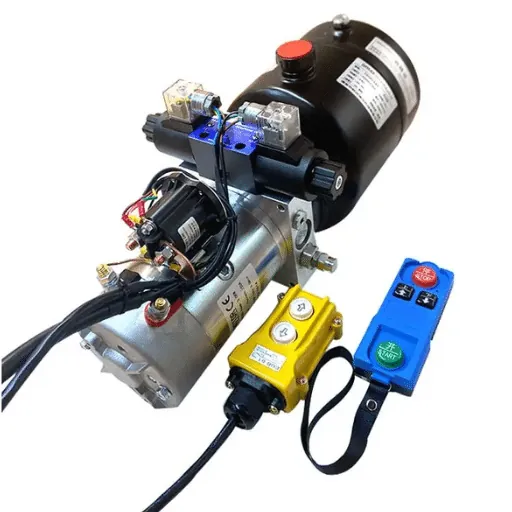
To avoid future failures, you must keep the fluid clean and the connections tight. Hydraulic systems are hyper-sensitive to dust and debris, which can scratch the internal pump parts and ruin the seals. If you notice the oil has turned dark or smells burnt, it’s time for a full fluid change. Always use a clean funnel when adding oil to prevent dirt from entering the reservoir.
The most common mistake is ignoring the filter replacement schedule. Many operators wait for a visible drop in pressure before changing filters, but by then, the damage to the internal valve seats is already done.
If the fluid feels thin or watery between your fingers, it has lost its lubricity and will cause the pump to overheat.
| If you’re doing this | Do this instead | Why |
|---|---|---|
| Leaving the pump outside | Store it in a dry, clean shed | Moisture causes rust in the reservoir |
| Using old, dirty oil | Change to fresh, filtered oil | Particles damage the precision pump gears |
| Tightening leaks while pressurized | Depressurize the system first | Prevents high-pressure fluid injection |
| Ignoring strange humming noises | Stop the pump immediately | Noise often signals early pump failure |
Frequently asked questions
How long does a hydraulic pump last?
A well-maintained pump typically lasts 5 to 10 years depending on usage intensity. Lifespan is primarily determined by total operating hours and fluid cleanliness. Note that units used in dusty or extreme environments will likely require replacement much sooner than those kept in clean conditions.
Can I mix different brands of hydraulic oil?
You should never mix different brands or types of oil to avoid chemical reactions that create sludge. Always use the specific brand and grade of oil listed in your owner’s manual. Mixing incompatible fluids can quickly destroy internal seals and significantly reduce the efficiency of your entire system.
Why is my pump making a loud screeching sound?
A loud screeching or whining sound usually indicates cavitation caused by insufficient oil intake. This is typically triggered by low oil levels, blocked filters, or incorrect oil viscosity. If the noise persists after verifying the oil level and filter, the internal pump bearings may be worn out.
Is it safe to use a pump with a small leak?
No, you should never operate a leaking hydraulic pump because even a small pinhole leak can spray fluid at pressures high enough to pierce skin. A leak also indicates that air is entering the system, which will cause the pump to run hot and eventually fail. If you see fluid dripping from any connection or hose, you must stop the pump and repair the leak before you attempt to use it again.
How often should I check the oil level?
You should check the oil level before every use to ensure optimal performance. Frequent checks allow you to identify small leaks before they cause major damage to the motor or internal components. If the level is consistently low, locate and repair the leak before continuing operation.
What happens if the pump overheats?
Overheating causes internal seals to harden and crack, leading to permanent fluid leaks and pressure loss. This issue is typically caused by excessive run times, incorrect oil, or motor-straining blockages. Once seals are damaged, the pump requires professional servicing to replace components and restore operating capacity.
Conclusion
If these simple checks don’t resolve the issue, it’s time to reach out to a certified technician. Don’t try to open the motor housing yourself, as you could damage the internal seals or void your warranty. Getting a professional’s opinion will keep your equipment running safely and help you avoid costly repairs.