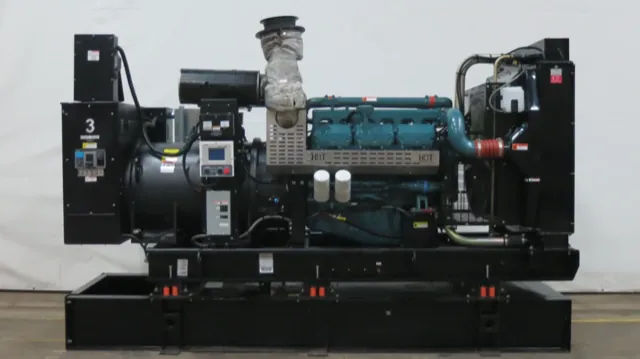
Fixing problems with a Doosan generator quickly prevents minor issues from causing expensive shutdowns. While these industrial machines are durable, they need regular maintenance to manage heavy workloads. A systematic check of the fuel, air, electrical, and cooling systems helps you catch common faults before they lead to major engine damage or costly repairs.
Key Takeaways
- Always verify the fuel level and check for air leaks in the fuel lines before attempting to start the engine.
- Inspect the battery terminals for corrosion, as loose or oxidized connections are the most frequent cause of starting failures.
- Monitor oil levels and coolant temperatures consistently to prevent internal engine damage during peak load operations.
- Ensure the air filter is free of debris to maintain proper fuel combustion and engine efficiency.
- Refer to the specific engine maintenance manual provided by the manufacturer for exact torque settings and fluid capacities.
Safety: Inside a mains-powered machine, the parts behind the outer cover can hold a dangerous electrical charge even after it has been unplugged — that’s why they sit behind a cover. Opening the housing, or testing or replacing anything behind it, is a job for a qualified technician, never a home repair.
Common Starting Problems
Most starting issues originate from the electrical system or fuel delivery path. If the generator cranks but fails to fire, the problem is likely air in the fuel system or a clogged fuel filter. If the generator doesn’t crank at all, the issue is almost certainly electrical.
Electrical System Checks
- Battery Voltage: Ensure the battery is fully charged. A low-voltage battery may turn the starter but lack the amperage to engage the fuel solenoid.
- Starter Solenoid: Listen for a clicking sound. If you hear a click but no rotation, the starter motor or the solenoid may be seized.
- Safety Interlocks: Check that the emergency stop button isn’t engaged and that the main circuit breaker is in the correct position for startup.
Fuel Delivery Issues
- Fuel Quality: Stale diesel fuel can lead to microbial growth, clogging the lines. Always use high-quality, clean fuel.
- Priming: If the fuel system was recently serviced, you must bleed the air out of the lines.
- Fuel Solenoid: This device controls the fuel flow. If it fails to open, the engine will never receive the fuel needed to ignite.
Why Is My Generator Overheating?
Overheating is a critical alarm state that requires an immediate shutdown to prevent permanent cylinder head warping or piston seizure. When the cooling system fails, the engine is forced to operate outside its thermal tolerance.
| Component | Inspection Frequency | Action Required |
|---|---|---|
| Coolant Level | Daily | Top off with manufacturer-specified mix |
| Radiator Fins | Monthly | Clean debris with compressed air |
| Thermostat | Yearly | Test for proper opening temperature |
| Water Pump | Bi-annually | Inspect for leaks or bearing noise |
Warning: Never attempt to remove the radiator cap while the engine is hot, as the pressurized coolant can cause severe steam burns. Always wait for the system to reach ambient temperature before performing any cooling system maintenance.
Engine Performance Diagnostics
If the engine runs but produces smoke, lacks power, or hunts during idle, you’re likely dealing with a combustion or airflow problem. The color of the exhaust smoke is a primary diagnostic tool for determining the root cause of the engine’s struggle.
Interpreting Exhaust Smoke
- Black Smoke: Indicates an overly rich fuel mixture, often caused by a restricted air intake or faulty fuel injectors.
- Blue Smoke: Suggests oil consumption, pointing toward worn piston rings, valve seals, or a failing turbocharger.
- White Smoke: Often signifies unburned fuel or coolant entering the combustion chamber, which may indicate a blown head gasket.
Routine Maintenance Schedule

Adhering to a strict maintenance schedule is the most effective way to avoid long-term mechanical degradation. Doosan engines thrive on consistent lubrication and filter changes, which keep abrasive contaminants away from tight-tolerance internal components.
| Maintenance Task | Service Interval | Key Benefit |
|---|---|---|
| Oil and Filter Change | 250-500 Hours | Reduces friction and heat |
| Air Filter Replacement | 500 Hours | Ensures optimal air-fuel ratio |
| Fuel Pre-filter Drain | 50 Hours | Removes water and sediment |
| Belt Tension Check | 250 Hours | Prevents charging system failure |
Inspecting the Fuel System
The fuel system is the lifeblood of your generator. Even a minor air leak can prevent the engine from building the necessary pressure for the injectors to fire. When troubleshooting, inspect the entire length of the fuel line from the tank to the high-pressure pump.
- Check for Leaks: Look for damp spots on fuel lines or around fittings.
- Filter Integrity: Ensure the fuel filter is tightened to the manufacturer’s specified torque.
- Bleeding Air: Use the manual hand primer pump to force air out through the bleed screw until clean, bubble-free fuel flows out.
Pro Tip: When replacing fuel filters, fill the new filter cartridge with clean fuel before installation. This significantly reduces the amount of cranking required to prime the system and prevents unnecessary wear on the starter motor.
Troubleshooting the Control Panel
Modern controllers manage the engine’s speed and voltage output. If the generator displays an error code, don’t ignore it. The Doosan Engine maintenance guidelines specify that digital faults should be logged and cleared according to the specific controller’s diagnostic menu.
Common Controller Errors
- Low Oil Pressure: Often a sensor fault, but check the physical oil level first.
- High Coolant Temp: Verify the radiator fan is operational and the coolant level is adequate.
- Overspeed: This usually indicates a problem with the magnetic pickup sensor or the electronic governor.
When to Call a Professional
While basic maintenance is within the capability of an onsite operator, certain tasks require specialized equipment and training. If you have exhausted the basic troubleshooting steps and the generator still fails to perform, don’t attempt to disassemble major engine components.
- Internal Engine Noise: Deep knocking or grinding sounds indicate catastrophic mechanical failure.
- Voltage Regulation Issues: If the generator produces power but at the wrong frequency or voltage, the Automatic Voltage Regulator (AVR) or the alternator windings may be damaged.
- Persistent Error Codes: If a fault code returns immediately after being cleared, there’s likely an underlying electrical short or sensor failure.
Air Intake and Exhaust
The engine must breathe freely to maintain its rated output. A restricted air intake starves the engine of oxygen, while a blocked exhaust system prevents the escape of combustion gases, causing backpressure that spikes exhaust gas temperatures.
- Air Filter: Clean or replace the element if you operate in dusty environments.
- Intake Piping: Check for cracked rubber hoses or loose clamps that allow unfiltered air into the intake manifold.
- Exhaust Manifold: Inspect for soot streaks that indicate leaking gaskets, which can be a fire hazard.
Battery and Charging Systems
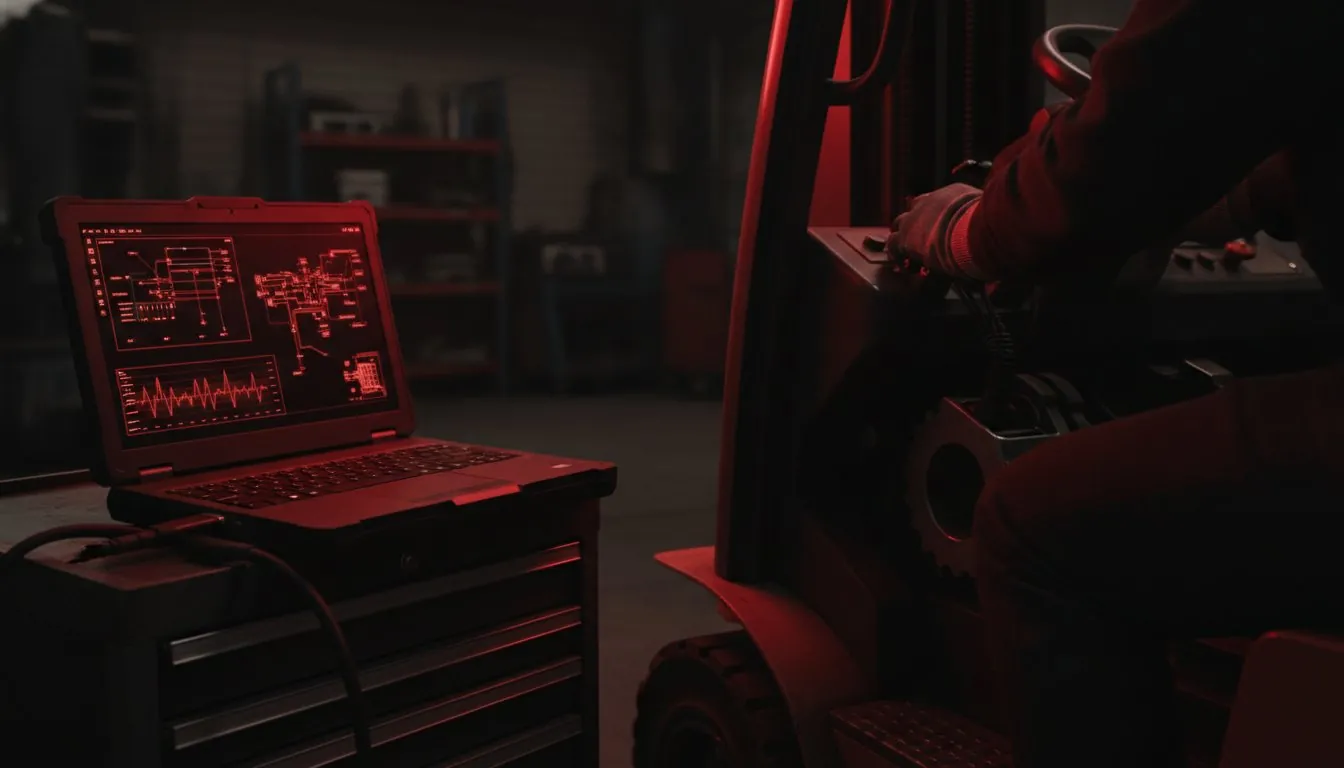
A generator that sits idle for long periods is susceptible to battery sulfation. Even if the generator is used weekly, the battery must be checked for its ability to hold a charge under the load of the starter motor.
- Terminal Maintenance: Clean terminals with a wire brush and apply a thin layer of dielectric grease.
- Charging System: Verify the alternator is outputting between 13.5 and 14.5 volts while the engine is running to ensure the battery is being replenished.
- Cables: Inspect for frayed insulation or signs of heat damage, which increase resistance and cause starting failures.
Frequently Asked Questions
Why does my generator hunt at idle?
Hunting—where the engine speed fluctuates—is usually caused by a faulty governor, a dirty fuel filter, or air trapped in the fuel lines. Start by replacing the fuel filter and bleeding the system. If the problem persists, check the governor linkage for binding or wear. If those components are clear, the issue may be an electronic governor sensor failure requiring professional diagnostic software.
How often should I test the generator?
You should perform a “no-load” test run weekly for at least 15 to 30 minutes to ensure the engine reaches operating temperature. Once a month, you should ideally perform a “load” test, where the generator powers your facility’s equipment. Regular exercise prevents moisture buildup in the alternator windings and ensures the battery remains fully charged, extending the overall lifespan of your generator.
What causes a “Low Oil Pressure” alarm?
This alarm triggers when the oil pressure switch detects a drop below the safety threshold. First, check the oil level on the dipstick. If the level is correct, the oil pressure sensor itself may be faulty. However, if the engine also sounds louder than normal, stop it immediately, as this indicates a genuine loss of oil pressure that can destroy the engine in seconds.
Can I use standard automotive oil?
No, you must use oil that meets the specific viscosity and API service classifications defined in your generator’s operation manual. Industrial engines operate at constant speeds and under different thermal loads than automotive engines. Using incorrect oil can lead to premature wear of the cylinder liners, increased oil consumption, and failure to lubricate the turbocharger bearings effectively under heavy operational stress.
What should I do if the generator fails to stop?
If the generator continues to run after you press the “Stop” button, it’s likely a failure in the fuel solenoid or the control relay. Locate the manual fuel shut-off valve on the fuel line and close it to starve the engine of fuel. Once the engine stops, disconnect the battery to prevent the starter from engaging or the control system from causing further electrical damage.
Conclusion
Regularly inspecting your generator is the best insurance against power loss. By maintaining your fluid levels, monitoring your electrical connections, and addressing small performance changes before they become major faults, you ensure that your equipment remains reliable. If you still encounter persistent issues after following these steps, contact a certified technician to inspect the internal mechanical systems of your unit.