When your appliance stops mid-cycle or refuses to start, finding a reliable hotpoint washing machine troubleshooting guide becomes your top priority to avoid unnecessary service fees. Most common issues with these machines relate to drainage, power supply, or cycle interruptions, many of which you can resolve without professional intervention. By systematically checking your hardware, you can often restore functionality and extend the lifespan of your unit.
Key Takeaways
- Always disconnect the power supply before performing any internal inspections or repairs.
- Check the drain pump filter first if your machine fails to empty water.
- Verify that your door is fully latched, as a faulty interlock will prevent the cycle from starting.
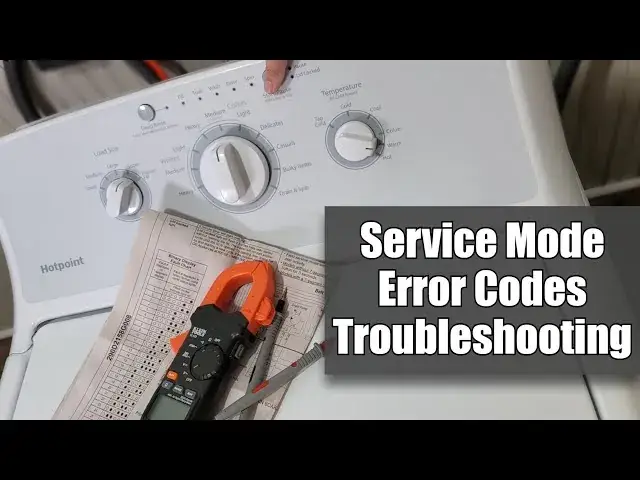
- Use the error code display on your control panel to pinpoint specific mechanical failures.
- Ensure the inlet hoses aren’t kinked or blocked to maintain proper water pressure.
Why Won’t My Machine Drain?
The most frequent cause for a washing machine failing to drain is a blockage in the drain pump filter. Over time, items like coins, hairpins, or lint accumulate in the filter housing, preventing the impeller from spinning. If the pump is clear, inspect the drain hose for kinks or blockages. Ensure the hose isn’t pushed too far into the standpipe, which can cause a siphoning effect.
| Component | Potential Issue | Solution |
|---|---|---|
| Drain Filter | Debris blockage | Unscrew and clean out |
| Drain Hose | Kinks or clogs | Straighten or clear blockage |
| Pump Motor | Electrical failure | Replace the pump unit |
| Standpipe | Incorrect height | Adjust to 24–36 inches |
Warning: Always place a shallow tray under the drain filter door before opening it to catch the residual water that will inevitably spill out.
How to Fix Power Issues
If your machine has no lights or response, verify the power source. Check your home’s electrical panel to see if a circuit breaker has tripped or a fuse has blown. If the power outlet is functioning, inspect the power cord for signs of fraying or damage.
Occasionally, the control board may experience a glitch; try unplugging the machine for ten minutes to perform a hard reset. If the unit remains unresponsive after this, the main interface may require professional diagnostic testing.
Dealing With Door Lock Failures
Modern Hotpoint washers utilize a sensitive door interlock mechanism that must be fully engaged for the machine to operate. If you hear a clicking sound but the cycle fails to start, the latch may be misaligned or the internal switch may be faulty. Inspect the door seal for debris that might prevent a tight closure. If the seal is clean, ensure the door catch isn’t loose or damaged.
Resolving Water Intake Problems
When a machine fails to fill with water, the issue usually lies with the water supply or the inlet valves. First, ensure the water faucets behind the machine are turned fully to the open position. Check the inlet hose filters—the small mesh screens located at the connection points—as these can become clogged with mineral deposits or sediment. If the valves are clear, check for a kinked hose that’s restricting flow.
Common Error Codes Explained
Hotpoint machines often display codes on the digital interface to identify faults. These codes serve as a direct communication from the machine’s internal sensors.
| Error Code | Meaning | Immediate Action |
|---|---|---|
| F01 | Motor circuit fault | Check motor connections |
| F05 | Pump or drain issue | Clear drain pump filter |
| F08 | Heater circuit failure | Inspect heating element |
| F12 | Communication error | Reset control board |
Pro Tip: Write down the exact code displayed on your screen before searching for specific repair videos, as this significantly narrows down the potential hardware components involved.
Addressing Excessive Vibration Issues
A machine that “walks” across the floor or makes a loud banging noise during the spin cycle is typically suffering from an unbalanced load. Ensure your machine is perfectly level by using a spirit level on the top surface and adjusting the feet accordingly. If the machine is level, check that the internal shock absorbers haven’t worn out. Overloading the drum is another common cause, so try reducing your load size.
Why Is My Laundry Still Wet?
If your clothes are coming out dripping wet, the machine likely failed to complete the high-speed spin cycle. This is often linked to a drainage failure, as the machine won’t spin if it detects water remaining in the drum. Alternatively, the drive belt may have slipped or snapped. If you suspect a belt issue, you’ll need to remove the back panel to inspect the tension and condition of the belt.
Managing Detergent Drawer Build-up
The detergent dispenser drawer can become a breeding ground for mold and soap residue, which may eventually cause blockages. Remove the drawer periodically and rinse it under warm water, using a soft brush to scrub the siphon compartment. If water isn’t properly flushing the detergent into the drum, check the water pressure from the inlet valve, as low pressure can prevent the drawer from emptying correctly.
Understanding Cycle Interruptions
If your wash cycle stops abruptly, the machine might be overheating or encountering a sensor error. Check the temperature sensor (NTC) to ensure it’s correctly reading the water temperature. If the machine detects a heating fault, it may pause for safety reasons. Ensure you’re using the correct amount of detergent; using too much suds can trigger an “over-sudsing” error, causing the machine to stop to prevent damage to the electronics.
Routine Maintenance Steps
Preventative care is the best way to avoid the need for a hotpoint washing machine troubleshooting guide in the future. Once a month, run a maintenance wash using an empty machine on the hottest cycle setting. This helps to dissolve internal grease and limescale buildup. Regularly wipe down the door seal with a damp cloth to remove hair and debris, which helps prevent leaks and odors.
Identifying When to Call a Pro
While many minor issues are user-serviceable, certain repairs require specialized tools or carry high safety risks. If you suspect an internal electrical short, a faulty heating element, or a damaged motor, it’s often safer to contact a certified technician. Attempting to repair high-voltage components without experience can lead to severe injury or permanent damage to the appliance. The U.S. Consumer Product Safety Commission provides detailed guidelines on maintaining major household appliances safely.
Frequently Asked Questions
Why is my machine making a loud grinding noise?
A loud grinding noise often indicates a foreign object trapped in the pump or a failing drum bearing. Check the drain filter first for coins or metal debris. If the filter is clear, the sound may be coming from the drum support bearings, which usually require professional replacement.
Can I reset my washing machine manually?
Yes, most models can be reset by unplugging the machine from the wall outlet for ten to fifteen minutes. This allows the internal capacitors to discharge and clears the temporary memory of the control board. After reconnecting the power, select a new program to see if the error persists.
How do I clean the drain pump filter?
Locate the small access panel, usually found at the bottom front of the machine. Open the door and place a shallow container underneath. Unscrew the filter cap slowly to let the water drain out. Once empty, remove the filter entirely, clear out any lint or objects, rinse it under running water, and screw it back tightly.
What causes a “bad smell” from the drum?
Bad odors are typically caused by a buildup of mold and bacteria behind the door seal or within the outer drum. This happens when the machine is rarely used at high temperatures. To fix this, run a “tub clean” cycle with a cup of white vinegar or a dedicated washing machine cleaner to sanitize the interior surfaces.
Is it normal for the machine to stop during the cycle?
No, a machine shouldn’t stop unless it’s programmed for a “soak” phase or encounters a fault. If it stops consistently, it may be struggling to drain water or detect an unbalanced load. Check the drain hose for blockages and ensure you aren’t overloading the drum, which triggers the imbalance sensor and prevents the spin cycle.
Conclusion
If your troubleshooting steps don’t resolve the issue, consult your owner’s manual for the specific model number, as internal layouts vary. Before attempting any complex repairs, verify your warranty status, as unauthorized disassembly may void your coverage. If the problem persists, contact a certified service technician to perform a professional diagnosis and ensure your appliance remains safe for long-term home use.