If your machine isn’t producing coffee, the most common reason for a de’longhi coffee machine troubleshooting session is a clog in the infuser or a buildup of scale in the internal pipes. To fix this immediately, remove the water tank and the infuser unit, then rinse both under warm running water to remove old coffee oils and debris. If the machine still doesn’t brew, check that your water tank is pushed firmly into its seat, as a loose tank prevents the pump from drawing water.
Troubleshooting your DeLonghi coffee machine
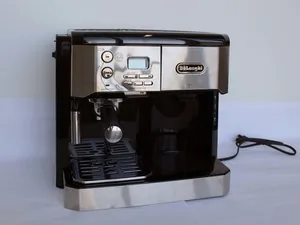
Most performance issues happen because internal components get blocked by mineral deposits or old coffee grounds. When you use hard water, calcium carbonate builds up inside the heating element and the narrow tubes. This buildup restricts water flow and lowers the heat, which forces the pump to work harder than it should. Eventually, the system triggers a safety stop to prevent damage to the internal motor.
Another frequent cause is the accumulation of coffee oils. These oils turn rancid over time and create a sticky layer inside the brewing unit. If you don’t perform regular cleaning cycles, this residue traps fine coffee dust, eventually forming a solid plug that water can’t push through.
Finally, user error regarding the grinding settings is a common culprit. If your grinder is set to the finest level, the coffee puck becomes too dense for the water to pass through. The machine detects this resistance and stops the pump to avoid over-pressurizing the system.
If you suspect an electrical fault or hear a grinding noise that doesn’t stop, turn the unit off at the wall and contact a certified service center. A capacitor can hold a lethal charge even when unplugged, so never open the housing yourself.
Clean the infuser and internal parts
This step is for when your machine shows a “general alarm” or produces only a few drops of coffee. To begin, turn the machine off and wait for it to cool down completely. Open the service door on the side of the unit and press the two release buttons to remove the infuser. Rinse the infuser under warm tap water until no brown residue remains. Don’t use soap, as this ruins the machine’s internal seals.
Once the infuser is clean, check the area where it sits inside the machine. Use a soft brush or a dry cloth to wipe away any loose grounds from the walls of the brewing chamber. If you see visible scale on the infuser’s mesh screen, soak it in warm water for 15 minutes before rinsing it again. Before you put it back, ensure the machine is completely dry.
If the infuser feels stuck, don’t force it. This part isn’t for those who are uncomfortable with mechanical maintenance; if the unit is jammed, you should consult the De’Longhi support documentation to see if a professional service is required.
If the machine works after you slide the infuser back into its slot, you have cleared the blockage. If you feel resistance while inserting the unit, check that the internal gear is in the “home” position by closing the service door and turning the machine on without the infuser inside.
Adjust your grind and dose settings
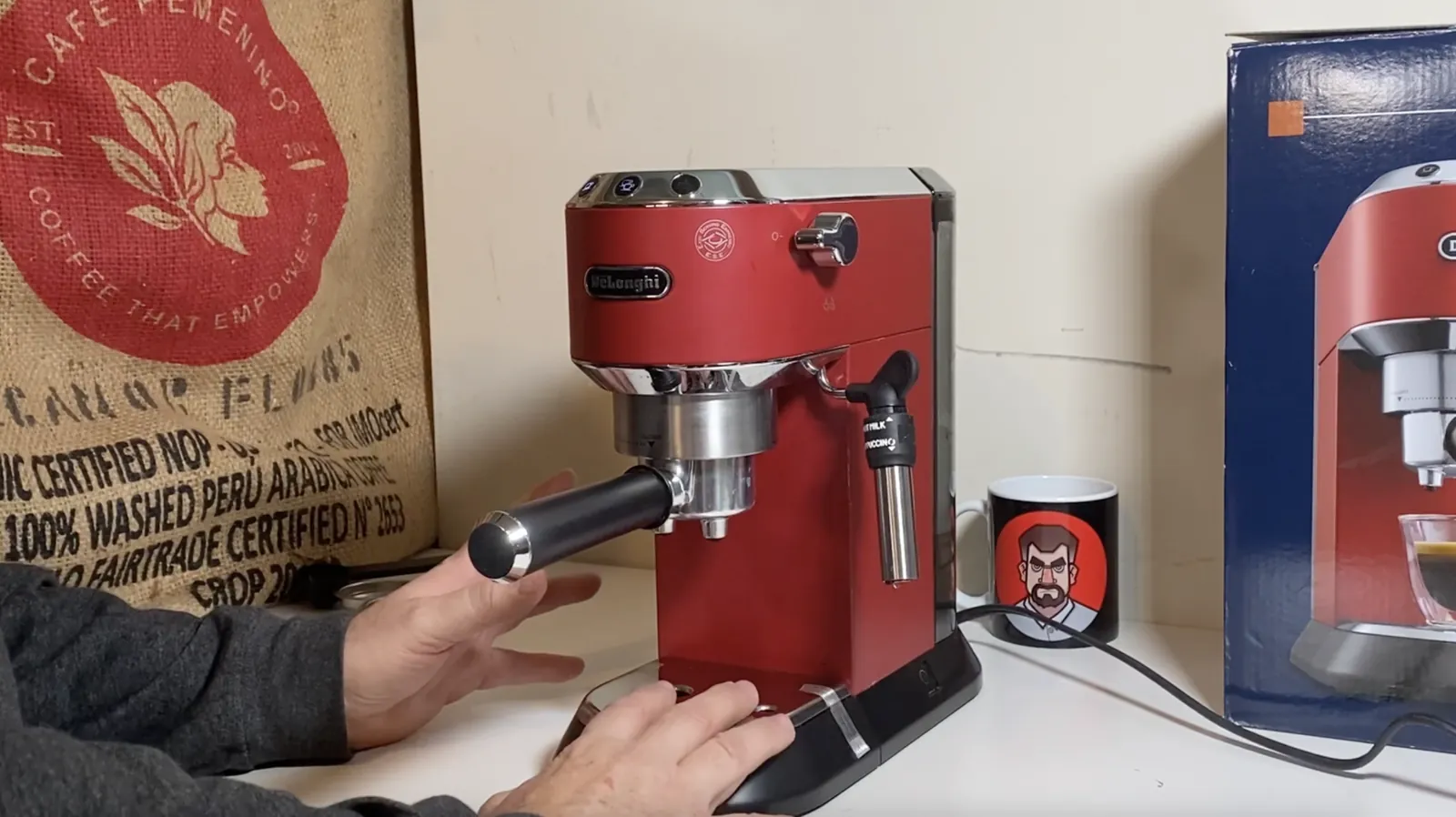
This fix is for machines that make a loud noise but fail to dispense coffee. If the coffee is too finely ground, the water can’t pass through the compressed puck. Locate the grind adjustment dial, which is usually found inside the bean hopper. Move the dial one notch toward the coarser setting—this is usually indicated by larger bean icons or higher numbers on the dial.
You should also check the dose setting if your model has a strength selector. If you’re using the maximum strength setting, the machine tries to pack too much coffee into the chamber. Reduce the strength to the medium setting for your next few cups. If the machine brews successfully, you know the previous settings were simply too restrictive for your specific bean roast.
This fix isn’t for users who prefer extremely strong espresso, as coarser grinds will naturally result in a thinner body. If you change the grind size, you must wait for at least three cups to be brewed before the change takes full effect, as there’s always leftover coffee in the grinder’s chute.
If the pump still struggles after these adjustments, the issue likely lies with the water pump or the internal solenoid valve. In these cases, you should avoid further DIY attempts and reach out to an authorized repair technician to prevent permanent damage to the heating system.
Perform a full descaling cycle
This is the most effective way to restore flow if your coffee is coming out cold or very slowly. Descaling removes the hard mineral buildup that accumulates in the thermoblock. You should use a descaling solution specifically made for automatic machines, as vinegar can damage the rubber gaskets inside the pump.
Fill the water tank with the descaling solution and water according to the ratio listed on the bottle. Start the machine’s descaling program through the menu settings. The process takes about 30 to 45 minutes and involves several rinse cycles. Never interrupt this process, as the machine needs to flush the entire system to clear the acid.
This is worth the effort if you live in an area with hard water, as it extends the life of your machine by years. However, if your machine is leaking water from the bottom, don’t attempt to descale it.
A leak indicates a cracked internal hose or a failed seal, which requires a professional technician to replace. If you’re unsure about your water hardness, you can use the test strip included with your machine’s starter kit to see if your local supply requires more frequent descaling.
Common mistakes to avoid
Using oily or dark roast beans: These beans leave a thick residue in the grinder and the infuser, which leads to frequent clogs. If your beans have a visible sheen or oily surface, they’re too dark for most automatic machines. Stick to medium roasts to avoid internal gumming.
Using soap on the infuser: This strips the food-safe lubricant from the O-rings, causing the infuser to stick or leak during the brewing process. Rinse the unit only with warm, running water. If you accidentally use soap, you must re-apply food-grade silicone grease before the next use.
Ignoring the descaling light: Mineral buildup happens slowly, but once the flow is fully blocked, the internal pipes may require professional cleaning. Run the cycle as soon as the alert triggers.
Overfilling the bean hopper: If the beans sit for weeks, they lose their freshness and the oils become sticky, which ruins the grinder’s performance. If you see beans sitting for longer, they’re likely oxidizing and clogging your burrs.
Prevent future machine issues
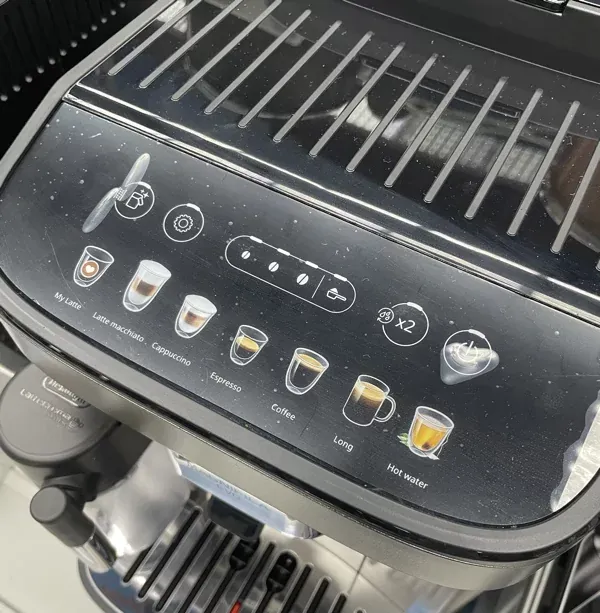
To keep your machine running well, you must create a routine for basic maintenance. The difference between a machine that lasts for years and one that fails early is often just a matter of following the cleaning schedule.
| If you’re doing this | Do this instead | Why |
|---|---|---|
| Leaving coffee grounds | Empty the bin daily | Prevents mold and pests |
| Using tap water | Use a water filter | Reduces calcium buildup |
| Rinsing with soap | Rinse with warm water | Protects internal rubber seals |
| Ignoring the descaling light | Descale immediately | Prevents pump failure |
Most owners wait until the machine stops brewing before they act. This is a costly mistake that often leads to permanent heating element corrosion. If your water source is hard, perform a deep clean based on usage and the owner’s manual recommendations regardless of the light status.
If you live in an area with soft water, you can safely extend this interval according to those same guidelines. Always verify your local water hardness level using a simple test strip. If the strip shows more than three grains of hardness per gallon, prioritize the filter over everything else.
Frequently asked questions
How often should I descale my machine?
This assumes standard daily use of 2 to 4 cups. If you live in an area with very hard water, you may need to descale more often to prevent mineral buildup in the heating element. Always check your water hardness level using the test strip provided by the manufacturer to determine your specific schedule.
Is it safe to use vinegar for descaling?
No, you shouldn’t use vinegar because it’s acidic enough to damage the internal rubber gaskets and seals. These components are designed to withstand specific descaling chemicals, but household vinegar can cause leaks over time. Always use the official descaling liquid recommended for your model to ensure the safety of the internal components and the longevity of the pump.
Why is my coffee machine leaking water?
A leak usually happens because a seal has failed or an internal hose has come loose. If you see water pooling under the machine, turn it off immediately and unplug it from the wall. This isn’t a user-serviceable issue, as it often involves the internal pressure system. You should contact a professional repair center to inspect the machine for damaged components.
How long does the infuser last?
The infuser lasts for the lifetime of the machine if you keep it clean and properly lubricated. This assumes you rinse it under water as recommended by the owner’s manual based on your usage and remove any coffee buildup. If you notice the machine struggling to move the infuser or making grinding noises, inspect it for physical cracks or broken plastic parts, which indicate it needs a replacement.
Can I leave the machine on all day?
No, you should use the auto-off feature to turn the machine off when it isn’t in use. Leaving the machine on keeps the heating element warm, which accelerates the evaporation of water and the buildup of scale in the pipes.
What happens if I use the wrong grind size?
If the grind is too fine, the machine will stop the pump to prevent over-pressurization, and you’ll get an error message. If the grind is too coarse, the coffee will be watery and lack flavor. You should adjust the grinder dial one notch at a time until you reach the texture that produces a slow, steady stream of espresso during the brewing cycle.
Conclusion
Regular maintenance is the best way to ensure your machine provides consistent quality. By keeping the infuser clean and following the recommended descaling schedule, you prevent the most common mechanical failures that affect automatic brewing systems. If you encounter errors that don’t resolve after these basic steps, reach out to an authorized service provider to keep your machine in top condition.