If you love coffee, you know how important a good espresso machine is. The Delonghi espresso machine is a favorite for many coffee lovers because it’s easy to use and makes delicious espresso. But, like any appliance, it can run into problems. You might wake up one morning, try to brew your favorite cup, and something just isn’t right. Maybe the machine won’t start, the coffee tastes strange, or steam isn’t coming out. These issues can be frustrating, especially if you need your morning coffee to start the day.
This guide will help you solve the most common problems with your Delonghi espresso machine. Whether you’re a new user or have owned your machine for years, you will find clear steps and helpful tips here. You’ll learn what causes each problem, how to fix it, and how to avoid it in the future.
With a little knowledge and some simple tools, you can keep your machine running smoothly and enjoy great coffee every day.
Understanding Your Delonghi Espresso Machine
Before you start fixing problems, it’s important to know the basic parts and how they work together. Delonghi makes several types of espresso machines, but most models share similar features. Here’s a quick overview:
- Water tank: Holds the water for brewing.
- Pump: Pushes water through the coffee grounds.
- Boiler: Heats the water to the right temperature.
- Portafilter: Holds the ground coffee.
- Steam wand: Froths milk for cappuccinos and lattes.
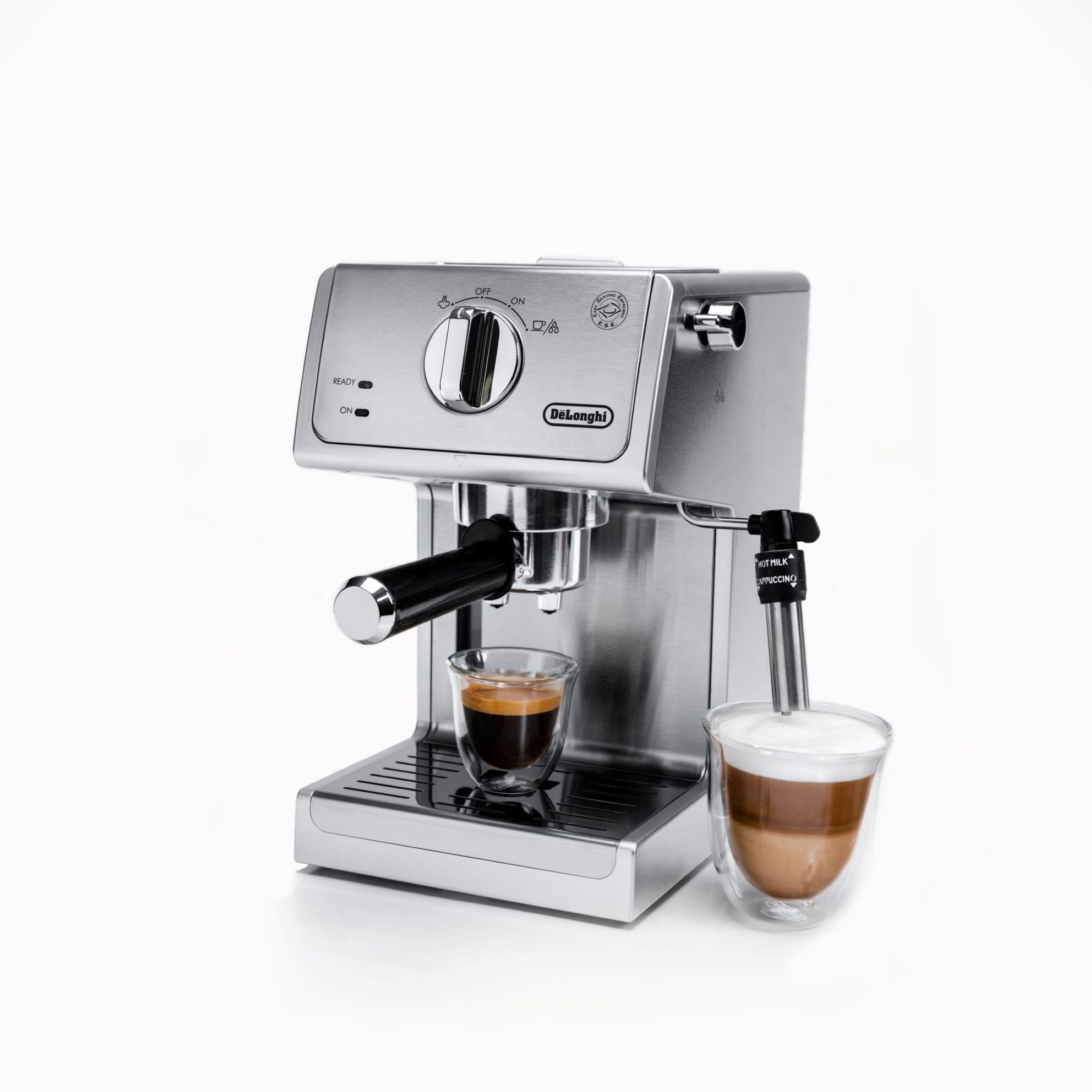
- Control panel: Lets you choose the type of coffee and settings.
Knowing these parts helps you understand where problems can start. For example, if coffee is weak, you might check the portafilter or boiler. If steam isn’t coming out, it could be a problem with the steam wand or the boiler.
Machine Won’t Turn On
One of the most stressful problems is when your espresso machine won’t start. This can happen for a few simple reasons.
Check The Power Source
Make sure the machine is plugged in securely. Try another power outlet to see if the outlet is the problem. If other appliances don’t work in the same outlet, the issue might be with your home’s electricity, not the machine.
Inspect The Power Cord
Look for cuts or damage in the power cord. If you see any, do not use the machine. Replace the cord or contact Delonghi support.
Reset The Machine
Some models have a reset button. If your machine has one, press it and see if it starts. Sometimes, unplugging the machine for a minute and plugging it back in can also help.
Check For Blown Fuses
Espresso machines sometimes have a fuse inside. If the machine still won’t start, the fuse might be blown. This is not easy to fix yourself—consider contacting a professional.
Non-obvious insight: Sometimes, power switches can feel “on” but are slightly off. Move the switch back and forth a few times.
Credit: www.cremashop.eu
No Water Coming Out
If you press the brew button and nothing happens, the machine might not be getting water.
Water Tank Problems
- Make sure the water tank is filled.
- Check that it is seated correctly in its slot.
- Clean the tank if you see buildup or debris.
Pump Issues
- Listen for a humming sound. If the pump is making noise but no water comes out, there may be air trapped inside.
- To fix this, fill the tank, run the machine without coffee, and let water flow for a few seconds.
Blocked Pipes
- Minerals in water can block pipes over time. Running a descaling solution through the machine often solves this.
- If you live in an area with hard water, descale your machine every month.
Non-obvious insight: Sometimes, the filter inside the water tank gets clogged. Remove and rinse it under running water.
Coffee Is Too Weak Or Too Strong
Getting the right taste is one of the most important parts of espresso. If the coffee tastes weak or too bitter, a few things can cause this.
Grind Size
- Fine grind: Makes coffee stronger but can block water flow.
- Coarse grind: Makes coffee weaker and watery.
Use a grind size that feels like table salt. Experiment until you find what works best for your taste.
Coffee Quantity
- Use about 7-9 grams (1-2 tablespoons) of ground coffee for a single shot.
- Too little coffee makes weak espresso; too much can cause bitterness.
Tamping Pressure
- Press the coffee grounds evenly but not too hard. About 30 pounds of pressure is ideal.
- If you press too lightly, water moves too fast. If you press too hard, water moves too slow.
Water Temperature
- Espresso needs water at 190–200°F (88–93°C).
- If the water is too cold, coffee is weak. If it’s too hot, coffee is bitter.
Some Delonghi machines let you adjust the temperature. Check your manual for details.
Machine Leaks Water
A puddle of water under your machine is never a good sign.
Check The Drip Tray
- Make sure the drip tray is empty and fitted correctly.
- Clean it often to prevent overflow.
Examine The Water Tank
- Inspect for cracks or poor fit. Even a small crack can cause leaks.
- Replace damaged tanks.
Seals And Gaskets
- Over time, the rubber seals inside the machine can wear out.
- Look for water coming from under the machine or near the portafilter.
- Contact Delonghi or a service center for replacement parts.
Loose Connections
- Sometimes, connections inside the machine get loose from vibration.
- If you’re comfortable, unplug the machine and check visible hoses and connectors.
Non-obvious insight: Water that smells or looks strange might be from condensation, not a leak. Dry the area and see if the problem returns.
Steam Wand Not Working
If you love milk-based drinks, a broken steam wand is a big problem.
Clogged Steam Tip
- Milk can block the steam tip if not cleaned after each use.
- Use a pin to clear the tiny holes in the wand.
No Steam Or Low Pressure
- Check the water tank. The machine needs water to make steam.
- Make sure the steam control knob is fully open.
Mineral Buildup
- Limescale can block steam. Run a descaling solution through the steam system.
- Do this every 2-3 months, more often with hard water.
Steam Valve Issues
- If you turn the knob and nothing happens, the valve may be broken.
- This can require professional repair.
Practical tip: Always wipe and purge the steam wand right after frothing milk. This prevents most blockages.
Credit: www.lowes.com
Coffee Not Hot Enough
Nobody likes lukewarm espresso. Here’s how to fix this common issue.
Preheat The Machine
- Before brewing, run water through the machine without coffee.
- This warms up the internal parts and your cup.
Check The Boiler
- If the machine is old, the boiler may not heat water properly.
- Descale the machine to remove mineral buildup, which can lower temperature.
Warm The Cups
- Pour hot water into your cup before brewing, then empty it.
- Espresso cools quickly in a cold cup.
Temperature Settings
- Some Delonghi machines let you adjust the water temperature. Use a higher setting if your coffee is too cool.
Non-obvious insight: Using thick ceramic cups helps keep coffee hot longer than thin glass cups.
Machine Makes Strange Noises
Unusual sounds can be alarming. Most noises are normal, but some need attention.
Pump Noise
- A steady “hum” is normal.
- Loud banging or clicking can mean air is in the system or the pump is struggling.
Steam Wand Hissing
- Some hissing is normal when using steam.
- If it’s very loud or doesn’t stop, check for blockages.
Grinder Problems
- If your machine has a built-in grinder, stones or hard objects in beans can cause loud grinding sounds.
- Always use clean, high-quality beans.
Vibrations
- Machines vibrate during use. Place a towel or mat under the machine to reduce noise.
Expert tip: If new sounds appear suddenly, clean and descale your machine before calling for help.
Portafilter Problems
The portafilter is key to making good espresso, but it can cause trouble.
Hard To Attach Or Remove
- Old coffee oils can build up on the gasket.
- Clean the gasket and portafilter regularly.
Leaks Around Portafilter
- Check the gasket for wear. Replace it if it feels brittle or cracked.
- Do not overtighten—the portafilter should lock in smoothly.
Uneven Extraction
- If coffee comes out one side more than the other, tamp the grounds evenly and check the basket for blockages.
Non-obvious insight: Always check for leftover coffee grounds on the rim before attaching the portafilter. Even small bits can prevent a good seal.
Error Lights And Messages
Many modern Delonghi machines have lights or screens to show problems.
Common Error Lights
- Descale Light: Time to descale the machine.
- Water Tank Light: Tank is empty or not seated.
- Coffee Grounds Light: Grounds container is full.
- General Warning Light: Check the manual for details.
What To Do
- Always turn off and unplug the machine before opening covers.
- Check the manual for your model’s error codes.
- Many problems are fixed by cleaning, refilling, or resetting the machine.
Practical tip: Some lights can get “stuck” on. Try resetting the machine after fixing the problem.
Descaling And Cleaning
Regular cleaning keeps your machine running well and your coffee tasting great.
Why Descale?
- Tap water contains minerals that build up inside the machine.
- Too much buildup makes the machine work harder and can damage it.
How Often?
- If you use hard water, descale every month.
- With filtered or soft water, every 2-3 months is enough.
How To Descale
- Fill the water tank with descaling solution and water, following instructions on the bottle.
- Run the solution through the machine as if making coffee, without grounds.
- Rinse the tank and run 2-3 tanks of clean water through the machine to flush out the solution.
Cleaning Tips
- Wipe the exterior with a damp cloth.
- Wash the drip tray and water tank with soap and water.
- Clean the portafilter and basket after each use.
Expert tip: Never use vinegar to descale—it can damage seals and leave a bad taste.
Comparing Common Delonghi Models
Different Delonghi models have unique features and troubleshooting needs. Here’s a quick comparison of three popular machines:
| Model | Type | Best For | Common Issues |
|---|---|---|---|
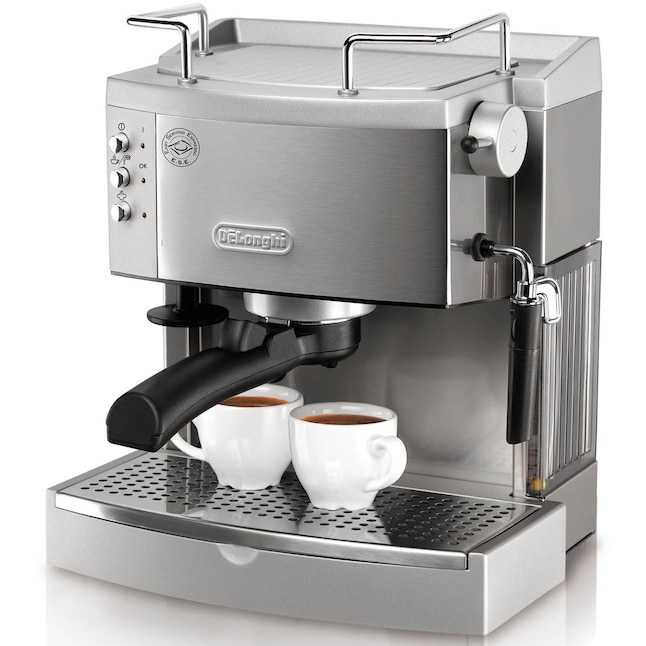
| EC155 | Pump Espresso | Beginners, small kitchens | Steam wand clogs, leaks |
| Magnifica S | Super-Automatic | Busy users, one-touch drinks | Grinder jams, error lights |
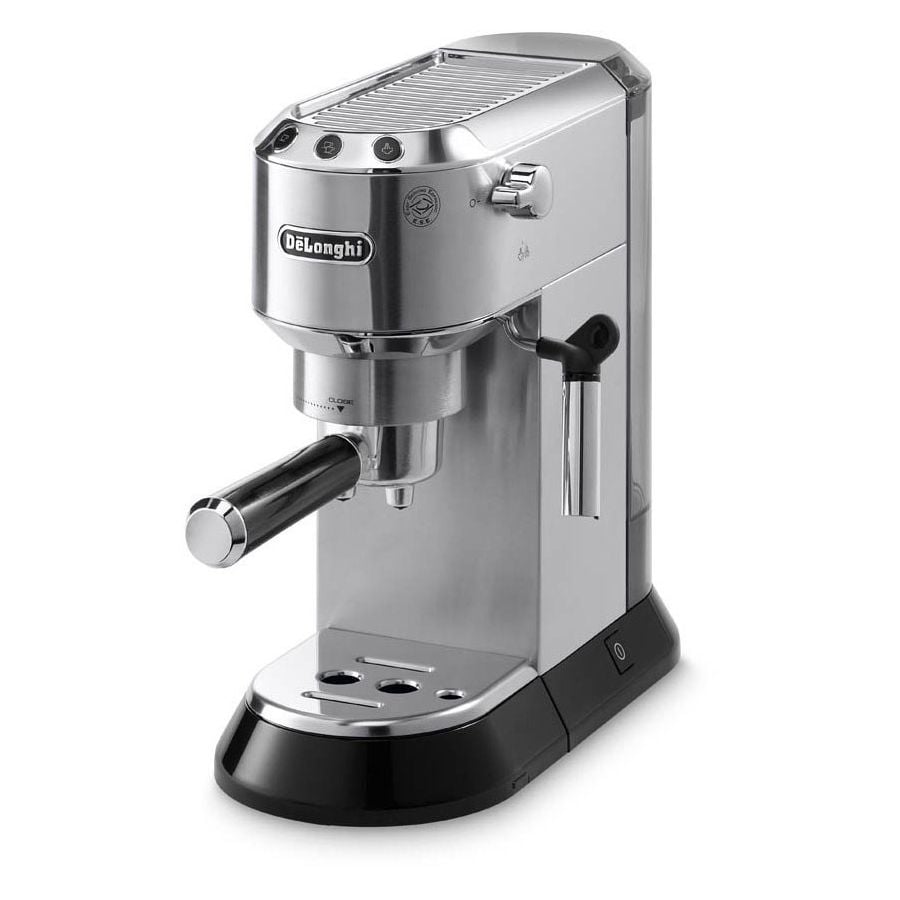
| Dedica | Semi-Automatic | Style, compact space | Temperature issues, portafilter leaks |
Pro tip: Always read your model’s manual. Steps and error codes can be different for each machine.
Why Water Quality Matters
Many espresso problems start with water quality. Using the wrong water can cause bad taste, blockages, or even machine damage.
Tap Water Vs. Filtered Water
- Hard tap water contains calcium and magnesium, which cause limescale.
- Filtered or bottled water reduces buildup and improves taste.
Effects Of Poor Water
- More frequent descaling needed
- Coffee tastes flat or bitter
- Machine lifespan is shorter
What To Use
- Use water with total dissolved solids (TDS) between 75-250 ppm.
- Avoid distilled water, which lacks minerals and can harm the machine.
| Water Type | Limescale Risk | Coffee Taste | Recommendation |
|---|---|---|---|
| Hard tap water | High | Poor | Not advised |
| Filtered water | Low | Good | Best choice |
| Distilled water | None | Bland | Avoid |
Non-obvious insight: Some Delonghi machines have built-in water filters. Replace these every two months for best results.
Grinder And Coffee Bean Issues
If your Delonghi has a built-in grinder, bean and grinder problems can affect espresso quality.
Beans Too Oily
- Oily beans can clog the grinder.
- Use medium-roast beans for better performance.
Stale Beans
- Old beans lose flavor and produce weak espresso.
- Use beans within 2-3 weeks of roasting.
Adjusting The Grind
- Finer grind for espresso, coarser for drip or French press.
- Most Delonghi grinders have 5-13 settings. Start in the middle and adjust as needed.
Cleaning The Grinder
- Always unplug before cleaning.
- Use a brush to remove old grounds.
- Never use water inside the grinder.
Expert tip: If the grinder jams, remove the beans and run the grinder empty. This often clears blockages.
Preventing Common Problems
A little care goes a long way with espresso machines. Here’s how to avoid trouble:
- Clean after every use: Wipe the steam wand, clean the portafilter, and empty the drip tray daily.
- Descale regularly: Prevents mineral buildup and keeps water flowing well.
- Use good water: Filtered water helps your machine and coffee taste better.
- Check seals and gaskets: Replace when worn to avoid leaks.
- Store beans properly: Use airtight containers away from light and heat.
- Read the manual: Each model is a little different—know yours well.
- Don’t force parts: If something won’t fit, check for blockages instead of pushing harder.
Pro insight: Many problems happen because people forget to clean the steam wand or portafilter. Make these steps part of your coffee routine.
When To Call A Professional
Not every problem can be fixed at home. Here’s when you should contact Delonghi support or a technician:
- The machine won’t turn on after checking power and reset.
- Water leaks from inside the machine, not just the tank or tray.
- Error lights stay on after cleaning and resetting.
- The pump is silent or makes loud grinding noises.
- Steam or water doesn’t come out at all, even after descaling.
Delonghi has a strong support network, and repair is often faster and cheaper than buying a new machine. Keep your proof of purchase and warranty information handy.
For more details on espresso machine maintenance, you can visit the official Delonghi Care and Maintenance FAQ.
Credit: www.walmart.com
Frequently Asked Questions
Why Does My Delonghi Espresso Taste Bad?
Bad taste can come from old beans, dirty equipment, or the wrong water temperature. Clean your machine, use fresh beans, and check the temperature settings for the best flavor.
How Often Should I Descale My Delonghi Espresso Machine?
Descale every 1-3 months, depending on your water hardness and how often you use the machine. Hard water needs more frequent descaling.
Can I Use Vinegar To Descale My Delonghi Espresso Machine?
No. Vinegar can damage seals and leaves a strong taste. Use official Delonghi descaling solution or a recommended brand.
Why Is Steam Not Coming From The Wand?
The steam wand may be clogged with milk residue or mineral deposits. Clean the tip with a pin, descale the machine, and always purge the wand after each use.
What Should I Do If The Error Light Stays On?
Check your manual for the error code, clean all removable parts, and reset the machine. If the light stays on, contact Delonghi support for help.
CONCLUSION
A Delonghi espresso machine is a wonderful tool for making café-quality coffee at home. Most problems are easy to fix with basic troubleshooting and regular maintenance. Remember, small steps like cleaning and descaling make a big difference. With the right care, your machine can deliver perfect espresso for years.
If you ever feel stuck, don’t hesitate to reach out for professional help—sometimes, a simple repair can save your favorite coffee companion.