Is your espresso machine acting up right when you need that perfect cup? You’re not alone—and the good news is, most problems have simple fixes.
Whether your machine won’t start, the coffee tastes off, or steam is missing, understanding what’s going wrong can save you time and money. You’ll discover easy troubleshooting tips that anyone can follow. Keep reading to get your espresso machine back to brewing like new—and enjoy every sip without frustration.
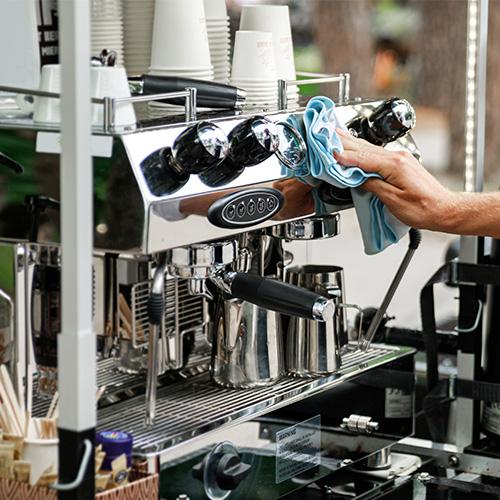
Common Espresso Machine Issues
Espresso machines can face common issues that affect coffee quality and machine performance. Knowing these problems helps you fix them fast. Save time and enjoy better espresso every day.
Machine Not Turning On
Check if the machine is plugged in properly. Inspect the power outlet with another device. Look for a blown fuse or tripped circuit breaker. Some machines have a reset button—try pressing it. If nothing works, the power switch or internal wiring may need repair.
Water Not Heating
Water should heat quickly for espresso. If it stays cold, check the water reservoir. Make sure it has enough water and is seated correctly. The heating element might be faulty or dirty. Descale the machine regularly to prevent mineral buildup. A broken thermostat can stop heating too.
Weak Or Watery Coffee
Weak coffee means the machine is not extracting properly. Check the coffee grind size; too coarse causes weak taste. Use fresh, quality coffee beans. Make sure you use the right amount of coffee. Clean the machine’s portafilter and group head to remove clogs.
Coffee Grounds In Cup
Finding grounds in your cup is common. The portafilter basket might be damaged or loose. Use the correct grind size; too fine can block water flow. Tamp the coffee evenly but not too hard. Clean the filter regularly to avoid buildup and holes.
Leaking Water
Leaks can come from different parts. Check the water tank for cracks or poor fit. Inspect seals and gaskets for wear or damage. Clean the drip tray and make sure it is placed properly. Tighten any loose parts around the machine. Persistent leaks may need professional service.
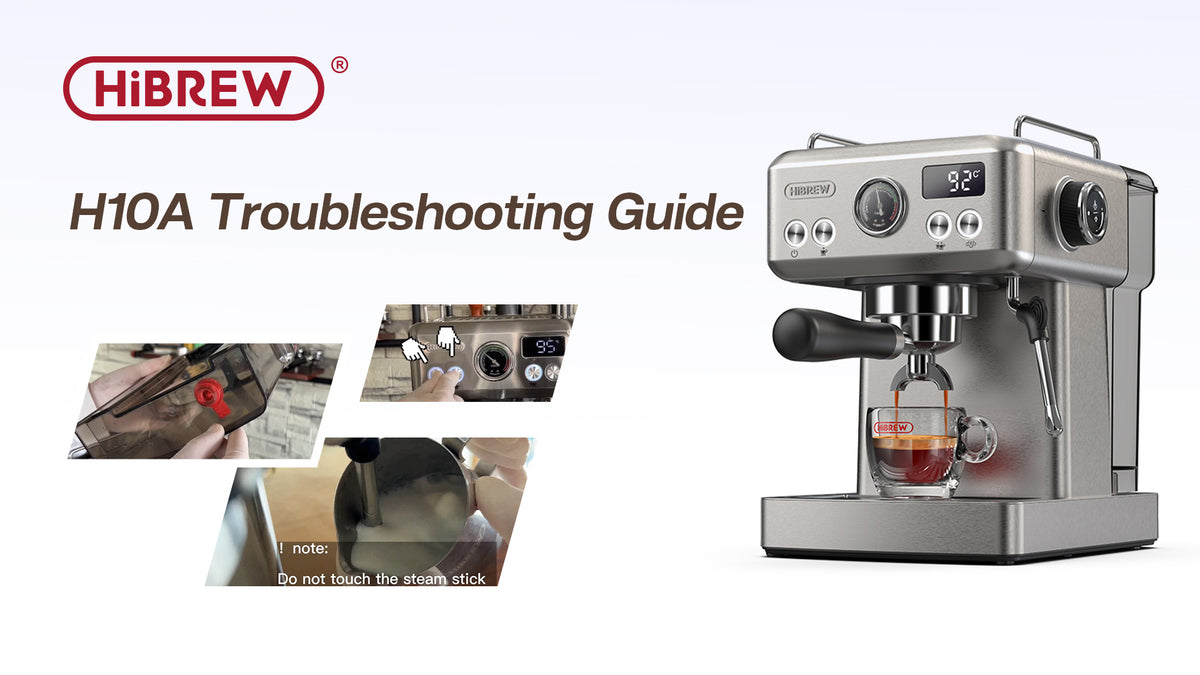
Fixing Power And Heating Problems
Power and heating problems are common issues in espresso machines. These problems stop your machine from working properly. Fixing them can save time and money. This section covers simple ways to solve power and heating issues. Each step is easy to follow and helps you get your espresso machine back to work.
Checking Power Supply
Start by checking the power source. Make sure the machine is plugged in tightly. Check the outlet by plugging in another device. If the outlet has no power, try a different one. Look for any damage on the power cord. A broken cord can stop the machine from turning on.
Resetting The Machine
Many espresso machines have a reset button or switch. Turn off the machine and unplug it. Wait for a few minutes to clear any errors. Press the reset button if your model has one. Plug the machine back in and turn it on. This can fix small electronic glitches.
Cleaning The Heating Element
A dirty heating element can cause heating problems. Unplug the machine before cleaning. Remove the water tank and drip tray. Use a soft cloth to wipe the heating element gently. Avoid harsh chemicals or water inside the machine. Regular cleaning helps the machine heat water evenly.
Improving Coffee Quality
Good coffee starts with small but important steps. Improving coffee quality means paying attention to details. Simple changes can make your espresso taste better. Focus on the grind, tamping, and cleanliness of your machine parts. These areas affect the flavor and strength of your coffee.
Each step helps you get the best from your espresso machine. Making small adjustments leads to a richer and smoother cup. Let’s explore key tips to improve your coffee quality.
Adjusting Grind Size
Grind size changes how water flows through coffee grounds. Too fine makes the coffee bitter and slow to drip. Too coarse causes weak and watery espresso. Find a grind size that lets water pass evenly. Test different sizes to find what suits your taste. Use a burr grinder for better control and consistency.
Tamping Techniques
Tamping compresses coffee grounds in the portafilter. Press evenly with firm pressure to create a flat surface. Uneven tamping causes water to flow too fast or slow. This affects extraction and taste. Use about 30 pounds of pressure. Keep the tamper level to avoid channeling.
Cleaning The Portafilter
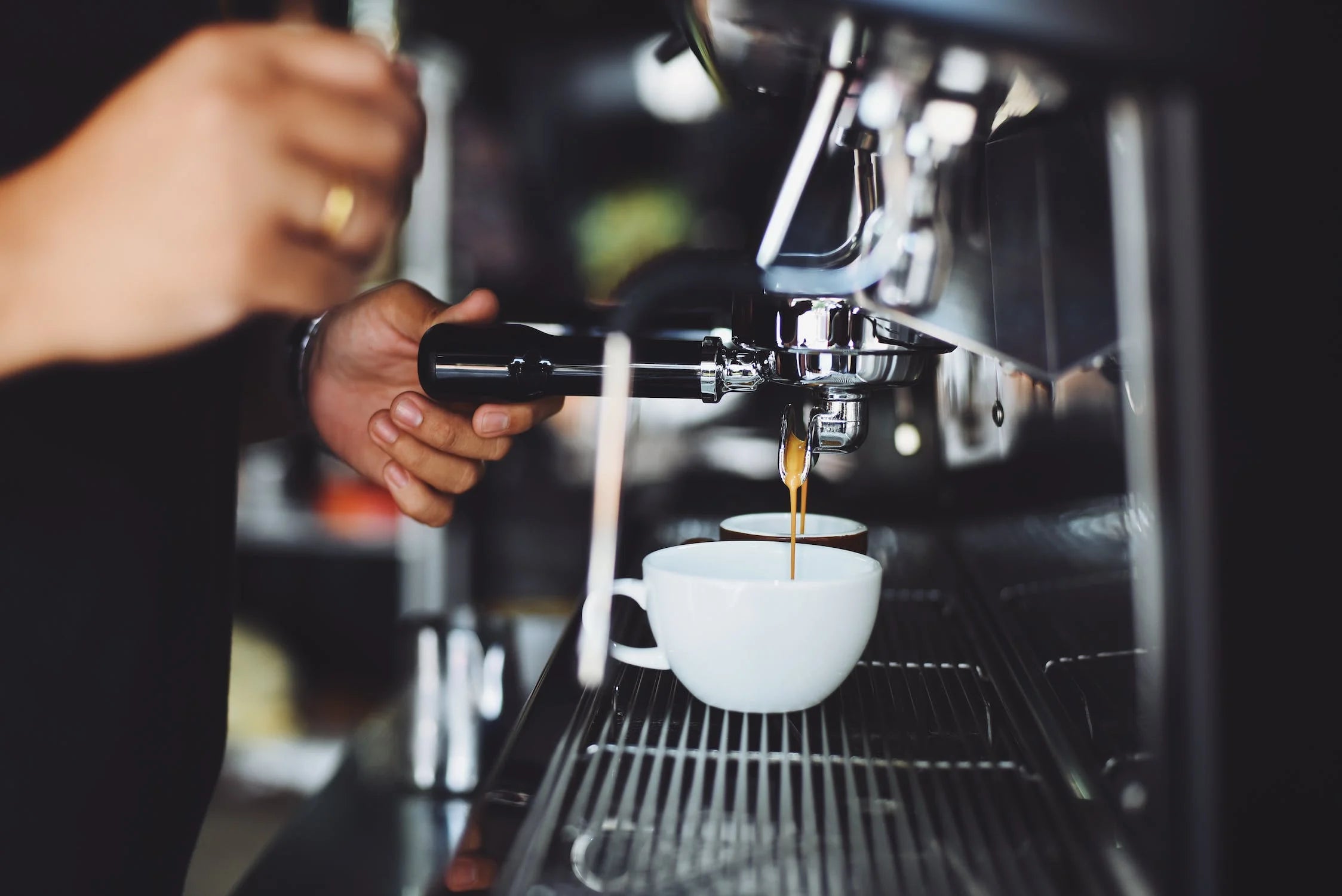
A clean portafilter keeps flavors pure and fresh. Old coffee oils and residue can spoil taste. Rinse and scrub the portafilter after each use. Use warm water and a brush for best results. Regular cleaning prevents clogging and improves flow. This simple habit keeps your espresso tasting great every time.
Handling Leaks And Blockages
Leaks and blockages can stop your espresso machine from working well. These problems often cause water to drip where it should not or make coffee flow too slowly. Fixing leaks and blockages helps keep your machine running smoothly. It also makes sure your coffee tastes great every time.
Inspecting Seals And Gaskets
Seals and gaskets stop water from leaking in your espresso machine. Check these parts for cracks or wear. Old seals may become hard or brittle. Replace any damaged seals to stop leaks. Clean the area around seals to remove coffee grounds and dirt. This keeps the seal tight and effective.
Descaling The Machine
Mineral buildup inside your machine causes blockages. Descaling removes these minerals to clear water flow. Use a descaling solution made for espresso machines. Follow the instructions carefully for the best result. Run water cycles after descaling to rinse out residue. Regular descaling helps keep your machine clean and working well.
Clearing The Brew Head
The brew head can get clogged with coffee oils and grounds. Remove the portafilter and clean the brew head with a brush. Use a pin or needle to clear tiny holes if needed. Rinse the brew head with warm water to wash away debris. Clean the brew head often to keep coffee flowing freely.
Maintenance Tips For Longevity
Keeping your espresso machine in great shape extends its life and improves coffee taste. Regular care prevents common problems and costly repairs. Simple habits make a big difference.
Regular Cleaning Schedule
Clean the machine after every use. Remove coffee grounds and wipe surfaces to avoid buildup. Deep clean the group head and portafilter weekly. Use a cleaning tablet or powder monthly to clear oils and residue. This stops blockages and keeps coffee fresh.
Using Filtered Water
Water quality affects machine health and coffee flavor. Tap water has minerals that cause scale inside the machine. Use filtered or bottled water to reduce mineral deposits. This lowers the risk of clogs and damage. It also helps the espresso taste better and cleaner.
Replacing Worn Parts
Check the machine for worn seals, gaskets, and filters. Replace these parts on time to avoid leaks and pressure loss. Using original parts ensures proper fit and function. Regular part replacement keeps your machine running smoothly and prevents bigger issues.
When To Call A Professional
Knowing when to call a professional for espresso machine troubles saves time and money. Some problems are simple to fix. Others need expert care. This section explains signs that show you need professional help. It also guides you on finding the right technician. Understanding warranty and service options helps too.
Identifying Complex Issues
Some espresso machine problems look easy but hide deeper faults. Strange noises, leaks, or no heat might signal internal damage. Electrical faults or broken parts require special tools. Avoid guessing with these issues. A professional has skills to diagnose and fix complex problems safely.
Finding Certified Technicians
Choose technicians certified by espresso machine brands or trusted organizations. Certified experts know the latest machine models well. They use proper parts and follow safety standards. Ask for reviews or recommendations. A certified technician ensures your machine works like new.
Warranty And Service Options
Check your machine’s warranty before fixing it yourself. Many repairs are covered under warranty. Professional service centers often provide free or low-cost repairs. Using authorized repair services keeps your warranty valid. Always read warranty terms to avoid unexpected costs.
Frequently Asked Questions
Why Is My Espresso Machine Not Brewing Coffee?
Your espresso machine may lack water or have a clogged filter. Check water levels and clean the filter for smooth brewing.
How To Fix Low Pressure In Espresso Machines?
Low pressure often means a blocked pump or dirty coffee grounds. Clean the machine parts and use fresh coffee.
What Causes Espresso Machine Leaks During Operation?
Leaks usually come from worn seals or loose parts. Inspect seals and tighten connections to stop leaks.
Why Does My Espresso Taste Bitter Or Sour?
Bitter or sour taste can be due to over-extraction or stale coffee. Use fresh beans and adjust brewing time.
How Often Should I Descale My Espresso Machine?
Descaling every 2-3 months keeps your machine working well. Use a descaling solution to remove mineral build-up.
Conclusion
Troubleshooting your espresso machine can save time and money. Start with simple checks like water, power, and cleanliness. Small fixes often solve common problems quickly. Regular maintenance keeps your machine running smoothly. Don’t ignore unusual sounds or tastes. A little care helps you enjoy better coffee daily.
Keep this guide handy for easy reference. Your perfect espresso is just a few steps away.