The fastest way to fix your unit is to unplug it for 60 minutes and then restart it, as simple ecozy ice maker troubleshooting often requires a hard reset to clear sensor errors. This pause allows the internal computer to recalibrate and reset the ice-sensing arm or water flow logic. If the machine still fails to produce ice after this reset, the most common cause is a blockage in the water line or a scale buildup preventing the pump from moving water effectively.
Why your ecozy ice maker stops working
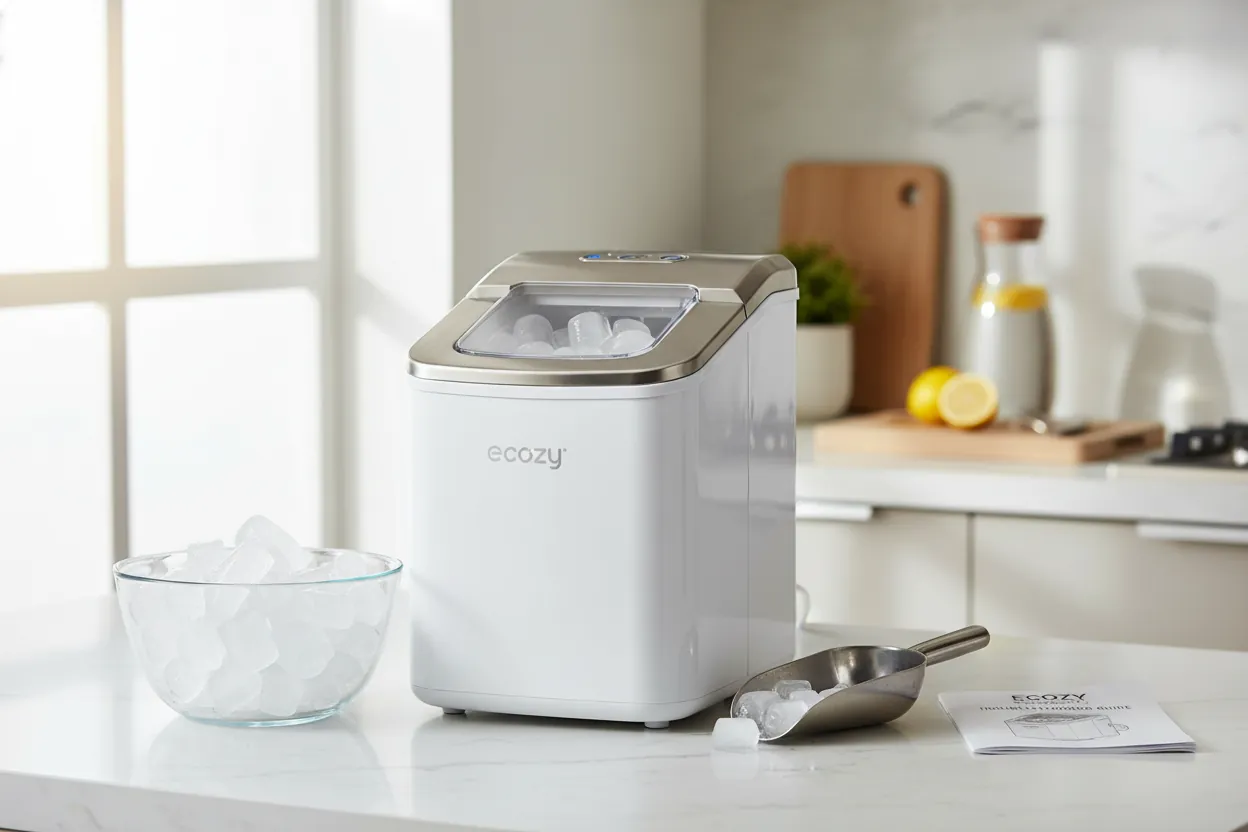
Most ice maker issues stem from environmental factors rather than internal mechanical failure. The most frequent culprit is the ambient temperature of the room. If your machine sits in a space that’s too hot, such as near a stove or in direct sunlight, the compressor can’t keep the internal evaporator cold enough to freeze water. Always keep the device on a level surface, as a slight tilt can prevent water from reaching the ice tray correctly.
Another major cause is hard water buildup. Minerals in your tap water deposit inside the internal tubing and the pump over time. This restricts flow and eventually causes the pump to stop working entirely. You can check your water quality through your local utility provider to see if you need to use filtered or distilled water to extend the lifespan of your pump.
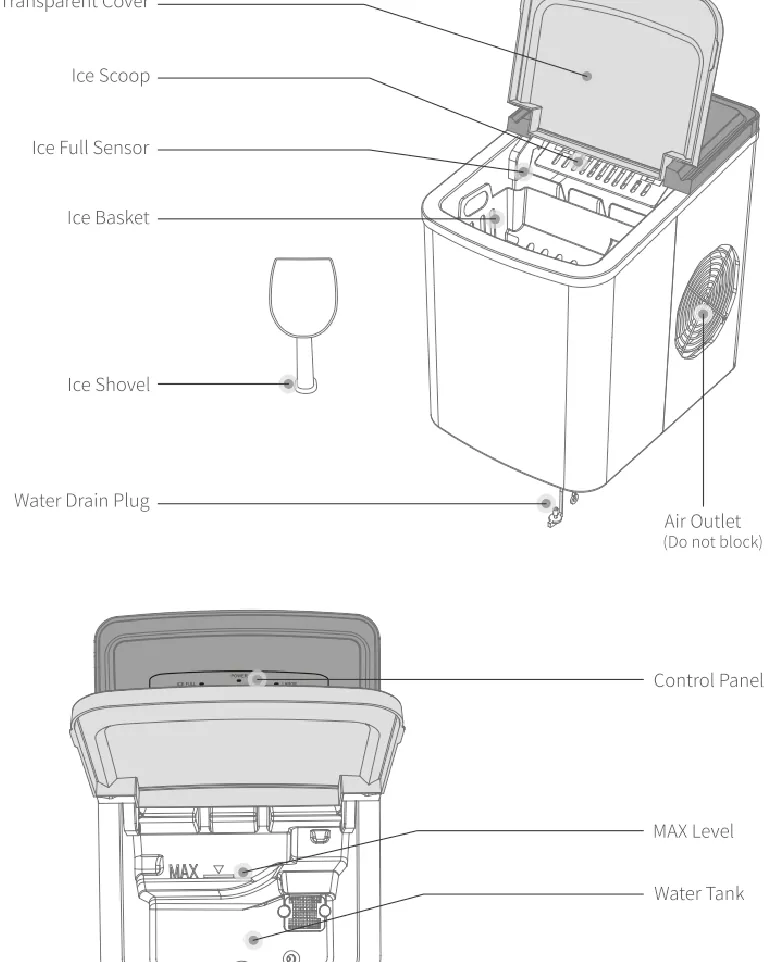
Finally, the ice-level sensor often gets blocked by stray ice fragments. If the machine “thinks” the bin is full, it will stop the production cycle to prevent overflow. A quick check of the internal sensor area for any stuck cubes or frost is essential. If you live in an area with high humidity, condensation can also cause the sensor to trip prematurely, leading the machine to believe it has reached its capacity.
Safety: Inside a mains-powered machine, the parts behind the outer cover can hold a dangerous electrical charge even after it has been unplugged — that’s why they sit behind a cover. Opening the housing, or testing or replacing anything behind it, is a job for a qualified technician, never a home repair.
Clear the water line and pump
If your machine is running but not producing ice, you should check for air locks or mineral clogs. First, drain the reservoir completely and inspect the water intake filter at the bottom. If you see white, chalky deposits, you must descale the system using a solution of white vinegar and water. Mix one part vinegar to two parts water, run a cleaning cycle, and then follow it with two cycles of fresh water to remove any vinegar taste.
If cleaning doesn’t help, the pump might have an air bubble trapped inside. Tip the unit gently to the side while it’s running to help dislodge air trapped in the intake hose. Don’t tilt the unit more than 45 degrees, as this can damage the internal refrigerant lines. If the pump makes a grinding noise, it’s likely failing and will need replacement by a professional technician.
This fix is intended for users who have basic experience with home appliances. If you aren’t comfortable handling electrical equipment or if the unit is still under warranty, contact the manufacturer directly to avoid voiding your coverage. Never attempt to disassemble the outer casing, as this exposes high-voltage components that pose a serious shock risk.
Adjust the environment and settings
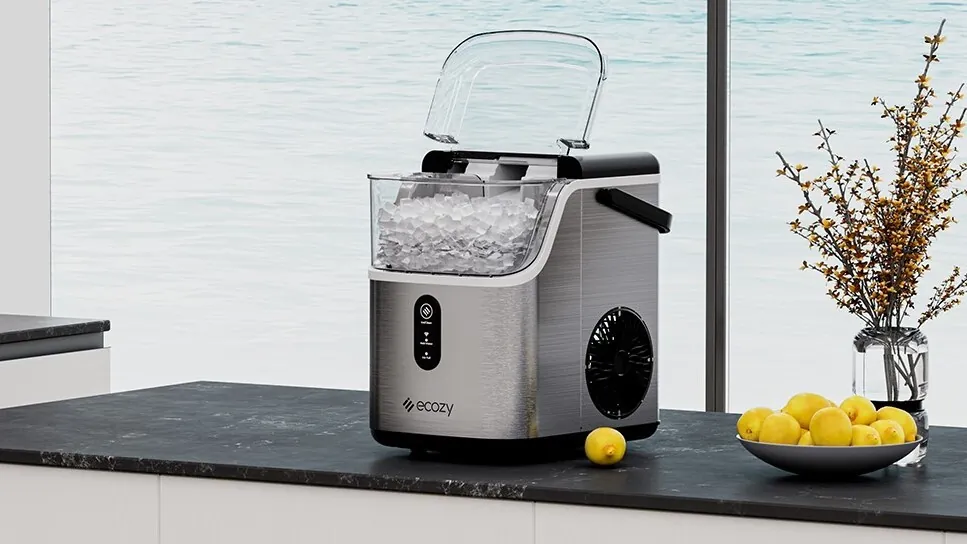
The environment is the most important factor for consistent ice production. Ensure there’s at least 6 inches of clearance on all sides of the ice maker to allow for proper heat dissipation. If the vents are blocked by walls or other appliances, the unit will overheat and shut down to protect the compressor. This is a common mistake that leads to premature failure of the cooling system.
If you’re using the machine in a cold garage or basement, the ambient temperature might be too low for the sensors to function correctly. Most portable ice makers are designed to operate best between 50°F and 90°F. If the room is colder than 50°F, the machine may report a false “ice full” error because the internal temperature drops too quickly. If your room is outside this range, you must move the unit to a climate-controlled area.
Check your water temperature as well. Using water that’s already chilled can improve the speed of your ice production, but never use water above 90°F. Hot water can damage the internal sensors and significantly slow down the freezing process, as the compressor has to work much harder to bring the temperature down.
If the machine cycles too slowly, check the water source. Always use distilled or filtered water to prevent mineral buildup on the sensors and evaporator. If you notice thin or brittle ice, check the ambient temperature and ensure the vents aren’t obstructed. Always prioritize a level surface, as even a slight tilt can prevent water from reaching the evaporator tray evenly.
Use the correct water and cleaning agents
Hard water is the enemy of any ice maker. Using distilled water is the best way to prevent mineral buildup and ensure the longevity of your pump. According to the Environmental Protection Agency, high levels of total dissolved solids can cause scaling in appliances, which directly impacts the performance of water-fed machines. If you must use tap water, cleaning frequency depends on your specific usage, so consult your owner’s manual for the official maintenance schedule.
Don’t use harsh chemical cleaners like bleach or ammonia. These substances are abrasive and can damage the plastic parts and the internal pump seal. Always stick to mild vinegar solutions or manufacturer-approved descaling agents. If you use a store-bought descaler, follow the instructions on the bottle exactly, as using too much can leave a chemical residue that’s unsafe for consumption.
These parts aren’t user-serviceable. At this point, it’s usually more cost-effective to replace the unit rather than paying for a professional repair, as the labor costs often exceed the price of a new machine.
Mistakes that cause damage
Using soap inside the reservoir: Soap leaves a persistent film that taints your ice for weeks. If you accidentally use soap, run three full cycles with a mixture of one part white vinegar to ten parts water to strip the residue.
Running the unit without water: This destroys the pump in under five minutes. The pump requires constant water flow for both cooling and lubrication; without it, the motor friction causes internal plastic components to melt or seize.
Leaving the unit plugged in during cleaning: Always disconnect the power before adding liquid. A stray splash into the electrical control panel triggers a short circuit that permanently fries the motherboard.
Forcing the lid open: The lid houses magnetic reed sensors that signal the machine to stop. If you snap the hinge or dislodge the sensor, the unit enters a permanent safety lockout. If the lid resists, check for ice buildup around the rim rather than applying force.
Better maintenance habits
| If you’re doing this | Do this instead | Why |
|---|---|---|
| Using tap water | Use distilled water | Prevents mineral scale buildup |
| Cleaning once a year | Clean every 2 weeks | Prevents mold and pump clogs |
| Blocking the vents | 6 inches of space | Allows heat to escape |
| Leaving full of water | Drain after each use | Prevents bacterial growth |
Most owners fail to realize that mineral deposits act as an insulator. This forces the compressor to work harder, which eventually reduces the efficiency and lifespan of the cooling system. If you live in an area with hard water, you must descale the internal reservoir monthly using a white vinegar solution.
The biggest mistake is ignoring the intake filter. If you notice a faint hum or reduced flow, check the mesh screen immediately. A clogged filter creates backpressure that ruins the pump seals within weeks.
Use this simple decision rule: if the machine sits idle for more than 48 hours, it must be drained completely. Stagnant water creates a biofilm that’s nearly impossible to scrub away once it hardens.
Frequently asked questions
Can I leave my ice maker on all the time?
No, you shouldn’t leave the unit running constantly when not in use. Leaving it plugged in while empty causes the pump to cycle unnecessarily. If you’re away for more than 24 hours, unplug the unit, drain the water, and leave the lid open to prevent mold growth.
Why is my ice maker making small, slushy cubes?
This usually happens because the water or room temperature is too high for the compressor to work efficiently. Ensure your water is at room temperature or cooler and that the unit has plenty of airflow. If the problem continues, the cooling refrigerant may be low, which requires professional service.
How long does it take to make the first batch of ice?
The first batch usually takes between 15 and 20 minutes depending on the water temperature. The machine needs to cool the evaporator fingers down to freezing temperatures before the water cycles through. If it takes longer than 30 minutes, check that your water reservoir is filled to the “max” line and that the ambient room temperature is within the recommended range of 50°F to 90°F.
Is it safe to drink the ice if it tastes like vinegar?
No, you should discard the first two or three batches of ice after a cleaning cycle to ensure all vinegar is flushed out. Vinegar is a food-grade acid, but it will make your drinks taste unpleasant. If the taste persists after several cycles, run a final rinse cycle using only fresh water and wipe down the inside of the bin with a clean cloth.
What happens if I use bottled mineral water?
Using mineral water isn’t recommended because the extra minerals will build up on the evaporator fingers and pump much faster than standard tap or distilled water. This leads to cloudy ice and eventually clogs the internal tubing. If you want the best quality ice and the longest life for your machine, stick to distilled or reverse-osmosis water to keep the internal system free of debris.
Conclusion
The longevity of your machine depends entirely on how often you clean the reservoir and the type of water you use. If you follow the regular cleaning schedule and keep the intake clear of debris, you can expect the unit to function reliably for years. When problems arise, start with the simple reset before moving to a full descaling, as most issues are solved by clearing mineral buildup or resetting the internal sensors.