Is your Stealth toilet acting up when you least expect it? You rely on it every day, so when something goes wrong, it can throw off your entire routine.
Don’t worry—fixing common Stealth toilet issues is easier than you think. In this guide, you’ll discover simple, step-by-step solutions that save you time, money, and frustration. Keep reading to take control and get your toilet running smoothly again.
Toilet Won’t Flush
When your stealth toilet won’t flush, it causes immediate frustration. This common issue can happen due to simple problems. Fixing it might be easier than expected. Start with basic checks before calling a plumber.
Check Water Supply
First, ensure the water supply to the toilet is on. Look behind the toilet for the shut-off valve. Turn it counterclockwise to open if closed. Check if water fills the tank after flushing. No water means the valve may be off or a pipe issue exists.
Inspect Flush Mechanism
Next, open the tank lid carefully. See if the flush handle moves freely. The chain connecting the handle to the flapper must be tight but not stuck. A broken or loose chain stops the flush. The flapper should lift fully and seal well after flush.
Clear Blockages
Blockages often stop a toilet from flushing properly. Use a plunger to try clearing the drain. Push and pull with steady force for several seconds. For stubborn clogs, a toilet auger may help. Avoid harsh chemicals as they can harm pipes and parts.
Weak Or Partial Flush
A weak or partial flush in a Stealth toilet can cause frustration and waste water. It means the toilet does not clear waste fully. This problem often points to simple issues that you can fix yourself. Checking a few parts can restore strong flushing power quickly.
Adjust Water Level
The water level in the tank affects flushing strength. Find the water fill line inside the tank. If the water is too low, the flush will be weak. Raise the water level by adjusting the fill valve. More water creates a stronger flush. Check that the water stops at the correct line for best results.
Examine Flapper Seal
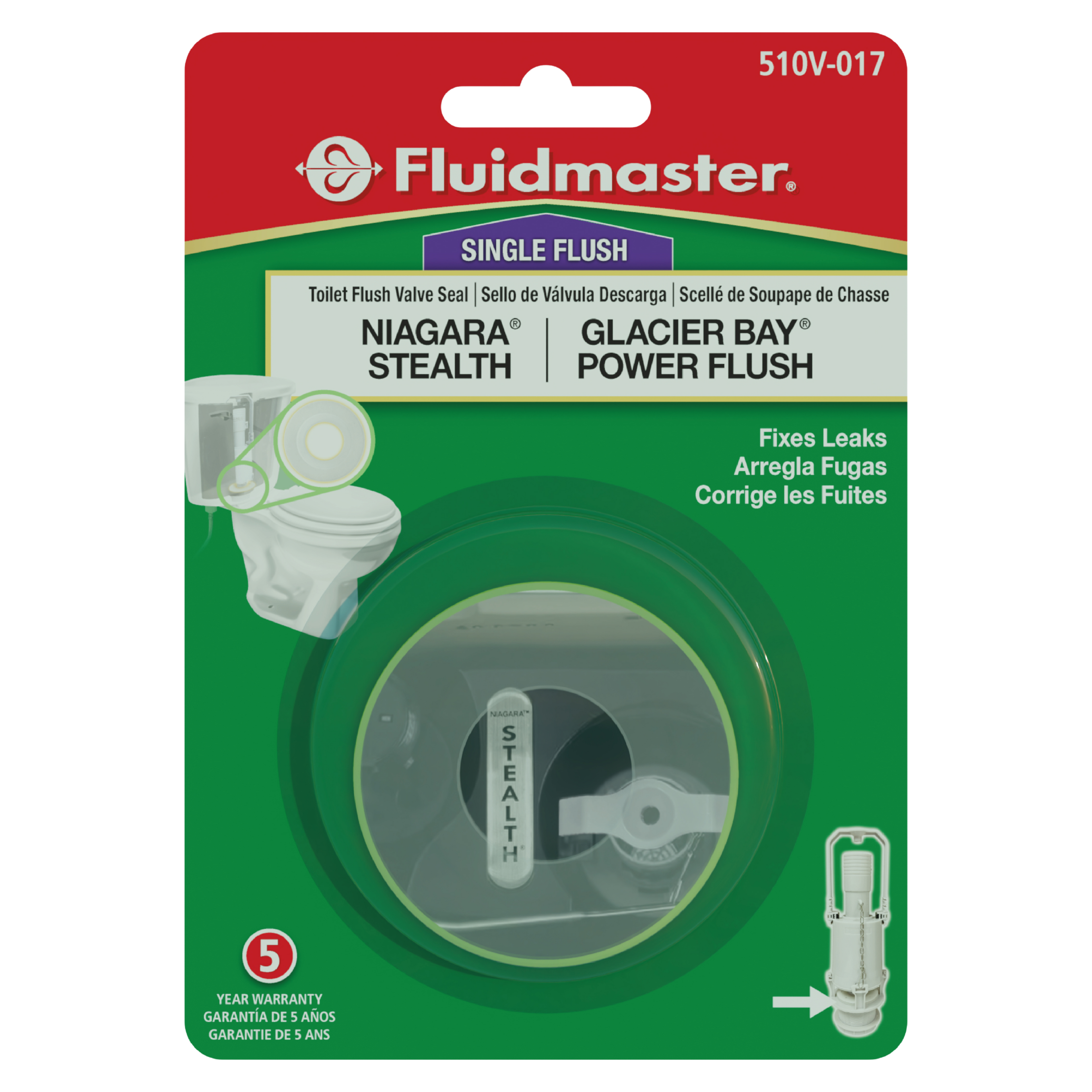
The flapper controls water flow from the tank to the bowl. A worn or damaged flapper seal causes a weak flush. Lift the tank lid and inspect the flapper. Replace it if it looks cracked or warped. A good seal lets water flow fast and strong during flush.
Clean Rim Jets
Rim jets help spread water around the bowl during flush. Mineral build-up can block these small holes. Use a brush or wire to clean the jets under the rim. Clear jets improve water flow and flush power. Regular cleaning stops weak flushing caused by clogs.
Continuous Running Water
Continuous running water in a Stealth toilet can waste a lot of water. It also raises your water bill. Finding the cause is important to fix the problem quickly. Several parts inside the tank may cause this issue. Check these parts carefully to stop the water from running nonstop.
Replace Faulty Flapper
The flapper controls water flow from the tank to the bowl. A worn-out or damaged flapper can let water leak. This causes the toilet to run continuously. Turn off the water supply first. Remove the old flapper and install a new one. Make sure it fits well to stop leaks.
Check Fill Valve
The fill valve refills the tank after each flush. A broken fill valve can cause water to keep running. Look for cracks or blockages. Clean the valve if dirty. Replace it if it is damaged. Proper working fill valve stops water overflow.
Adjust Float Arm
The float arm controls water level inside the tank. If it is set too high, water keeps running. Gently bend the float arm down to lower the water level. This prevents water from spilling into the overflow tube. Adjust carefully for the best result.
Slow Tank Refill
A slow tank refill can cause your toilet to take too long to be ready for the next flush. This problem can waste water and cause frustration. Fixing it usually involves checking a few key parts. Start with simple tasks before replacing any components.
Clean Fill Valve Screen
The fill valve has a small screen to catch debris. Dirt can block water flow and slow refilling. Turn off the water supply first. Remove the fill valve cap carefully. Take out the screen and rinse it under clean water. Replace the screen and cap. Turn the water on and test the refill speed.
Inspect Water Pressure
Low water pressure can cause slow tank refill. Check if other taps in your home have low pressure. If yes, the problem may be with your home’s main water supply. You can also test the pressure with a gauge. Normal pressure should be between 40 and 60 psi. Contact a plumber if pressure is too low.
Replace Fill Valve
Fill valves wear out over time and may fail to refill quickly. If cleaning the screen does not help, try replacing the fill valve. Turn off the water supply and drain the tank. Remove the old fill valve. Install a new one following the package instructions. Turn the water back on and check the refill speed.
Noisy Toilet Operation
A noisy toilet can disrupt your peace at home. The Stealth toilet is known for quiet operation, but noise may still occur. Understanding the noise source helps fix the problem quickly. This section guides you through steps to troubleshoot noisy toilet operation effectively.
Identify Source Of Noise
Listen carefully to find where the noise comes from. Common noises include hissing, banging, or rattling sounds. Check inside the tank for sounds during and after flushing. The fill valve, flush valve, and water supply line are usual noise sources. Identifying the exact source narrows down the fix needed.
Tighten Loose Parts
Loose parts cause rattling and banging noises. Use a screwdriver or wrench to tighten screws and bolts. Focus on the tank bolts, handle, and supply line connections. Tighten gently to avoid damage. This simple step can often stop annoying noises quickly.
Replace Worn Components
Old parts wear out and cause noise over time. Replace worn fill valves, flappers, or gaskets to restore quiet operation. Use parts designed for Stealth toilets for best fit and function. Regular maintenance prevents noise before it starts and keeps your toilet running smoothly.
Leaks Around Base
Leaks around the base of a Stealth toilet can cause water damage and waste water. Finding the source of the leak quickly helps prevent bigger problems. These leaks often come from a few common issues.
Check Wax Seal
The wax seal sits between the toilet and the floor. It stops water from leaking out. Over time, the wax seal can break or dry out. This causes water to seep under the toilet. Remove the toilet carefully to inspect the wax ring. Replace it with a new wax seal if it looks cracked or flattened.
Tighten Bolts
The toilet bolts connect the toilet to the floor flange. Loose bolts cause the toilet to rock and break the wax seal. Use a wrench to tighten the bolts gently. Do not overtighten, or you may crack the toilet base. Tight bolts keep the toilet stable and stop leaks.
Inspect Floor Damage
Water leaks can damage the floor under the toilet. Check for soft spots, discoloration, or mold on the floor. Damaged floors weaken the toilet’s support. Replace any damaged wood or flooring material. Fixing the floor keeps the toilet secure and safe to use.
Odors From Toilet
Odors from a stealth toilet can be unpleasant and embarrassing. These smells usually come from trapped waste or poor ventilation. Identifying the source of the odor helps to fix the problem quickly. Below are some common steps to remove odors effectively.
Clean Trap And Bowl
Odors often come from a dirty trap or bowl. Clean the trap using a toilet brush and mild cleaner. Scrub under the rim and inside the bowl. Remove any buildup that can cause smells. Regular cleaning keeps odors away and improves hygiene.
Check Vent Pipe
The vent pipe helps remove sewer gases outside. A blocked or damaged vent pipe can cause odors inside the bathroom. Inspect the vent pipe on the roof for blockages like leaves or debris. Clear any blockage to restore airflow and stop bad smells.
Seal Cracks And Gaps
Cracks or gaps around the toilet base let sewer gases escape. Check for any visible gaps between the toilet and floor. Use caulk or sealant to close these openings tightly. Sealing these areas prevents odors from leaking into the room.


Frequently Asked Questions
What Causes A Stealth Toilet To Run Continuously?
A worn-out flapper or faulty fill valve often causes continuous running. Check these parts first for leaks or damage. Replacing them usually stops the problem.
How Do I Fix A Weak Flush In A Stealth Toilet?
Weak flushes often result from clogged jets or low water level. Clean the rim holes and adjust the water level in the tank. This restores proper flushing power.
Why Is My Stealth Toilet Making Loud Noises?
Loud noises can come from high water pressure or a faulty fill valve. Installing a pressure regulator or replacing the valve can reduce noise. Regular maintenance helps avoid this issue.
How Can I Stop My Stealth Toilet From Leaking Water?
Leaks usually happen due to worn seals or loose connections. Tighten bolts and replace old seals to fix leaks. Check for cracks in the tank or bowl as well.
What Tools Are Needed For Stealth Toilet Troubleshooting?
Basic tools include a wrench, screwdriver, and pliers. A sponge and bucket are useful for water cleanup. Having these ready makes repairs easier and quicker.
Conclusion
Stealth toilet problems can be fixed with simple steps. Check for leaks and blockages first. Keep parts clean to avoid issues. Regular maintenance helps your toilet work well. Small problems do not need a plumber right away. Save time and money by acting early.
Trust your senses—listen and watch for signs. A working toilet makes your home more comfortable. Stay calm and follow these easy tips. Troubleshooting becomes less stressful with practice. Your bathroom will stay fresh and functional.