Is your Suburban RV furnace giving you trouble just when you need it most? Whether it won’t light, blows cold air, or won’t turn on at all, it can be frustrating and uncomfortable.
But don’t worry—you don’t have to be stuck in the cold or spend a fortune on repairs right away. With a few simple checks and easy fixes, you can often get your furnace back up and running quickly. In this guide, you’ll learn how to troubleshoot common Suburban RV furnace problems step-by-step, so you know exactly what to look for and how to fix it.
Keep reading to take control of your RV heating and stay warm on the road, no matter where your adventures take you.
Furnace Basics
Power and fuel are the heart of your Suburban RV furnace. Without steady electricity and propane, the furnace cannot start or keep running. Checking these two areas first saves time and helps find simple fixes. This section covers how to test electrical connections and inspect the propane supply.
Testing Electrical Connections
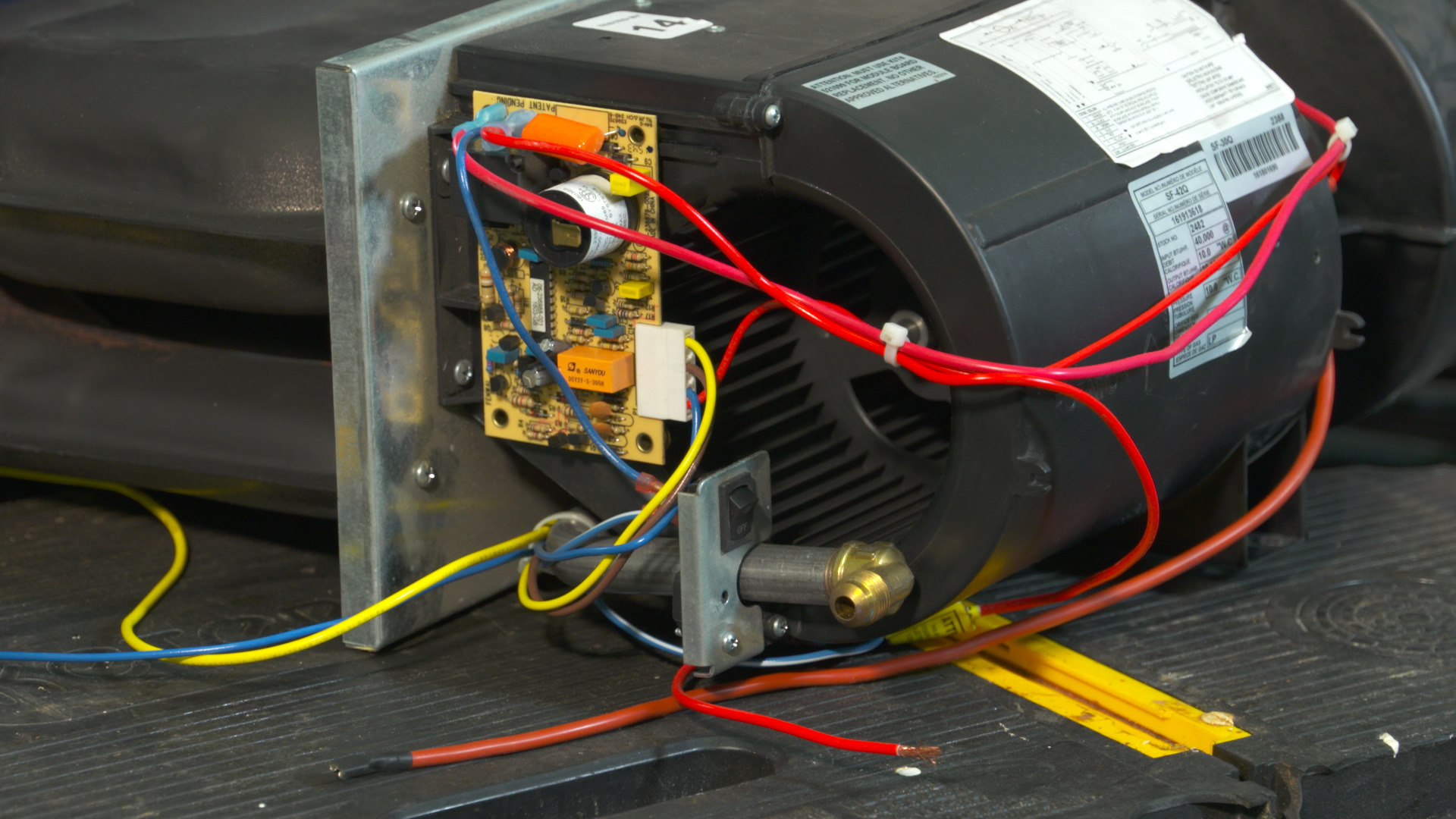
Start by turning off the furnace power. Use a multimeter to check voltage at the furnace wiring. Look for loose or corroded wires. Tighten any loose connections carefully. Check the fuse and circuit breaker too. Replace blown fuses or reset breakers. Also, inspect the furnace control board for burn marks or damage. Clean any dust or dirt from electrical parts. A steady 12-volt power supply is crucial for furnace operation.
Inspecting Propane Supply
Make sure your propane tank has enough fuel. Open the tank valve fully. Check for leaks using a soapy water solution on the connections. Look for bubbles that indicate leaks. Tighten or replace faulty fittings. Confirm the propane regulator is working properly. A weak or blocked regulator stops gas flow. Also, check the furnace gas valve for any blockages or damage. Proper propane flow is essential for ignition and heating.
Power And Fuel Checks
Suburban RV furnaces are reliable, but issues can still arise. Knowing common problems helps you fix them fast. This saves time and keeps your RV warm and cozy.
Here are frequent problems and how to identify them. Understanding these issues makes troubleshooting easier and less stressful.
Furnace Won’t Light
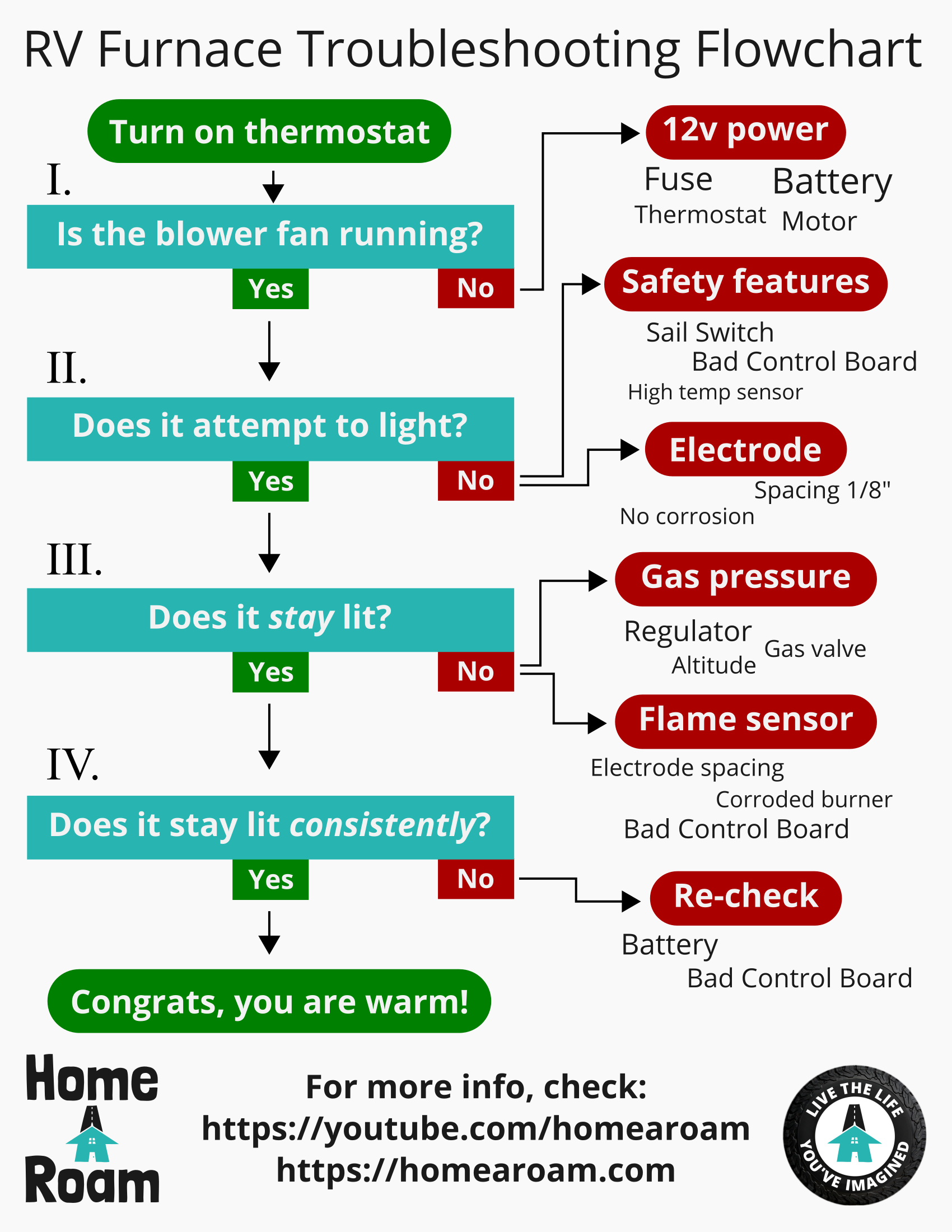
The furnace not lighting is a frequent issue. It may be caused by no gas supply or a faulty igniter. Check if the propane tank is full and the valve is open. Dirt or debris can block the igniter or pilot assembly. Cleaning these parts often solves the problem. The thermostat could also be set too low or malfunctioning. Try raising the temperature or replacing the thermostat batteries.
Fan Runs But No Heat
The fan running without heat means the furnace is working, but the burner is not. This can happen if the gas valve is stuck or the flame sensor is dirty. A dirty flame sensor fails to detect the flame and shuts off the burner. Clean the sensor with fine sandpaper or a soft cloth. Also, inspect the gas valve for proper operation. If the valve is defective, it needs replacement to restore heat.
Furnace Shuts Off Unexpectedly
Unexpected shutdowns happen due to safety switches or overheating. The high limit switch stops the furnace if it gets too hot. Blocked air vents or a clogged exhaust can cause overheating. Clean vents and check for airflow problems. Another cause is a faulty sail switch, which detects air pressure. Dust buildup can prevent it from working correctly. Cleaning or replacing the sail switch often fixes this issue.
Common Issues
Airflow and ventilation are vital for your Suburban RV furnace’s safe and efficient operation. Proper airflow ensures the furnace heats your RV evenly. It also prevents dangerous gas buildup. Poor ventilation can cause the furnace to shut down or fail to ignite. Regular checks help keep vents clear and airflow steady. This section covers key steps to maintain airflow and ventilation.
Clearing Clogged Exhaust Vents
Exhaust vents can get clogged with dirt, leaves, or snow. Blocked vents stop harmful gases from exiting your RV. This creates a safety risk and lowers furnace performance. Check the outside vent for any visible blockages. Use a brush or compressed air to clean debris. Never use sharp tools that might damage the vent. Make sure the vent cover is secure but not obstructed. Clear vents allow exhaust to flow freely and the furnace to work properly.
Ensuring Proper Airflow
Proper airflow depends on clean intake vents and working fans. Dust or bugs can block intake vents. Regularly inspect and clean the intake screen. Inside, check the furnace blower fan for dust buildup. A dirty fan reduces airflow and heating power. Replace or clean air filters if your model has them. Keep interior vents open and unblocked by furniture or curtains. Good airflow supports efficient heating and prevents the furnace from overheating.
Sail Switch Problems
Diagnosing issues with your Suburban RV furnace requires a clear approach. Start by observing how the furnace behaves. This step helps pinpoint the source of the problem quickly. Basic tests can reveal if the thermostat or other components cause the malfunction.
Simple checks often solve common troubles. Use careful steps to avoid damage and ensure safety. These diagnostic tips aim to guide you through the process smoothly.
Bypassing The Thermostat
Bypassing the thermostat is a useful test to check furnace operation. Disconnect the thermostat wires from the furnace control board. Carefully touch the wires together to complete the circuit manually. This action should trigger the furnace to start.
If the furnace runs after bypassing the thermostat, the thermostat likely needs replacement. If it does not run, the problem lies elsewhere in the system. This test helps isolate issues effectively.
Observing Furnace Behavior
Watch the furnace carefully during operation. Listen for unusual sounds like clicking or humming. Note if the furnace tries to ignite but fails or if it stays silent. Check if the blower fan runs consistently or stops unexpectedly.
Observe any error lights or flashing codes on the control board. These signals provide clues to specific faults. Tracking these behaviors guides you to the next troubleshooting step.
Igniter Troubleshooting
Proper maintenance keeps your Suburban RV furnace running smoothly. It prevents breakdowns and extends its life. Follow simple steps to maintain your furnace regularly. These practices ensure warm and safe travels in your RV.
Regular Cleaning Tips
Dust and dirt cause many furnace problems. Clean the furnace exterior and vents often. Use a soft brush or vacuum to remove debris. Check and clean the sail switch carefully. Make sure the flame sensor is free of soot. A clean furnace burns fuel efficiently and safely.
Seasonal Maintenance Checklist
Before winter, inspect your furnace thoroughly. Check the gas lines for leaks or damage. Test the igniter and replace if it is weak. Verify the thermostat works correctly. Clean or replace the air filter. Look over the exhaust vent for blockages. Run the furnace to ensure it heats well. Seasonal checks help catch problems early and save repair costs.

Credit: www.youtube.com
Frequently Asked Questions
What Is The Most Common Problem With The Rv Furnace?
The most common RV furnace problem is a faulty or blocked sail switch. Dust or debris often causes it to fail, preventing ignition.
What Are The Common Problems With Suburban Rv Furnaces?
Common problems with Suburban RV furnaces include failure to ignite, blocked sail switches, faulty igniters, clogged vents, and electrical issues. Dust, dirt, or pet hair often obstruct the sail switch, causing shutdowns or cold air blowing. Checking power, propane, and airflow helps diagnose these issues.
Do Rv Furnaces Have A Reset Button?
Yes, some RV furnaces have a reset button on the unit. Otherwise, turn off the thermostat, wait, and turn it back on to reset.
What Would Cause A Rv Furnace Not To Ignite?
A RV furnace may not ignite due to no power, empty propane tank, faulty igniter, clogged sail switch, or blocked airflow. Check power supply, propane levels, igniter function, sail switch cleanliness, and vents for obstructions.
Why Won’t My Suburban Rv Furnace Light Up?
A dirty or blocked sail switch often stops ignition. Also, check if the gas valve is open and power is on. Cleaning or resetting these parts usually helps.
Conclusion
Troubleshooting your Suburban RV furnace helps keep you warm and safe. Start with simple checks like power and propane supply. Clean dust from the sail switch to ensure proper airflow. Test the igniter and gas valve to confirm they work well.
Regular maintenance prevents many common furnace issues. Remember, small fixes often solve big problems. Stay patient and methodical during troubleshooting. Your RV furnace will run smoothly with care and attention.