If you own a Weber grill, you probably love the taste of smoky food and the fun of outdoor cooking. But even the best grills sometimes have problems. When your Weber grill stops working right, a good barbecue can quickly turn into a frustrating day. The good news? Most Weber grill problems are easy to fix with the right knowledge. This article will guide you through the most common issues, show you how to solve them, and help you avoid bigger repairs. Whether you use gas, charcoal, or electric, you’ll find clear solutions to get your grill working like new.
Common Weber Grill Problems And How To Diagnose Them
Weber grills are known for their durability, but like any appliance, they can develop issues over time. Understanding the symptoms is the first step toward a quick fix.
1. Grill Won’t Light
One of the most common complaints is a grill that simply refuses to ignite. This issue can happen with both gas and electric models. The problem usually lies in one of three areas:
- Gas supply: Is your propane tank or natural gas line open and full? Sometimes, the gas runs out or the valve is closed.
- Ignition system: The electronic igniter or spark generator may fail.
- Burner tubes: Clogged burners stop gas from reaching the ignition point.
A simple way to diagnose: listen for the clicking sound when you press the igniter and check for the smell of gas. If you hear clicking but smell no gas, it’s likely a supply issue. If you smell gas but no clicking, your igniter may be faulty.
2. Weak Or Uneven Flame
A weak flame can mean your food takes much longer to cook. Uneven heating creates hot and cold spots, making it hard to grill properly.
- Regulator issues: The pressure regulator may be stuck or damaged.
- Burner blockages: Grease, spider webs, or debris can block the burner holes.
- Low gas: An almost empty propane tank or restricted gas flow can reduce flame strength.
To check, look at the color and height of the flames. Blue flames with yellow tips are ideal. Low, orange, or flickering flames point to a problem.
3. Excessive Smoke Or Flare-ups
While some smoke adds flavor, too much can ruin your meal and indicate a fire risk.
- Grease buildup: Old grease in the catch pan or on the burners can ignite suddenly.
- Too much fat: Cooking fatty meats directly over the flame causes flare-ups.
- Dirty grill: Food residue left after previous cooks can smoke excessively.
Cleaning your grill regularly and using drip pans under fatty meats can reduce these problems.
4. Temperature Won’t Get Hot Enough
If your Weber grill can’t reach high temperatures, searing and fast grilling become impossible.
- Gas leaks or regulator problems: Leaks reduce pressure, lowering heat.
- Clogged burners: Blockages stop gas from flowing.
- Thermometer issues: Sometimes, the built-in thermometer is inaccurate.
A simple test: preheat the grill for 15 minutes. If it doesn’t get above 450°F, there’s likely a problem.
5. Igniter Clicking But Not Lighting
Sometimes you hear the igniter click, but the grill doesn’t light. This is usually an ignition system issue.
- Worn-out battery (for electronic igniters): Many Weber models use a battery for the igniter spark.
- Corroded electrodes: Moisture or grease can cause corrosion.
- Loose wires: Vibration and cleaning can disconnect the wires.
Replacing the igniter battery or cleaning the electrode tip often solves the problem.
Troubleshooting Weber Gas Grills
Gas grills are the most popular Weber models. They offer convenience but have unique problems.
Checking The Propane Tank And Gas Flow
Many gas grill problems start with the fuel supply. Here’s how to check:
- Inspect the propane tank: Make sure it’s full. A simple way is to pour hot water down the side of the tank and feel for a cool spot, which shows the gas level.
- Open the valve fully: Partially opened valves restrict flow.
- Listen for leaks: A hissing sound or the smell of gas means a leak. Use a soapy water solution around the connections; bubbles indicate a leak.
Propane Vs. Natural Gas: Key Differences
Gas source can affect troubleshooting. Here’s a quick comparison:
| Factor | Propane | Natural Gas |
|---|---|---|
| Portability | High (tanks can be moved) | Low (fixed line) |
| Gas Pressure | Higher (needs regulator) | Lower (constant supply) |
| Refilling | Manual (swap or fill tanks) | Automatic (home supply) |
| Common Issues | Empty tanks, leaks | Low pressure, blockages |
Understanding your fuel source helps you focus your troubleshooting.
Regulator Problems And How To Reset
The regulator controls gas pressure. If it senses a leak, it can go into “bypass mode,” dropping gas flow to a trickle.
To reset:
- Turn off all grill burners and the propane tank.
- Disconnect the regulator from the tank.
- Wait 30 seconds.
- Reconnect everything, open the tank valve slowly, then light as usual.
If the flame is still weak, the regulator may need replacement.
Cleaning And Checking Burners
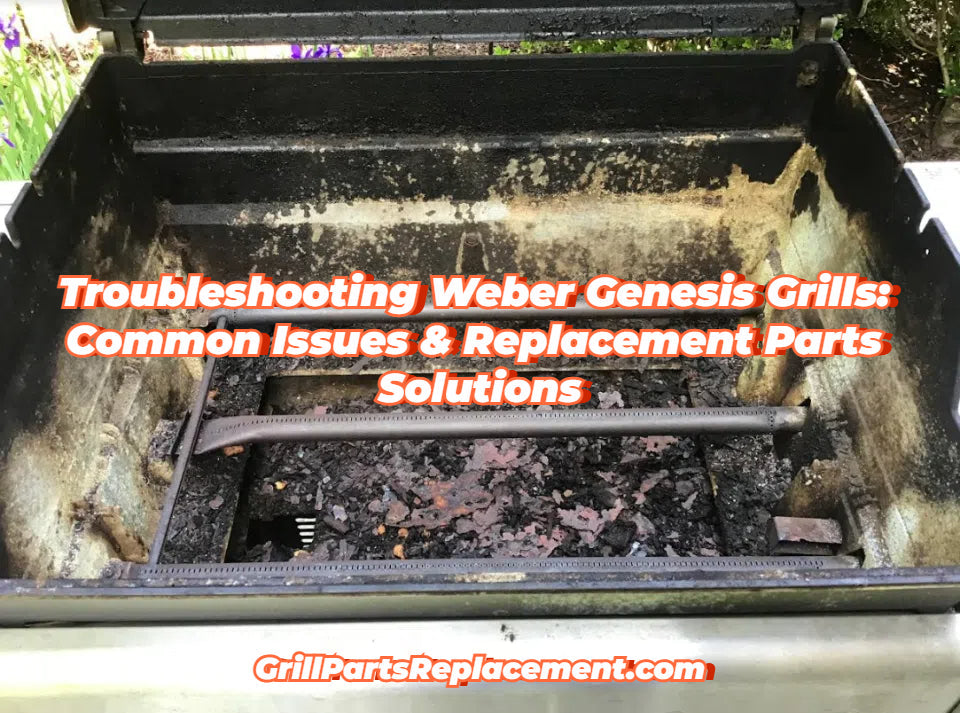
Blocked burners are a top cause of uneven heating. To clean:
- Remove the cooking grates and flavorizer bars.
- Use a brush or paperclip to clear each burner hole.
- Check for spider webs inside the tubes (a common problem, especially after winter storage).
Burners should produce an even, blue flame. If not, more cleaning or a replacement is needed.
Fixing Electric Ignition Systems
If your gas grill uses an electric igniter, check the battery first. If that doesn’t work:
- Clean the electrode tip with a wire brush.
- Make sure the wires are tightly connected.
- Look for cracks in the ceramic insulator.
If the igniter still doesn’t spark, replace it with a matching Weber part.
Troubleshooting Weber Charcoal Grills
Charcoal grills are simple, but they can still have issues. Most problems are with airflow, charcoal quality, or cleaning.
Not Getting Hot Enough
If your charcoal grill won’t get hot:
- Use enough charcoal. For high heat, fill the chimney starter to the top.
- Open all vents fully. Airflow is crucial for high temperatures.
- Avoid damp or old charcoal. It burns poorly.
A common beginner mistake is closing the vents too soon, which smothers the fire.
Difficulty Lighting Charcoal
If the charcoal won’t light:
- Use a chimney starter for even lighting.
- Avoid using too much lighter fluid; it can make the coals burn unevenly.
- Make sure the bottom vents are clear of ash.
Excessive Smoke Or Soot
Too much smoke can mean:
- Charcoal is wet or poor quality.
- Grease has built up in the bowl or on the grates.
- Food drippings are burning on the coals.
Cleaning your grill after each use prevents this.
Ash Build-up And Poor Airflow
If ash blocks the vents, airflow drops and the fire struggles. Dump ash after every cook, and check the vents for blockages.
Comparing Common Charcoal Issues
Here’s a quick overview of frequent charcoal grill problems and solutions:
| Problem | Cause | Solution |
|---|---|---|
| Low heat | Not enough charcoal, closed vents | Add charcoal, open vents fully |
| Excessive smoke | Wet charcoal, grease buildup | Use dry charcoal, clean grill |
| Hard to light | Damp charcoal, blocked vents | Dry charcoal, clear vents |
| Uneven cooking | Coal placement, dirty grates | Arrange coals evenly, clean grates |
Troubleshooting Weber Electric Grills
Electric grills are simple but can face unique issues, mostly related to power supply and heating elements.
Grill Won’t Turn On
If your electric grill doesn’t power up:
- Check the outlet. Plug another device in to make sure it works.
- Inspect the power cord for cuts or damage.
- Make sure the control knob is set to “on” and the safety switch is engaged.
If the grill still won’t start, the heating element may be faulty.
Uneven Or Low Heat
Low or uneven heat can be caused by:
- A failing heating element.
- Dirty element or cooking grates.
- Faulty thermostat.
To check the element, look for visible damage or cold spots. If it’s damaged, replace it with a genuine Weber part.
Tripped Circuit Breaker
Electric grills sometimes trip breakers, especially if used on an overloaded circuit. Use a dedicated outlet, and avoid extension cords for best results.
Cleaning And Maintenance
Electric grills need regular cleaning, just like gas and charcoal models. Make sure the grill is unplugged and cool before cleaning.
Burner And Igniter Troubleshooting: Step-by-step
Burners and igniters are the most replaced parts on Weber grills. Here’s how to fix common issues.
Cleaning Or Replacing Burners
- Remove the grates and flavorizer bars.
- Unscrew the burners (check your manual for details).
- Brush out debris and inspect for rust or holes.
- Replace if needed. Always use Weber-approved parts.
Fixing The Igniter
- For piezo igniters (manual push-button): Check for spark at the electrode tip.
- For electronic igniters: Replace the battery first, then check wiring.
If you notice a weak or no spark, clean the electrode with alcohol and a brush. Replace if the spark is still missing.
Testing For Gas Leaks
Safety is key. Every time you change a part, use a soapy water solution on all gas connections. Bubbles mean a leak—tighten connections or replace faulty parts immediately.
Weber Grill Thermometer Problems
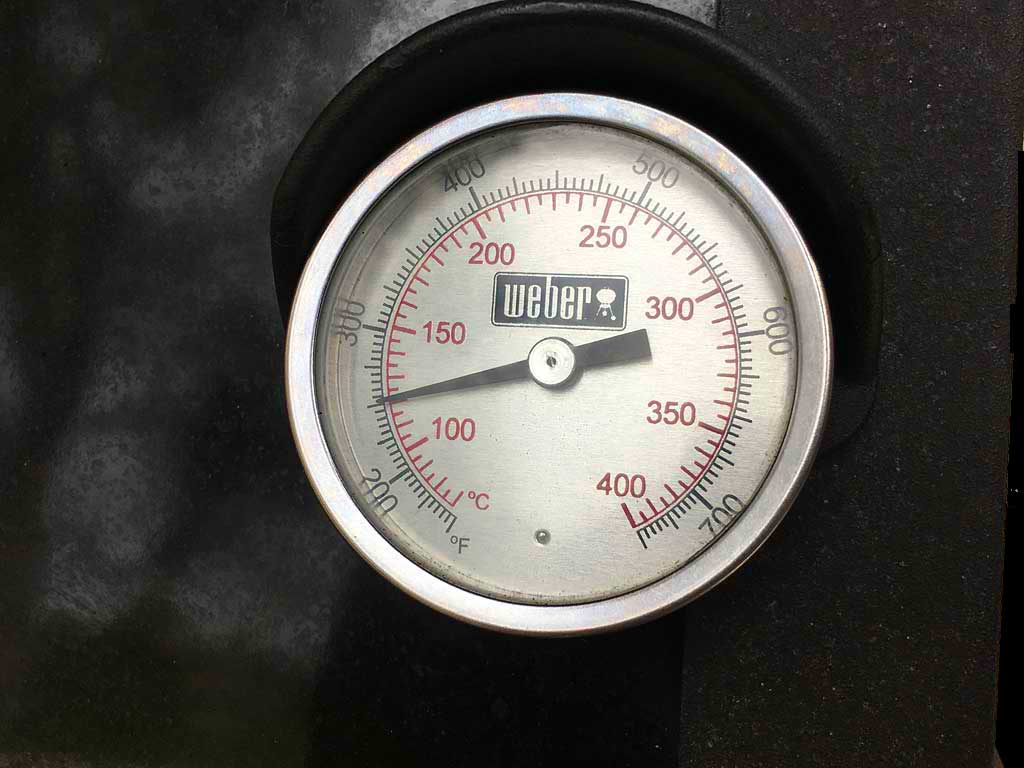
The built-in thermometer is a handy tool, but it can give false readings if not maintained.
Checking Thermometer Accuracy
To test:
- Boil water and insert the thermometer probe; it should read 212°F (100°C) at sea level.
- If off by more than 10 degrees, recalibrate or replace.
Placement Matters
For the most accurate reading, place the thermometer at grill grate level, not in the lid. Lids can be much hotter than the cooking zone.
Replacing The Thermometer
Weber sells replacement thermometers for most models. Match the part number for proper fit.
Cleaning And Maintenance For Prevention
Regular maintenance prevents most grill problems. Here’s a maintenance checklist:
- Clean grates after every use: Use a stiff brush while the grill is still warm.
- Empty the grease tray regularly: Built-up grease causes fires and smoke.
- Inspect burners and tubes: Look for blockages or rust monthly.
- Wash the outside: Use warm soapy water to keep the grill looking good.
- Store properly: Cover your grill to protect from rain and snow.
Long-term Storage Tips
For winter or long breaks:
- Disconnect and store the propane tank safely.
- Remove and clean grates, flavorizer bars, and burners.
- Cover the grill with a Weber-approved cover.
When To Replace Parts Vs. Repair
Not every problem needs a new part. Here’s a quick guide:
| Problem | Repair | Replace |
|---|---|---|
| Dirty burners | Clean thoroughly | Replace if rusted or split |
| Weak igniter spark | Clean electrode, replace battery | Replace igniter if still weak |
| Damaged grates | Clean rust, season grates | Replace if cracked or warped |
| Cracked hose | — | Replace immediately |
Insight: Many beginners waste money by replacing parts too soon. Most Weber grill issues are fixed with cleaning and careful inspection.
Advanced Troubleshooting: Dealing With Persistent Problems
Some issues need more attention. Here’s how to handle stubborn problems.
Gas Grill In Bypass Mode
Weber gas grills sometimes enter “bypass mode” if the regulator detects a leak or if the tank is opened too quickly. This reduces gas flow and keeps the grill from heating properly.
Solution: Always open the propane tank valve slowly. If bypass mode is activated, follow the reset steps described earlier.
Hot Spots And Cold Spots
Even with clean burners, you may get uneven heating. Try these tips:
- Preheat the grill fully.
- Rearrange flavorizer bars if possible.
- Rotate food during cooking.
If you still see big differences in temperature, the burners may be worn out or misaligned.
Igniter Still Not Working
If you’ve replaced the battery, checked the wiring, and cleaned the electrode but the igniter still fails, look for moisture inside the ignition housing. Let it dry thoroughly before reassembling.
Pro tip: Always keep a long-reach lighter as a backup when troubleshooting igniters.
Safety Precautions When Troubleshooting
Safety should always come first. Here are essential guidelines:
- Always turn off the gas before inspecting or cleaning.
- Never use water to put out a grease fire—use baking soda or a fire extinguisher.
- Wear gloves to protect against sharp edges.
- Never use the grill indoors, even for testing.
Non-obvious insight: Check for insect nests (especially spiders) in burner tubes after periods of storage. They can block gas flow and cause dangerous flare-ups.

Getting Help: When To Contact Weber Support
If you’ve tried all the steps above and still have trouble, Weber’s customer support is very helpful. They can guide you through further troubleshooting or help you order the right parts.
- Have your grill’s model and serial number ready.
- Take photos of the problem area to share if needed.
Weber’s official website has manuals, FAQs, and a parts finder tool: Weber Official Support.
Frequently Asked Questions
Why Does My Weber Grill Make A Popping Noise When Heating Up?
Popping sounds often mean moisture inside the burner tubes or flavorizer bars. When water heats up quickly, it can turn to steam with a pop. Make sure your grill is dry before use, especially after cleaning or rain.
My Grill Heats Unevenly. What Should I Do?
Check for clogged burner holes or dirty flavorizer bars. Clean all burners and make sure they’re properly aligned. If the problem continues, burners may need replacement.
How Often Should I Clean My Weber Grill?
Clean the grates after every use. Deep clean burners, flavorizer bars, and the inside of the grill at least once a season or every 20–30 uses. Regular cleaning prevents most common problems.
Can I Use Third-party Parts On My Weber Grill?
It’s best to use genuine Weber parts. Third-party components may not fit properly or could void your warranty. Always check with Weber support if you’re unsure.
Why Does My Weber Grill’s Flame Go Out Suddenly?
Sudden flame-outs are usually caused by wind, low gas pressure, or a faulty regulator. Make sure the grill is sheltered from strong wind, check the gas supply, and reset the regulator if needed.
A well-maintained Weber grill should last for many years of reliable cooking. By learning basic troubleshooting steps and practicing regular care, you’ll enjoy great grilling results with less hassle. Remember, most problems have simple solutions—and sometimes, a little patience and cleaning go a long way.
Happy grilling!
Credit: virtualwebergasgrill.com