When your American Standard toilet starts acting up, it can be frustrating. A toilet is something most people take for granted—until it stops working right. Many issues with these toilets are common and fixable without calling a plumber. With the right information and a little time, you can solve most problems yourself and save money.
This guide will walk you through the most frequent issues with American Standard toilets, how to identify the causes, and step-by-step troubleshooting methods. You’ll also learn when it’s better to call an expert and how to prevent future problems.
Understanding How American Standard Toilets Work
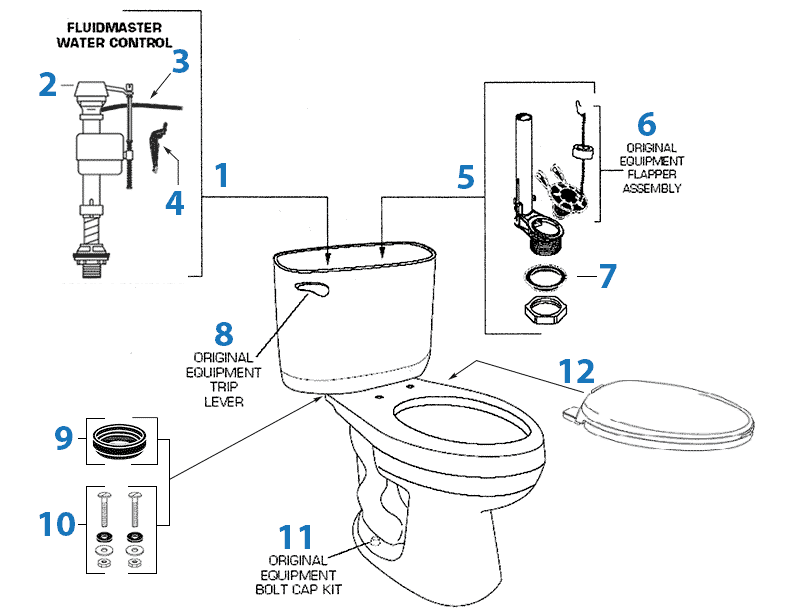
Before you start fixing, it helps to know how your toilet works. American Standard toilets use a gravity-flush system or, in some models, a pressure-assisted flush. Both systems rely on a few main parts:
- Tank lever: The handle you press to flush.
- Flapper: A rubber seal that lifts to let water flow into the bowl.
- Fill valve: Refills the tank after a flush.
- Float: Controls water level in the tank.
- Overflow tube: Prevents tank overfilling.
In gravity models, water flows from the tank into the bowl by gravity. In pressure-assisted models, air pressure helps push the water, giving a stronger flush.
Non-obvious insight: Many people don’t realize that even small changes in these parts—like a slightly misaligned float—can cause big problems. Also, different American Standard models have slightly different parts, so always check your owner’s manual for diagrams.
Common American Standard Toilet Problems
Most toilet issues fall into a few categories. Here are the most frequent problems owners face:
- Toilet won’t flush
- Toilet runs continuously
- Weak or incomplete flush
- Toilet leaks at base
- Tank fills slowly
- Toilet makes strange noises
- Phantom flushes (toilet refills on its own)
- Sweating tank
- Loose or rocking toilet
- Handle is stuck or loose
Each issue can have several possible causes. Let’s look at how to diagnose and fix them.
Toilet Won’t Flush
Few things are more annoying than pressing the handle and nothing happens. If your American Standard toilet won’t flush, check these causes:
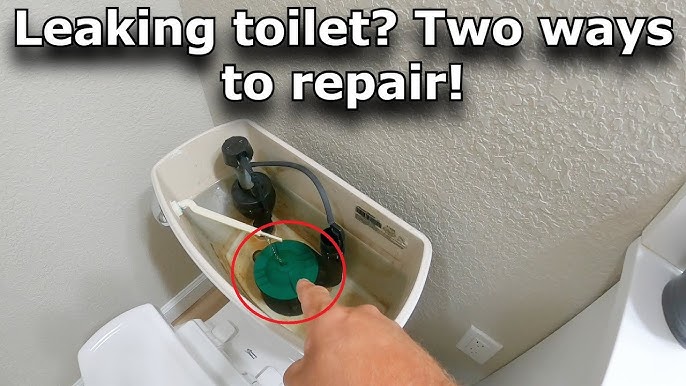
1. Broken Handle Or Chain
The handle or the chain inside the tank could be disconnected or broken. Open the tank lid and watch what happens when you press the handle. If it’s loose or the chain isn’t lifting the flapper, reconnect or replace as needed.
2. Flapper Issues
If the flapper doesn’t lift, the flush won’t start. Sometimes, mineral buildup or age makes the flapper stick. Clean or replace it if it’s warped or worn out.
3. Water Level Too Low
If the water level is below the marked line, there won’t be enough force to flush. Adjust the float so the tank fills to the correct level. Check your manual for the right water height.
4. Clogged Rim Holes
For gravity toilets, small holes under the rim can get clogged with mineral deposits, reducing water flow. Scrape gently with a small brush or use vinegar to dissolve buildup.
Pro tip: Always turn off the water supply before removing or replacing parts inside the tank.
Toilet Runs Continuously
A toilet that won’t stop running wastes water and can raise your bill. Common causes include:
1. Flapper Not Sealing
When the flapper doesn’t seal fully, water leaks into the bowl, and the tank never fills. Check for debris or mineral buildup on the flapper or seat. Clean or replace the flapper if needed.
2. Fill Valve Problems
A faulty fill valve might keep letting water into the tank. Test by lifting the float arm. If water doesn’t stop, you may need to adjust or replace the fill valve.
3. Float Needs Adjustment
If the float is set too high, water will flow into the overflow tube, causing the toilet to run. Lower the float so the water stops below the overflow tube.
Non-obvious insight: Sometimes, a slow leak at the flapper is hard to see. Put a few drops of food coloring in the tank and wait 15 minutes. If the color appears in the bowl, the flapper is leaking.
Weak Or Incomplete Flush
A weak flush is a common problem, especially in older American Standard models. Here’s what to check:
1. Low Water Level
If the tank doesn’t fill enough, the flush will be weak. Adjust the float or fill valve as needed.
2. Clogged Rim Holes Or Siphon Jet
Mineral deposits can block the rim holes (small holes under the bowl rim) or the siphon jet (a larger hole at the bottom of the bowl). Use a small mirror and wire to clear these, or soak with vinegar overnight.
3. Partial Clog In Trap Or Drain
A partial clog can reduce flushing power. Try a plunger or a toilet auger. Avoid using chemical drain cleaners—they can damage seals and porcelain.
Toilet Leaks At The Base
Water around the base of your toilet usually means a seal is broken.
1. Wax Ring Failure
The most common cause is a worn wax ring under the toilet. This ring seals the toilet to the drain. Replacing it means removing the toilet, cleaning the old wax, and installing a new ring.
2. Loose Mounting Bolts
If the bolts at the base are loose, the toilet can rock and leak. Tighten the bolts gently—over-tightening can crack the porcelain.
3. Cracked Toilet Base
Rarely, a crack in the base can cause leaks. If you see a visible crack, the toilet may need to be replaced.
Practical tip: After fixing a leak, dry the area and sprinkle talcum powder around the base. If it gets wet again, you’ll quickly see where the leak is coming from.
Tank Fills Slowly
A slow-filling tank makes the toilet less convenient to use.
1. Partially Closed Shutoff Valve
Check that the shutoff valve (usually behind the toilet) is fully open.
2. Clogged Fill Valve
Sediment can clog the fill valve. Shut off the water, remove the valve cap, and rinse out debris. If cleaning doesn’t help, replace the fill valve.
3. Low Water Pressure
If your home’s water pressure is low, all toilets may fill slowly. Check other fixtures to confirm. If only the toilet is affected, the problem is inside the toilet.
Toilet Makes Strange Noises
Gurgling, whistling, or banging sounds after flushing can be puzzling.
1. Water Hammer
A loud bang after flushing is called water hammer. It’s caused by fast-moving water stopping suddenly. Installing a water hammer arrestor can fix this.
2. Hissing Or Whistling
A hissing sound usually means water is leaking past the fill valve. Adjust or replace the valve.
3. Gurgling
Gurgling often means a venting problem or partial clog in the drain. If multiple fixtures gurgle, you may need a plumber to check your vent stack.
Phantom Flushes
If your toilet refills on its own when no one has used it, you’re experiencing a “phantom flush.” This means water is slowly leaking from the tank to the bowl, usually due to:
- Worn flapper
- Dirty flapper seat
- Chain caught under the flapper
Replace the flapper and clean the seat area to stop phantom flushes.
Sweating Tank
Sometimes, your American Standard toilet tank will “sweat” on the outside, especially in summer. This happens when cold water in the tank meets warm, humid air.
Solutions
- Install a tank liner to insulate the tank.
- Use an anti-sweat valve that mixes a little warm water with cold.
- Improve bathroom ventilation.
Loose Or Rocking Toilet
A rocking toilet is uncomfortable and can damage the floor.
Causes
- Loose mounting bolts
- Worn wax ring
- Uneven floor
Tighten the bolts evenly. If rocking continues, remove the toilet and add shims or replace the wax ring as needed.
Handle Problems
If the handle is stuck, loose, or hard to press, try these fixes:
- Tighten the mounting nut inside the tank.
- Replace the handle if it’s corroded.
- Adjust or replace the chain if it’s too long or short.
Quick Reference: Problem And Solution Table
Here’s a comparison table for fast troubleshooting:
| Problem | Most Likely Cause | Quick Fix |
|---|---|---|
| Toilet won’t flush | Disconnected chain or broken handle | Reconnect chain, replace handle |
| Toilet runs nonstop | Flapper not sealing, float set too high | Clean or replace flapper, adjust float |
| Weak flush | Low water level, clogged rim holes | Raise water level, clean rim holes |
| Leak at base | Bad wax ring, loose bolts | Replace wax ring, tighten bolts |
| Phantom flushes | Worn flapper | Replace flapper |
When To Replace Parts Vs. The Whole Toilet
Many repairs involve just replacing small parts, but sometimes the whole toilet should be replaced. Here’s a guide:
| Situation | Replace Part | Replace Toilet |
|---|---|---|
| Worn flapper, fill valve, handle | ✔️ | |
| Cracked tank or bowl | ✔️ | |
| Frequent clogs, poor flush even after repairs | ✔️ | |
| Cosmetic damage (chips, stains) | ✔️ (sometimes) | |
| Old toilet (20+ years) | ✔️ (for efficiency) |
Expert tip: If your toilet is very old, replacing it can save water. New American Standard toilets use only 1.28 gallons per flush, compared to 3.5–5 gallons in older models.
Advanced Troubleshooting: Pressure-assisted Models
Some American Standard toilets use a pressure-assist system (like the Champion or Cadet Pressure Assist). These need special attention:
- Loud flush: Normal for these models, but if it gets louder, check for loose parts inside the tank.
- Short flush cycles: Check the air pressure vessel for leaks.
- Leaks inside tank: Tighten gaskets or call a pro.
Warning: Never open the air vessel if you’re not trained. High pressure can be dangerous.
Preventing Common Toilet Problems
Prevention is often easier than repair. Here’s how to avoid common issues:
- Clean the tank and bowl monthly: Use a gentle cleaner to avoid damaging seals.
- Check the flapper and fill valve twice a year: Replace worn parts early.
- Avoid chemical drain cleaners: They can destroy seals and porcelain.
- Don’t flush non-toilet paper items: Even “flushable” wipes can clog toilets.
- Inspect mounting bolts annually: Tighten if needed to prevent leaks and rocking.
Non-obvious tip: Hard water can speed up mineral buildup. If you live in an area with hard water, consider installing a water softener or using a vinegar soak for the rim holes and siphon jet twice a year.
Troubleshooting With American Standard Model Numbers
Every American Standard toilet has a model number, usually inside the tank or under the lid. Knowing your model helps you:
- Find the right replacement parts
- Download the correct manual
- Get support from American Standard’s website
How to find the model number: Remove the tank lid and look for a stamped or printed number. Write it down for future reference.
When To Call A Professional
While many toilet issues are DIY-friendly, some situations need a plumber:
- Persistent leaks after replacing the wax ring
- Cracked porcelain
- Sewer smells
- Water backing up into the tub or sink when you flush
- Difficulty removing or reseating the toilet
If you’re unsure, it’s safer to call an expert. Fixing mistakes can be more expensive than hiring a pro from the start.
American Standard Toilet Troubleshooting: Cost Comparison
How much can you save by fixing your own toilet? Here’s an estimate:
| Repair | DIY Cost (Parts Only) | Plumber Cost (Parts + Labor) |
|---|---|---|
| Replace flapper | $8–$15 | $80–$120 |
| Replace fill valve | $15–$25 | $100–$150 |
| Replace wax ring | $5–$10 | $120–$180 |
| New handle | $8–$20 | $70–$110 |
Doing your own repairs can save hundreds of dollars over the life of your toilet.
Mistakes To Avoid When Troubleshooting
- Not turning off the water: Always shut off the water supply before opening the tank.
- Forgetting to flush after turning off water: This empties the tank and prevents spills.
- Over-tightening bolts: Porcelain cracks easily; tighten just enough to stop leaks.
- Using harsh chemicals: Stick to mild cleaners and vinegar for mineral buildup.
- Guessing at replacement parts: Use your model number to get the right part.
Pro insight: If you replace a part and the problem comes back soon, check for other hidden issues, like high water pressure or a warped tank.
American Standard Toilet Maintenance Schedule
Regular checks keep your toilet working smoothly. Here’s a simple schedule:
- Monthly: Clean bowl and tank, check for leaks.
- Every 6 months: Inspect flapper, fill valve, and handle.
- Yearly: Tighten mounting bolts, check water supply line for drips.
- Every 3–5 years: Replace flapper and fill valve, even if they seem fine.
Small maintenance steps prevent big headaches later.
American Standard Toilet Troubleshooting Resources
If you need more help, American Standard offers guides and videos. Their official website has manuals for every model and answers for many problems. You can also find helpful videos on YouTube from trusted plumbing experts.
For model-specific questions, visit the official American Standard Troubleshooting page.
Frequently Asked Questions
Why Does My American Standard Toilet Run After Flushing?
The most common cause is a flapper not sealing or a float set too high. Check for debris under the flapper or adjust the float. If the problem continues, replace the flapper or fill valve.
How Do I Stop My American Standard Toilet From Leaking At The Base?
Usually, you need to replace the wax ring under the toilet and tighten the mounting bolts. If the floor is uneven, use toilet shims. If you see a crack in the porcelain, the toilet must be replaced.
What Should I Do If My Toilet Won’t Flush Completely?
Check the water level in the tank first. If it’s low, adjust the float. If the rim holes or siphon jet are clogged, clean them with a wire and vinegar. For frequent partial clogs, use a plunger or auger.
Why Does My American Standard Toilet Make A Hissing Sound?
A hissing sound usually means water is escaping from the fill valve or a worn flapper. Replace the fill valve or flapper. If the sound continues, check for leaks in the supply line.
How Often Should I Replace The Flapper Or Fill Valve?
Most flappers last 3–5 years, but hard water can shorten this time. Replace the fill valve every 5–7 years or if you notice slow filling, hissing, or constant running.
conclusion
Solving American Standard toilet issues is often easier than it looks. With the steps above, you can diagnose, repair, and prevent most problems. Regular maintenance, using the right parts, and knowing when to call a professional will keep your toilet working reliably for years.
If you run into a tricky problem, don’t hesitate to use official resources or call a licensed plumber for help.