Is your car’s air conditioning acting up just when you need it most? You’re not alone.
When your automotive AC starts blowing warm air or making strange noises, it can turn every drive into an uncomfortable experience. But before you rush to the mechanic, there are simple steps you can take to troubleshoot the problem yourself.
In this guide, you’ll discover easy and effective ways to identify what’s wrong with your car’s AC system—and how to fix it. Keep reading, and take control of your comfort on the road today.
Common Ac Problems
Automotive air conditioning problems can make driving uncomfortable. Knowing common issues helps you spot problems early. This saves time and money on repairs. The following are frequent AC problems and their symptoms.
No Cold Air
The AC blows warm or hot air instead of cold. This may mean low refrigerant or a leak. A faulty compressor can also cause this. Check if the AC compressor clutch is engaging. A broken thermostat might stop cooling too.
Weak Airflow
Airflow feels weak or slow from the vents. Clogged cabin air filters often cause this. Blocked or damaged ducts reduce airflow as well. The blower motor might be failing. Dirt buildup in the system can limit air circulation.
Strange Noises
Unusual sounds come from the AC system. Rattling may mean loose parts inside the unit. Squealing or grinding often signals a bad belt or motor. Clicking noises might come from the blend door actuator. Strange sounds need quick attention to avoid bigger damage.
Bad Odors
Foul smells come from the AC vents. Mold and mildew grow in moist ducts. Dirty filters trap dust and bacteria causing odors. A clogged drain tube can cause water buildup and smell. Regular cleaning prevents unpleasant AC odors inside your car.

Basic Checks
Basic checks help find common problems with automotive AC systems. These checks save time and money by spotting simple issues early. They do not require special tools or skills. Anyone can perform these steps to ensure the AC works properly.
Inspecting Fuses
Fuses protect the AC system from electrical faults. A blown fuse stops the AC from working. Open the fuse box and find the AC fuse. Look for a broken wire inside the fuse. Replace any blown fuse with one of the same size and rating.
Checking Refrigerant Levels
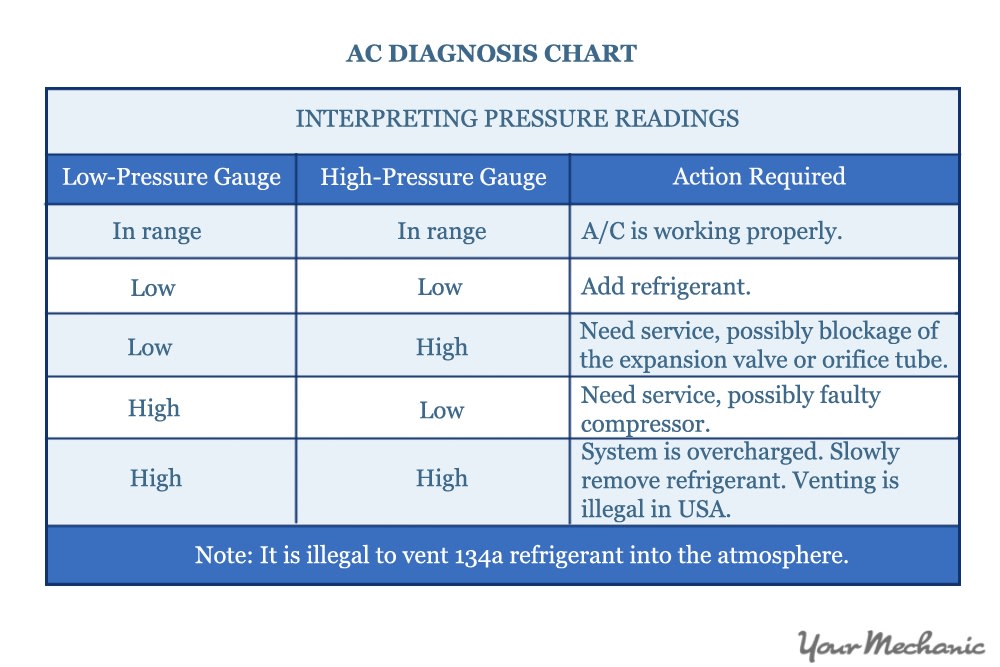
Refrigerant cools the air inside the car. Low refrigerant causes weak or no cooling. Use a pressure gauge to check refrigerant levels. Follow the vehicle manual for correct pressure values. Add refrigerant only if levels are low, avoiding overfilling.
Examining Belts And Hoses
Belts and hoses connect parts of the AC system. Cracks or damage can cause leaks or failure. Check belts for cracks or looseness. Squeeze hoses gently to find soft spots or leaks. Replace damaged belts and hoses promptly to keep the AC running.
Diy Quick Fixes
Car air conditioning problems can be frustrating. Many issues can be fixed at home. These quick fixes save time and money. They do not need special tools or skills. Try these simple steps to improve your car’s AC performance.
Recharging Refrigerant
The AC may blow warm air due to low refrigerant. Check the pressure with a gauge. Buy a refrigerant recharge kit from a store. Attach the hose to the low-pressure port carefully. Add refrigerant slowly and watch the pressure. Stop once it reaches the correct level. Avoid overcharging, which can cause damage.
Replacing Cabin Air Filter
A dirty cabin air filter reduces airflow and cooling. Locate the filter behind the glove box or under the dashboard. Remove the old filter and check its condition. Insert a new filter that fits your car model. This simple swap improves air quality and AC efficiency. Replace the filter every 12,000 to 15,000 miles.
Cleaning Condenser Coils
The condenser coils can get clogged with dirt and bugs. This blocks airflow and reduces cooling power. Find the condenser at the front of the radiator. Use a soft brush or compressed air to clean the coils. Be gentle to avoid bending the fins. Regular cleaning keeps the AC system working well.
When To Seek Professional Help
Knowing when to seek professional help for your car’s AC can save time and money. Some problems need expert tools and skills. Trying to fix complex issues alone can cause more damage.
Recognize the signs that require a mechanic’s attention. Early action can prevent costly repairs and keep your AC running smoothly.
Persistent Cooling Issues
If your AC stays warm despite your efforts, it signals a deeper problem. Simple fixes may not work. A professional can check for leaks, low refrigerant, or blocked components. Persistent cooling issues often need special equipment to diagnose and repair.
Electrical System Problems
Electrical faults in the AC system can be tricky and dangerous. Blown fuses, faulty switches, or wiring issues need careful handling. Professionals use diagnostic tools to find electrical problems quickly. Avoid DIY fixes here, as wrong steps can cause bigger failures.
Compressor Failures
The compressor is a vital part of the AC system. Strange noises, no cold air, or the compressor not turning on are warning signs. Repairing or replacing a compressor needs skill and proper tools. Professionals ensure the job is done safely and correctly.
Preventive Maintenance Tips
Preventive maintenance helps keep your car’s AC system working well. It stops small problems from becoming big, costly repairs. Routine care improves comfort and extends the life of your AC system. Simple steps can save time and money on repairs.
Regular Ac System Inspection
Check the AC system every few months. Look for leaks, strange noises, or weak airflow. Inspect belts and hoses for cracks or wear. A quick look can spot early signs of trouble. Take action before damage grows.
Proper Usage Practices
Turn on the AC for a few minutes each week, even in winter. This keeps the system lubricated and prevents parts from drying out. Avoid setting the temperature too low. Use recirculation mode to cool the cabin faster and reduce strain on the system.
Seasonal Maintenance Checklist
Before summer, clean or replace the cabin air filter. Check refrigerant levels and refill if low. Test the compressor and condenser for proper function. Clear debris from condenser fins to improve airflow. Regular seasonal checks keep the AC ready for hot days.
Frequently Asked Questions
Why Is My Car Ac Blowing Warm Air Sometimes?
Warm air from the car AC often means low refrigerant or a leak. The system needs proper gas levels to cool air effectively. A professional check can find and fix leaks fast.
What Causes Strange Noises When Ac Is Turned On?
Noises can come from a failing compressor or worn-out fan belts. Loose parts or debris may also cause sounds. Early checks help prevent bigger, costly repairs.
How To Know If The Ac Compressor Is Faulty?
A faulty compressor may cause weak airflow or no cooling at all. Strange noises and the AC turning on and off frequently are signs. Testing by a mechanic confirms the problem.
Why Does My Car Ac Smell Bad Sometimes?
Bad smells often come from mold or bacteria in the AC system. Moisture buildup in vents causes this smell. Regular cleaning and filter changes keep the air fresh.
How Often Should I Service My Automotive Ac System?
Servicing every 1-2 years keeps the AC running well and prevents issues. Checking refrigerant levels and cleaning parts are key steps. Regular care saves money and improves comfort.
Conclusion
Troubleshooting your car’s AC can save time and money. Start with simple checks like fuses and refrigerant levels. Keep your system clean and inspect parts often. If problems persist, a professional can help fix complex issues. Staying aware of common AC problems helps keep your car cool.
Regular care boosts comfort during hot drives. Don’t ignore warning signs; quick action prevents bigger damage. Understanding basic fixes empowers you to maintain your vehicle better. Keep your AC running smoothly for a pleasant ride every time.