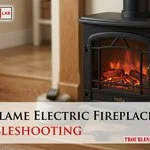
If your unit won’t turn on or is failing to produce heat, performing basic duraflame electric fireplace troubleshooting usually restores function by resetting the power connection or clearing blocked vents. Most issues start with a tripped circuit breaker or a loose plug, which prevents the heating element from drawing the electricity it needs to run. Before you assume the internal hardware is broken, check your home’s electrical panel and ensure the fireplace is plugged directly into a wall outlet rather than an extension cord.
Troubleshoot why your electric fireplace stops
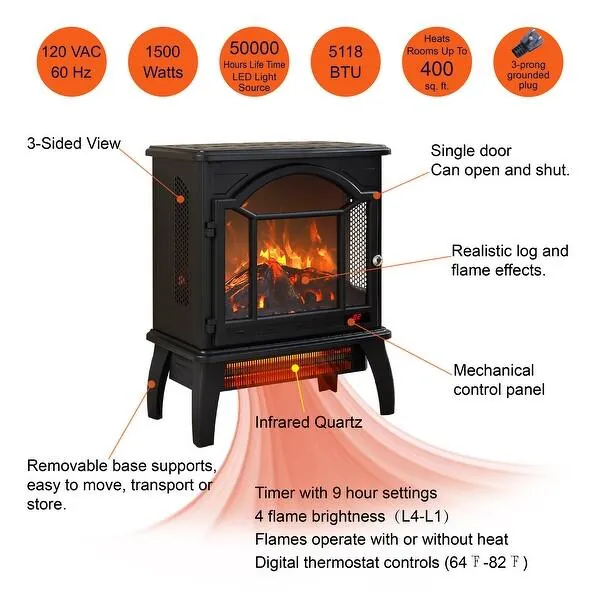
Most heating problems happen when the internal thermal safety switch triggers because of restricted airflow. If the intake or exhaust vents are covered by dust, curtains, or furniture, the unit gets too hot. To prevent a fire, the built-in sensor cuts power to the heater. This is a protective feature, not a mechanical failure, and it requires the unit to cool down completely before it resets.
Another common cause involves the power supply. These units pull a significant amount of electricity, often reaching 1,500 watts on high settings. If you use a thin power strip or a damaged extension cord, the voltage may drop, causing the heater to cycle off or refuse to start.
The Consumer Product Safety Commission warns that using improper extension cords for high-wattage appliances creates a serious fire hazard. Always plug the unit directly into a grounded wall receptacle to ensure it receives the consistent power it requires.
Finally, the remote control often stops working due to dead batteries or signal interference. If the unit works when you use the manual buttons on the fireplace itself but ignores the remote, the issue is limited to the signal path. Keep the remote within 10 to 15 feet of the unit and ensure there’s no thick glass or metal blocking the infrared receiver on the front panel.
Safety: Inside a mains-powered machine, the parts behind the outer cover can hold a dangerous electrical charge even after it has been unplugged — that’s why they sit behind a cover. Opening the housing, or testing or replacing anything behind it, is a job for a qualified technician, never a home repair.
Reset the power connection
If your unit has no lights and doesn’t respond, start by checking the power source. Unplug the unit from the wall entirely. While you wait, check your home’s breaker box to see if the switch for that room has flipped to the “off” or “tripped” position. If it has, flip it back to “on” before plugging the unit back into the wall.
This fix is for anyone whose fireplace has suddenly gone dark or stopped showing the flame effect. After the 10 minutes pass, plug the unit back into the wall outlet. Don’t use an adapter or a power strip. If the unit turns on, the issue may have been a temporary power interruption or a tripped circuit breaker. If it still doesn’t turn on, try a different outlet in the same room to rule out a faulty wall receptacle.
If you have tried two different outlets and the breaker is fine, the unit likely has an internal fault. You should contact the manufacturer’s customer support line for repair guidance. Never attempt to open the exterior housing or touch the internal wiring, as these components are designed for professional repair only. If you aren’t comfortable testing outlets with a simple plug-in tester, ask a qualified electrician to check the wiring in your home.
Clear the air vents
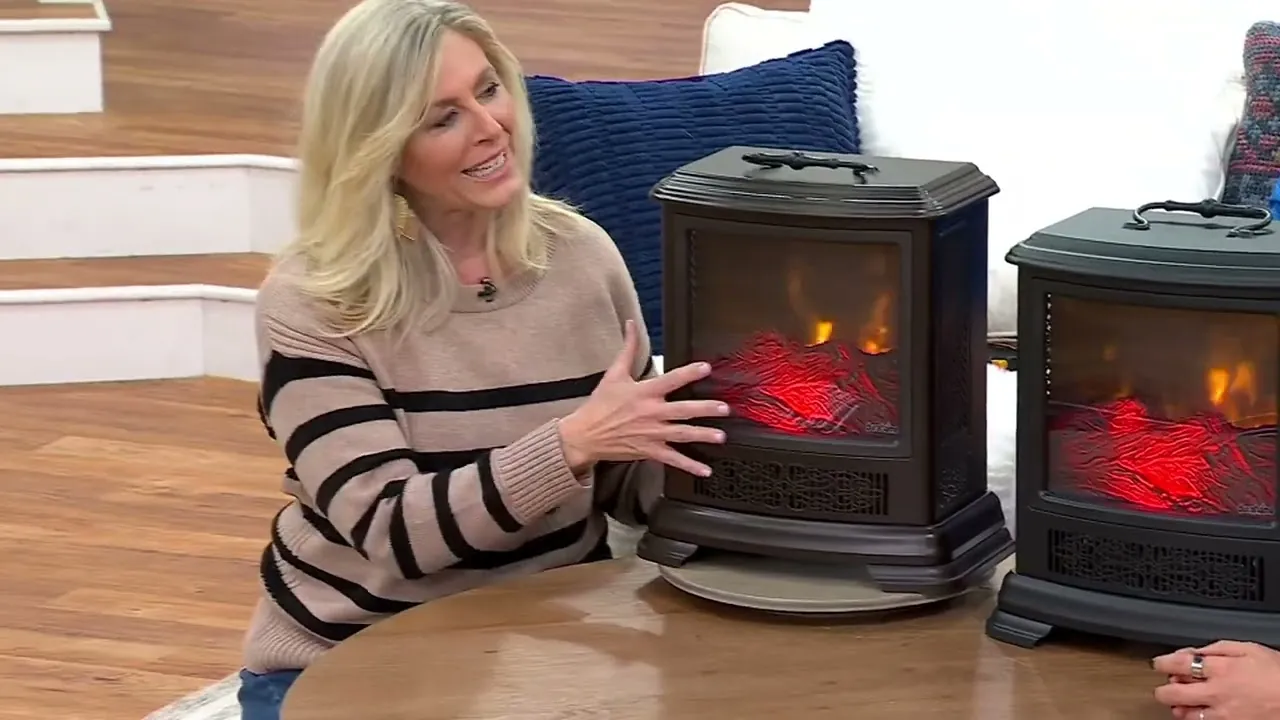
When the unit blows air but no heat comes out, the airflow is likely blocked. Locate the air intake and exhaust vents, which are typically found on the top or bottom front face of the fireplace. Use a vacuum with a soft brush attachment to remove all dust, pet hair, and lint from the grill openings. Even a small amount of buildup can trap enough heat to trigger the safety sensor.
This step is for those who hear the fan running but feel only cold air. After cleaning the vents, turn the unit off and let it sit for at least 30 minutes. This cooling period allows the unit to reach a safe temperature. Once the time is up, turn the unit back on and set the thermostat to the highest temperature. If the heat returns, you have successfully cleared the blockage.
If the fan isn’t blowing at all, the issue may be a seized motor. If you hear a grinding noise or nothing happens, don’t force the unit to stay on. Running a heater with a seized fan can cause the internal components to melt. This is the point where you must stop using the device and reach out to an authorized service center for a professional inspection.
Check the remote settings
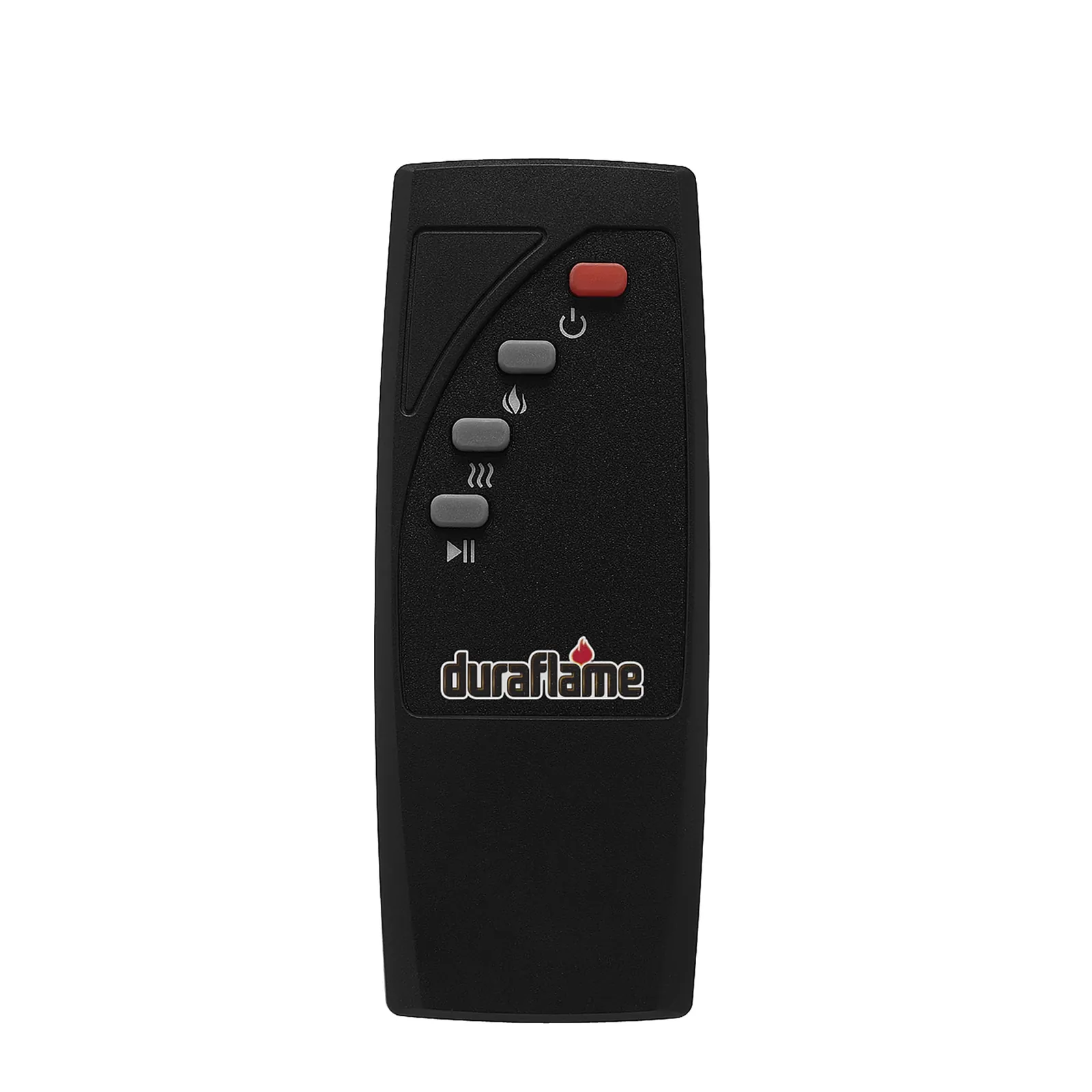
When the fireplace lights work but the heat won’t activate, check the thermostat setting on the remote. Many models have a “flame only” mode that runs the visual effect without using the heating element. Ensure the temperature is set at least 5 degrees higher than the current room temperature so the heater knows it needs to engage.
This fix is for users who have a working flame effect but no heat production. Replace the batteries in the remote with fresh alkaline cells, even if the old ones seem to have a little life left. Weak batteries often send an incomplete signal to the fireplace, which can result in the unit responding to “on” commands but ignoring “heat” commands. If the buttons on the fireplace work but the remote does not, the issue is definitely the remote.
If you have replaced the batteries and the remote still fails to trigger the heat, look for a “pairing” or “reset” button on the unit. Some models require you to hold the power button for 5 seconds to re-sync the remote signal.
If the unit still ignores the remote, the infrared receiver inside the fireplace may be faulty. You’ll need to use the physical buttons on the unit until you can get a replacement remote or have the receiver serviced by a professional.
Mistakes that cause damage
- Using extension cords: Plugging the heater into a standard household extension cord causes the cord to overheat and melt, which is a major fire risk.
- Blocking the vents: Placing the unit too close to curtains, blankets, or furniture stops the airflow and forces the safety switch to cut all power.
- Ignoring a buzzing fan: If the fan makes a loud grinding sound, stop using the unit immediately because the motor is failing and may cause an electrical short.
- Cleaning with water: Never use liquid cleaners, sprays, or wet rags on the electrical components, as moisture can cause an internal short circuit.
- Overloading the circuit: Running the fireplace on the same circuit as a microwave or toaster will cause the breaker to trip frequently.
Prevent future heating issues
| If you’re doing this | Do this instead | Why |
|---|---|---|
| Using an extension cord | Plug directly into the wall | Prevents cord overheating and voltage drops |
| Placing unit against a wall | Keep 6 inches of space | Allows air to circulate and prevents overheating |
| Waiting for it to fix itself | Vacuum the vent grills | Removes dust that triggers the safety switch |
| Leaving it on all night | Use the timer function | Reduces wear on the heating element |
| Ignoring weird smells | Unplug and inspect vents | A burning smell often indicates trapped debris |
Most users fail to realize that extension cords are the leading cause of electrical fires involving space heaters. Standard household cords often lack the gauge thickness required to handle high-wattage appliances safely. If the cord feels warm to the touch, you’re already risking a short circuit.
Check your unit’s intake vents every two weeks during the winter. If you notice a faint, metallic odor, stop usage immediately. This scent usually signals that hair or lint has bypassed the filter and is resting directly against the heating element.
If your heater has a tip-over switch, test it once a month. Simply nudge the unit while it’s running to ensure it kills the power instantly. If the unit continues to hum after it tips, the internal sensor is compromised. Replace the device rather than attempting a DIY repair, as internal thermal fuses are rarely serviceable.
Frequently asked questions
Can I leave my electric fireplace on all night?
No, don’t leave the unit running unattended while you sleep. These units are designed for supplemental heating only while you’re awake and present. Constant operation accelerates wear on the heating element and fan motor.
Why does my fireplace smell like burning plastic?
The smell is usually caused by dust particles burning off the heating element or motor. This odor typically dissipates within 30 minutes of initial use. If the smell persists or you notice charred areas, turn the unit off immediately.
How long should the flame effect last?
The LED lights typically last for 20,000 to 50,000 hours of use. If the flame effect flickers or dims, the LED board is likely reaching the end of its life. You can continue using the heat, but contact the manufacturer for potential replacements.
Is it safe to put a TV on top of the fireplace?
Yes, you may place a television on the unit if the manual confirms it supports the weight. Ensure the TV doesn’t block any top-mounted vents, as this traps heat and triggers the safety sensor.
What happens if I use a faulty power outlet?
A loose outlet can cause power flickers that damage the digital control board. Faulty outlets often feel warm or show discoloration. If you suspect damage, stop using the outlet and have a licensed electrician replace the receptacle.
How often should I clean the air vents?
Clean the vents at least once every month during the heating season to maintain efficiency. Dust and lint buildup can restrict airflow and cause the unit to overheat. If you have pets, check the vents every two weeks.
Conclusion
If these simple checks don’t resolve the problem, don’t worry. You can reach out to the manufacturer’s customer support team with your model number handy. They’ll help you determine if a part needs replacing so you can get back to enjoying your cozy, warm home as soon as possible.
Related guides