Is your Champion generator acting up when you need it most? You rely on it for power, so when it falters, frustration sets in fast.
But don’t worry—fixing common issues doesn’t have to be complicated or expensive. In this guide, you’ll discover simple troubleshooting tips that can get your generator back to work quickly. By the end, you’ll know exactly what to check and how to solve problems like a pro.
Keep reading to take control of your Champion generator and avoid downtime when it matters most.
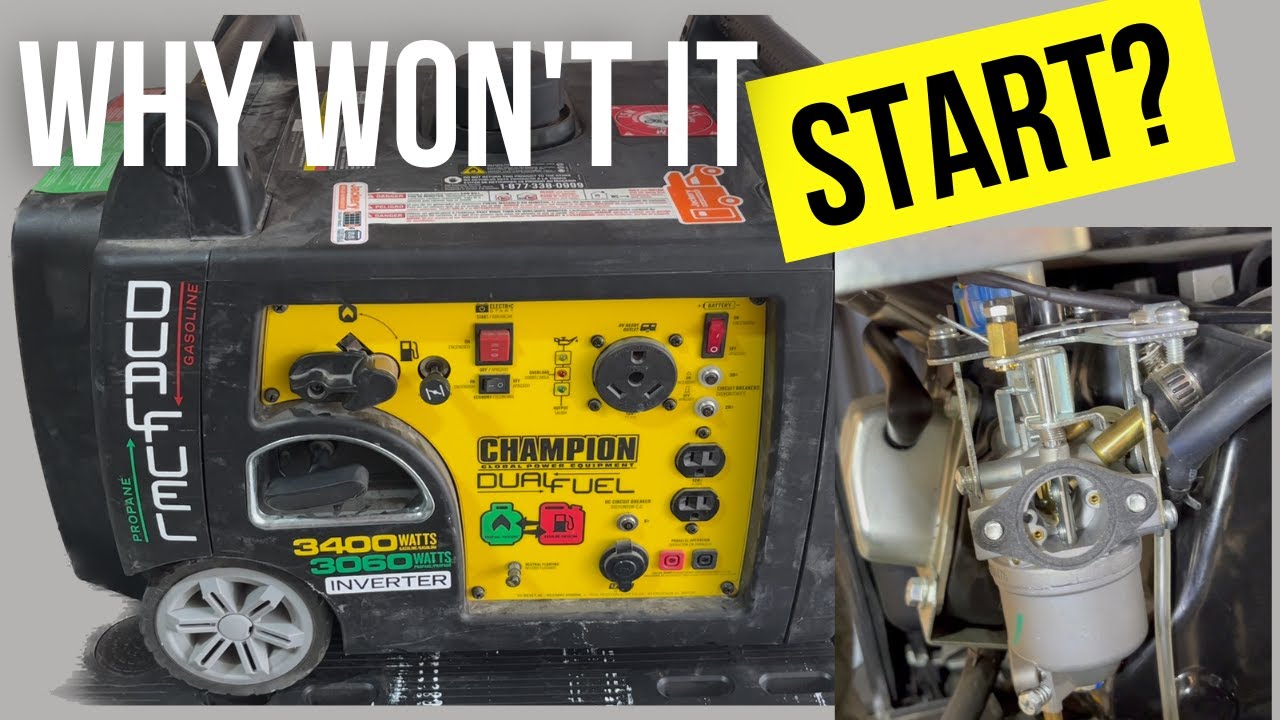
Common Champion Generator Issues
Champion generators are reliable machines, but they can face common issues. Knowing these problems helps you fix them fast. It keeps your generator working when you need power the most.
Starting Problems
Starting issues happen if the fuel is old or dirty. The battery might be weak or dead. A clogged air filter can stop the engine from starting. Check these parts before calling for help.
Power Fluctuations
Power may rise and fall due to loose wires or bad connections. Overloading the generator causes unstable power output. The voltage regulator might be faulty. Inspect wiring and avoid using too many devices.
Unusual Noises
Strange sounds can mean loose parts or worn bearings. A rattling noise often points to loose screws or bolts. Humming or buzzing may signal electrical problems. Listen carefully and check the generator regularly.
Overheating Signs
Overheating happens if cooling fans are blocked or broken. Running the generator too long without breaks causes heat build-up. Dirty oil or low coolant levels add to the problem. Watch for a hot smell or smoke and turn off the machine quickly.
Basic Troubleshooting Steps
Troubleshooting a Champion generator starts with some basic checks. These steps help find common problems fast. Anyone can do them with simple tools and little experience. Follow these easy steps to get your generator running smoothly again.
Checking Fuel Supply
Fuel is the lifeblood of your generator. Make sure the fuel tank has enough fresh gasoline. Old fuel can cause the engine to stall or not start. Look for leaks or blockages in the fuel line. Clean or replace the fuel filter if needed. Proper fuel flow keeps your generator working well.
Inspecting Spark Plugs
Spark plugs ignite the fuel to start the engine. Remove the spark plug and check its condition. A dirty or worn spark plug can stop the generator from running. Clean the plug with a wire brush or replace it if damaged. Set the gap to the correct size for best performance.
Testing Battery Health
Battery issues cause starting problems in electric-start models. Use a multimeter to check the battery voltage. A fully charged battery reads around 12.6 volts. Clean battery terminals and tight connections improve power flow. Replace the battery if it cannot hold a charge.
Examining Wiring Connections
Loose or damaged wires create electrical faults. Inspect all wiring for cuts, corrosion, or loose ends. Secure any loose wires with connectors or tape. Check the main switch and circuit breakers for proper function. Solid wiring ensures your generator runs safely and reliably.
Quick Fixes For Frequent Problems
Champion generators are reliable, but small issues can happen. Quick fixes help get your generator running fast. These easy steps save time and money. You don’t always need a professional to solve common problems.
Below are some simple ways to troubleshoot frequent issues. Follow these tips carefully to keep your generator working well.
Resetting The Generator
Resetting can fix many minor problems. Turn off the generator and unplug all devices. Wait a few minutes to let it cool down. Press the reset button, usually near the engine or control panel. Turn the generator back on. This step clears error codes and can restore normal function.
Cleaning Air Filters
Dirty air filters reduce engine power and cause stalling. Remove the air filter cover. Take out the filter and inspect it. Use soap and water to clean foam filters. For paper filters, gently tap to remove dust or replace if very dirty. Dry the filter fully before reinstalling. Clean air filters help your generator run smoothly.
Adjusting Carburetor Settings
Carburetor issues cause poor engine performance. Adjusting settings can improve fuel and air mix. Locate the carburetor screws: usually labeled “idle” and “mixture.” Turn screws slowly while the engine runs. Find the smoothest engine sound and stable RPM. Small changes can fix rough running and stalling.
Replacing Faulty Components
Some parts wear out over time. Spark plugs, fuses, and fuel lines often need replacement. Check spark plugs for dirt or damage. Replace old fuses with the correct type. Inspect fuel lines for cracks or leaks. Use genuine Champion parts to ensure compatibility. Replacing worn parts restores generator reliability.
Preventive Maintenance Tips
Preventive maintenance helps keep your Champion generator in good shape. It stops small problems from growing. Regular care extends the life of your generator. It also makes sure the generator works when you need it most.
Regular Oil Changes
Changing the oil keeps the engine running smooth. Old oil can cause engine damage. Check the oil level before every use. Change the oil after every 50 hours of running. Use the oil type recommended in the manual.
Scheduled Tune-ups
Tune-ups fix small issues before they get big. Replace spark plugs and air filters on time. Clean the generator to remove dirt and dust. Check all connections and bolts for tightness. Follow the service schedule in the user guide.
Proper Storage Practices
Store the generator in a dry, cool place. Avoid places with high humidity or dust. Drain fuel if storing for more than a month. Cover the generator to protect it from dirt. Regularly inspect the generator during storage.
Using Quality Fuel
Use fresh, clean fuel to avoid engine problems. Old or dirty fuel can clog the system. Fill the tank with the right fuel type only. Add fuel stabilizer if storing the generator. Check fuel lines for leaks or damage.
When To Seek Professional Help
Knowing when to call a professional for Champion generator problems saves time and money. Some issues need expert care to avoid damage or danger. This section helps identify those times clearly.
Persistent Electrical Issues
Electrical problems that keep happening need professional checks. Faulty wiring or damaged parts can cause shocks or fires. A trained technician can find hidden faults safely and fix them correctly.
Engine Malfunctions
Strange noises, smoke, or failure to start are engine warning signs. Fixing engine troubles requires special tools and skills. Professionals know how to handle engine parts without causing more harm.
Complex Mechanical Repairs
Some repairs need deep knowledge of generator mechanics. Broken gears, belts, or fuel systems are hard to fix alone. Experts have the right tools to fix these issues and keep your generator running smoothly.

Safety Precautions During Repairs
Safety is the top priority during Champion generator repairs. Repair work can expose you to electrical shocks, burns, and harmful substances. Taking the right safety steps reduces risks and keeps you safe throughout the process.
Always prepare your workspace and tools before starting. Understanding safety precautions helps you avoid accidents and damage. Follow clear rules and use proper equipment to protect yourself.
Disconnecting Power Sources
Turn off the generator before any repair. Remove the spark plug wire to stop accidental starts. Unplug all power cables connected to the generator. This stops electricity flow and protects you from shocks. Double-check power is off before touching any parts.
Using Protective Gear
Wear gloves to protect your hands from cuts and burns. Use safety glasses to shield your eyes from sparks and debris. Long sleeves and pants guard your skin from chemicals and hot surfaces. Closed-toe shoes keep your feet safe from heavy or sharp objects. Always keep gear clean and in good shape.
Avoiding Hazardous Materials
Generators contain fuel and oils that can be dangerous. Handle gasoline carefully and store it in approved containers. Avoid breathing fumes by working in a well-ventilated area. Clean spills immediately to prevent fire risks. Dispose of used oils and parts according to local rules.

Frequently Asked Questions
How To Fix A Champion Generator That Won’t Start?
Check the fuel level and make sure the switch is on. Clean the spark plug and air filter. Try restarting the generator after these steps.
Why Is My Champion Generator Losing Power Suddenly?
Low oil or dirty air filters often cause power loss. Check oil levels and clean or replace the air filter. Also, check for overload or loose connections.
What Causes A Champion Generator To Make Strange Noises?
Loose parts or worn-out components usually cause odd noises. Tighten bolts and inspect for damaged parts. Replace any broken pieces to stop the noise.
How Do I Reset The Circuit Breaker On A Champion Generator?
Locate the circuit breaker switch on the control panel. Flip it off and then back on. This will reset the breaker and restore power.
Why Does My Champion Generator Shut Down Unexpectedly?
Low oil level or overheating often causes shutdowns. Check oil and coolant levels. Let the generator cool down before restarting.
Conclusion
Troubleshooting your Champion Generator can save time and money. Start with simple checks like fuel and oil levels. Clean parts often prevent many problems. Always use the right tools for repairs. Keep a regular maintenance schedule to avoid breakdowns. Small fixes today stop bigger issues tomorrow.
Stay calm and follow these easy steps. Your generator will work smoothly again soon. Trust your skills and keep practicing repairs. Reliable power is within your reach.