
If your generator won’t start, the first step for effective duromax xp13000eh troubleshooting is to check that the fuel valve is in the “on” position and the engine switch is set to “run.” Most starting issues stem from stale fuel or a low oil level, which triggers the automatic safety shutdown. If the oil sensor detects a level below the manufacturer’s requirement, it prevents the ignition from sparking. Always check your dipstick on a level surface before trying to start the engine again.
Troubleshooting why your DuroMax stops running
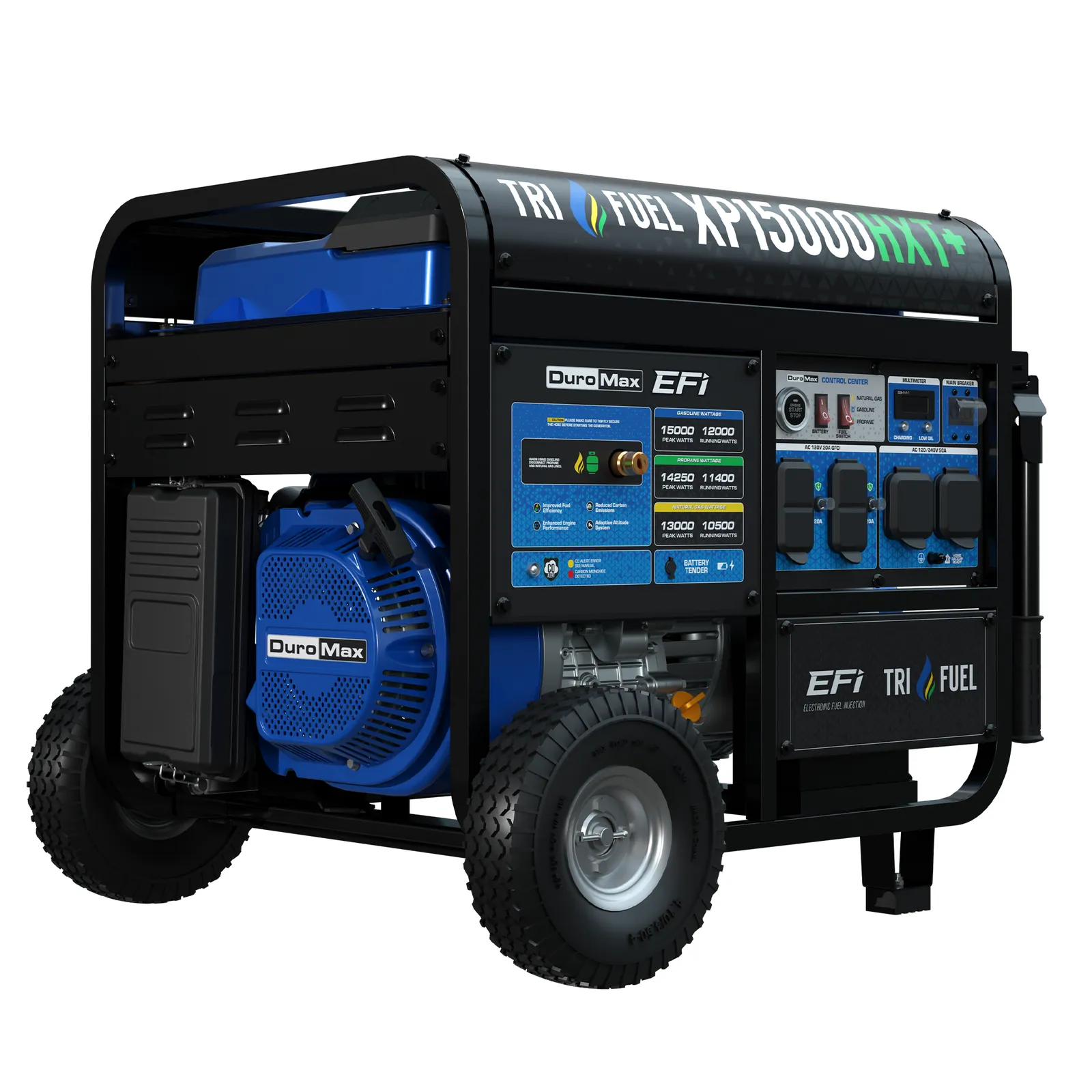
The primary cause of power loss is an overloaded circuit or a tripped breaker. This generator is designed to handle high loads, but if you exceed the total wattage capacity, the main circuit breaker will kick out to protect the internal components. You can usually reset this by flipping the breaker switch back to the “on” position after turning off some of your connected appliances.
Another common issue involves fuel quality and the carburetor. If the unit has been sitting for more than 30 days, the gasoline can degrade and clog the small jets inside the carburetor. This prevents a proper air-fuel mixture from reaching the combustion chamber. When this happens, the engine may turn over but fail to stay running.
Finally, check the air filter for heavy dirt or debris. A clogged filter chokes the engine of oxygen, which causes it to run poorly or stall shortly after starting. Inspect the filter element every time you prepare for extended use. If the foam is saturated with oil or packed with dust, you must clean or replace it to restore airflow. Consult the DuroMax Power Equipment owner manuals to identify the specific maintenance intervals for your model.
Safety: Inside a mains-powered machine, the parts behind the outer cover can hold a dangerous electrical charge even after it has been unplugged — that’s why they sit behind a cover. Opening the housing, or testing or replacing anything behind it, is a job for a qualified technician, never a home repair.
Clean the air filter element
To improve engine performance, you should remove and clean the air filter if the generator struggles to maintain a steady idle. First, locate the air cleaner housing on the side of the engine. Use your fingers or a screwdriver to release the clips or screws holding the cover in place. Carefully slide the filter element out, making sure no loose dirt falls into the intake pipe.
If the filter is foam, wash it in a basin of warm water with a mild detergent. Rinse it thoroughly and allow it to air dry completely before reinstalling. If the filter is paper-style, tap it gently against a hard surface to dislodge loose dust. Never use compressed air to blow out a paper filter, as this can tear the thin fibers and allow grit into the engine.
This fix is intended for users who notice a rough idle or black smoke from the exhaust. If the filter is wet with fuel or oil, it indicates a deeper issue with the crankcase breather or the carburetor. In that case, stop your attempts and contact a certified small engine mechanic. Don’t run the generator without a filter, as this will cause rapid internal engine wear.
Reset the circuit breakers
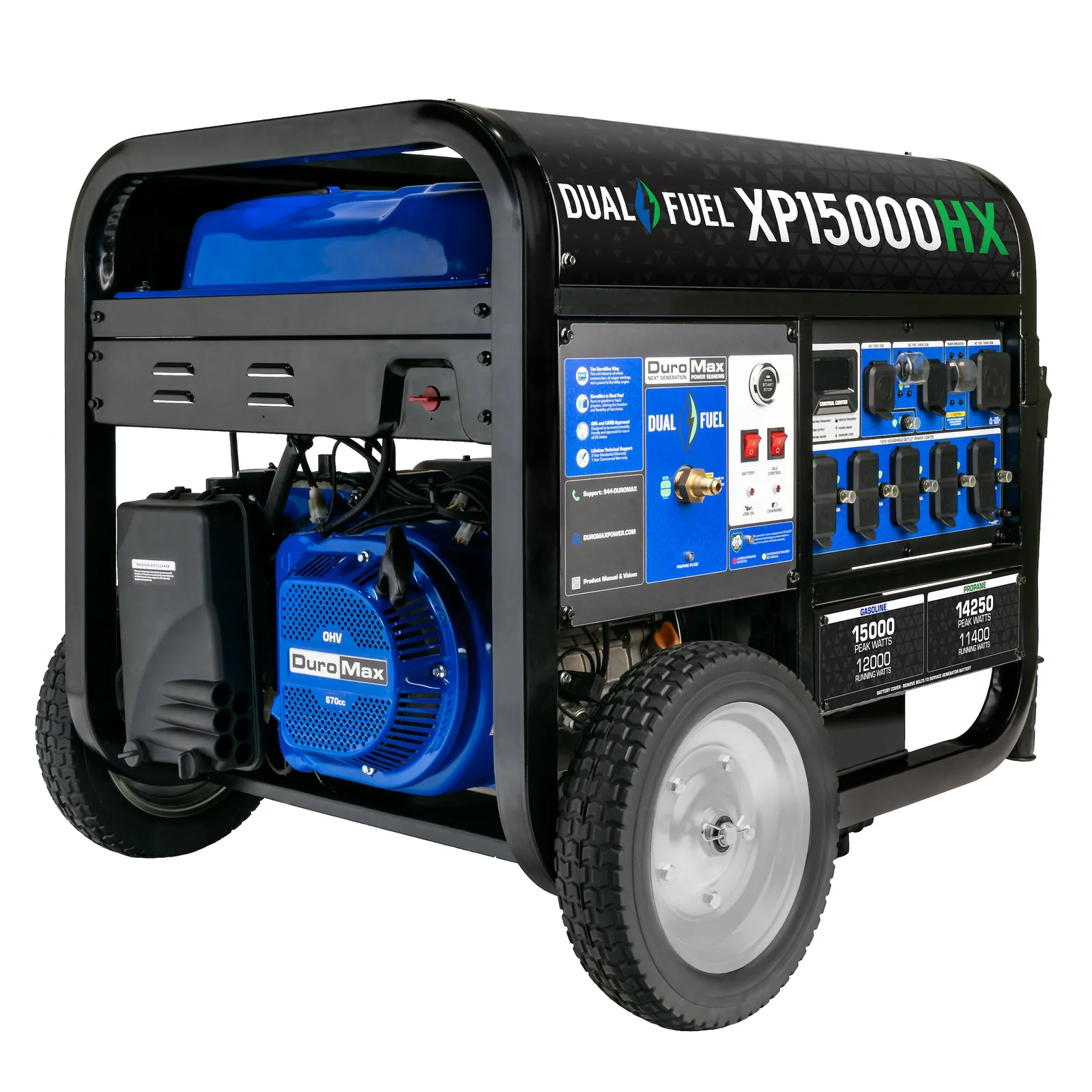
When you have power at the generator but your appliances don’t turn on, you likely need to reset the breakers. First, unplug all devices currently connected to the outlets. Locate the main circuit breaker on the control panel and flip it to the “off” position, then back to “on.” If the breaker trips immediately again, you have a short circuit in one of your extension cords or appliances.
If the main breaker stays on, check the individual circuit breakers for the specific outlets you’re using. Some panels feature push-button breakers that pop out when overloaded. If you see a button sticking out, push it back in until it clicks. If it won’t stay in, you may have a faulty outlet that requires professional repair.
This procedure is for users who know their total connected load is within the 13,000-watt limit. If you’re unsure of your load, add up the wattage of every running device. If you’re using long, thin extension cords, you might experience voltage drops that mimic a tripped breaker. Always use heavy-duty, outdoor-rated cords to ensure the power reaches your tools and appliances without overheating the line.
Manage fuel system issues
If the engine cranks but won’t start, you may need to drain the carburetor bowl. Locate the small drain screw at the bottom of the carburetor. Place a small container underneath the drain tube to catch the old fuel. Open the screw about two turns, let the fuel drain out, and then tighten the screw back firmly.
This process clears out old, gummy gasoline that prevents the engine from firing. If the engine still refuses to start after draining the bowl, the fuel line itself might be blocked. This is a common occurrence if the fuel valve was left open during long periods of storage. If you smell raw gas but see no leaks, the fuel may be flooded; wait 10 minutes for the excess to evaporate before trying again.
This fix is for users who are comfortable working with basic mechanical components. If you find the fuel line is cracked or the carburetor is leaking, don’t attempt to patch these parts. These are specialized components that require precise assembly. Contact a qualified repair shop to handle fuel system repairs, as leaking gasoline near a hot engine creates a significant fire hazard.
Common mistakes to avoid
Adding fuel while the engine is hot: Vaporization occurs instantly upon contact with scorching metal components. Wait at least fifteen minutes for the engine block to cool before refueling. Ignoring this cooling period invites flash fires from static discharge or surface ignition.
Running the generator in a garage: Carbon monoxide is odorless and lethal. Even with the door cracked, dangerous concentrations accumulate in under ten minutes. Always place the unit at least twenty feet from any structure, facing the exhaust away from windows or vents.
Using old gasoline: Fuel degrades after thirty days, forming gummy deposits that clog the carburetor. If the engine struggles to turn over after sitting, drain the tank immediately.
Overloading the outlets: Calculate your total wattage before connecting appliances. Exceeding the rated capacity trips the breaker, but repeated surges can fry the internal windings.
Ignoring the oil level: Check the dipstick before every use. Running low causes internal friction that ruins the piston rings.
How to prevent future failures
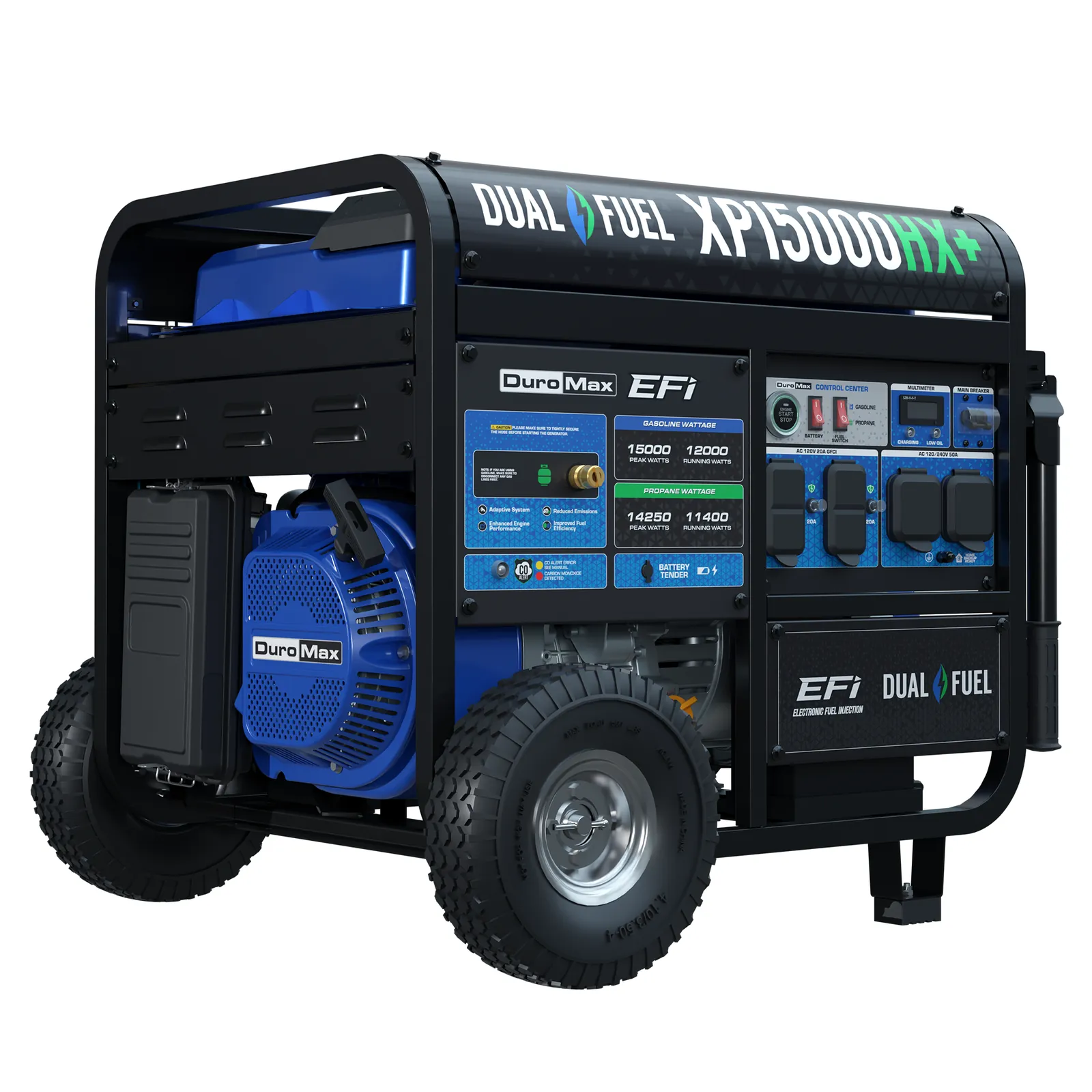
You can keep your generator reliable by following a maintenance schedule based on your specific usage patterns. The frequency of oil changes and spark plug inspections depends on how often you operate the unit, so always consult your owner’s manual for the authoritative service intervals required for your equipment.
The most common mistake owners make is ignoring the fuel system. Gasoline begins to degrade in as little as 30 days, leaving behind varnish that clogs the carburetor. If your engine hunts or surges during startup, the jets are already partially blocked. You can fix this by adding a stabilizer immediately after filling the tank, rather than waiting until you store the unit.
| If you’re doing this | Do this instead | Why |
|---|---|---|
| Leaving fuel in the tank | Use a fuel stabilizer | Prevents gum buildup in the jets |
| Storing in a damp shed | Use a weather-proof cover | Protects electronics from corrosion |
| Forcing the pull-start | Check the ignition switch | Prevents snapping the starter cord |
| Using thin indoor cords | Use 10-gauge outdoor cords | Prevents overheating and voltage drop |
| Running until empty | Use the fuel shut-off valve | Clears the carburetor for storage |
Follow this decision rule: if the generator will sit idle for more than 30 days, drain the carburetor bowl entirely. This simple step saves you from an expensive professional cleaning later.
Frequently asked questions
How long should the generator run before I change the oil?
Change the oil after the first 20 hours of use, then every 100 hours thereafter. The internal sensor will disable the ignition if the oil level is too low to protect the engine bearings. Check the oil level before every start, especially if operating in dusty conditions or under constant maximum load.
Why does my generator surge while running?
Surging is usually caused by a dirty carburetor or restricted fuel flow preventing a consistent supply of gas. When the engine loses power, the governor opens the throttle, causing a surge of speed followed by a drop. Clean the carburetor bowl and check the fuel filter for debris to resolve this issue.
Is it safe to run the generator in the rain?
No, you must never operate the unit in rain, snow, or wet conditions to avoid the risk of electrical shock. If you must use it during a storm, you should place it under a sturdy, ventilated canopy that keeps the control panel and all electrical connections completely dry. Ensure the generator is positioned on high ground so that water can’t pool around the base of the frame or near the engine intake.
What happens if I use E85 fuel?
Never use E85 or fuel with more than 10% ethanol, as it can damage fuel lines and corrode the carburetor. This generator is designed for standard unleaded gasoline with an octane rating of 87 or higher. Using high-ethanol fuel causes the engine to run lean, which can lead to premature failure of internal components.
How do I know if the generator is overloaded?
You’ll know the generator is overloaded if the circuit breaker trips or if the engine speed drops significantly when you plug in a new device. The total wattage of all running appliances must stay below the rated continuous output of your specific model. If you hear the engine “bogging down” or struggling to maintain its pitch, disconnect your appliances immediately to prevent damage to the electronics or the generator’s alternator.
Why won’t the electric start work?
The electric start won’t work if the battery is discharged or if the battery cables are loose. Check that the terminals are tight and free of corrosion. If the battery is dead, use the manual recoil starter to start the engine, which will then charge the battery while it runs.
Conclusion
Routine maintenance is the best way to ensure your generator is ready when you need it most. By keeping the fuel fresh and the air filter clean, you avoid the most common causes of failure. If you ever hear unusual mechanical noises or detect a fuel leak, stop the unit immediately and consult a professional technician to prevent further damage.
Related guides