
If your machine stays stuck in the cleaning cycle, you can perform a successful delonghi magnifica evo descale troubleshooting routine by checking the water tank sensor and the flow meter. The most common cause is a blockage in the internal tubes from hard water minerals or a sensor that doesn’t recognize the water level. To fix this, you must ensure the tank is fully seated and the water spout is clean. If the light remains on after following the manual’s steps, the machine might need a professional reset.
Troubleshooting common Delonghi Magnifica descale failures
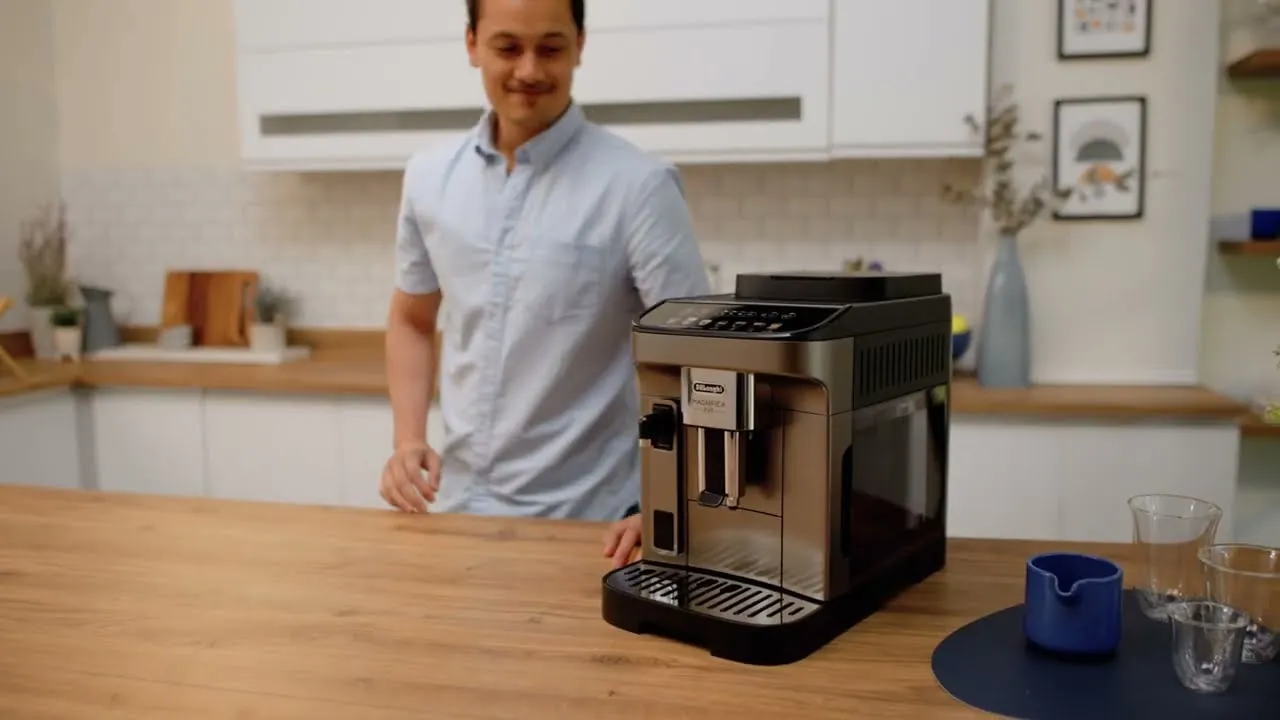
The descaling process often stops because the machine can’t sense the flow of liquid through its internal system. When minerals build up inside the thermoblock or the small pipes, the internal pump struggles to push the descaling solution forward. The machine’s sensors detect this pressure change and pause the cycle to prevent internal damage or overheating.
Another common reason involves the water tank itself. The machine uses a magnetic float inside the tank to monitor water levels. If this float gets stuck or dirty, the machine thinks the tank is empty even when it’s full. This prevents the cycle from starting or finishing because the logic board won’t trigger the pump without a confirmed water supply.
Finally, the machine might be stuck because of a software glitch. If you interrupted the power during a previous cycle, the memory may still be waiting for the next step. You can view the official De’Longhi support guides to confirm if your specific model requires a hard reset by unplugging the unit for 30 minutes. If the machine still refuses to finish, the flow meter might be faulty and unable to track how much liquid has passed through the system.
Check the water tank and spout
This fix is for users who see a descaling light that won’t turn off after they have already run the solution. First, remove the water tank and inspect the small magnetic float on the side. If it doesn’t move freely when you tilt the tank, use a soft brush to remove any scale deposits until the float glides up and down without sticking.
A stuck float tricks the machine into thinking the tank is empty, preventing the system from resetting. If you tap the side of the tank and the float remains stationary, use a mild vinegar soak for ten minutes to dissolve the mineral buildup.
Next, ensure the hot water spout is attached correctly. The machine won’t complete the cycle if it can’t detect the presence of the spout, as it needs to divert the liquid safely. Take the spout off, rinse it under warm running water to clear any dried coffee oils, and snap it back into place. If you hear a click, the sensor has made contact.
The frequency for checking these parts depends on your specific water usage. Consult your owner’s manual for the authoritative maintenance schedule. Failing to clear the spout orifice can result in a pressure error and force the machine into a lockout state.
Clear the internal flow path
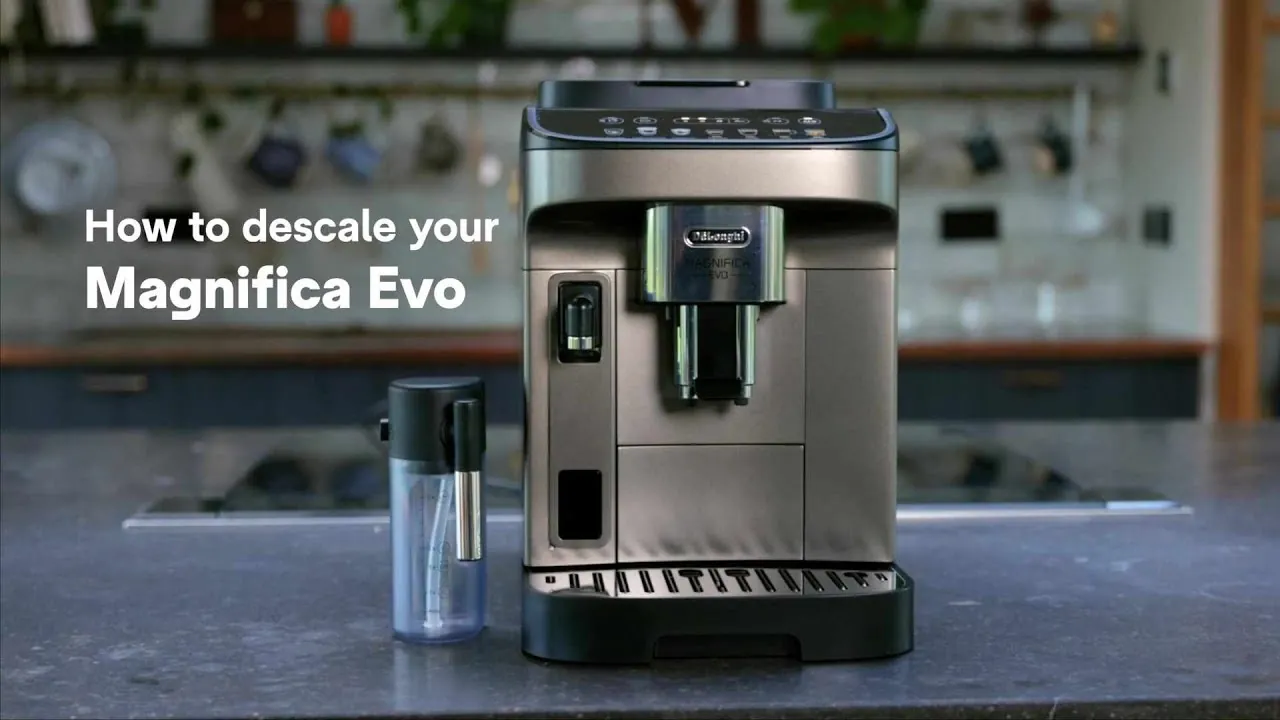
This fix is for when the pump makes a loud noise but no liquid comes out of the machine. The primary goal here is to remove air locks or clogs that prevent the descaling liquid from moving. Start by filling the tank with fresh water to the maximum line. Gently shake the tank to ensure no air bubbles are trapped near the intake valve at the bottom.
Place a large container under the steam wand and turn the dial to the steam position. If water flows steadily, the pump is working, and the issue was likely just an air lock. If you only hear a humming sound, don’t force the machine to run for more than 30 seconds at a time. Doing so can overheat the pump motor and cause permanent failure.
If the water doesn’t flow after three tries, you must stop. This indicates a deep blockage in the heating circuit that requires a professional to open the casing safely.
Most users mistakenly attempt to clear the blockage by inserting needles or metal wires into the nozzles. Never do this. These tools scratch the internal finish, which permanently ruins the spray pattern and creates uneven extraction. If you see white mineral flakes in the output, the blockage is likely at the screen.
Use a soft-bristled brush to clean the exterior, but if the internal flow remains restricted, the solenoid valve is likely stuck. If the machine is still under warranty, this is the exact moment to initiate a claim rather than risking a DIY repair.
Perform a hard system reset
This step is for when the electronic lights keep flashing in an unusual pattern that doesn’t match the manual. A hard reset clears the temporary memory and forces the machine to re-check its sensors upon startup. Turn the machine off using the power button and then unplug it from the wall outlet. Leave it disconnected for a few minutes to allow the capacitors to discharge.
If you reconnect the power too early, the machine will simply reload the same error state.
After the wait, plug the machine back in and turn it on. If the lights return to a normal state, you can try starting the descaling process again from the very beginning. This isn’t for users who have a physical blockage, as a reset can’t clear mineral buildup. If the machine remains stuck in an error loop after this reset, you’re likely dealing with a failed flow meter rather than a software glitch.
If you notice a burning smell during this process, stop immediately and contact customer support. You should never attempt to open the housing to clean the boiler yourself, as this voids your warranty and poses a significant electrical shock risk.
Mistakes that cause descale errors
Using vinegar instead of the recommended solution can corrode the internal rubber seals. These seals are designed for specific citric or lactic acid formulations; vinegar isn’t recommended by the manufacturer.
Skipping the rinse cycle leaves acidic residue behind, which ruins the taste of your coffee. Skipping the rinse cycle leaves acidic residue behind, which can negatively affect the taste of your coffee.
Ignoring the descaling light for too long causes hard mineral crusts that no chemical can dissolve. Once these deposits exceed two millimeters in thickness, the heating element often fails entirely.
Adding water to the tank while the machine is mid-cycle confuses the level sensor and stops the timer. If you must refill, pause the machine completely first. If the cycle halts, you must restart the entire process to prevent incomplete mineral removal.
Preventing future descaling issues
The health of your machine depends on how you manage the water quality and the maintenance schedule. If you use a water filter, you can usually wait longer between cycles, but you must still follow the prompt when the light appears.
| If you’re doing this | Do this instead | Why |
|---|---|---|
| Using tap water | Use a water filter | Reduces mineral buildup |
| Waiting for the light | Use the water test strip | Predicts scale accumulation |
| Ignoring the rinse | Follow every rinse step | Removes acidic chemicals |
| Using vinegar | Use official solution | Protects rubber seals |
Most users mistake the “light” for a fixed timer, but it’s actually a flow-rate sensor. If your machine runs slowly or produces lukewarm coffee, descale immediately regardless of the indicator. Waiting until the light turns on often forces the pump to work against a hardened calcium crust, which can permanently damage the internal boiler.
If you live in a region with “hard” water, defined as having over 120 parts per million of calcium carbonate, you must cut your maintenance interval in half. Test your water supply once per season using the provided strips.
If the strip shows three or more pink squares, use filtered or bottled water to prevent rapid scale formation. Always prioritize the manufacturer’s descaling solution over household acids. Vinegar is too abrasive for the internal silicone gaskets, often leading to costly leaks after only a few cycles.
Frequently asked questions
Can I use vinegar to descale my machine?
You should never use vinegar to descale a De’Longhi machine. Vinegar is too acidic and can damage internal seals, leading to leaks. Always use the manufacturer-approved descaling solution to protect your warranty and internal components.
How often should I descale the machine?
Descale your machine as soon as the indicator light turns on. The frequency depends on your local water hardness, which you can measure using the provided test strip. Adjusting the hardness settings ensures the light triggers at the correct time.
Why does the descaling light stay on?
The light often stays on because the machine didn’t complete the full rinse cycle. Ensure you finish the entire process without interruptions and verify the water tank is fully seated. If the light persists, the tank sensor may not be detecting water.
Is it safe to fix a blockage myself?
You may safely clear clogs in the water tank or spout, but never open the machine’s outer housing. Opening the casing exposes you to high-voltage components and risks permanent damage. Contact a professional service center if external cleaning doesn’t resolve the issue.
What happens if I ignore the descale light?
Ignoring the descaling light causes mineral deposits to accumulate, which can lead to motor failure or permanent clogs. These deposits also negatively affect water temperature and coffee flavor. Regular maintenance is essential to ensure consistent flow and optimal espresso quality.
Conclusion
Once your machine is running smoothly again, try using a high-quality water filter to prevent future buildup. It’ll keep your coffee tasting fresh and save you from frequent deep cleans. If you’re still having trouble, don’t hesitate to reach out to the manufacturer’s support team for extra help with your specific model.