You can often fix a lack of pressure by checking for air in the system, a clogged nozzle, or a restricted water supply, which makes dewalt pressure washer troubleshooting a task you can usually handle without professional help. Most performance issues stem from simple blockages or incorrect setup rather than internal mechanical failure. If the unit still fails to build pressure after these basic checks, the issue may involve the internal pump seals or valves, which require a qualified service technician to inspect.
Troubleshooting DeWalt pressure washer loss
The most common cause of pressure loss is air trapped inside the pump or high-pressure hose. When you connect your garden hose, air bubbles get pushed into the intake; if you don’t bleed the air out before starting the engine or motor, the pump can’t create the vacuum needed to draw water effectively. Always hold the spray wand trigger open for 30 seconds before switching the unit on to ensure a steady, air-free flow.
Another frequent problem is a clogged inlet filter or spray nozzle. Small pieces of sand or debris from your garden hose can easily enter the intake and block the fine mesh screen, which limits the water volume reaching the pump. If the pump is “starved” for water, it can’t build the pressure required for cleaning.
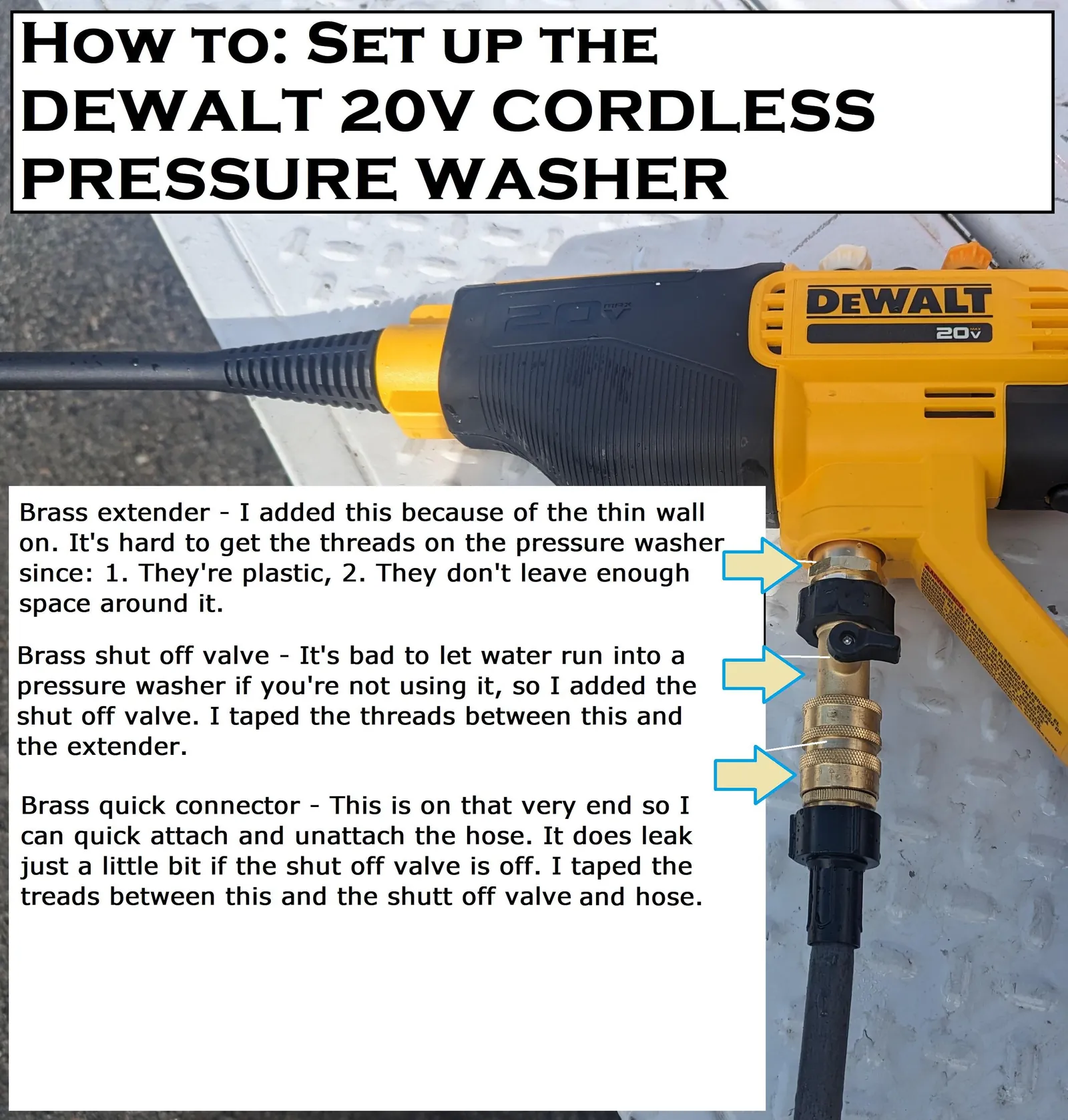
Finally, check your water source. If your garden hose is kinked, too long, or has a diameter smaller than the recommended 5/8 inch, the pressure washer will struggle to get enough water. Using a hose that’s too thin is a mistake that causes the pump to cavitate, which leads to premature wear of the internal seals and valves.
Safety: Inside a mains-powered machine, the parts behind the outer cover can hold a dangerous electrical charge even after it has been unplugged — that’s why they sit behind a cover. Opening the housing, or testing or replacing anything behind it, is a job for a qualified technician, never a home repair.
Clear the spray nozzle and filter
This fix is for users dealing with weak or pulsing water flow. Start by turning off the unit and disconnecting the high-pressure hose. Remove the spray nozzle from the end of the wand and inspect the small tip for debris. If you see dirt, use the small wire tool that came with your machine to gently poke through the opening.
Next, locate the water inlet connection on the side of the machine. Unscrew the fitting and pull out the small screen filter. If the screen looks grey or blocked with sediment, rinse it under a high-pressure tap until it’s clear. If the filter is damaged or cracked, replace it immediately, as a broken filter allows debris to enter the pump and cause permanent damage.
If you have a variable nozzle, rotate it between the settings while the water is running to see if the internal mechanism is stuck. If the pressure returns after cleaning these parts, your machine is working as intended. If you notice water leaking from the pump housing itself during this process, stop immediately, as this indicates an internal seal failure that only a trained technician should repair.
Bleed air from the system
This method is for machines that run but produce sputtering, inconsistent pressure. The primary goal is to ensure the entire circuit is full of water before the pump engages. Connect your garden hose to the unit and turn the water tap on fully. Don’t start the machine yet.
Walk to the spray wand and squeeze the trigger. Hold it open until you see a steady, strong stream of water coming out of the nozzle without any sputtering or spitting. This process can take 30 to 60 seconds depending on the length of your hose. Once the water flow is smooth and constant, release the trigger and then start the engine or electric motor.
This step is vital because running a pump while it’s full of air creates heat, which can melt internal plastic components. If you find that the system keeps losing its prime, check all your threaded connections for air leaks. If you see water spraying out of a connection, the O-ring is likely missing or worn. Replace the O-ring to create an airtight seal; if it still leaks, the fitting itself may be cross-threaded or damaged.
Inspect the water supply setup
This fix is for cases where the machine runs but lacks the power to clean effectively. You must verify that your water source is providing enough volume. Most residential pressure washers require at least 2 to 3 gallons per minute to operate correctly. If your house tap is only partially open, the pump will struggle to maintain pressure.
If you’re using a long garden hose, this creates significant friction that drops the water volume. If your hose is longer than 50 feet, you might notice a drop in performance. The best practice is to use the shortest hose possible to reach your work area. If you live in an area with very low water pressure, consider using a larger diameter hose, such as a 3/4 inch size, to help the pump draw more water.
If the machine still performs poorly, check for hidden kinks in the hose near the machine’s inlet. A kink that’s only partially closed can still restrict the flow enough to starve the pump. If you have confirmed the water flow is sufficient and the filter is clean, but the pressure remains low, the issue is likely internal. Don’t attempt to open the pump casing, as improper reassembly can lead to leaks or total failure.
Avoiding common mistakes
Running the pump dry: Always turn the water on and bleed the air before starting the motor. If you hear a high-pitched whine, shut it off instantly. Running a pump dry for even ten seconds can fuse the internal seals, costing you a full replacement.
Using a damaged inlet filter: Never run the unit without a clean, intact mesh screen. Even microscopic grains of sand act like sandpaper on the precision-machined pistons. If your filter has a tear larger than a pinhead, replace it before the next use.
Leaving the unit in the sun: UV rays and heat bake the high-pressure hose, causing it to become brittle and prone to bursting under pressure. Store the unit in a cool, shaded area. If the hose feels stiff or shows fine spider-web cracks, it’s already compromised and dangerous.
Ignoring a pulsing spray: If the flow is erratic, stop. This indicates trapped air or a failing check valve. Ignoring this sign usually leads to total pump failure within minutes. If the pulsing continues after bleeding the air, check your inlet supply for a kinked hose or a clogged faucet screen.
Preventing future pressure loss

| If you’re doing this | Do this instead | Why |
|---|---|---|
| Storing with water inside | Flush with pump protector | Prevents freezing and mineral buildup |
| Using a thin garden hose | Use a 5/8 inch hose | Ensures the pump gets enough volume |
| Leaving nozzles on the wand | Remove and dry them | Prevents corrosion inside the tip |
| Ignoring small leaks | Replace O-rings immediately | Stops air from entering the system |
Most users mistake a minor drip for a simple nuisance, but it acts as a vacuum leak. This forces the pump to cycle rapidly, which burns out the motor windings prematurely. If your pump cycles on and off while the trigger is closed, you have a pressure-side leak. If it surges while the trigger is open, check the inlet screen for debris.
When choosing a hose, avoid anything under 5/8 inches. A restricted intake starves the pump of water, causing cavitation. This creates microscopic bubbles that collapse against the internal seals, effectively sandblasting your pump from the inside. If you notice a rattling sound during operation, stop immediately. You’re likely running the system dry, and continuing for even sixty seconds will permanently score the cylinder walls. Always prioritize a steady, unrestricted flow to maintain the integrity of your internal components.
Frequently asked questions
Can I run my pressure washer without the inlet filter?
No, you should never run the machine without the inlet filter. This component acts as the only defense against dirt and sediment entering the high-pressure pump. If debris enters the pump, it will damage the internal valves and pistons, often costing more to repair than the unit is worth.
How long should the water flow before I start the motor?
You should wait until the water flows from the spray wand for 30 to 60 seconds. This duration assumes you have a standard garden hose length of 25 to 50 feet. If your hose is longer, you may need to wait slightly longer to ensure every bubble of air has been pushed through the pump and out of the wand. Starting the machine once the flow is steady prevents air-lock and overheating.
Why does my pressure washer pulse while I am spraying?
Pulsing is almost always caused by air in the system or a restricted water supply. Check that your garden hose isn’t kinked and that your home water tap is fully open. If the supply is good, try bleeding the air again by holding the trigger open for one full minute. If the pulsing continues, the internal unloader valve may be sticking, which is a repair for a professional service technician.
Is it safe to leave the pressure washer on while not spraying?
No, you shouldn’t leave the machine running for more than 2 minutes without pulling the trigger. Most pressure washers use a bypass system where water recirculates inside the pump, which generates heat. If the water stays in the pump too long, it can reach temperatures that melt the internal seals.
What happens if I use a hose that’s too long?
Using a hose longer than 50 feet causes a significant drop in water volume due to friction. This restriction starves the pump of the water it needs to create pressure, which often results in a weak spray or a pulsing stream. If you must work at a distance, it’s safer to move the pressure washer closer to your work area rather than adding more length to your garden hose.
How often should I clean the nozzle?
You should check and clean the spray nozzle tip before every use to ensure the best performance. Even if the machine seems to be working, small amounts of mineral buildup or debris can change the spray pattern and reduce cleaning efficiency. Use the provided cleaning wire to gently clear the opening, but avoid using metal objects that could scratch the precision-machined tip and permanently ruin the spray pattern.
Conclusion
Regular maintenance is the most effective way to keep your equipment running for many years. By keeping the intake clean and ensuring there’s no air in the lines, you avoid the most common causes of failure. If you ever notice burning smells, loud grinding noises, or visible oil leaks under the machine, stop using it immediately and contact a certified repair center for an inspection.
Related guides