If your Karcher electric pressure washer stops working, it can be frustrating—especially when you need it for cleaning jobs around your home or business. Karcher is a respected brand, known for reliability, but like any machine, problems sometimes happen. Many issues are easy to fix if you know what to look for. With the right guidance, you can often solve them yourself, saving money and time. This guide explains how to troubleshoot common Karcher electric pressure washer problems, with practical steps for beginners and experienced users alike.
Understanding Your Karcher Electric Pressure Washer
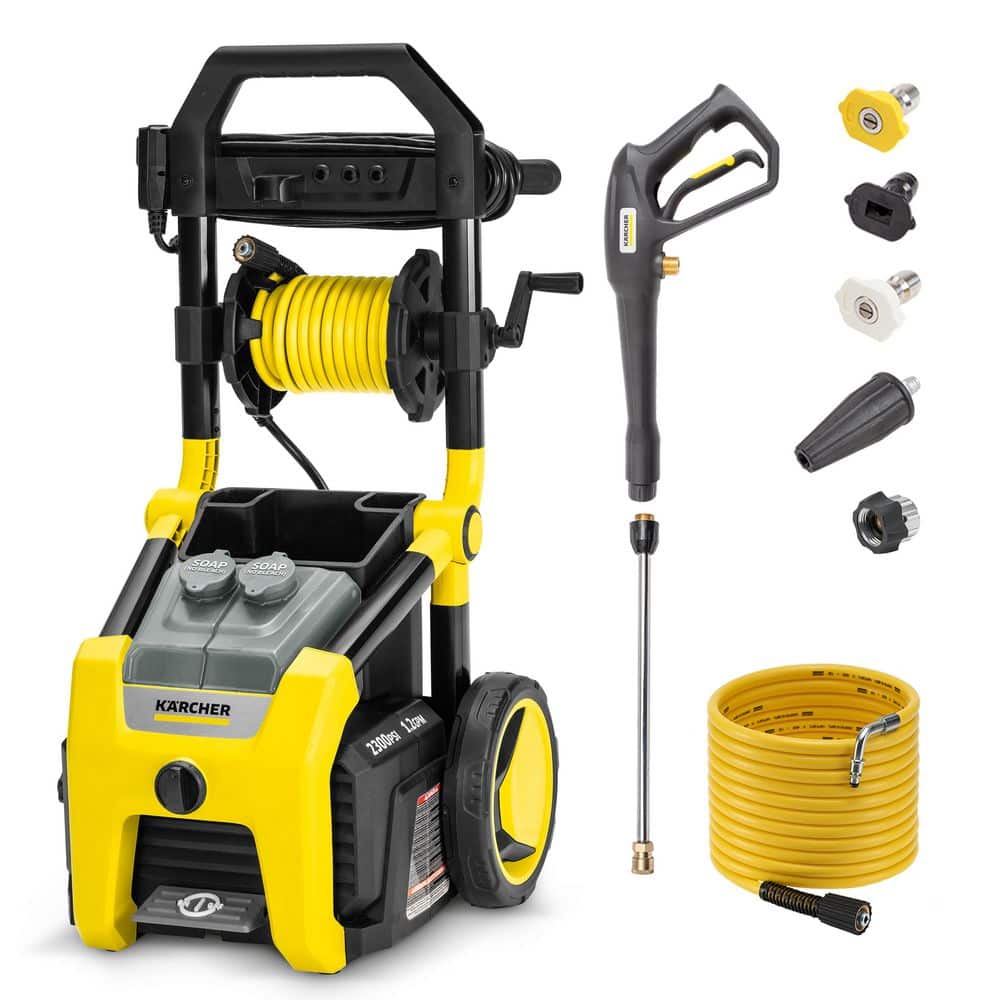
Before fixing problems, it helps to know the basics of how your Karcher pressure washer works. Most models have a motor, a high-pressure pump, an on/off switch, a water inlet, and a high-pressure hose. When you connect the washer to a water supply and plug it in, the motor drives the pump. The pump increases the water pressure, which then travels through the hose to your spray gun.
Karcher’s electric models are popular because they are lighter, quieter, and require less maintenance than gas models. Still, issues can arise from electrical parts, water flow, or even user mistakes.
Safety First: Precautions Before Troubleshooting
Whenever you work on any electrical device, safety should come first:
- Unplug the washer from the power outlet.
- Turn off the water supply before disconnecting hoses.
- Allow the machine to cool down if it has been running for a while.
- Wear protective gloves and safety glasses if handling moving or hot parts.
Never open the motor housing or touch internal wiring unless you are qualified. For any repair involving wiring or the motor, contact Karcher customer service or a licensed technician.
Common Problems And How To Fix Them
Let’s look at the most frequent issues Karcher electric pressure washer users face, with clear solutions for each.
1. Pressure Washer Won’t Start
This is one of the most common problems. If your washer doesn’t start, check the following:
- Power Supply: Make sure the power cord is plugged in firmly. Test the outlet with another device to ensure it’s working.
- Extension Cord Issues: If you’re using an extension cord, make sure it’s rated for heavy appliances. Thin or long cords can cause voltage drops.
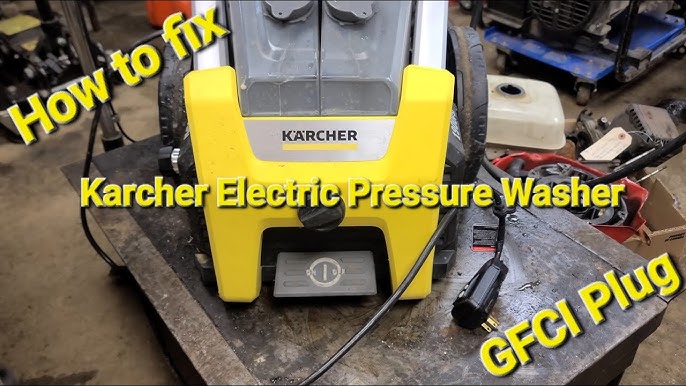
- Reset/Replace GFCI Plug: Many Karcher washers have a built-in GFCI plug (a safety device). Press the “reset” button. If it won’t reset, try a different outlet.
- On/Off Switch: Double-check that the switch is in the “on” position.
- Blown Fuse or Tripped Breaker: Check your home’s circuit breaker. Replace a blown fuse if needed.
If these checks don’t help, the problem might be internal wiring or a faulty motor. In these cases, professional service is best.
2. Low Or No Pressure
If water is flowing but pressure is weak, try these fixes:
- Clogged Nozzle: Dirt can block the nozzle. Turn off the washer, remove the nozzle, and clean it with the included cleaning pin or a straightened paper clip.
- Air in the System: Air can enter if the hose isn’t tightly connected. Turn off the washer, hold the trigger until water flows smoothly (without sputtering), then restart.
- Water Supply Issues: Check that the garden hose is not kinked or leaking. Make sure the water supply is fully open.
- Dirty Water Inlet Filter: The filter where your hose connects can get blocked. Unscrew the hose, pull out the filter, and rinse it under running water.
- Incorrect Nozzle Size: Using a nozzle with too large an opening reduces pressure. Always use a genuine Karcher nozzle for your model.
Beginner tip: Many users forget to remove a small shipping cap inside the water inlet when the machine is new. Check and remove it if present.
3. Pressure Washer Starts, Then Stops
If your washer runs for a few seconds and then shuts off, consider these causes:
- Overheating: Most electric models have a safety shutoff to prevent damage. Wait 20-30 minutes, then try again.
- Faulty GFCI Plug: A faulty or sensitive GFCI can trip and cut power. Try resetting it or changing outlets.
- Water Supply Interrupted: If the water stops, the pressure switch may shut down the motor. Confirm that your water supply is steady.
- Trigger Gun Issue: Some models only run when you squeeze the trigger. If the trigger is stuck or broken, the washer may not stay on.
4. Water Leaks
Leaks can develop in hoses, connections, or inside the unit.
- Loose Hose Connections: Tighten all connections by hand. Avoid using pliers, which can break plastic threads.
- Damaged O-Rings: Inspect the rubber O-rings in hose connectors. Replace any that are cracked or flattened.
- Cracked Hose or Lance: Look for visible damage. Replace any parts with cracks, as high pressure can cause them to burst.
- Pump Seals: If water leaks from the pump body, the internal seals may be worn. This repair is best left to professionals.
5. Motor Runs But No Water Comes Out
If you hear the motor but no water sprays, check:
- Blocked Inlet Filter: Remove and clean the filter.
- Clogged Hose or Gun: Detach the hose and gun, then flush them with clean water.
- Stuck Valve: Sometimes, an internal valve can stick. Gently tap the pump body with a rubber mallet—never use metal tools.
- Dry Pump: Never run the washer without water. Doing so even for a few seconds can damage the seals.
6. Pulsating Pressure Or Surging
If the spray keeps getting strong and weak, or the motor turns on and off rapidly, try these steps:
- Air in the System: Bleed the system by holding the trigger until water flows evenly.
- Dirty or Worn Nozzle: Clean or replace the nozzle.
- Inlet Blockage: Clean the inlet filter and check for hose kinks.
- Pump Issues: If the pump still surges, it may need professional service.
7. Soap/detergent Not Dispensing
Many Karcher models have a detergent tank or siphon hose for soap application. If it’s not working:
- Incorrect Nozzle: Only use the low-pressure nozzle (often labeled with a soap symbol or black color) for applying detergent.
- Clogged Siphon Tube: Remove and rinse the tube.
- Wrong Detergent: Use only Karcher-approved detergents. Some household soaps are too thick to siphon.
- Valve Blockage: Some models have a small detergent valve. Clean or replace if blocked.
8. Unusual Noise Or Vibration
Strange sounds often mean a mechanical problem:
- Air in Pump: Bleed the system as above.
- Loose Parts: Check that all screws and fasteners are tight.
- Worn Bearings or Motor: If noise is from inside the motor or pump, professional repair is needed.
Troubleshooting Quick Reference Table
Here’s a practical summary of common symptoms, causes, and solutions:
| Symptom | Possible Cause | Solution |
|---|---|---|
| No power | GFCI tripped, outlet problem, switch off | Reset plug, test outlet, check switch |
| Low pressure | Clogged nozzle, air in hose, dirty filter | Clean nozzle, bleed air, rinse filter |
| Leaks | Loose connections, bad O-rings | Tighten, replace O-rings |
| Soap not dispensing | Wrong nozzle, blocked tube | Switch nozzle, rinse tube |
| Motor hums, no water | Blocked filter, stuck valve | Clean filter, tap pump gently |
Essential Tools And Parts For Troubleshooting
You don’t need special skills to fix most simple problems, but a few basic tools can help:
- Adjustable wrench
- Phillips and flathead screwdrivers
- Needle-nose pliers
- Replacement O-rings
- Nozzle cleaning pin or wire
- Clean rags
It’s also helpful to keep your Karcher user manual handy. It contains model-specific information and part numbers.
When To Call A Professional
DIY troubleshooting can fix most basic issues, but some problems need expert help:
- Motor won’t run after electrical checks
- Water leaking from the pump body
- Persistent electrical faults (burning smells, sparks)
- Internal part replacement (seals, wiring, motor)
Attempting complex repairs yourself can void the warranty or cause injury. Contact Karcher support or an authorized service center if you’re unsure.
Regular Maintenance To Prevent Problems
A little preventive maintenance can avoid many common issues:
- Flush the System: After each use, run clean water through the system to clear detergent and debris.
- Inspect Hoses and O-rings: Check for cracks, leaks, or wear. Replace as needed.
- Clean the Nozzle: Remove and clean the spray nozzle every few uses.
- Store Properly: Keep the washer in a dry, frost-free place. Never let water freeze inside the pump.
- Check Power Cord: Look for cuts or damage. Replace if necessary.
Performing these steps regularly helps your washer last longer and perform better.
Comparing Karcher Electric Pressure Washer Models
Different Karcher models have unique features and troubleshooting quirks. Here’s a quick comparison of popular models:
| Model | Max Pressure (PSI) | Flow Rate (GPM) | Common Issues |
|---|---|---|---|
| K2 Series | 1600 | 1.25 | Low pressure, nozzle clog |
| K3 Series | 1800 | 1.3 | GFCI trips, soap not dispensing |
| K5 Series | 2000 | 1.4 | Leaks, electrical issues |
Beginner insight: Higher pressure (PSI) doesn’t always mean better cleaning. The right nozzle and technique matter more.
Troubleshooting Tips For Beginners
Many problems are caused by small mistakes. Here are two insights that new users often miss:
- Air in the System: If you connect the hose and turn on the machine right away, air bubbles can cause pressure to drop or the pump to surge. Always hold the trigger with the machine off for 30 seconds to let air escape before starting.
- Using the Wrong Nozzle: Each nozzle has a specific spray pattern and pressure. Using the wrong one can cause low pressure or prevent detergent from mixing. Always match the nozzle to the task.
How Water Quality And Environment Affect Performance
Hard water or dirty water can clog filters and nozzles faster. If your area has hard water, descale the washer regularly using a safe cleaning solution. If you use water from a pond or rain barrel, always install an extra pre-filter to trap sand and dirt.
Environmental factors also matter. Using the washer in cold temperatures can cause water to freeze in hoses or the pump. Never operate your Karcher below 40°F (4°C).
Error Codes And What They Mean
Some newer Karcher models display error codes. Here are a few examples:
| Error Code | Meaning | Action |
|---|---|---|
| E1 | Low voltage/power supply | Check outlet, reset GFCI |
| E2 | Water supply problem | Open faucet, check hose |
| E3 | Overheating | Let unit cool 30 min |
Refer to your manual for model-specific codes.
What To Do If Your Karcher Pressure Washer Is Still Under Warranty
If your washer is less than a year old (or within the warranty period), never open the motor housing or attempt major repairs. Instead:
- Check your warranty card or user manual for instructions.
- Contact Karcher’s customer service with your model and serial number.
- Describe your problem and steps already tried.
- Keep your purchase receipt handy.
Many repairs are covered, especially if parts fail under normal use.
Genuine Parts Vs. Universal Parts
Using genuine Karcher parts helps maintain warranty and performance. Universal replacement parts might fit, but they often lack proper sealing or durability. For critical components (nozzles, hoses, O-rings), always choose Karcher originals.
Storage Tips To Avoid Common Problems
Proper storage can prevent leaks, corrosion, and pump failure.
- Drain all water: Run the washer for a few seconds (without the hose attached) to clear water from the pump.
- Store indoors: Freezing can crack the pump and hoses.
- Keep accessories together: Store nozzles and O-rings in a labeled bag.
If storing for months, add a few drops of pump protector (sold by Karcher) to prevent seals from drying out.
When Replacement Is Better Than Repair
Sometimes, repairing an old or heavily damaged pressure washer costs more than buying a new one. Consider replacement if:
- The unit is over 5–7 years old and out of warranty.
- The motor or pump has failed.
- Multiple leaks or electrical faults appear.
- Replacement parts are hard to find.
Newer models are often more efficient and use less water, saving money in the long run.
Finding Reliable Help And Resources
If you need more information or want to watch repair videos, the official Karcher website is a trusted resource. Always look for guides specific to your model. For further reading, you can visit Karcher’s official US site.
Frequently Asked Questions
Why Does My Karcher Electric Pressure Washer Keep Tripping The Breaker?
This usually means the washer is drawing more current than the circuit can handle. Use a dedicated outlet, avoid thin extension cords, and reset the GFCI plug. If the problem continues, the motor may have a short and needs repair.
How Often Should I Clean The Water Inlet Filter?
Check and clean the filter every 5–10 uses, or more often if your water is hard or dirty. A blocked filter is a common cause of low pressure and pump surging.
Can I Use Hot Water In My Karcher Electric Pressure Washer?
Most Karcher electric models are designed for cold water only (up to 104°F/40°C). Using hot water can damage seals and void the warranty. Only use hot water if your model is specifically rated for it.
What Detergent Is Safe For My Karcher Pressure Washer?
Use only Karcher-branded detergents or those clearly labeled “for pressure washers.” Avoid thick soaps, bleach, or solvents, which can block the system or damage seals.
My Washer Runs But Has No Pressure—what Should I Check?
First, clean the nozzle and water inlet filter. Make sure there are no kinks in the hose and that the faucet is fully open. Bleed air from the system by holding the trigger with the machine off, then restart.
CONCLUSION
Solving Karcher electric pressure washer problems is often simpler than it seems. By following these steps and tips, you can keep your machine running smoothly and extend its life. If you’re ever unsure, don’t hesitate to ask for expert help.
Safe cleaning!