
The Dometic DMC4101 is a sophisticated 12-volt compressor refrigerator designed specifically for the modern recreational vehicle market. When owners search for dometic dmc4101 troubleshooting, they’re usually looking for quick solutions to cooling inconsistencies, power delivery issues, or digital control panel errors. Because this unit relies on a high-efficiency compressor rather than traditional absorption cooling, it requires a stable electrical environment to maintain optimal internal temperatures. Understanding the specific fault codes and common operational quirks will help you restore your appliance to peak performance without needing immediate professional intervention.
Key Takeaways
- Ensure your battery bank maintains a voltage between 11.5V and 14.8V to prevent compressor shutdown.
- Check the rear ventilation gaps to prevent heat buildup, which is the leading cause of poor cooling.
- Verify all electrical connections for corrosion or looseness at the terminal block behind the unit.
- Use the digital control panel to identify specific error codes before attempting a hard reset.
- Clean the condenser coils every six months to maintain energy efficiency and compressor longevity.
Safety: Inside a mains-powered machine, the parts behind the outer cover can hold a dangerous electrical charge even after it has been unplugged — that’s why they sit behind a cover. Opening the housing, or testing or replacing anything behind it, is a job for a qualified technician, never a home repair.
Understanding Your Fridge Power Requirements
| Power State | Voltage Range | Expected Result |
|---|---|---|
| Optimal | 12.5V – 14.8V | Normal Compressor Operation |
| Low Voltage | 10.5V – 11.4V | Intermittent Cooling / Fault Code |
| Critical | Below 10.4V | Compressor Shutdown |
Why is my fridge not cooling?
A lack of cooling is the most frequent complaint. Before assuming the compressor has failed, check the airflow. The DMC4101 requires significant space behind the cabinet to exhaust hot air. If the intake or exhaust vents are blocked by insulation, debris, or poor installation, the compressor will run continuously but fail to draw heat away from the evaporator.
Checking the Condenser Coils
Dust and pet hair act as an insulator on the condenser coils. Use a soft brush or a vacuum with a plastic nozzle to gently remove debris from the fins. Blocked airflow prevents the refrigerant from shedding heat, causing the fridge to struggle during hot weather or when the RV is parked in direct sunlight.
Inspecting the Door Seal
A compromised door seal allows warm, humid air to enter the cabinet. This causes excessive frost buildup on the evaporator and forces the compressor to work harder than necessary. Perform the “dollar bill test”: close the door on a piece of paper or a bill. If you can pull it out with zero resistance, the gasket seal needs to be adjusted or replaced.
Troubleshooting Dometic DMC4101 error codes
The DMC4101 uses the control panel to communicate internal faults. When an error occurs, the display will typically flash a specific sequence or show an alphanumeric code. Always consult the Dometic product support center for the most current list of specific model-year error definitions. Common codes often point toward thermistor failures or communication errors between the display and the power module.
| Error Code | Potential Meaning | Suggested Action |
|---|---|---|
| E1 | Low Voltage | Check Battery/Wiring |
| E2 | Fan Overload | Clean Fan/Check Debris |
| E3 | Start Delay | Allow System to Reset |
| E4 | Compressor Speed | Check Control Module |
How to reset the system?

Sometimes the electronic control board simply needs a refresh. To perform a soft reset, turn the refrigerator off via the control panel, disconnect the 12V power supply at the main fuse panel, and wait at least ten minutes. This allows the internal capacitors to discharge fully. Reconnect the power and observe the unit for thirty minutes to see if the cooling cycle resumes normally.
Dealing with unusual compressor noises
A healthy compressor makes a low, consistent hum. If you hear rattling, clicking, or grinding, investigate the following areas:
- Loose mounting bolts: Vibrations during travel can loosen the hardware securing the compressor to the frame.
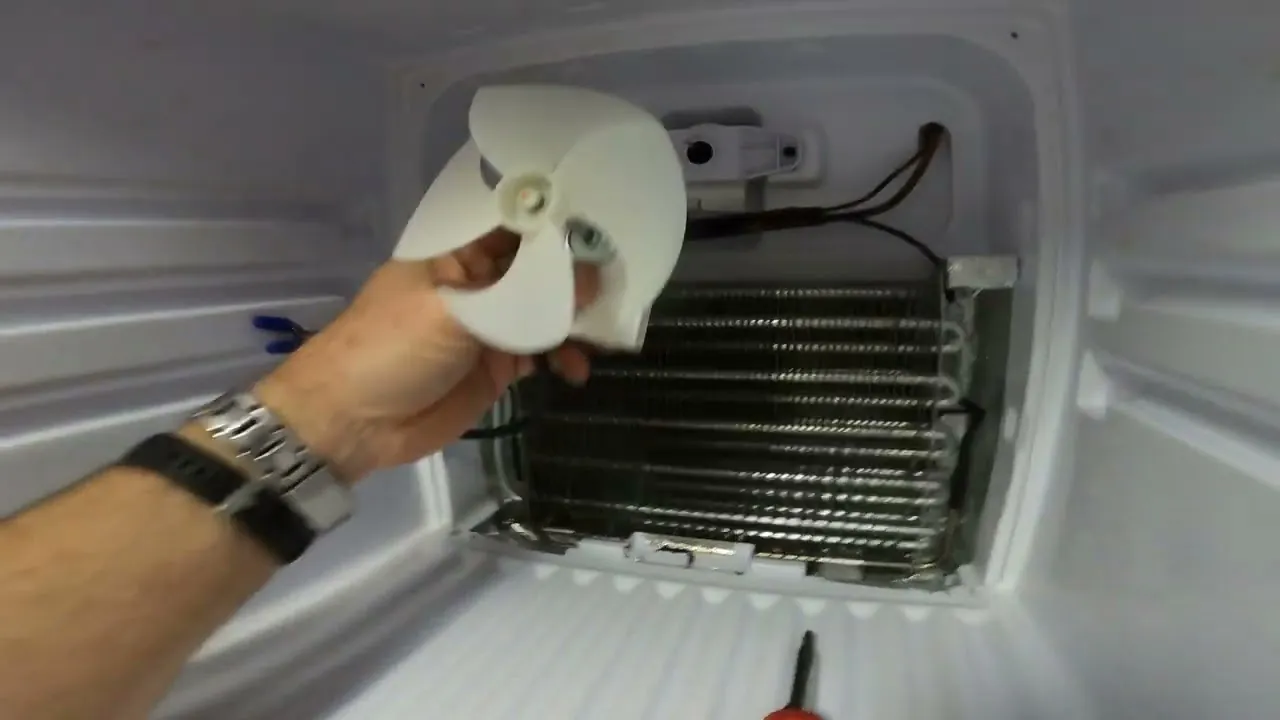
- Fan obstruction: Ensure no wires or debris are touching the cooling fan blades.
- Compressor mounts: The rubber grommets that dampen vibration may have hardened or cracked over time.
Is the interior light working?
If the fridge is completely dead, check the light. If the interior light turns on when you open the door, you have power to the unit. If the light doesn’t turn on, the issue is likely a blown fuse, a tripped circuit breaker, or a loose ground connection at the refrigerator’s power block. Always inspect the inline fuse located near the back of the appliance before assuming the control board is dead.
Managing frost and ice buildup
Excessive ice buildup is usually a symptom of a humid environment or a leaking door seal. While the DMC4101 is designed to be frost-free in many conditions, high humidity in an RV can overwhelm the system. If you see ice on the back wall, verify that the drain tube isn’t clogged. A blocked drain prevents condensation from exiting the unit, which then refreezes into a block of ice.
Proper ventilation and installation
The DMC4101 needs specific clearance to operate safely. If your unit is built into a cabinet, ensure there’s a clear path for air to enter at the bottom and exit at the top. Heat rises, so the exhaust vent must be located at the highest point possible. If the heat is trapped behind the unit, the compressor will overheat and cycle off prematurely to protect itself.
How to optimize energy consumption?
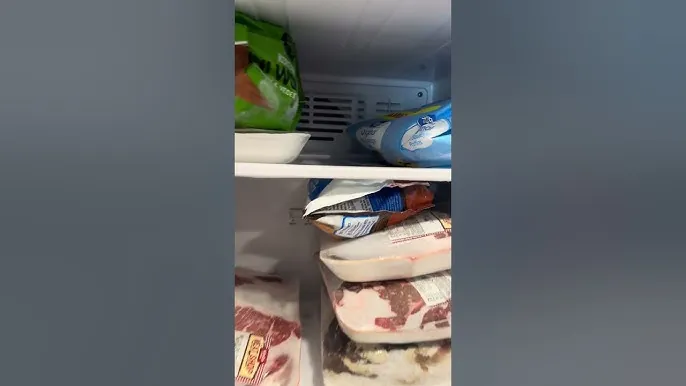
To get the most out of your batteries, keep the fridge full. A full refrigerator retains cold temperatures better than an empty one. When you open the door, cold air falls out and is replaced by warm, moist air. By filling the empty space with water bottles or cold packs, you reduce the amount of air that needs to be cooled every time you open the door. This simple load management strategy significantly reduces the duty cycle of your compressor.
Frequently Asked Questions
Why does my fridge click but not start?
A clicking sound often indicates a low-voltage issue. The compressor tries to start, but the current draw causes the voltage to drop below the threshold, prompting the controller to abort the start attempt. Check your battery state of charge and ensure your DC wiring is of the correct gauge (typically 10 or 12 AWG) to avoid voltage drop over long runs.
How do I adjust the temperature settings?
The DMC4101 is designed to maintain a set temperature automatically via the control panel buttons. You can typically increase or decrease the temperature by pressing the up or down arrows. If the unit doesn’t respond to these inputs, the control panel may be locked or experiencing a communication error with the main motherboard. Try a power cycle to reset the interface.
Is it normal for the sides to get warm?
Yes, it’s normal for the exterior sides or the top of the refrigerator to feel warm to the touch. This is because the condenser coils are often integrated into the side walls of the cabinet to dissipate heat. This design allows the fridge to be more compact, but it means the unit must have adequate airflow around the cabinet to function correctly.
Can I run this fridge on a portable power station?
You can run the DMC4101 on a portable power station, provided the station can provide a sustained 12V output. Ensure the power station has a regulated 12V output port, as the fridge’s sensitive electronics may trigger a low-voltage error if the power station’s output fluctuates wildly. Always verify the continuous amp rating of the power station meets the fridge’s startup surge requirements.
Why is the compressor running constantly?
If the compressor runs without stopping, it’s likely unable to reach the target temperature. This is usually caused by a poor door seal, a very warm ambient temperature, an overloaded interior, or blocked airflow at the rear vents. Check these items to ensure the heat exchange process can occur efficiently. If the door seal is tight and the vents are clear, consult a technician.
Conclusion
Maintaining your Dometic unit is a straightforward process when you prioritize electrical stability and proper airflow. By regularly cleaning the condenser coils and monitoring your battery health, you prevent the most common causes of system failure. If you continue to experience performance issues after performing these checks, contact an authorized service center to inspect the electronic control module.