You can fix most issues with a stuck or drafty window by cleaning the tracks and adjusting the balance springs, as basic double hung window troubleshooting often involves nothing more than removing debris or resetting the sash. The most common cause for a window that won’t stay open is a failed or unhooked balance system. If your window doesn’t slide smoothly, it’s usually because the tracks are dirty or the sash is slightly misaligned.
Troubleshoot double hung window movement issues
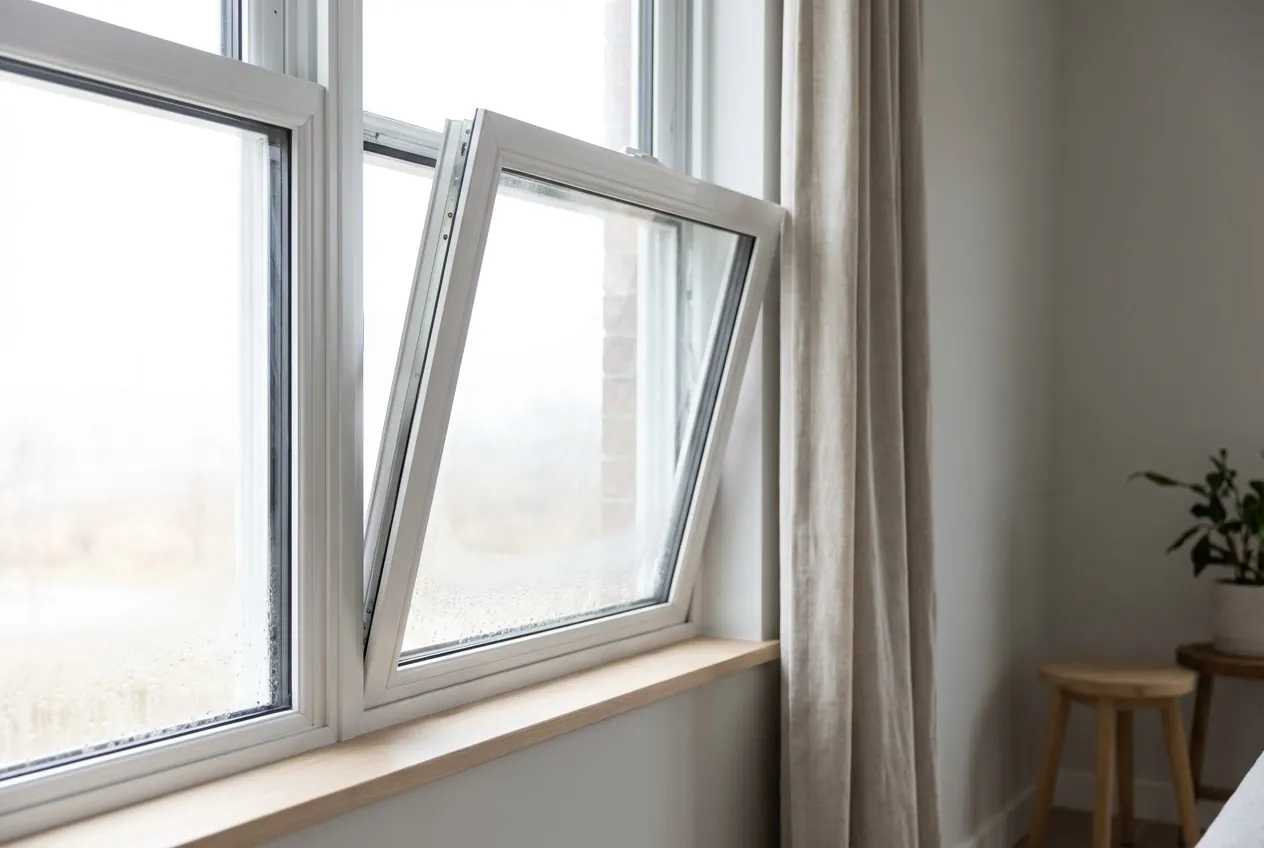
Most window problems come from simple physical interference or wear in the hardware. Dirt, dust, and dried paint often build up inside the side tracks over time. This creates friction that makes the sash difficult to move. If you live in a dusty area, you might need to clean these tracks twice a year to keep the window moving freely.
Another common cause is the failure of the balance mechanism. These are the springs or weights hidden inside the frame that hold the sash in place. If a balance breaks or slips off its track, the window loses its support and will slam shut. You can check if the balance is the culprit by looking for loose cables or springs near the top of the side jambs.
Finally, the frame itself may have shifted due to house settling. If the window frame is no longer perfectly square, the sash will rub against the sides, causing it to stick at specific points. You can test for this by measuring the window diagonally from corner to corner; if the two measurements differ by more than 1/8 inch, the frame may be out of square.
Clean and lubricate the tracks
This fix is for windows that slide with heavy resistance or make a grinding noise. Start by opening the window fully to expose the full length of the side tracks. Use a vacuum with a brush attachment to remove all loose dirt, grit, and dead insects from the channels. If you see dried paint or sticky residue, use a plastic putty knife to gently scrape it away.
Once the tracks are clean, apply a small amount of silicone-based lubricant to a clean cloth. Wipe this cloth along the tracks where the sash edges slide. Don’t use oil-based lubricants like WD-40, as these attract more dust and will make the sticking worse over time. If the window slides easily after this, the problem is solved.
This method is for homeowners who want to improve daily operation without taking the sash out of the frame. If the window still sticks after you have cleaned and lubricated the tracks, the issue is likely a mechanical misalignment. This is the point where you should consider calling a professional window technician, as forcing a stuck sash can break the glass or damage the frame.
Reset the sash balance system
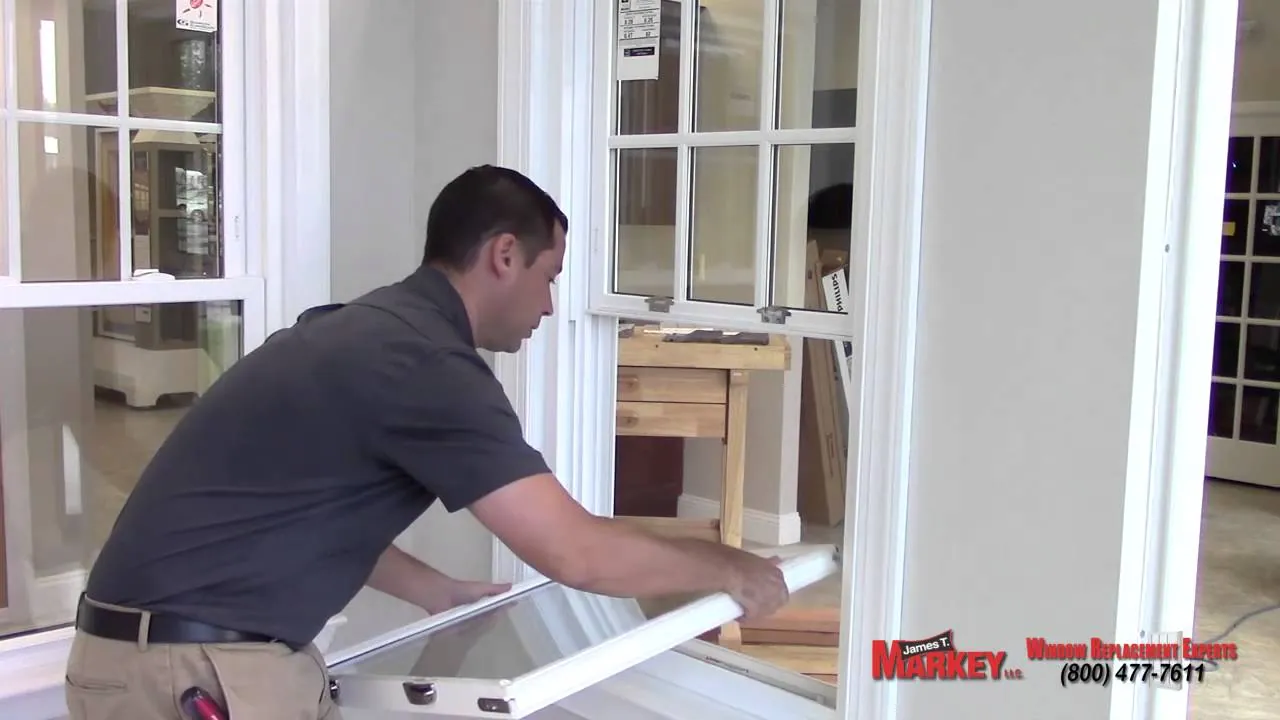
Use this method if your window won’t stay open or feels very heavy when you lift it. Many modern units have a tilt-in feature that allows you to access the balance shoes. First, unlock the window and pull the top sash down slightly. Tilt the bottom sash inward toward you until it’s horizontal, then carefully lift it out of the side tracks.
Look for the balance shoes in the side jambs. These are the plastic or metal blocks that the sash pins sit into. If a shoe has slid to the bottom of the track, you may need to use a flat-head screwdriver to rotate the cam and lock it back into position. Ensure both shoes are at the same height on both sides of the window.
This fix is for users who are comfortable handling the sash. If you feel resistance or hear snapping sounds while moving the balance parts, stop immediately. Improper handling of heavy glass sashes can lead to injury or broken frames. If you can’t reach the balance shoes or if they appear cracked, contact the window manufacturer for a replacement part specific to your model.
Check for structural frame issues
This approach is for windows that bind in the center or refuse to close properly despite clean tracks. Inspect the gaps between the sash and the frame when the window is closed. If you notice a wider gap at the top than at the bottom, the window frame is likely sagging. This is common in older homes that have settled over time.
To verify the severity, place a four-foot level against the head jamb. If the bubble sits outside the center lines, the header has deflected. A gap of 1/8 inch or less is usually a cosmetic nuisance that causes minor drafts.
For these minor gaps, you can add thin weatherstripping to the sides of the sash to fill the space. If the gap is wider than 1/4 inch, weatherstripping won’t be enough to stop air leaks. In such cases, the window unit may need to be re-shimmed by a professional carpenter to sit level in the opening.
This isn’t for homeowners without intermediate repair experience, as re-shimming requires removing the interior trim and casing. If you aren’t familiar with carpentry tools or structural framing, don’t attempt to pry the window frame. Incorrectly adjusting the frame can cause the glass to crack under tension or prevent the window from locking securely. If the frame is out of square by more than 1/2 inch, the window likely requires a full replacement rather than a simple adjustment.
Common mistakes to avoid
Using oil-based sprays: Avoid standard oil sprays. They turn into a sticky paste that traps grit and causes the window to stop moving entirely. Use a dry silicone lubricant instead. It repels dust and keeps the track clear.
Forcing a stuck sash: Never use a hammer or heavy pressure to force a stuck window. This often cracks the glass or snaps the plastic balance housing. If the sash resists, stop immediately. Check for debris in the track or a misaligned shoe.
Ignoring the locks: If the window doesn’t lock, the sash is likely not closed all the way. Check that the balance shoe hasn’t prevented the sash from seating fully. If the shoe is high, push it down with a flathead screwdriver.
Removing springs without caution: Never attempt to uncoil or stretch the springs inside the jamb. These are under high tension and can snap back, causing serious injury. If the tension is off, replace the entire balance assembly rather than trying to repair the internal spring.
Improve your window performance
| If you’re doing this | Do this instead | Why |
|---|---|---|
| Scraping tracks with metal | Use a plastic putty knife | Metal tools gouge wood or vinyl tracks |
| Spraying lubricant into tracks | Wipe with a silicone-dampened cloth | Direct spray creates a mess and attracts dirt |
| Ignoring a drafty frame | Install adhesive weatherstripping | It seals gaps without needing structural work |
| Slamming a stuck window | Gently rock the sash back and forth | Rocking helps reseat the sash in the tracks |
Many homeowners make the mistake of using WD-40 on window tracks. This solvent-based lubricant eventually turns gummy, trapping grit that grinds down the track finish. Use a dry silicone spray or a specialized wax stick instead.
If your window still binds after cleaning, check the balance springs. If the sash drops immediately after you lift it, the tension is too low.
Always prioritize the “friction test.” If you can slide a business card between the sash and the frame when the window is locked, you have a thermal leak. Apply V-seal weatherstripping to the meeting rail to stop air infiltration.
Frequently asked questions
Can I fix a window that won’t stay open?
You can fix this by resetting the balance shoes that hold the sash in place. If the shoe slips to the bottom, the window loses the tension required to stay open. If the internal spring is snapped, you must order a replacement part from the manufacturer.
Why is my window hard to slide up?
A buildup of dirt and debris in the side tracks is the most common cause. Dust and grime create friction that makes the sash feel heavy or stuck. If the tracks are clean but the window remains difficult to move, check for paint buildup and sand it down.
How long does it take to clean tracks?
It usually takes about 10 to 15 minutes per window to clean the tracks and apply a silicone lubricant. This assumes the window is in good working order and only requires basic maintenance. If you have to remove the sash to access the tracks, allow for an extra 10 minutes. If the window has heavy paint buildup, you might need more time to carefully scrape the edges without damaging the finish.
Is it safe to repair my own windows?
Yes, you can safely perform basic cleaning and minor adjustments if you avoid forcing components. You should never attempt repairs involving high-tension springs, as these can cause injury. If the glass is loose or the frame is rotting, stop immediately and call a professional.
What happens if I use the wrong lubricant?
Using oil-based lubricants like WD-40 will eventually make the window stickier than before. These products attract dust and dirt, which turns into a thick, abrasive sludge inside the tracks. This sludge increases friction and can wear down the plastic parts of the balance system. Always use a dry silicone spray or a silicone-based grease, as these provide a smooth, non-sticky surface that prevents dust from sticking to the tracks.
Conclusion
If your windows continue to bind or fail to operate after you have cleaned the tracks and checked the balance, there may be a deeper structural issue with the window frame. Small adjustments can handle most daily annoyances, but persistent problems often point to the natural settling of your home. When your efforts don’t resolve the issue, contact a local window repair specialist to prevent further damage to the sash or the glass.