
You can fix a dyson vacuum troubleshooting no suction issues by checking the bin, filters, and airway blockages first. Most of the time, the machine loses power because debris is stuck in the pipes or the filter is too dirty to let air pass through. If you have checked these simple areas and the motor still sounds strained without picking up dust, you should inspect the brush bar for tangled hair or string that prevents it from spinning.
Diagnosing your Dyson vacuum suction loss
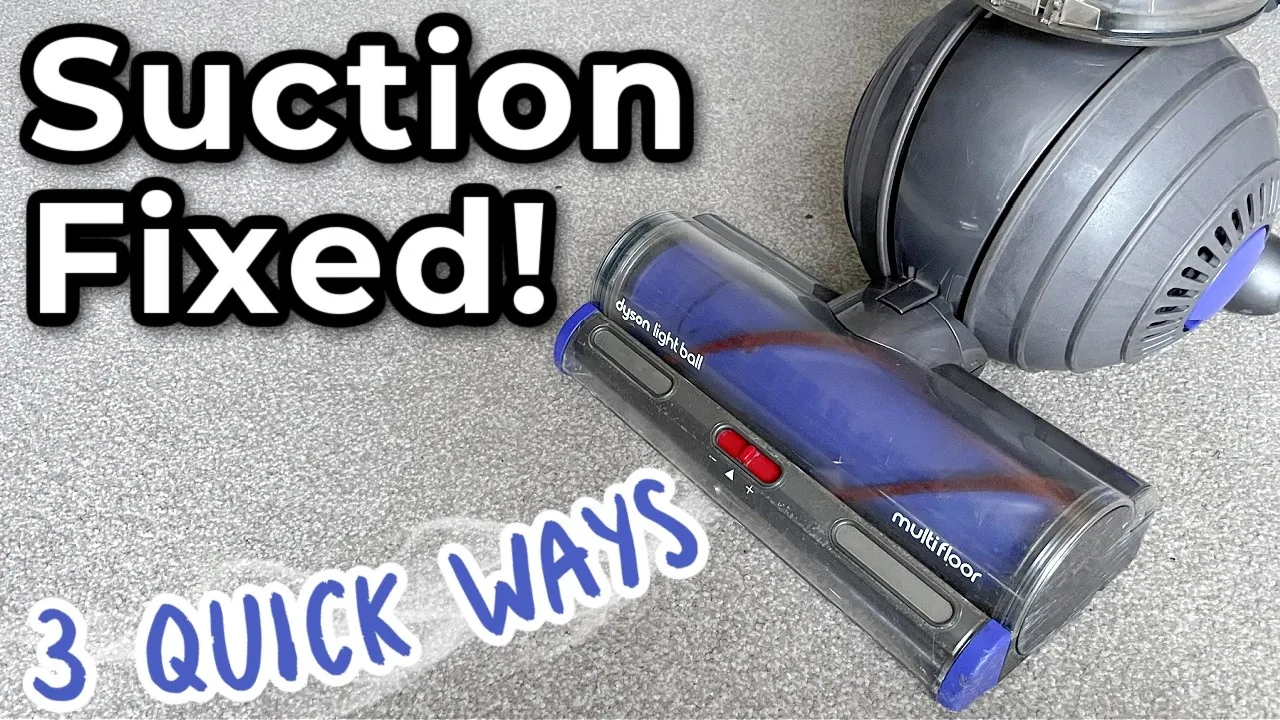
The main reason for a sudden drop in performance is a blockage that prevents air from moving through the system. When air can’t flow freely, the motor works harder than it should, which creates a loud, high-pitched noise or causes the machine to shut down to protect itself from overheating. This usually happens after you vacuum up large items or when the dust bin is pushed past its fill line.
Another common cause is a clogged filter that hasn’t been washed for a long time. These machines rely on high-speed airflow to separate dust from the air, and a layer of fine dust on the filter acts like a wall. If the filter is damp from a recent wash and you put it back into the unit too early, the wet surface will trap dust instantly and stop the suction.
Finally, the seals inside the vacuum can wear out or become loose over time. If a seal isn’t tight, air leaks into the system before it reaches the floor head, which ruins the pressure needed to lift dirt. If you see dust escaping from the joints of the vacuum while it’s running, it’s a sign that the connection points need to be cleaned or that a seal has failed.
Clear the airway and floor head
To fix a blockage, you should detach the wand and the floor head from the main body of the vacuum. Look through the clear plastic wand to see if there’s a clump of debris stuck inside. You can use a long, blunt object like a broom handle to gently push any stuck material through the tube, but be careful not to puncture the plastic walls.
Check the floor head for any objects stuck in the neck or the brush bar area. If you find hair or carpet fibers wrapped around the brush, use a pair of scissors to carefully cut the material away so you can pull it out. If the brush bar doesn’t spin, the vacuum can’t move dirt from the carpet into the airflow.
This fix is for users who have a blockage in the main tube or head. If the motor itself makes a grinding noise or smells like burning plastic, stop using it immediately. This could mean the motor is failing or there’s an electrical fault, which requires the official Dyson support page for professional repair or parts replacement.
Wash and dry the filters
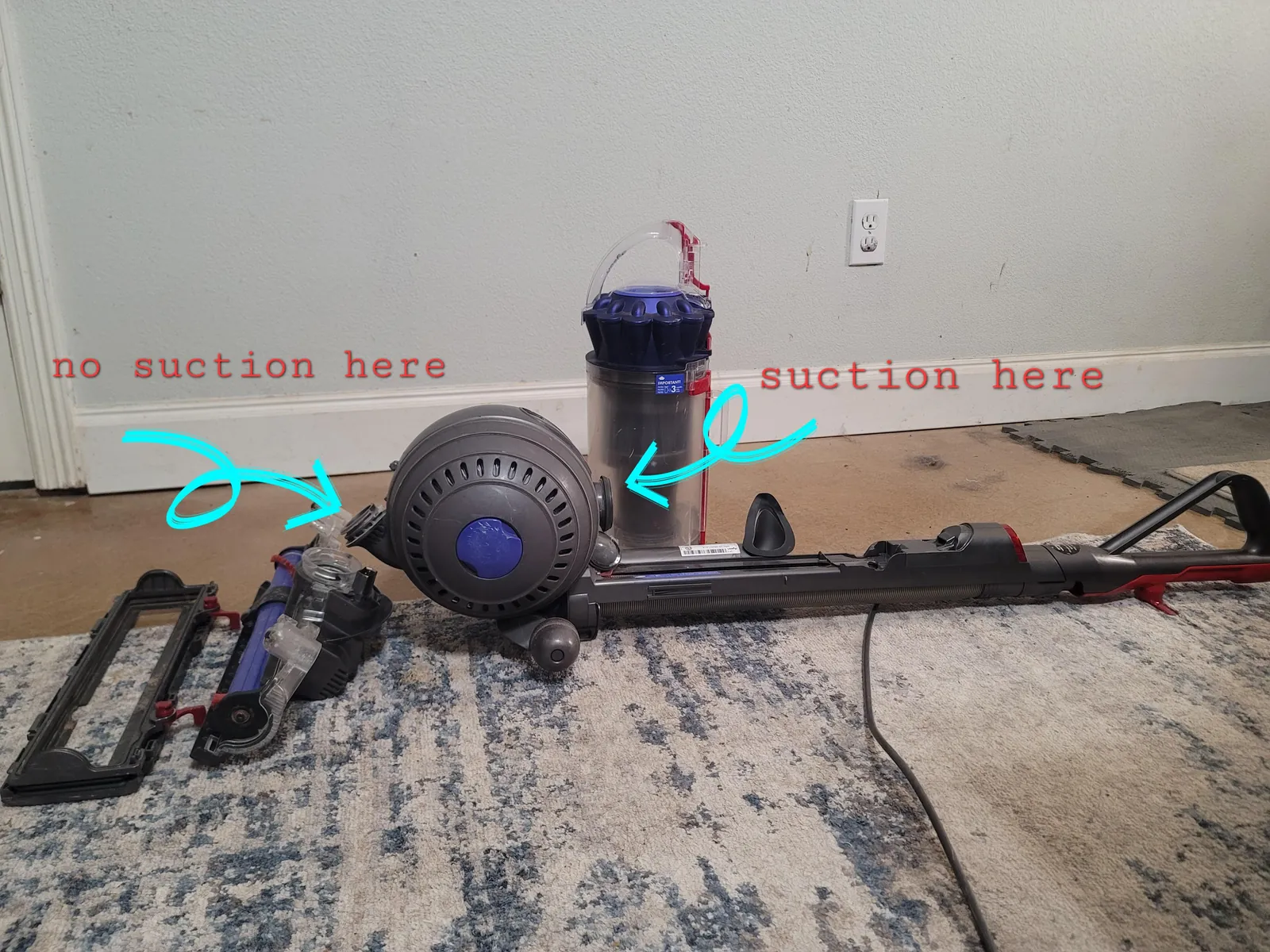
If the machine is still not working, the filters likely have too much trapped dust. Most models have a washable filter that you can remove by twisting the cap at the top of the cyclone assembly. Rinse the filter under cold running water until the water comes out clear, then gently squeeze it to remove the excess moisture.
You must let the filter dry completely for at least 24 hours in a warm, dry place with good airflow. If you put a damp filter back into the vacuum, it will cause a clog, smell bad, and potentially damage the motor. Don’t use a hairdryer, oven, or microwave to speed up the drying process, as heat can melt the filter material and ruin its ability to trap dust.
This process is for standard filters found in most cordless and upright models. If you have a model with a HEPA post-motor filter, check your manual to see if that specific part is washable or if it needs to be replaced. If your filter is torn, frayed, or discolored after washing, it’s time to buy a new one to keep the machine running.
Inspect the seals and bin
Check the dust bin and the cyclone assembly for any cracks or gaps that could leak air. Empty the bin completely and wipe the inside with a dry cloth to remove any static-clinging dust. If the rubber gasket at the bottom of the bin is cracked, it can’t create an airtight seal, and the vacuum will lose suction.
If you have a model with a release latch, make sure it clicks firmly into place every time you close the bin. If the latch is loose or feels weak, the bin door might be opening slightly while you vacuum, which lets air escape. You can check the seal by holding a thin piece of tissue near the bin joint while the machine is running; if the tissue moves, you have an air leak.
This step is for those who have checked the filters and blockages but still see poor performance. If the bin or the cyclone seal is damaged, you’ll need to order a replacement bin part. Never attempt to glue a broken seal or crack with household adhesives, as the pressure changes inside the vacuum can cause the repair to fail quickly.
Common mistakes to avoid
Washing the motor housing: Never submerge the motor assembly. Even a quick rinse will corrode the internal circuit board, causing permanent failure. If dust accumulates inside the vents, use a dry microfiber cloth or a blast of compressed air instead of water.
Vacuuming liquids: These units are strictly for dry debris. Sucking up even a small amount of liquid creates a slurry that coats the internal sensors and promotes rapid mold growth. If you accidentally ingest moisture, remove the bin and leave the machine disassembled in a dry area for 48 hours.
Ignoring the max fill line: Filling the bin past the indicator forces debris into the primary cyclone. This creates a dense, packed clog that requires a full teardown to clear.
Using the wrong power mode: Reserve ‘Boost’ mode for thick rugs only. Using it on hard floors creates excessive suction, which seals the head to the floor and kills airflow.
Keeping suction power steady
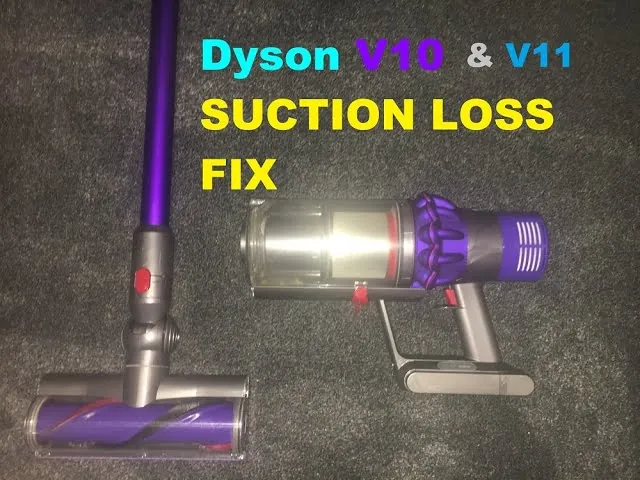
If you’re used to the machine feeling weak, you may need to change how you maintain the unit. The following table shows how to adjust your habits for better performance.
| If you’re doing this | Do this instead | Why |
|---|---|---|
| Washing filters once a year | Wash filters every month | Dust builds up faster than you think |
| Forcing large objects up | Pick up large items by hand | Large items cause immediate blockages |
| Storing in a humid shed | Store in a dry closet | Moisture ruins filters and seals |
| Ignoring the brush bar | Clean the brush bar weekly | Tangled hair prevents proper movement |
Most users mistake a full canister for a failing motor. If the suction drops suddenly, check the intake port first. A coin or a small toy lodged in the neck creates a bottleneck that no amount of filter cleaning will fix.
Use this decision rule: if the vacuum sounds high-pitched, a blockage is starving the motor of airflow. If the sound is muffled or low, your filters are likely saturated with fine dust. Clearing a blockage immediately prevents the motor from overheating, which can permanently degrade the internal seals.
Frequently asked questions
Can a dirty vacuum cause a fire?
A severely blocked vacuum can overheat the motor, potentially damaging internal wires and creating a fire hazard. If the motor feels extremely hot or you smell burning, turn the machine off immediately and seek a professional inspection. This risk increases significantly if the machine continues running while struggling to pull air through a dense clog.
How often should I wash my Dyson filter?
You should wash the filter based on your specific usage habits, as frequent cleaning is necessary to maintain peak suction. Because the ideal frequency depends on how often you vacuum and the amount of debris collected, always consult your owner’s manual for the manufacturer’s recommended maintenance guidelines.
Why does my vacuum pulse on and off?
Pulsing is a safety feature that triggers when the machine detects a blockage or a dirty filter that’s restricting airflow. It’s the vacuum’s way of telling you that the motor is working too hard to breathe. To stop the pulsing, immediately check the wand, the floor head, and the filter for any obstructions, and clear them before trying to turn the machine on again.
Is it safe to use the vacuum without a filter?
No, you should never run the vacuum without a filter because it allows dust and debris to enter the motor. This will destroy the motor within a few uses and isn’t covered by most manufacturer warranties. The filter is the only thing protecting the sensitive electronic parts from the fine dust you’re collecting, so always keep it installed and clean.
How long does a vacuum motor last?
Vacuum motors typically last for several years, though their lifespan depends heavily on how often they run with clogged filters. Keeping filters clean and airways free of debris prevents the motor from overworking, which helps it last longer. Note that there’s no universal lifespan for a motor, as usage patterns vary greatly.
What happens if I keep using a blocked vacuum?
Continuing to use a blocked vacuum will cause the motor to overheat and eventually burn out permanently. Once the motor burns out, the cost of the repair is often close to the price of a new unit. If the machine sounds different or the suction is weak, you must stop and clear the blockage immediately to prevent this expensive outcome.
How do I know if my vacuum is broken?
Your vacuum is likely broken if it fails to pick up debris after you have cleared all blockages, washed filters, and checked for leaks. Unusual grinding or screeching noises usually indicate a mechanical failure that requires professional attention. Contact the manufacturer or a local repair shop to determine if your specific unit can be serviced.
Regular care keeps your machine working like new. When you keep the airflow clear, you save the motor from extra stress and ensure your home stays clean without the frustration of lost suction.
Conclusion
If your vacuum still isn’t performing like it used to, don’t worry. Sometimes internal parts wear out and need a professional touch. It’s a good idea to visit the official website to see if your model is still under warranty, as they’ll help you get it running perfectly again.