
The most common fix for echo srm-225 troubleshooting is to replace the old fuel with fresh gasoline mixed with the correct two-cycle oil ratio. When your trimmer won’t start or runs poorly, the culprit is almost always stale fuel that has gummed up the internal components of the carburetor. If you have been using the same gas for more than 30 days, drain the tank completely and refill it with a fresh mixture before trying to start the engine again.
Troubleshooting common Echo SRM-225 issues
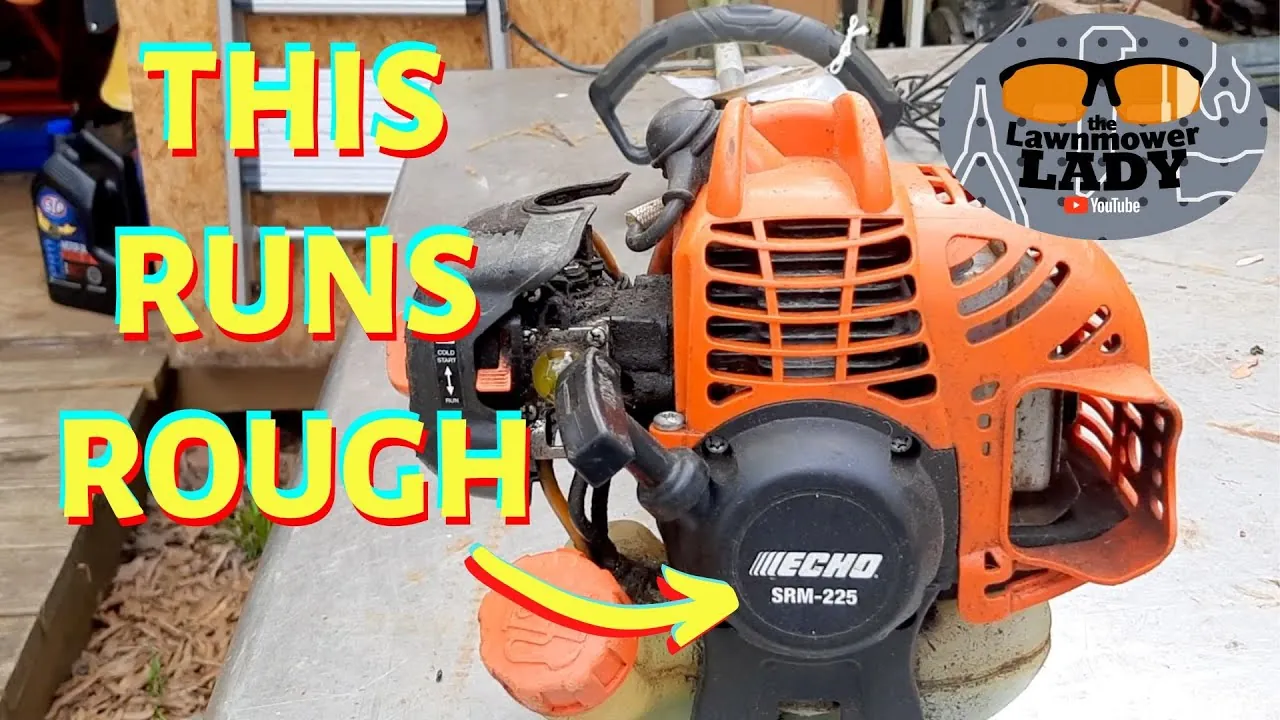
The primary reason for engine failure in handheld power tools is fuel degradation. Gasoline begins to break down and oxidize within a month, especially when it contains ethanol, which attracts moisture from the air. This moisture creates a corrosive environment that blocks the tiny internal passages of the carburetor, leading to a lean condition where the engine can’t get enough fuel to stay running.
Another common cause is a clogged air filter. If the engine can’t breathe, it can’t maintain the correct fuel-to-air ratio needed for combustion. Dust and debris from daily yard work can quickly coat the filter, starving the engine of oxygen. This leads to a loss of power or an engine that dies shortly after starting.
Finally, consider the spark plug condition. A spark plug that’s fouled with carbon deposits or has a worn electrode will fail to ignite the fuel mixture reliably. You can check the Echo official support page for the specific maintenance intervals recommended for your model. If the plug is black, wet, or heavily coated in debris, it’s likely the reason your trimmer is struggling.
Clean the air filter for better airflow
This fix is for users who notice the trimmer feels sluggish or loses power during heavy use. A clean air filter is essential for the engine to pull in enough air to burn fuel efficiently. If you operate your trimmer in very dry or dusty conditions, you should inspect the air filter after every few hours of use to prevent buildup.
To clean the filter, remove the air filter cover located on the side of the engine. Take out the filter element and gently tap it against a hard surface to dislodge loose dirt. If the filter is made of foam, wash it in warm, soapy water, rinse it thoroughly, and let it air dry completely before reinstalling it. If the filter is pleated paper or appears torn or permanently discolored, you must replace it with a new one.
Never run the engine without the air filter in place. Doing so allows grit and debris to enter the cylinder, which will score the piston walls and cause permanent engine damage. If you notice the engine still struggles after cleaning the filter, it’s a sign that the problem lies deeper in the fuel system or spark ignition.
Replace the spark plug for reliable ignition
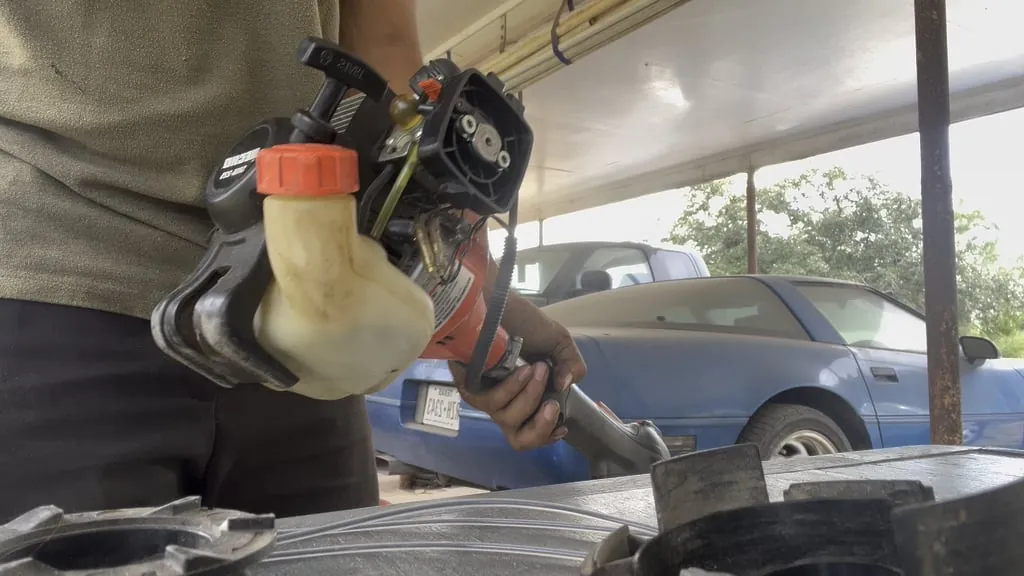
This fix is for users who have confirmed the fuel is fresh but the engine still refuses to start or runs with a rough, uneven idle. A spark plug that has reached the end of its life will struggle to produce the hot, consistent spark required for high-speed operation. This is a common maintenance task that most owners can perform once they have the correct replacement part.
Before you begin, ensure the engine is completely cool to the touch to avoid burns. Disconnect the spark plug wire by pulling the boot firmly away from the plug. Use a spark plug wrench to unscrew the old plug, being careful not to let dirt fall into the cylinder head. Check the gap of your new plug according to the manufacturer’s specifications before threading it in by hand to avoid cross-threading.
If you find that the old plug is covered in thick, oily soot, this often indicates that you’re using too much oil in your fuel mix or that the engine is running too rich. If you’re uncomfortable working with engine components or if the engine still fails to start after a plug change, take the unit to an authorized service dealer. Attempting to force a plug into place can damage the cylinder head threads, which is an expensive repair.
Inspect the fuel system for blockages
This fix is for users whose trimmer dies immediately after starting or won’t stay running even when the throttle is applied. The fuel lines and the fuel filter inside the tank can become brittle or clogged over time, preventing fuel from reaching the carburetor. This is a more involved process, so only proceed if you’re confident in handling small engine parts.
Check the fuel lines for any cracks or signs of hardening. If the fuel lines are stiff or show small fissures, they will leak air into the system, causing the engine to stall. Also, reach into the fuel tank with a small wire hook to pull out the fuel filter. If the filter looks dark or feels slimy, it’s likely restricting fuel flow and should be swapped for a new one.
If you find that the fuel lines are cracked or the tank grommet is leaking, this is a sign of age-related wear. If you aren’t familiar with routing fuel lines, it’s best to visit a professional. Incorrectly installed lines can cause leaks that create a fire hazard near the hot engine muffler.
Common mistakes to avoid
Using E85 or high-ethanol fuel: Ethanol absorbs atmospheric moisture, leading to internal corrosion of fuel lines and gaskets. If you can’t find ethanol-free fuel, add a stabilizer immediately upon purchase. Using E85 in an engine not specifically designed for it will degrade components within weeks.
Leaving fuel in the tank for months: Gasoline begins to oxidize after thirty days, leaving behind sticky residues that clog carburetor jets. If you can’t drain the tank, use a siphon to remove the fuel, then start the engine and let it idle until it stops on its own to minimize residual fuel.
Mixing fuel incorrectly: Too much oil causes heavy carbon buildup on the spark plug, while too little oil leads to catastrophic piston seizure. Always measure your oil with a graduated cylinder rather than eyeballing the ratio.
Ignoring the cooling fins: Grass clippings and debris trapped in the engine housing block essential airflow. If the engine feels excessively hot to the touch, stop immediately and clear the fins to prevent overheating and potential engine seizure.
How to stop it happening again
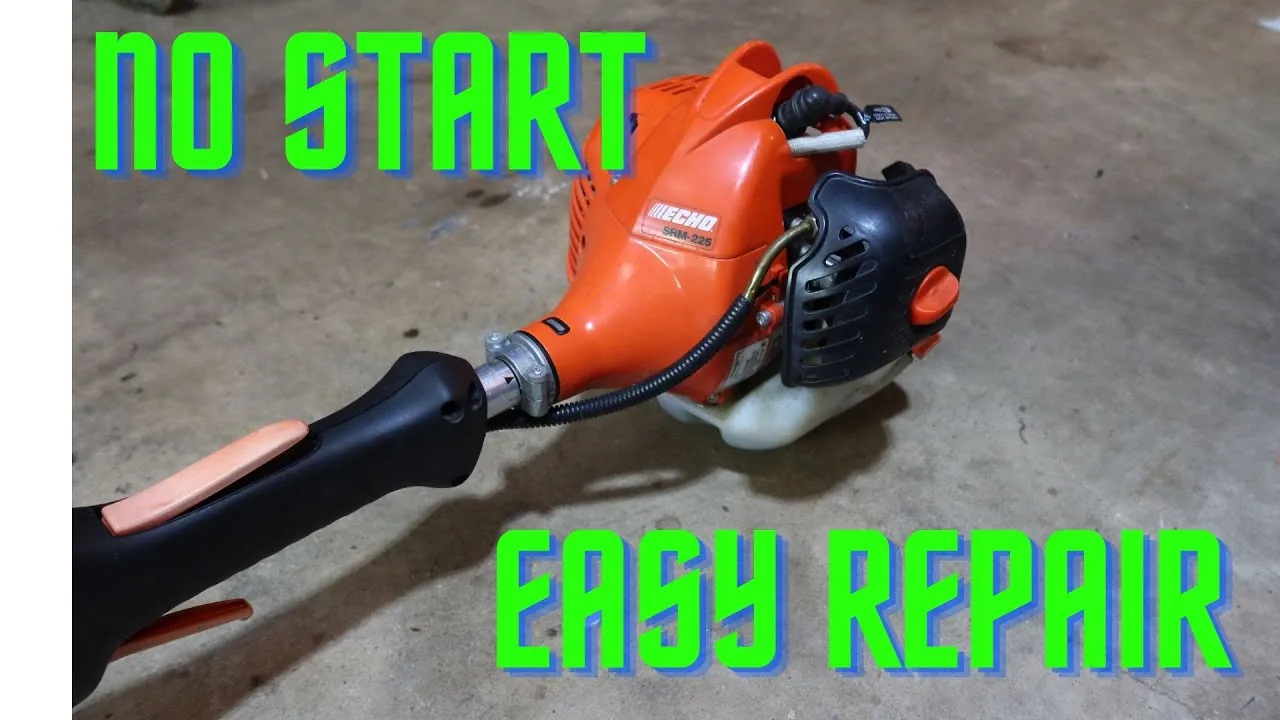
The key to long-term reliability is consistent maintenance and proper storage. Most engine problems start when the tool is put away for the winter without being prepared for long-term inactivity.
| If you’re doing this | Do this instead | Why |
|---|---|---|
| Using regular pump gas | Use ethanol-free gasoline | Ethanol attracts moisture and gums up parts |
| Storing with a full tank | Drain fuel before storage | Prevents varnish from forming in the lines |
| Cleaning with a pressure washer | Use a soft brush | High pressure forces water into electrical parts |
| Waiting for a breakdown | Follow the manual schedule | Prevents small issues from becoming failures |
The most common mistake is leaving fuel in the tank for more than 30 days. Gasoline begins to degrade within weeks, turning into a sticky varnish that clogs carburetor jets. If you can’t find ethanol-free fuel, add a stabilizer immediately after filling the tank.
Use this decision rule: if you plan to use the tool within two weeks, a full tank is fine. If the tool will sit idle for a month or longer, drain it completely. Draining the tank properly saves the cost of a full carburetor rebuild, which is expensive compared to the cost of fuel stabilizer.
Frequently asked questions
Can I use regular gas in my trimmer?
No, you should never use pump gas containing more than 10% ethanol, as it will damage the engine. Most modern trimmers require a 50:1 fuel-to-oil mix using high-quality two-cycle oil. Always check your owner’s manual for specific octane requirements to avoid overheating.
Why does my trimmer die when I give it gas?
The engine dies at throttle because the fuel system can’t deliver enough gasoline for the increased air intake. This is usually caused by a dirty fuel filter or a clogged carburetor jet. If the filter is clean, the carburetor may require professional cleaning to restore proper flow.
How long should the spark plug last?
A spark plug typically lasts about 100 hours of operation before it requires replacement. If you notice the engine is hard to start or runs unevenly, inspect the electrode for wear or carbon buildup. Replace the plug if the electrode is rounded or the porcelain is cracked.
Is it safe to clean the carburetor myself?
No, you shouldn’t attempt to disassemble the carburetor yourself if you lack experience with small engines. The unit contains tiny, delicate springs and gaskets that are easily lost or damaged. If you’re uncomfortable with repairs, take the unit to an authorized service center.
What happens if I use the wrong oil ratio?
Using the wrong oil ratio will cause significant damage to your engine’s internal components over time. Incorrect ratios lead to carbon deposits or insufficient lubrication, which can cause the engine to seize. Always measure your oil precisely to ensure you achieve the correct 50:1 ratio.
How do I know if my fuel is too old?
You can identify old fuel by a sour, varnish-like smell or a dark yellow or brown color. Fresh gasoline should be clear or lightly tinted with a sharp, chemical scent. If you doubt the fuel’s age, it’s cheaper to dispose of it than to risk engine damage.
Conclusion
Proper care for your trimmer involves simple habits, like using fresh fuel and keeping the air filter clear of debris. By following these basic maintenance steps, you can avoid the most common causes of engine failure and ensure your tool remains ready for work throughout the season. If you ever feel uncertain about a repair, it’s always safer to consult a professional technician rather than risking damage to the engine.