The most common reason for a dyson vacuum troubleshooting pulsing is a blockage in the airflow path that triggers the machine’s automatic shut-off safety sensor. When the vacuum detects that air can’t move freely, it cycles the motor on and off to prevent overheating. This behavior is a protective feature rather than a mechanical failure. You can usually fix this by clearing the wand, the floor head, and the bin inlet of any trapped debris or dust clumps.
Why your Dyson vacuum is pulsing
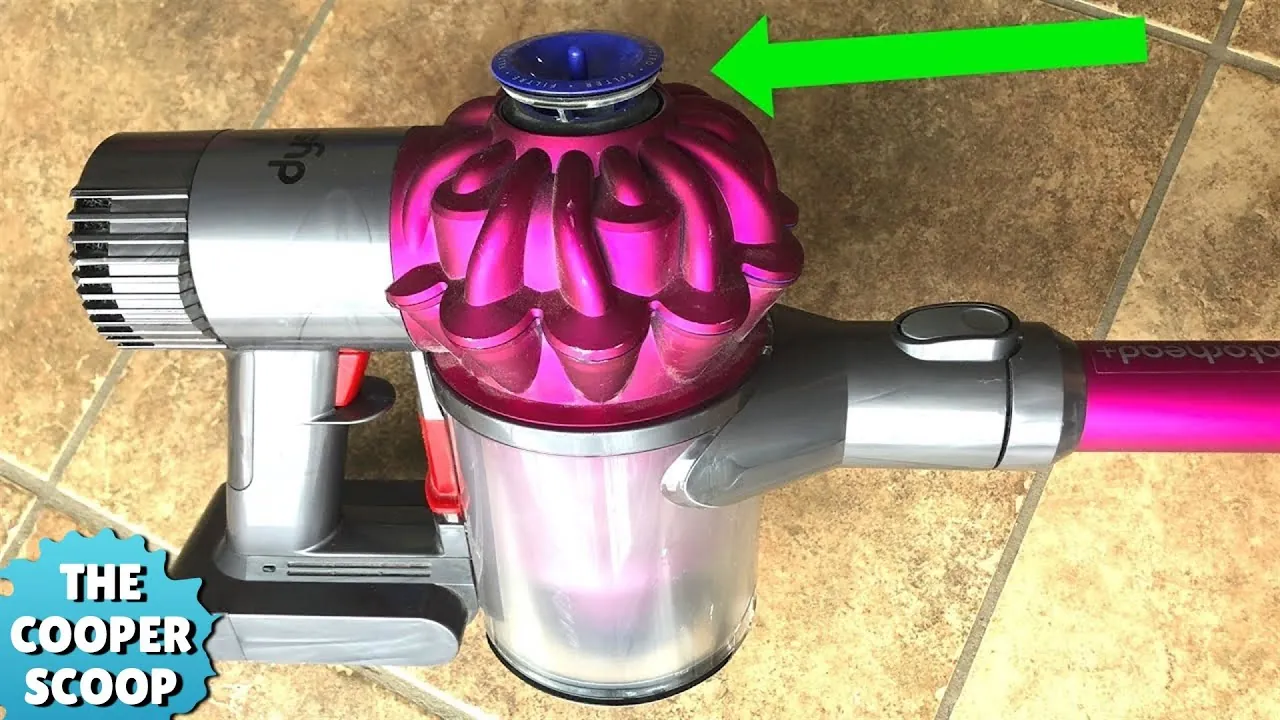
The primary cause of pulsing is a restriction in the suction pathway, which forces the motor to work harder than it should. When the airflow is blocked, the vacuum’s internal pressure sensors detect an abnormal load. To keep the motor from burning out, the control board cuts power for a fraction of a second, causing the rhythmic starting and stopping you hear. This is a deliberate safety design intended to protect the internal components from heat damage.
A secondary cause is a dirty or clogged filter, which creates the same effect as a physical blockage. If the air can’t pass through the filtration system, the motor effectively “chokes” on the lack of airflow. This often happens if the filter hasn’t been washed for several months or if it was replaced while still damp. Using a damp filter can cause immediate sensor errors and may lead to long-term damage in the motor housing.
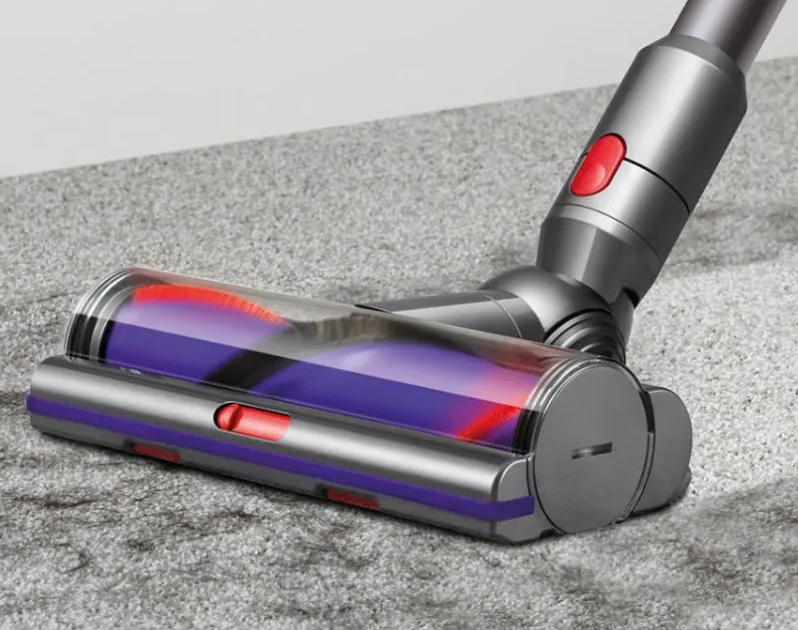
Finally, a damaged brush bar or a jammed floor head can also cause the machine to pulse. If the brush bar is wrapped in hair or carpet fibers, the resistance against the motor increases significantly. The vacuum interprets this extra resistance as a mechanical jam and cycles the power to prevent the drive belt or motor from snapping. If the machine pulses only when the head is attached, the issue is almost certainly within that specific component.
Clear the wand and floor head
If your vacuum is pulsing, you should start by detaching the wand and the floor head to inspect them for obstructions. Place the main body of the vacuum on a flat surface and look through the clear plastic tube of the wand.
If you see an object or a clump of dust, use a long, blunt tool like a broom handle to gently push the blockage out. Never use sharp metal objects, as these can scratch the interior of the wand and create rough spots that encourage future clogs.
Once the wand is clear, turn your attention to the floor head. Check the underside for any hair, string, or carpet fibers wrapped around the brush bar. If you find debris, you can use scissors to carefully cut the material along the groove of the brush bar, then pull the pieces away by hand. If the brush bar doesn’t spin freely after you have cleared it, the problem may be internal to the head.
If you’re unsure whether the wand is clear, you can perform a simple suction test. Attach the main motor unit directly to the floor head without the wand. If the vacuum runs smoothly without pulsing, the blockage was inside the wand itself.
If it continues to pulse, the issue is likely in the floor head or the bin assembly. Always check the official Dyson machine maintenance guide for your specific model to see if there are additional sensors or filters you need to inspect.
Wash or replace the filters
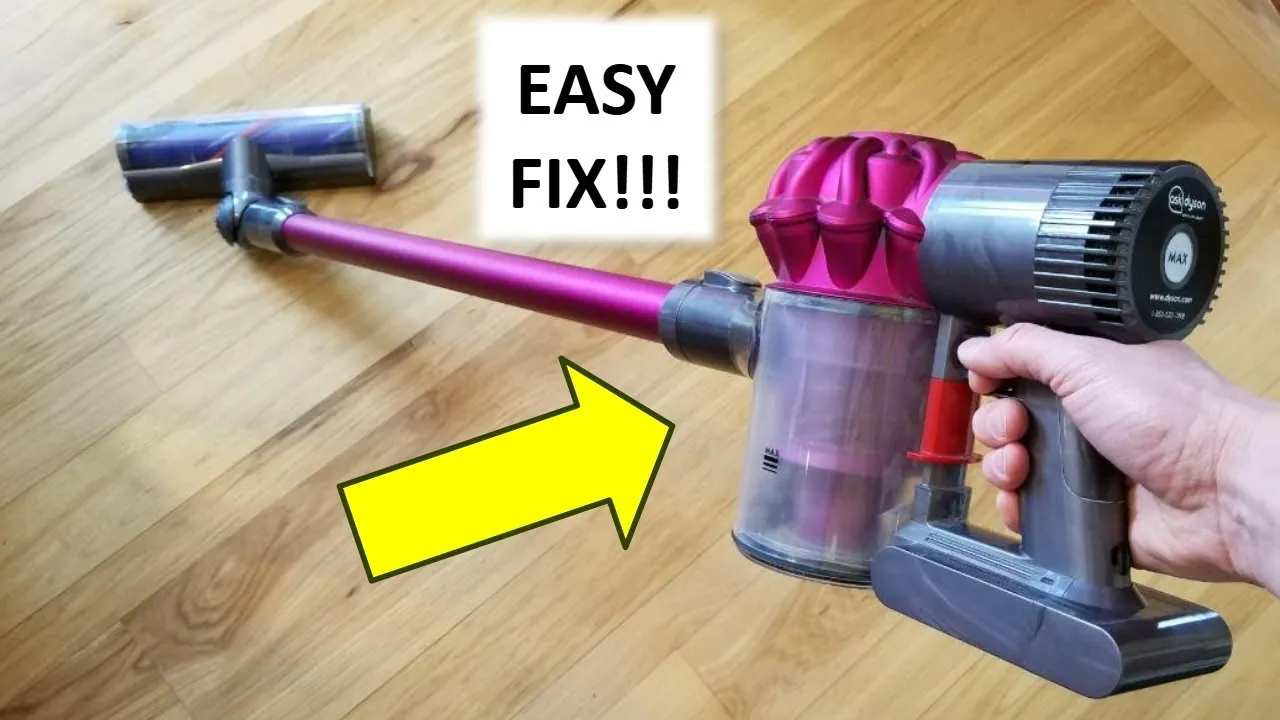
A dirty filter is one of the most frequent culprits for motor pulsing, as it restricts the air intake significantly. Most models require you to remove the filter, rinse it under cold water, and let it dry for at least 24 hours. Don’t use soap or detergents, as these can leave a residue that clogs the filter material further. Ensure the filter is completely dry before reinstalling it, as moisture can cause the motor to short-circuit.
If you have washed your filter several times and it still feels stiff or looks grey even after drying, it’s likely time for a replacement. Filters lose their efficiency over time as fine dust particles become permanently embedded in the pleats. A fresh filter restores the airflow to its original state, which allows the motor to run at its intended power without triggering the safety cut-off.
If you aren’t sure if your filter is the cause, run the vacuum briefly without the filter installed. If the pulsing stops, you have found your problem.
The most common mistake is reinstalling a damp filter. This traps moisture inside the housing, which leads to mold growth and potential electrical failure. If the filter feels cool to the touch after 24 hours, it’s likely still holding water. Use the “paper towel test” by pressing a clean sheet against the pleats. If the towel picks up any moisture, wait another six hours before use.
Inspect the bin and cyclone
The bin inlet is a common place for large debris to get stuck, especially if you have picked up bulky items like cereal or craft supplies. Open the bin and check the rubber seal at the base and the area where the wand connects to the cyclone.
Sometimes, small items can become wedged in the cyclone shroud, which is the perforated metal cone inside the bin. Use a dry cloth to wipe away any dust clinging to the shroud to ensure air can pass through the holes.
If you find that the bin doesn’t close properly, this can also cause an air leak that confuses the sensors. Check that the plastic latches aren’t cracked or covered in fine dust that prevents a tight seal.
If the bin is damaged, the loss of pressure will cause the motor to pulse as it tries to maintain suction. A loose bin is a common mistake that costs users time, as they often assume the motor is failing when the machine is simply not sealed.
What not to do
Don’t use a high-pressure air compressor to blow out the cyclone. Forcing air into the unit drives fine dust past the internal seals and directly into the motor bearings, which causes irreversible grinding.
Never attempt to disassemble the motor housing to check for clogs. This action voids your warranty immediately and risks snapping the delicate ribbon cables that connect the mainboard. If the unit lacks suction, clear the wand or brush head instead.
Avoid using the vacuum on wet surfaces or spills. Moisture inside the cyclone creates a conductive path that triggers an immediate short circuit. Once water touches the motor assembly, the machine will stop permanently and often emits a burning smell.
Don’t force the vacuum to run while it’s pulsing. Pulsing indicates a blockage or a thermal safety trigger; ignoring this weakens the electronic components through repeated heat stress.
Never leave the machine plugged into the charger if you suspect a motor fault. If the unit has already stalled, leaving it on the dock can cause the battery management system to misread the load, potentially damaging the charging port.
How to stop it happening again
To keep your vacuum running smoothly, you must monitor the airflow and keep the filters clean. The following table outlines how to manage your machine’s health to avoid future pulsing.
| If you’re doing this | Do this instead | Why |
|---|---|---|
| Emptying bin when full | Empty bin when half full | Prevents debris from backing up into the cyclone |
| Washing filter once a year | Wash filter every month | Removes fine dust before it restricts airflow |
| Storing in a humid room | Store in a dry, cool area | Prevents mold growth and sensor moisture errors |
| Vacuuming up wet messes | Use a mop for liquids | Water destroys the motor and electrical boards |
Check your exhaust port for fine gray dust. If you see buildup, your filter is already compromised. If your vacuum pulses even after a deep cleaning, inspect the brush bar for hair tangles. A seized brush bar triggers an automatic safety shutoff that mimics a clogged airway.
Frequently asked questions
Can I fix a pulsing motor myself?
You can fix most pulsing issues by clearing blockages and cleaning the filters. Most cases stem from restricted airflow rather than a broken motor. If the machine still pulses after you clean the airway and dry the filter, contact the manufacturer for a professional repair.
How long should I wait for the filter to dry?
You must wait at least 24 hours for the filter to dry completely in a well-ventilated area. Even if the outside feels dry, inner pleats often retain moisture. Installing a damp filter triggers the safety sensor and can cause internal corrosion.
Is it safe to use the vacuum while it pulses?
No, you should turn the vacuum off immediately if it starts pulsing to prevent further damage. The pulsing is a safety feature that indicates the motor is struggling to breathe, and continuing to run it puts unnecessary stress on the internal components. If you ignore the warning, you risk overheating the motor, which could result in a permanent failure that requires an expensive replacement of the entire main unit.
Why does my vacuum pulse only on carpet?
The machine pulses on carpet because the high resistance of the surface requires more suction, which exposes airflow restrictions. On hard floors, the motor works less and may not trigger the safety cut-off. Check the brush bar and filters for debris to reduce resistance.
What happens if I ignore the pulsing?
Ignoring the pulsing risks causing a thermal failure of the motor or circuit board. The machine cycles power as an emergency protection mode, not for normal operation. Repeatedly forcing the machine to run this way will significantly shorten its lifespan.
Conclusion
If the pulsing persists after you’ve cleared every path, there might be a hidden issue with the filter or a loose seal. Don’t worry if you can’t find the problem yourself; it’s a good idea to reach out to customer support. They’ll help you decide if it’s time for a professional repair.
Related guides