
To fix a device that won’t reset, you should perform eaton gfci outlet troubleshooting by checking for a tripped circuit breaker or a downstream fault. Most issues occur because the outlet has lost power at the panel or a connected appliance is causing a ground fault. If the reset button feels loose or won’t stay in the pressed position, the internal mechanism is likely damaged. Always verify the power status at your main electrical panel before assuming the outlet itself is broken.
Troubleshooting your Eaton GFCI outlet
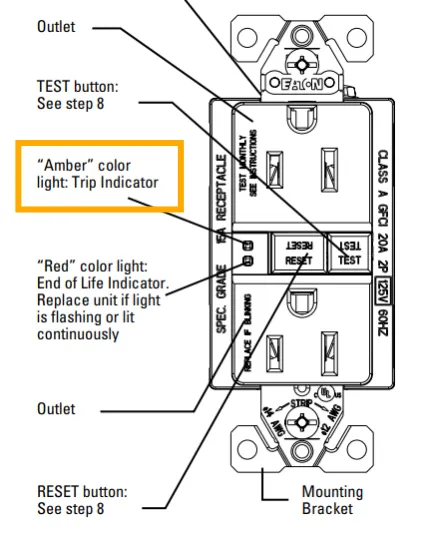
The most common reason for a failed reset is a genuine ground fault elsewhere on the same circuit. These outlets are designed to protect you by cutting power if they detect electricity leaking from a wire to the ground. If you have multiple outlets wired in a series, a fault in a “downstream” outlet—one further away from the panel—can trip the GFCI and prevent it from resetting.
Another frequent cause is a simple loss of power from the breaker box. If the circuit breaker in your home’s main panel has tripped, the GFCI won’t have the power it needs to engage its internal latching mechanism. You should always check the breaker box first to ensure the switch is in the “on” position. If the breaker is tripped, move it to the “off” position and then back to “on” before trying to reset the outlet again.
Finally, internal wear and tear can cause a unit to fail. Like any mechanical device, the springs and contacts inside can degrade over time, especially in damp environments like kitchens or bathrooms. According to the Electrical Safety Foundation International, these devices should be tested monthly to ensure they’re still functioning as intended. If the device fails the manual test button procedure repeatedly despite having confirmed power, it has reached the end of its service life and must be replaced.
Safety: Inside a mains-powered machine, the parts behind the outer cover can hold a dangerous electrical charge even after it has been unplugged — that’s why they sit behind a cover. Opening the housing, or testing or replacing anything behind it, is a job for a qualified technician, never a home repair.
Test the circuit for power
Before you decide the outlet is dead, you must confirm it’s receiving electricity. Check your home’s main service panel to see if the circuit breaker labeled for that room has flipped to the “off” or middle position. If you find a tripped breaker, reset it fully by pushing it all the way to the “off” position and then back to the “on” position.
If the breaker isn’t tripped, use a simple plug-in circuit tester. Insert the tester into the outlet; if the lights on the tester don’t turn on, the outlet isn’t receiving power.
A common mistake is assuming the outlet itself is broken when a GFCI reset button elsewhere in the house has tripped. Check all outlets in the kitchen, bathrooms, and garage for a button labeled “Reset.” If one of these is popped out, it may be cutting power to a string of downstream outlets.
If the tester remains dark, there’s likely a loose wire connection in the box. If you aren’t comfortable checking connections inside an electrical box, stop here and hire a licensed electrician to inspect the wiring. Attempting to tighten terminals while power is live creates a significant risk of arc flash.
Clear downstream devices and appliances
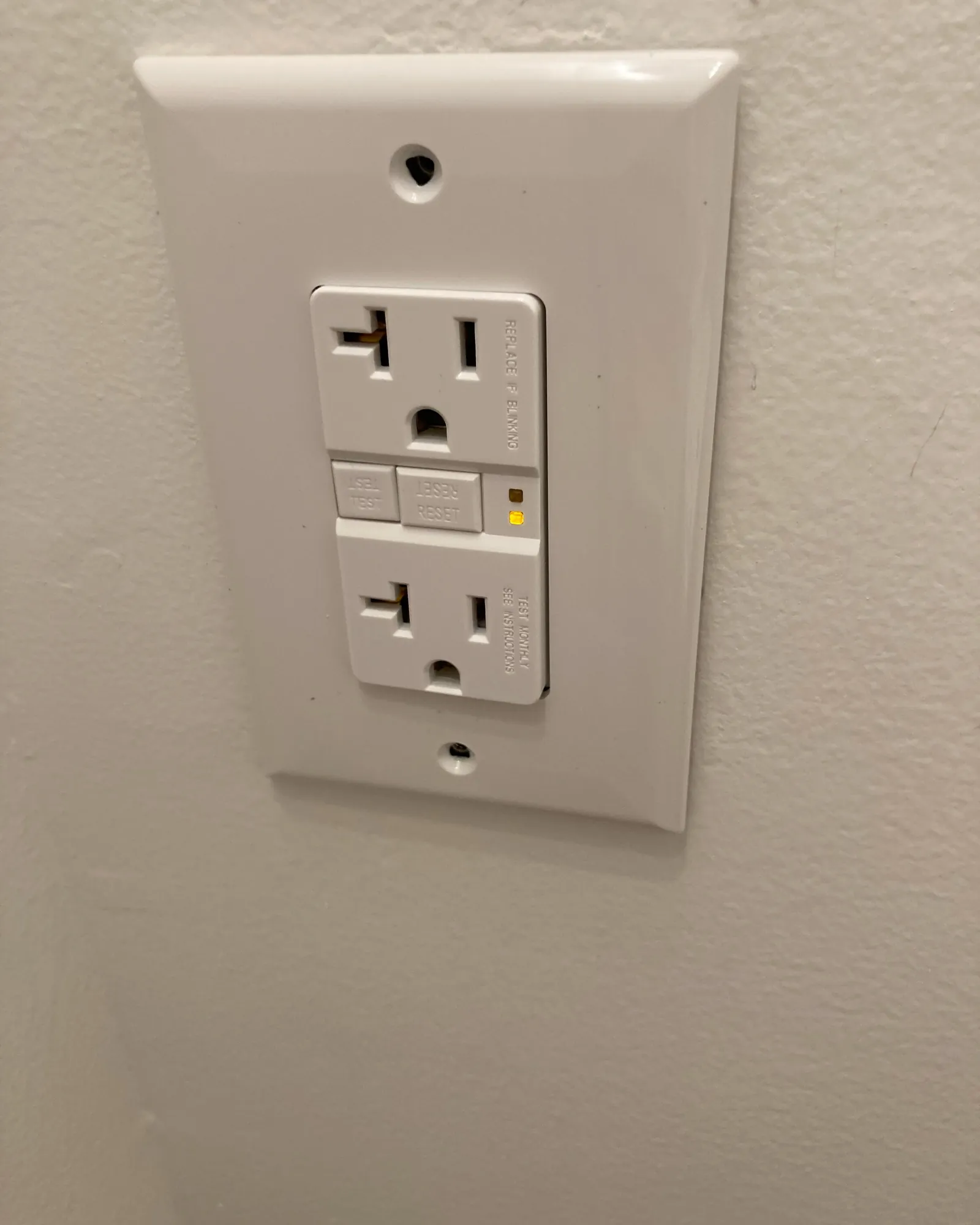
A common mistake is trying to reset the outlet while a faulty appliance is still plugged in. If an item like a toaster or a space heater has a short circuit, the GFCI will immediately trip again the moment you try to reset it. Unplug everything connected to that outlet and any other outlets that lose power when this one trips.
Many people fail to realize that GFCI outlets often protect a “daisy chain” of downstream receptacles. If you can’t find the fault, check the other outlets in the room or along the same wall. If those are dead, the appliance causing the issue might be plugged into a different outlet entirely.
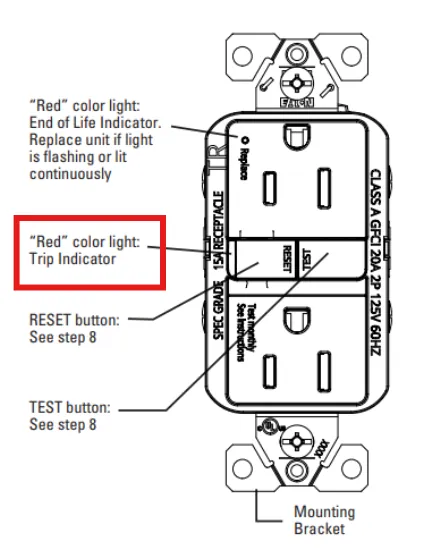
Once everything is unplugged, press the “reset” button firmly until you feel a click. If the button stays in and the indicator light turns on, the outlet is functional. Plug your appliances back in one by one. If the GFCI trips again when you plug in a specific device, you have found the source of your problem. That appliance is leaking current and should be repaired or replaced to keep your home safe.
Replace the damaged unit
If you have confirmed power is reaching the box and there are no faulty appliances, the GFCI itself is likely broken. This is a common occurrence for units exposed to high humidity or those that have been tripped many times over several years. Replacing the unit is a standard task for a homeowner who is comfortable with basic home repairs, but it requires caution.
If you choose to replace it, you must turn off the main power at the breaker panel and verify the power is off with a non-contact voltage tester. A common mistake is assuming the outlet is dead because the light is off; always test the hot wire directly to avoid a shock.
Never attempt to open the housing or perform repairs on the internal parts of the device. If the wiring in your wall looks charred or the box is cracked, don’t proceed with the replacement. These signs often indicate a deeper short circuit or heat damage that a simple outlet swap can’t fix. In these cases, you should hire a qualified electrician to ensure the circuit is safe and compliant with local building codes.
Common mistakes to avoid
Forcing the reset button: Pushing too hard on a stuck button can break the plastic housing, which ruins the device permanently. If the button resists, stop immediately. A jammed mechanism usually indicates internal corrosion or a failed solenoid that requires a full unit replacement.
Ignoring the test button: Never assume a GFCI works just because it has power. It must trip and reset on demand. Perform this test monthly. If the device fails to click when you press “test,” it’s dead and offers zero shock protection.
Overloading the circuit: Plugging too many high-draw appliances into one GFCI circuit causes nuisance tripping. This constant cycling wears out internal contact points. If your outlet trips when you start a space heater or hair dryer, move the device to a different circuit to preserve the GFCI’s lifespan.
Using tape to hold the button: Never tape or wedge the button in place. This bypasses the safety feature and creates a major fire hazard.
Preventing future outlet failures
| If you’re doing this | Do this instead | Why |
|---|---|---|
| Leaving appliances plugged in | Unplug items when not in use | Prevents phantom power and faults |
| Ignoring monthly test buttons | Test the GFCI every 30 days | Ensures the internal sensor works |
| Using outdoors without covers | Install a weather-resistant box | Moisture causes premature corrosion |
| Forcing a stuck reset button | Replace the entire unit | Stuck mechanisms indicate internal failure |
Most homeowners assume a GFCI outlet lasts indefinitely, but internal components degrade over time with regular use. If your outlet feels warm to the touch or hums when active, replace it immediately. These symptoms signal internal arcing, which is a precursor to an electrical fire.
When testing, don’t rely on the “reset” click alone. If the button fails to pop out during the test, the tripping mechanism has seized. Using a device that remains powered while the test button is depressed confirms a failed sensor.
If you live in a coastal area, salt air accelerates terminal corrosion. In these environments, swap standard outlets for marine-grade hardware to prevent oxidation. If you frequently trip a breaker, don’t simply reset it. A recurring trip suggests a ground fault or a loose neutral wire, which requires a professional inspection to avoid permanent wiring damage.
Frequently asked questions
Can I fix a GFCI that won’t reset?
No, you can’t repair the internal electronics of a GFCI outlet if it fails to reset. The internal sensors and latching solenoids are sealed, non-serviceable components. If you have confirmed the circuit breaker is on and no faulty appliances are connected, you must replace the entire unit to restore safety.
How long does a GFCI outlet last?
A standard GFCI outlet typically lasts for a limited period, though this varies based on the environment. Outlets in damp areas like bathrooms, kitchens, or outdoor spaces tend to fail faster due to moisture and temperature changes. You can determine if yours is failing by frequent tripping or difficulty resetting.
Is it safe to use an outlet that won’t reset?
No, it isn’t safe to use an outlet that won’t reset, as it indicates a failure in the protective circuitry. A GFCI that fails to reset can’t protect you from ground faults. If the outlet provides power but can’t trip, it poses a significant safety risk that requires immediate replacement.
What happens if I ignore a tripping GFCI?
If you ignore a GFCI that trips repeatedly, you’re ignoring a dangerous electrical fault in your home. Constant tripping indicates the device is detecting a ground fault caused by issues like frayed wires or moisture. Always investigate the underlying cause rather than simply resetting the device to avoid potential electrical hazards.
How many outlets can one GFCI control?
A single GFCI outlet can protect many other standard outlets on the same circuit if they’re wired downstream. While the exact number depends on your home’s wiring and appliance load, one GFCI often protects an entire bathroom or kitchen run. If the GFCI trips, all connected downstream outlets will lose power.
Conclusion
If you find yourself needing to reset the outlet more than once a week, it’s a clear sign that something is wrong with your circuit or your appliances. Don’t continue to force it, as constant tripping will eventually cause the internal components to seize entirely. If you have ruled out faulty appliances and the breaker is functioning correctly, it’s time to install a new outlet or call a professional to check for hidden wiring issues.