The most effective way to address eaton clutch troubleshooting is to identify the specific symptom, such as slipping, dragging, or noise, and verify the external linkage and pedal free-play before considering mechanical failure. Most issues stem from incorrect adjustment of the linkage or worn friction material. If you notice the clutch engages too high or fails to disengage fully, the first step is to check the pedal free-play against the manufacturer’s manual. When you find the measurement is outside the recommended range, adjusting the linkage is often the only fix required to restore normal operation.
Diagnosing Eaton clutch failure
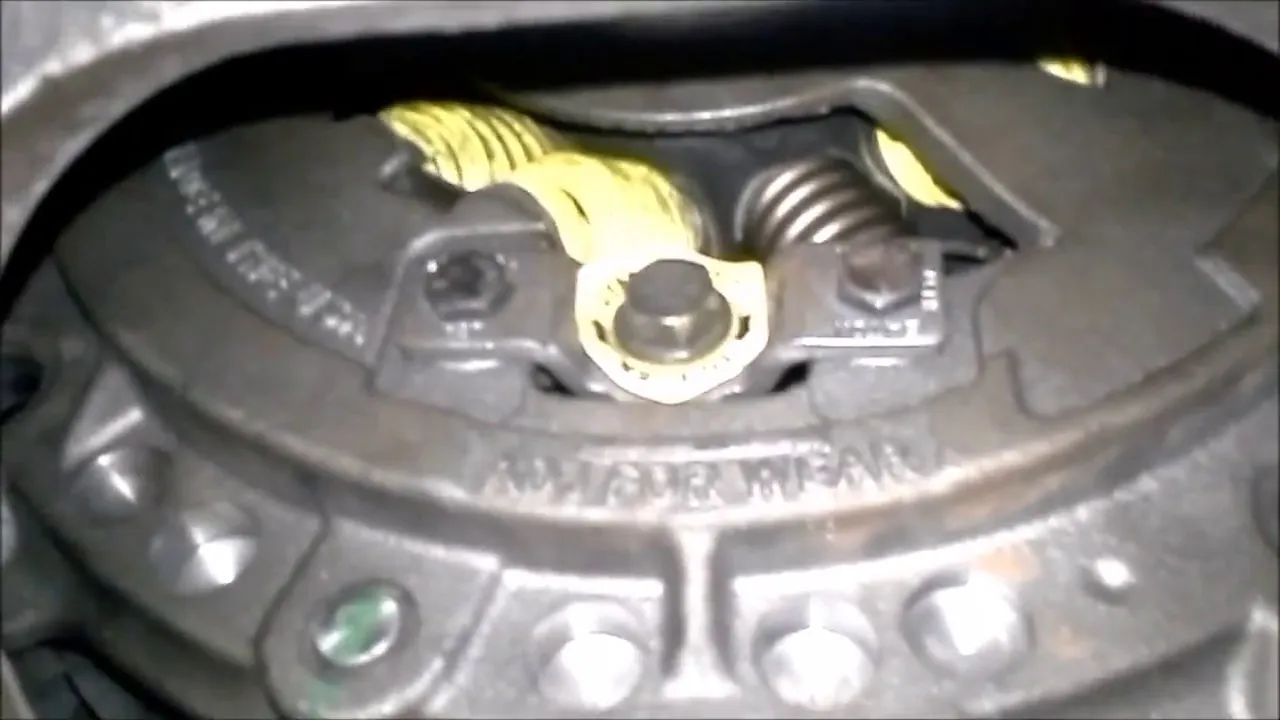
Clutch problems usually develop because of mechanical wear or improper setup. The most common cause is incorrect pedal free-play, which prevents the pressure plate from fully engaging or releasing the clutch disc. When the free-play is too small, the clutch may slip under load because it can’t clamp the disc tightly enough. Conversely, if the free-play is too large, the release bearing doesn’t travel far enough to separate the disc from the flywheel, causing the clutch to drag.
Another frequent cause is the accumulation of oil or grease on the clutch surfaces. If the rear main seal or the transmission input shaft seal leaks, fluid reaches the friction material. This contamination reduces the coefficient of friction, leading to significant slipping even when the linkage is adjusted correctly. You can often smell a distinct burning odor if this happens, especially under heavy load or during uphill driving.
Finally, internal component fatigue plays a major role in heavy-duty applications. Springs within the clutch disc can weaken, or the pressure plate fingers can wear unevenly over thousands of miles.
While you can adjust the linkage to compensate for minor wear, internal mechanical failure requires the removal of the transmission to inspect the assembly. Always refer to the Eaton Fuller heavy-duty clutch service manual for the exact specifications regarding your specific model, as these values vary by torque capacity and design.
Adjust the pedal free-play
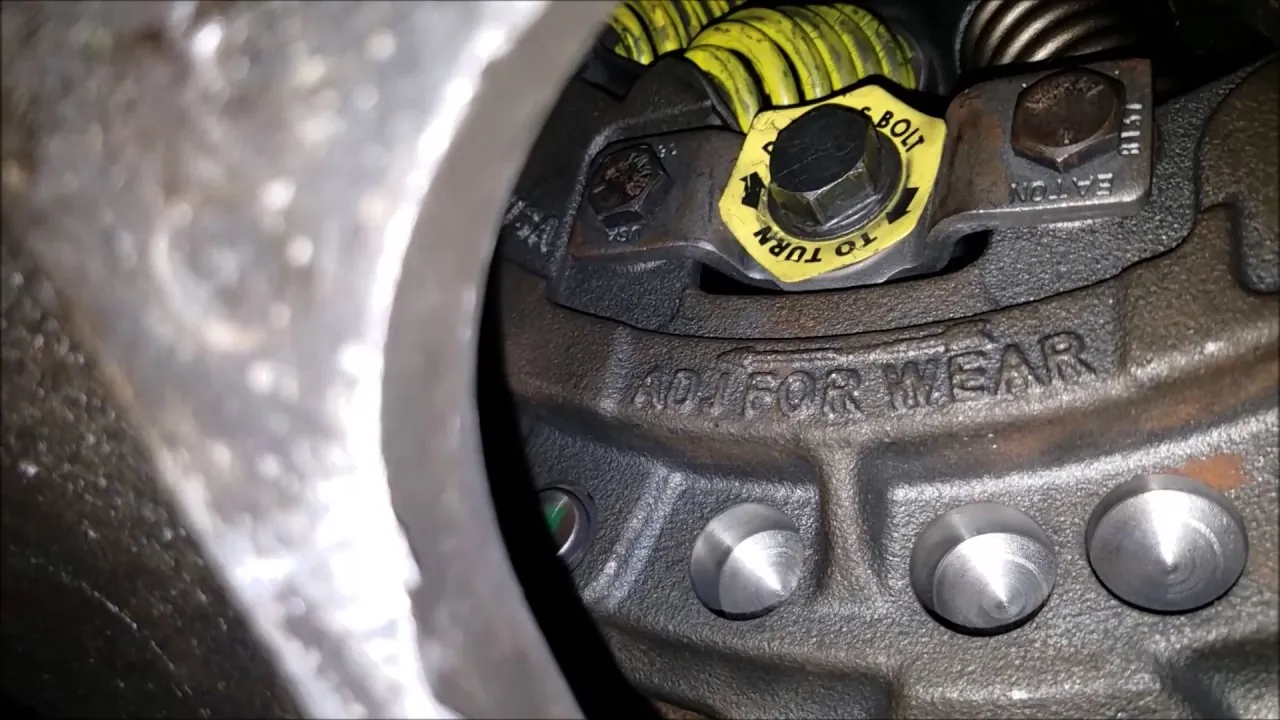
If your clutch is slipping or dragging, you should first check the pedal free-play to see if it meets the manufacturer’s requirements. This adjustment is for users who have access to the underside of the vehicle and feel comfortable working with basic hand tools. If your clutch uses a self-adjusting mechanism, you must follow the specific reset procedure outlined in your manual, as forcing a manual adjustment on a self-adjusting unit can damage the internal springs.
To perform the adjustment, locate the release fork and measure the distance the pedal moves before the bearing contacts the release fingers. If the gap is too small, the clutch will slip, which creates excessive heat and destroys the friction material in a short time. If the gap is too large, the clutch will drag, which makes shifting gears difficult and causes premature wear on the transmission synchronizers.
Always ensure the engine is off and the vehicle is secured with wheel chocks before you crawl underneath. If you lack the proper tools or the space to work safely, don’t attempt this adjustment. A professional technician should handle the task if you’re unsure about the specific linkage tension, as an incorrect setup will lead to immediate clutch failure or damage to the transmission input shaft.
Inspect for linkage wear
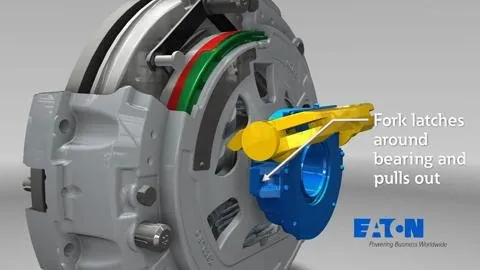
You should check the external linkage for loose pins, worn bushings, or bent rods if the pedal feel remains inconsistent after you adjust the free-play. This fix is for those who notice “slop” or excessive movement in the pedal before the clutch engages. If the linkage components are worn, the pedal movement doesn’t translate accurately to the release fork, making it impossible to maintain a consistent gap.
Worn bushings or elongated holes in the linkage rods create a dead zone in the pedal travel. You can test this by having an assistant move the pedal slowly while you watch the release fork under the vehicle. If the pedal moves significantly before the fork begins to shift, you must replace the worn pins or bushings. This is a common mistake for owners who only focus on the adjustment nut while ignoring the physical integrity of the connecting hardware.
If you find that the linkage is tight but the pedal still feels “mushy,” the issue may be internal. This is a clear sign that the release bearing or the pressure plate fingers are nearing the end of their service life. If you aren’t experienced in drivetrain repairs, don’t attempt to replace these parts yourself. Removing a heavy-duty transmission requires specialized lifting equipment and precise alignment tools to prevent injury or damage to the engine block.
Replace the clutch assembly
Replacing the entire clutch assembly is necessary when the friction material is worn down to the rivets or the pressure plate springs are broken. This is the most expensive and time-consuming fix, and it’s only worth the effort if the flywheel surface is still in good condition. You should only attempt this if you have a shop manual, a heavy-duty transmission jack, and the ability to work under a supported vehicle.
If the clutch has been slipping for a long time, the flywheel is likely heat-checked or scored. Installing a new clutch disc against a damaged flywheel will cause the new parts to fail within a few hundred miles. You must decide whether to have the flywheel resurfaced or replaced entirely based on the depth of the scoring and the manufacturer’s maximum allowable thickness.
This work isn’t for the casual hobbyist. If you don’t have professional-grade equipment, you should take the vehicle to a certified heavy-duty mechanic. Attempting to force a transmission into place without proper alignment can snap the input shaft or crack the bell housing, which results in a much higher repair bill than the cost of a professional clutch installation.
Common troubleshooting mistakes
Adjusting the clutch while the engine is running: This is extremely dangerous and can lead to severe injury if the vehicle is accidentally knocked into gear. Always kill the ignition and ensure the vehicle is properly secured before reaching near the bell housing.
Using lubricants on the clutch disc: Never spray degreaser or oil on the disc. The friction material is porous; once it absorbs contaminants, the disc will suffer permanent slipping. No solvent can extract these oils, and the disc will require immediate replacement.
Ignoring a stiff pedal: A pedal that requires excessive force often points to a seized release bearing or a failing pressure plate. If the pedal feel changes abruptly, stop driving. Ignoring this friction will eventually snap the linkage or shear the clutch cable, leaving you stranded.
Mixing parts from different manufacturers: Always use a matched set of clutch components. Mixing pressure plates and discs from different brands often creates mismatched stack heights. This causes premature vibration and uneven wear that destroys the flywheel surface within 5,000 miles.
Prevent future clutch failure
Maintaining the correct habits behind the wheel is the best way to extend the life of your drivetrain components. The way you use the pedal directly impacts how long the friction material lasts before it needs to be replaced.
| If you’re doing this | Do this instead | Why |
|---|---|---|
| Resting foot on the pedal | Keep foot on the floor | Prevents partial engagement/slipping |
| Riding the clutch on hills | Use the parking brake | Stops unnecessary friction heat |
| Shifting without the clutch | Use the clutch properly | Prevents transmission gear damage |
| Ignoring grinding noises | Inspect the release bearing | Catches failure before it spreads |
Most drivers fail by “slipping” the clutch to hold their position on inclines. This creates intense heat that glazes the friction surface, leading to premature slippage. If you smell a faint, acrid scent after parking, you have already overheated the disc.
If your pedal feels spongy or the engagement point has shifted, check the mechanical linkage for wear or loose components. A low reservoir often masks a leaking slave cylinder. Ignoring this minor drop in pressure will force the clutch to work under-actuated, which destroys the pressure plate springs within weeks. Always prioritize a smooth, decisive release over a slow, feathering motion to minimize wear.
Frequently asked questions
How long should an eaton clutch last?
An Eaton clutch typically lasts between 200,000 and 500,000 miles depending on duty cycles and driver habits. Frequent city driving, heavy towing, and improper shifting techniques significantly shorten this lifespan. Check your owner’s manual for specific service intervals to ensure optimal performance.
Why is my clutch pedal staying on the floor?
A clutch pedal that stays on the floor is usually caused by a failure in the mechanical linkage or a broken return spring. When linkage pins fall out or the rod snaps, the pedal loses its connection to the release fork. Don’t drive the vehicle, as you can’t disengage the clutch.
Is it safe to drive with a slipping clutch?
No, it isn’t safe to drive with a slipping clutch because the heat generated by friction will quickly destroy the flywheel and pressure plate. Slipping causes temperatures to rise, which can glaze the friction material and cause a total loss of grip. Have the vehicle inspected immediately to prevent further damage.
How much does a clutch adjustment cost?
A professional clutch adjustment typically costs between $100 and $250, depending on local labor rates and linkage accessibility. This price covers a standard adjustment without parts replacement. If the technician finds worn pins, bushings, or a damaged release fork, the cost will increase due to additional parts and labor.
What happens if I ignore clutch dragging?
Ignoring a dragging clutch will cause premature failure of your transmission synchronizers and make shifting gears progressively more difficult. Because the clutch doesn’t fully disengage, the input shaft continues to spin, forcing the synchronizers to work harder. Address the free-play adjustment immediately to prevent costly damage to your drivetrain.
Conclusion
If you still can’t resolve the problem after these adjustments, it’s time to consult a professional technician. They’ll help you inspect the internal components for hidden wear that isn’t visible from the outside. Don’t wait too long, as catching these issues early will save you from a much costlier repair later.