You can fix most issues with an electric awning by checking the power source, resetting the motor, or clearing debris from the tracks, which is the most common form of electric awning troubleshooting for homeowners. If the unit doesn’t move at all, the issue is likely a tripped breaker or a blown fuse in your home’s electrical panel. Start by verifying that the awning is plugged in securely and that the circuit breaker hasn’t flipped to the off position.
Troubleshoot why your electric awning stops
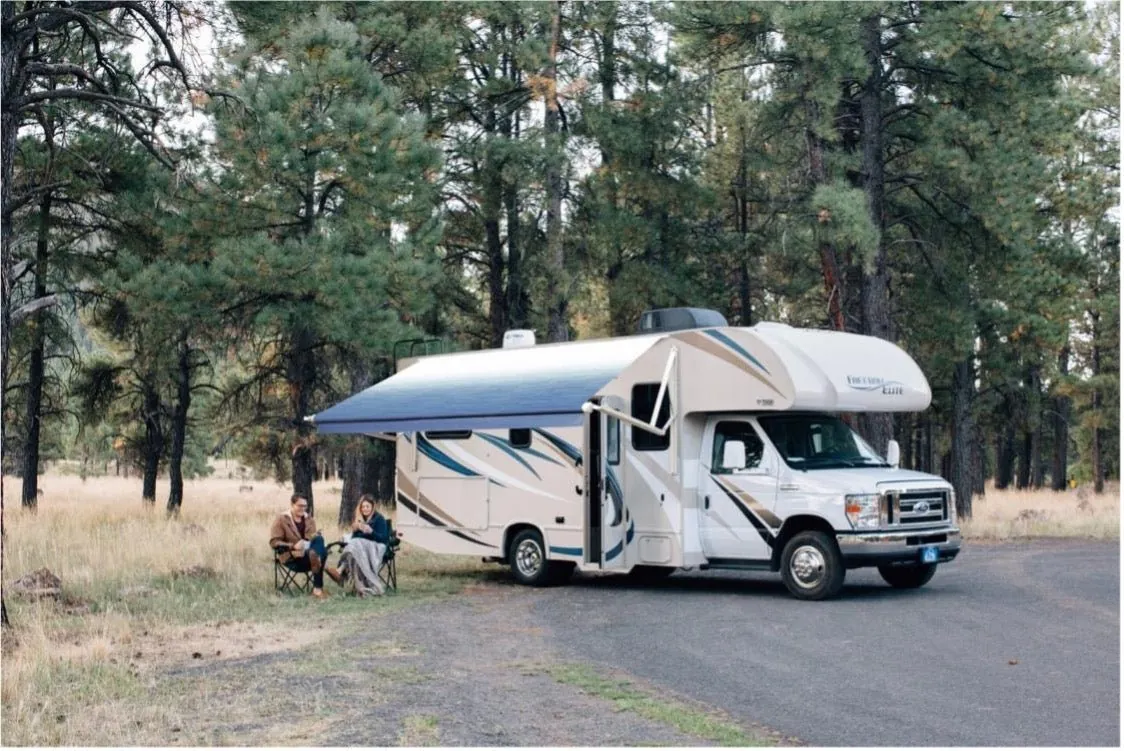
Most motor failures happen because of simple electrical interruptions or physical blockages that prevent the arm from folding. When the system detects too much resistance, such as a branch stuck in the mechanism, it often enters a safety mode to prevent the motor from burning out. You should always check for physical obstructions before assuming the internal electronics are broken.
Another common cause is the loss of the remote control signal or a dead battery in the transmitter. Many modern awnings use radio frequency signals that can be blocked by heavy metal objects or interference from other nearby wireless devices. If you recently changed your home Wi-Fi or added new electronic equipment, the signal path might be interrupted.
Finally, thermal protection is a real factor. If you operate the awning repeatedly in a short time, the motor will naturally overheat. Most motors are designed to shut down automatically once they reach a specific temperature to protect the internal windings. This isn’t a defect but a standard safety feature; you simply need to wait for the system to cool down.
You can verify your specific motor’s duty cycle by checking the manual for awning motors provided by the manufacturer. If the motor remains unresponsive after cooling for 30 minutes, the internal limit switches may have failed.
Reset the remote control signal
If your awning doesn’t respond to the remote, you must re-sync the transmitter to the motor. This is for users who have a working power supply but no movement when pressing the button.
To begin, locate the reset button on the motor housing or the power receiver box. You usually need a small paperclip to press this button until the motor jogs or makes a brief noise. If the motor remains silent after ten seconds of pressure, check your GFCI outlet first. A tripped breaker is the most common cause of a failed reset, and resetting the remote won’t fix a lack of power.
Once the motor signals that it’s in pairing mode, press the program button on the back of your remote control. Most units will jog again to confirm that the new signal is saved. If you have multiple remotes, repeat this process for each one individually.
If the motor doesn’t respond to the reset button at all, the internal receiver board may be damaged. This isn’t a repair for a homeowner, as it involves internal electrical components that carry a risk of shock.
You should contact a professional installer if the motor fails to enter pairing mode after three attempts. If the motor jogs but the remote still fails to trigger movement, the remote battery is likely dead. Replace the battery before assuming a deeper mechanical failure.
Clear debris from the moving parts

When an awning stops halfway or makes a grinding noise, it’s almost always blocked by leaves, twigs, or small debris in the folding arms. This fix is for anyone who hears the motor running but sees no movement. First, fully inspect the hinges and the fabric track for any trapped items. Use a soft brush or a dry cloth to gently wipe away dirt, as grease and oil can actually attract more dust over time.
Don’t use high-pressure water sprayers or harsh chemicals, as these can strip the protective finish from the metal arms. If the arms are visibly bent or twisted, don’t try to force them back into place. Trying to straighten a bent arm can cause the spring tension to release suddenly, which poses a severe risk of injury.
If you see structural damage to the metal frame, stop using the unit immediately and call a certified technician. Professional help is necessary when the frame is misaligned because they have the proper tools to safely release the spring tension before making adjustments.
Adjust the limit switch settings
The limit switches control where the awning stops when it’s fully open or closed. If your awning doesn’t extend far enough or closes too tightly against the wall, you need to adjust these settings. This is for users who are comfortable using a hex key or a small screwdriver to turn the adjustment screws on the motor head. These screws are typically color-coded, with one for the open position and one for the closed position.
Turn the screw in small increments, usually about a quarter-turn at a time, and test the movement after each change. If you turn the screw too far, the awning may hit the house or hang too low. This is a common mistake that can lead to fabric tearing or damage to the motor gears.
If you’re unsure which screw controls which direction, stop immediately. You can find a diagram for your specific motor model on the manufacturer’s website to identify the correct adjustment point. If you don’t feel confident reaching these screws, especially if they’re located high up on a ladder, hire a professional to avoid the risk of a fall.
Mistakes to avoid during repairs
Forcing the awning by hand: Never pull or push the arms while the motor is engaged. This strips the internal gears, leading to a repair bill that’s quite costly compared to simple maintenance. If the motor stalls, stop immediately.
Using lubricants on the fabric: Avoid spraying WD-40 or silicone on the canopy or the track. These chemicals stain fabric and create a sticky residue that attracts grit, effectively turning your track into sandpaper. Use only dry, silicone-free lubricants if the manufacturer explicitly approves them.
Ignoring a burning smell: If you smell ozone or melting plastic, cut the power at the breaker immediately. This indicates a short circuit that can ignite the housing. Don’t attempt to reset the breaker until a professional inspects the wiring.
Working on a ladder alone: Never adjust high-mounted motors without a stable base. Always have a second person stabilize the ladder. If you’re working solo, you risk a fall that’s far more costly than a service call.
Preventing future mechanical failures
To keep your awning running smoothly, you must address issues before they become major repairs. The following table helps you match your current habit with a better way to maintain the system.
| If you’re doing this | Do this instead | Why |
|---|---|---|
| Leaving it open in storms | Retract it fully | Wind gusts can bend arms easily |
| Ignoring small squeaks | Check for debris | Friction causes premature gear wear |
| Cleaning with water jets | Use a dry brush | Water can enter the motor housing |
| Forcing it when stuck | Stop and inspect | You risk breaking the motor gears |
Most owners mistake a sluggish motor for a dying battery. In reality, 80% of stalls stem from track misalignment or grit buildup in the guide rails. If the awning moves at an uneven pace, stop immediately.
Check the lateral arms for parallel alignment. If the awning remains level but still stutters, apply a silicone-based lubricant to the hinges. Avoid oil-based products, as they attract dust and create a grinding paste. If the unit makes a clicking sound under tension, the gear teeth are already stripped. At this stage, don’t attempt a manual override, as you risk permanent frame collapse.
Frequently asked questions
How long does an electric awning motor last?
High-quality awning motors typically last between 10 and 15 years with standard residential usage. Lifespan depends heavily on usage frequency and local climate conditions. Note that harsh environments like high salt air or extreme heat can accelerate internal component degradation.
Can I replace the motor myself?
You shouldn’t replace the motor yourself because it involves handling dangerous electrical wiring and high-tension springs. This is a professional task requiring specialized tools to prevent the arms from snapping open unexpectedly. Attempting this repair yourself may void your warranty and risks serious injury.
Why does my awning stop halfway?
Your awning stops halfway because a safety sensor detects an obstruction or the limit switch has lost calibration. Check the frame for debris like branches or nests that might be catching. If the area is clear, try resetting the system by cycling the power at the breaker.
Is it safe to use the awning in light rain?
It isn’t safe to leave an electric awning extended during rain because pooling water creates heavy weight. This excess weight puts immense pressure on the folding arms, potentially causing the motor to stall or the frame to buckle. Ensure the pitch is steep enough for runoff if you must use it.
How often should I clean the tracks?
You should clean the tracks twice a year, specifically before the spring and autumn seasons. This removes accumulated dust, pollen, and debris that can interfere with movement. Avoid using grease or oil, as these substances trap dirt and cause grinding noises over time.
What happens if the power goes out?
Most electric awnings remain stuck in their current position during a power outage. Some models include a manual override crank that allows you to retract the unit by hand. Check for an eyelet on the motor housing to see if your specific model supports this feature.
Conclusion
If these quick checks don’t get your shade moving again, don’t hesitate to call a professional technician. They’ll have the right tools to safely inspect the internal wiring or replace a faulty motor for you. It’s always better to stay safe than to risk damaging the mechanism further while you’re tinkering.