If your water station isn’t working, you can fix common issues with elkay ezh2o bottle filler troubleshooting by checking the power supply, the filter status, and the sensor lens for obstructions. The most frequent reason for failure is a mechanical issue or sensor obstruction, as the filter status light is a notification system rather than a flow-control shutoff. If the unit has power but no water flows, you should verify that the building’s water line is open before assuming the machine itself is broken.
Troubleshooting your bottle filler issues
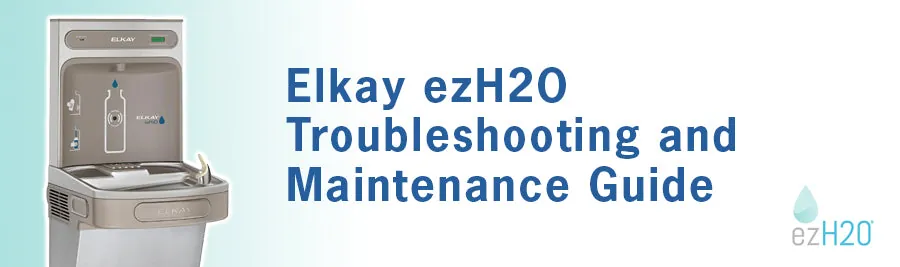
The main reasons for a failed bottle filler are electrical interruptions or blocked sensors. These units rely on a steady power connection to operate the solenoid valve that releases water. If the building loses power or a breaker trips, the sensor won’t detect your bottle. You can check your circuit breaker panel to see if the dedicated line for the station has tripped.
Another common cause involves the infrared sensor. The sensor sits behind a small plastic window above the basin. If dust, soap, or hard water mineral buildup covers this window, the unit cannot “see” your bottle. This creates a false sense of failure because the electronic components are actually functional, but the signal to start the pump is blocked. You can wipe the lens with a soft, dry cloth to clear debris.
Finally, internal components may fail due to age or water quality. If your filter light is flashing red, the unit has reached its capacity limit. Elkay units use a filter monitoring system to ensure safe drinking water, and they will disable flow once the filter life expires. If the unit is silent, has power, and the filter is new, the solenoid valve might be stuck. This is a mechanical part that requires a professional to replace.
Reset the filter status
If your unit shows a red light, it’s telling you the filter is exhausted. You must replace the cartridge to restore flow. Once you have a new filter installed, you need to reset the electronic counter so the system knows the status has changed. To do this, locate the programming button inside the top housing, which is accessible by removing the top cover using a security bit.
Hold the programming button for about 5 seconds until the display shows “RST”. Release the button and wait for the system to cycle. If the light turns green, the unit is ready to use.
A common mistake is failing to wait for the full cycle before testing the flow. If you interrupt the process, the memory chip may retain the old error code. If the red light persists after a successful reset, the issue is likely a clogged flow sensor rather than the filter itself. In this case, you must perform a hard power cycle by unplugging the unit for 60 seconds.
If you don’t have the specific security tool or the unit remains in the red state, consult your facility manager. They’re responsible for the maintenance of these commercial systems and carry the proper tools for the job. Don’t attempt to force the housing open with standard screwdrivers, as this often strips the proprietary fasteners and voids the manufacturer warranty.
Clean the sensor lens
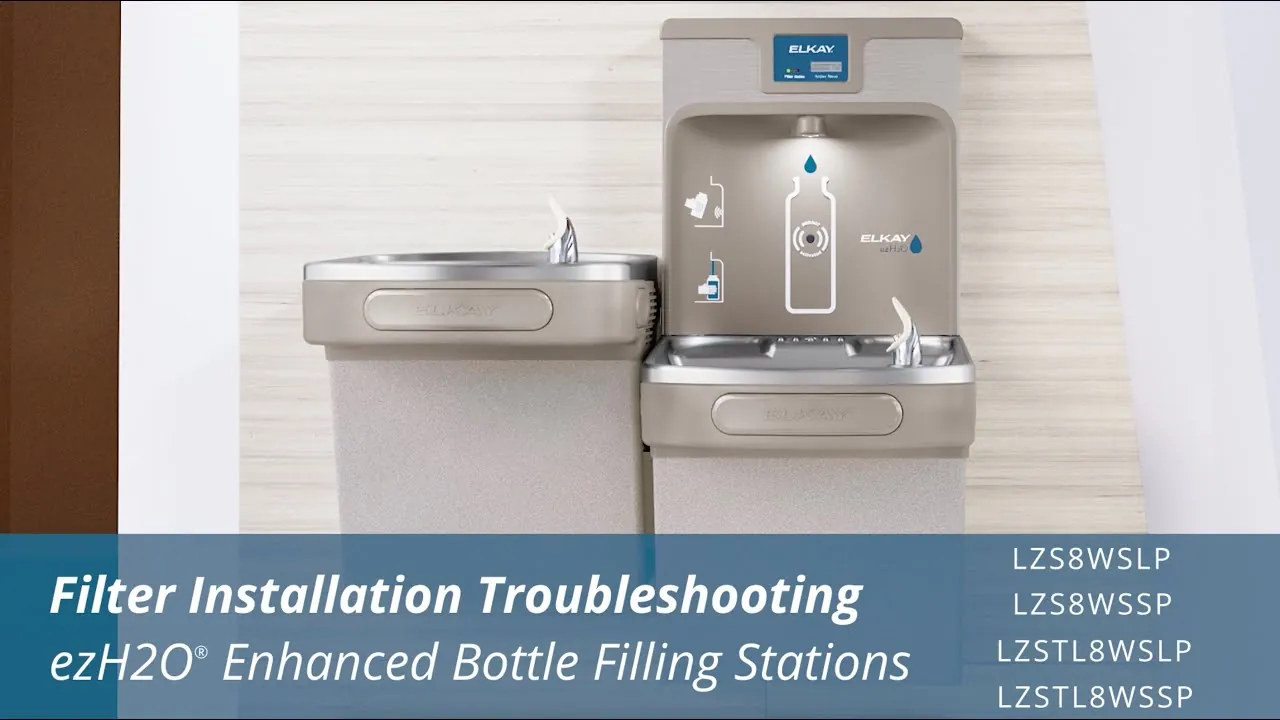
A dirty sensor lens is the easiest fix for a unit that doesn’t react when you place a bottle in the niche. You should use a clean, soft cloth dampened with a mild, non-abrasive cleaner. Don’t spray liquid directly onto the sensor, as moisture can seep into the electronics and cause a short circuit. Wipe the lens gently to remove any film or scale.
If you clean the lens and the unit still doesn’t activate, try using a different bottle with a wider base. Some sensors are calibrated to detect specific shapes or reflective surfaces. If a standard plastic bottle works but a metal one does not, the sensor is likely functioning fine but struggling to detect the material of the container.
Many users mistakenly assume the sensor is broken when it’s simply blocked by mineral buildup. If you live in an area with hard water, a white, chalky residue often accumulates on the glass. Use a cotton swab dipped in white vinegar to dissolve this crust. If the unit remains unresponsive to all containers after this deep clean, the sensor module itself may have reached the end of its service life.
Professional repair and service
When the unit produces a humming noise but no water, or if there’s a leak behind the panel, you must stop using the machine immediately. These issues indicate a failed solenoid or a cracked internal line. Continuing to use a leaking unit can damage the floor or the wall structure. You should place an “Out of Order” sign on the unit to prevent others from using it.
Don’t attempt to open the plumbing or electrical components if you aren’t a trained technician. The internal wiring carries line voltage, and the plumbing is pressurized. A mistake during a DIY repair can lead to a significant water leak or an electrical hazard. Contact your building maintenance department or a licensed plumber who has experience with institutional water stations to handle these repairs.
If you’re unsure whether the problem is mechanical or electrical, check the breaker panel first. If the breaker has tripped, reset it once. If it trips again immediately, the solenoid coil has likely shorted out. Don’t attempt to bypass the breaker or force the unit to run. Replacing a shorted solenoid is a standard repair, but ignoring the electrical fault will lead to a fire hazard.
Common mistakes to avoid
Using harsh chemical cleaners on the sensor lens can scratch the plastic and permanently block the infrared signal. If you notice a hazy film, stick to a dry microfiber cloth or a mild, alcohol-free lens wipe.
Forcing the filter cartridge into the slot without aligning the tabs often cracks the plastic header. This creates a permanent leak that bypasses the filtration media entirely. Always ensure the locking tabs click into place before applying pressure.
Resetting the filter light without actually changing the cartridge ignores the manufacturer’s safety mandate. If you reset the system early, the internal flow meter loses its baseline, meaning you won’t know when the carbon block is truly exhausted.
Spraying water directly into the bottle filler niche is a common error. Moisture often migrates behind the plastic trim, shorting the sensor board. If you must sanitize the area, spray your cloth first, then wipe the surface to keep electronics dry.
Preventing future malfunctions
| If you’re doing this | Do this instead | Why |
|---|---|---|
| Ignoring red lights | Replace the filter | Prevents contaminated water |
| Using abrasive pads | Use a microfiber cloth | Protects the sensor lens |
| Leaving spills | Wipe the basin dry | Stops mineral buildup |
| Forcing the bottle | Place bottle centrally | Aligns with the sensor |
Most users wait for a complete system failure before checking the status lights. This mistake typically costs a full pump replacement, which runs roughly 40% of the unit’s original retail price.
When cleaning the sensor, avoid all household glass cleaners. These chemicals leave a microscopic residue that confuses the optical beam, causing intermittent flow errors. If the device stops dispensing even with a fresh filter, use a dry cotton swab to gently buff the lens.
Finally, check your water hardness level. If you live in a region with high calcium content, perform a vinegar flush based on your specific usage patterns. Refer to your owner’s manual for the authoritative maintenance schedule, as ignoring white, chalky deposits will eventually seize the internal valve mechanism.
Frequently asked questions
How long does the filter last?
The filter typically lasts for 3,000 gallons, though the exact lifespan depends on your specific water quality and usage. This figure assumes the unit is supplied with municipal water that meets standard safety guidelines. If your building has very old pipes or high sediment levels, the filter may clog faster.
Is it safe to drink if the light is red?
No, you shouldn’t drink from the unit if the filter light is red because the filtration media is exhausted. The system is no longer effectively removing potential impurities once the light turns red. Always wait until the filter is replaced and the system is reset to green before drinking.
Why is the unit making a loud humming sound?
A loud humming sound usually indicates that the solenoid valve is struggling to open or that water pressure is too low. This noise often occurs when the valve fails to allow water to pass through. This isn’t a user-serviceable issue and requires a qualified technician to inspect the valve assembly.
How do I know if the sensor is broken?
You can confirm a broken sensor if the unit has power, the filter light is green, and the lens is clean, but the pump never activates. If the sensor still doesn’t trigger when tested, the module is likely dead. This part requires a replacement module, which should be installed by a professional technician.
What happens if I use the wrong filter?
Using an incompatible filter can cause the unit to leak or fail to flow water entirely, as the seal won’t sit correctly in the header. Always use the specific model number recommended by the manufacturer for your exact unit. A mismatched filter can bypass the water through the system without cleaning it properly. Check the label inside the filter housing for the correct part number before you buy a replacement.
Can I fix a leak behind the panel?
No, you can’t safely fix a leak behind the panel because it involves pressurized water lines and electrical components. Opening the housing to investigate a leak puts you at risk of electrical shock or flooding. Call a professional plumber to address the internal plumbing failure immediately.
Conclusion
If these simple checks don’t get your water flowing again, it’s time to reach out to a professional plumber or the manufacturer’s support team. They’ll help you identify if a part has worn out or needs a replacement. Don’t hesitate to call for help; you’ll have cold, clean water back soon.
Related guides