Owning a swim spa is a luxury, but when the current stops, the water clouds, or the jets fail, performing your own endless pool troubleshooting becomes a necessary skill to keep your investment running smoothly. Whether you’re dealing with a simple filter clog or a complex sensor error, understanding the basic mechanical and chemical systems of your aquatic unit is the first step toward getting back in the water. By isolating the issue to the electrical, circulation, or propulsion systems, you can often save hundreds of dollars in service fees by fixing minor malfunctions yourself.
Key Takeaways

- Always disconnect the main power supply before opening the equipment cabinet.
- Most propulsion issues originate from clogged intake grates or dirty filters.
- Check your GFCI breaker first if the entire unit loses power.
- Water chemistry imbalances, such as high pH, frequently cause heater and pump failure.
- Consult your specific model’s owner manual before attempting any internal repairs.
Endless Pool Propulsion Troubleshooting
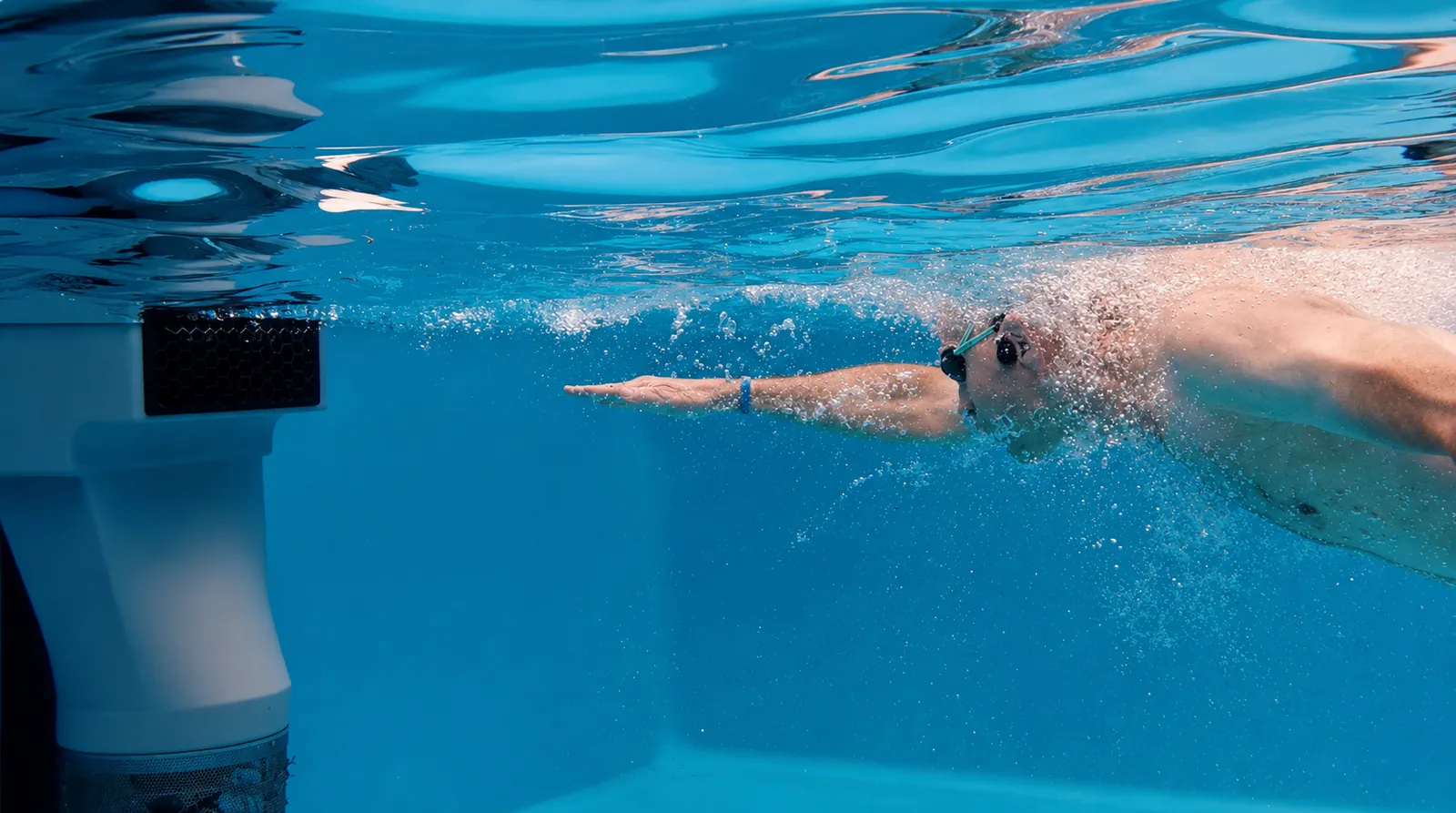
The signature feature of your unit is the propulsion mechanism, which generates the water current. When this current feels weak or stops entirely, it’s rarely a catastrophic motor failure. Instead, it’s usually a flow restriction.
- Intake Grates: Inspect the suction grates at the rear of the pool for debris, such as hair, leaves, or plastic toys. Even a small blockage can restrict flow enough to trigger a low-flow sensor.
- Propeller Obstructions: If the system makes a grinding noise, turn off the power and check the propeller housing for foreign objects.
- Air Locks: If you have recently drained and refilled the unit, air may be trapped in the pump housing, preventing the propeller from engaging.
Warning: Never reach into the propulsion housing while the power is connected, as the high-velocity current can pose a severe physical entrapment hazard to fingers or limbs.
| Symptom | Primary Cause | Immediate Action |
|---|---|---|
| Weak current | Dirty filter cartridges | Clean or replace filters |
| Grinding noise | Propeller obstruction | Inspect housing for debris |
| No flow at all | Tripped GFCI breaker | Reset the breaker at the panel |
| Pulsing current | Air trapped in lines | Bleed the pump housing |
Why Is the Water Clouding?
Cloudy water is the most frequent maintenance complaint. It typically indicates that the sanitation system is struggling to keep up with the organic load. You should maintain your water quality according to the Endless Pools water care guidelines to ensure longevity for your equipment.
Common Water Quality Culprits
- Low Sanitizer: If your bromine or chlorine levels drop to zero, bacteria and algae will bloom rapidly, turning the water milky.
- High pH/Alkalinity: If these levels rise above 7.8, the water loses its ability to hold minerals in solution, leading to scale buildup on the heater element.
- Filter Saturation: If you haven’t cleaned your filter in over four weeks, it’s likely filtering nothing and simply re-circulating particles back into the pool.
Handling Electrical Power Issues
Electrical issues are often the most intimidating, yet they usually stem from simple safety triggers. If your control panel is blank, don’t immediately assume the board is fried.
- GFCI Trips: The Ground Fault Circuit Interrupter is designed to cut power if it detects a leak. If it trips repeatedly, look for moisture near the heater or pump motor.
- Loose Connections: Over time, the vibration of the pump can loosen wire terminals. With the power off, check the terminal block for any charred or loose wires.
- Control Board Fuses: Most systems feature a secondary fuse on the motherboard. If the pump runs but the display is dead, a blown fuse is the likely culprit.
How to Fix Heater Failures
If the water is cold, the heater is the first point of inspection. However, the heater is often a secondary victim of a flow problem.
- Flow Sensors: Most heaters won’t engage unless they detect a steady flow of water. If your circulation pump is failing, the heater will disable itself to prevent overheating.
- High-Limit Switch: This safety device shuts off the heater if the water temperature exceeds a dangerous threshold. It often needs to be manually reset after the water has cooled.
- Scale Buildup: If you live in an area with hard water, calcium deposits can insulate the heating element, causing it to work harder and eventually burn out.
Managing Control Panel Errors
Modern swim spas communicate through complex software. When the screen displays an error code, it’s essentially the computer telling you exactly what is wrong.
Decoding Common Error Codes
- FLO / FL: This code indicates a low-flow condition. Check your filters and intake valves immediately.
- OH / OHR: This stands for Overheat. The water temperature has exceeded the safety limit. Turn off the power and let the water cool down for several hours.
- SN / SENSOR: This indicates that a temperature sensor has disconnected or failed. This usually requires a replacement part from the manufacturer.
Pro Tip: Take a clear photograph of the error code displayed on your control panel screen before you call a technician, as this will help them identify the specific part needed before they arrive at your home.
Routine Maintenance Schedule
| Frequency | Task | Benefit |
|---|---|---|
| Weekly | Test pH and Sanitizer | Prevents equipment corrosion |
| Monthly | Rinse Filter Cartridges | Maintains optimal water flow |
| Quarterly | Deep Clean Filter | Extends pump and motor life |
| Biannually | Drain and Refill | Removes accumulated Total Dissolved Solids |
Troubleshooting Pump Noises
Unusual sounds are a clear indicator of mechanical distress. Identifying the sound can save you from a complete pump replacement.
- Screeching: This is almost always a sign of a failing bearing in the pump motor. If caught early, a technician can replace the bearing; if ignored, the entire motor will seize.
- Rumbling: This can indicate that the pump is mounted loosely to the base, causing vibration. Ensure all mounting bolts are tightened securely.
- Humming: If the pump hums but doesn’t turn, the starting capacitor may be failing. This is a relatively inexpensive part that can be replaced by a qualified electrician.
Identifying Plumbing Leaks
Leaks are rarely hidden, but they can be difficult to trace. A small drip from a union can eventually erode the base of your cabinet or damage the electrical components below.
- Union Fittings: The most common leak point. Try tightening the large plastic nuts by hand. If that fails, the internal O-ring may be pinched or worn out.
- Pump Seals: If water is dripping from the center of the pump motor (between the wet end and the motor housing), the shaft seal has likely failed.
- Glue Joints: If a PVC pipe has cracked due to freezing or vibration, you’ll need to cut out the section and replace it with new piping and couplings.
Dealing with Ozone Generator Issues

The ozone system helps reduce the amount of chemical sanitizer required. If you notice a strong chlorine smell or cloudy water, the ozone generator might be inactive.
- Indicator Light: Most ozonators have a small light that confirms they’re receiving power and generating ozone. If the light is off, check the power cord connection.
- Check Valve: If water has backflowed into the ozonator, it will destroy the unit. Ensure the check valve is positioned correctly and functioning to prevent water from entering the ozone tubing.
- Tubing Integrity: Over time, the silicone tubing can become brittle and crack, allowing ozone to leak out before it reaches the water.
Frequently Asked Questions
Why does my pool shut off while I am swimming?
This is usually a safety feature triggered by a flow restriction or an overheat sensor. When you swim, you create turbulence that can temporarily interfere with water flow sensors. If the system detects a drop in water movement, it will shut down the pump to protect the heater. Ensure your filters are clean and the water level is high enough to cover the intake grates.
How often should I replace the filter cartridge?
You should replace your filter cartridge every six to twelve months, depending on how frequently you use the pool. While rinsing the filter monthly extends its life, the internal fibers eventually break down and lose their ability to trap fine particles. If your water remains cloudy despite proper chemical levels, it’s a strong indicator that your filter media is exhausted and requires replacement.
Can I fix a pump motor myself?
You can perform basic maintenance, such as clearing debris from the impeller or replacing a capacitor, if you’re comfortable with electrical work. However, internal motor repairs—such as replacing bearings or seals—require specialized tools and mechanical expertise. If the motor is still under warranty, avoid opening the motor housing, as this will likely void your coverage. Always defer to a professional for complex internal repairs.
What causes the GFCI to trip immediately?
A GFCI trip upon startup usually indicates a direct ground fault, meaning electricity is leaking from a component into the water or the frame of the pool. This is often caused by a shorted heating element, a failed pump motor winding, or moisture inside the electrical control box. Because this is a serious safety risk, disconnect the power immediately and contact a certified technician to test the components.
Is it normal to have bubbles in the water?
Small, fine bubbles are often a byproduct of the ozone generator or the propulsion system, which is normal. However, large, surging bubbles usually indicate an air leak on the suction side of the pump. Check all union connections and the pump lid O-ring for a proper seal. If air is being sucked into the system, it can cause the pump to cavitate and eventually lead to motor failure.
Conclusion
Regular maintenance is the most effective way to prevent the need for complex repairs in the future. By keeping your filters clean, monitoring water chemistry, and responding to small mechanical changes immediately, you ensure your aquatic system remains a reliable source of fitness and relaxation. For specific technical diagrams or parts identification for your model, log in to your manufacturer’s online portal to download the latest service manual.