When your hot water supply suddenly turns frigid, performing envirotemp water heater troubleshooting becomes a high-priority task for any homeowner. These units are designed for efficiency and reliability, but like any mechanical system, they can experience performance dips or total failures due to sediment buildup, electrical faults, or thermostat calibration issues. If you’re wondering about the cost of professional repairs, you should expect to pay between $150 and $600 for a service call and minor part replacements, depending on your region and the specific complexity of the internal failure.
Key Takeaways
- Always shut off the main power supply at the breaker box before touching any electrical components inside the unit.
- Sediment accumulation at the bottom of the tank is the most common cause of popping noises and inconsistent water temperatures.
- A malfunctioning upper or lower heating element will typically result in either tepid water or no hot water at all.
- Testing the high-limit reset button is the fastest way to determine if your unit has simply tripped a safety switch.
- Checking the dip tube ensures that cold water is being directed to the bottom of the tank rather than mixing immediately with the hot water outlet.
Safety: Inside a mains-powered machine, the parts behind the outer cover can hold a dangerous electrical charge even after it has been unplugged — that’s why they sit behind a cover. Opening the housing, or testing or replacing anything behind it, is a job for a qualified technician, never a home repair.
Is Your Water Heater Leaking?
A leak is often the most stressful issue to encounter, but identifying the source is critical for determining if a repair is possible or if the unit has reached the end of its lifespan. Water pooling at the base of your unit can originate from several locations, and not all of them require a full replacement.
Identifying the Leak Source
- Temperature and Pressure (T&P) Valve: If the leak is coming from the valve near the top, it may be failing to hold pressure.
- Drain Valve: A loose or degraded plastic drain valve at the bottom of the unit often drips slowly.
- Internal Tank Corrosion: If the water is seeping from behind the insulation or the bottom seam, the tank has likely rusted through.
Warning: If you see water leaking from the bottom of the tank itself, the unit is typically non-repairable and poses a significant flood risk to your home; you should shut off the water supply valve immediately and contact a professional.
How to Check Electrical Components
| Component | Function | Potential Failure Sign |
|---|---|---|
| Upper Thermostat | Controls upper element | No hot water at all |
| Lower Thermostat | Controls lower element | Tepid water supply |
| Heating Element | Heats the water | High resistance or open circuit |
| T&P Valve | Safety pressure release | Constant dripping or leaking |
Addressing Sediment and Popping Noises
Over time, minerals found in your local water supply settle at the bottom of the tank. As these minerals harden into a layer of scale, they trap water underneath. When the heating element fires, that trapped water boils and turns to steam, causing a distinct rumbling or popping sound.
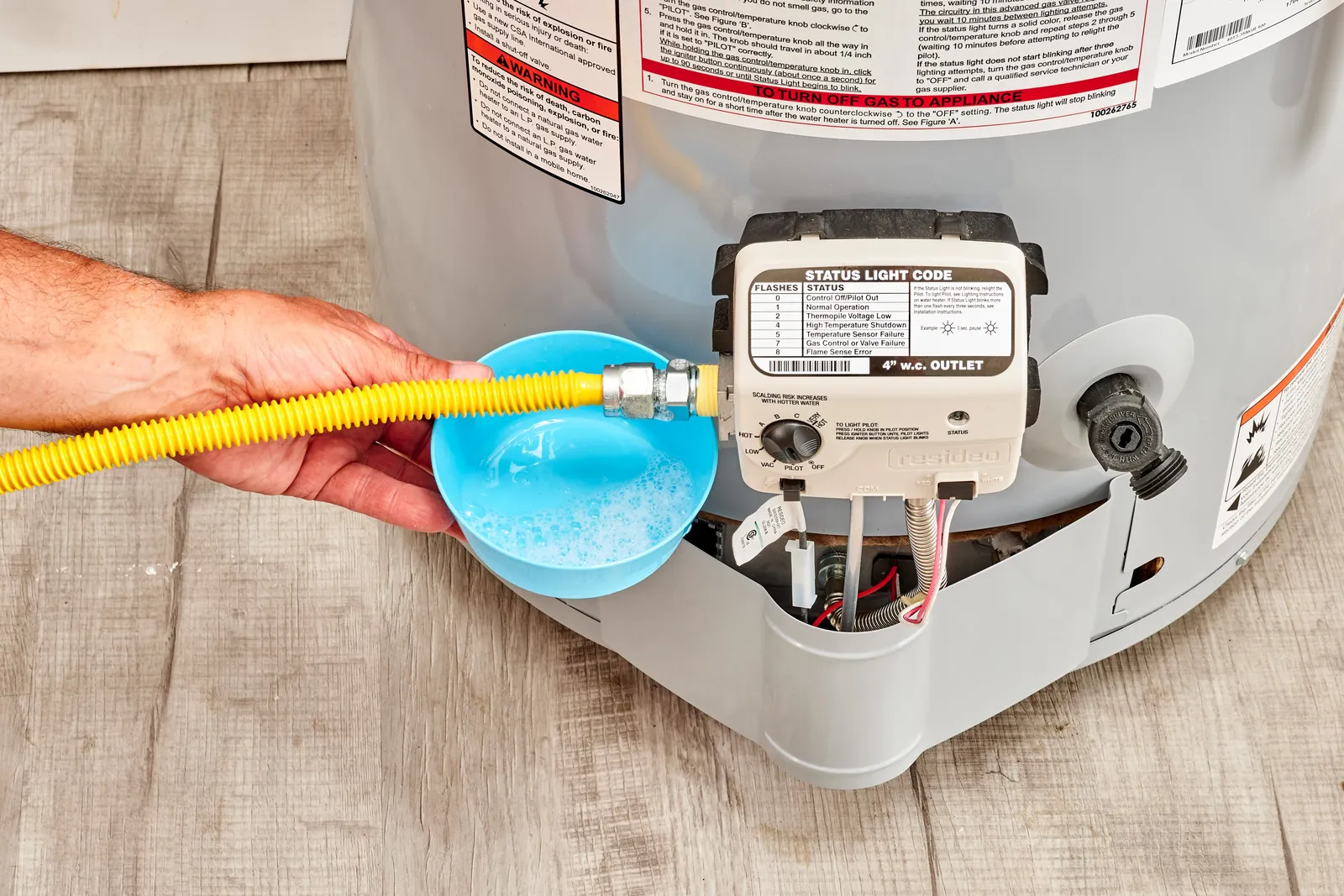
To resolve this, you must flush the tank. Connect a standard garden hose to the drain valve located at the bottom of the unit and lead it to a floor drain or exterior area. Open the valve and allow the water to flow until it runs clear of debris. Regular maintenance of this type is recommended by the Department of Energy water heater maintenance guidelines to ensure longevity and energy efficiency.
Understanding the T&P Valve
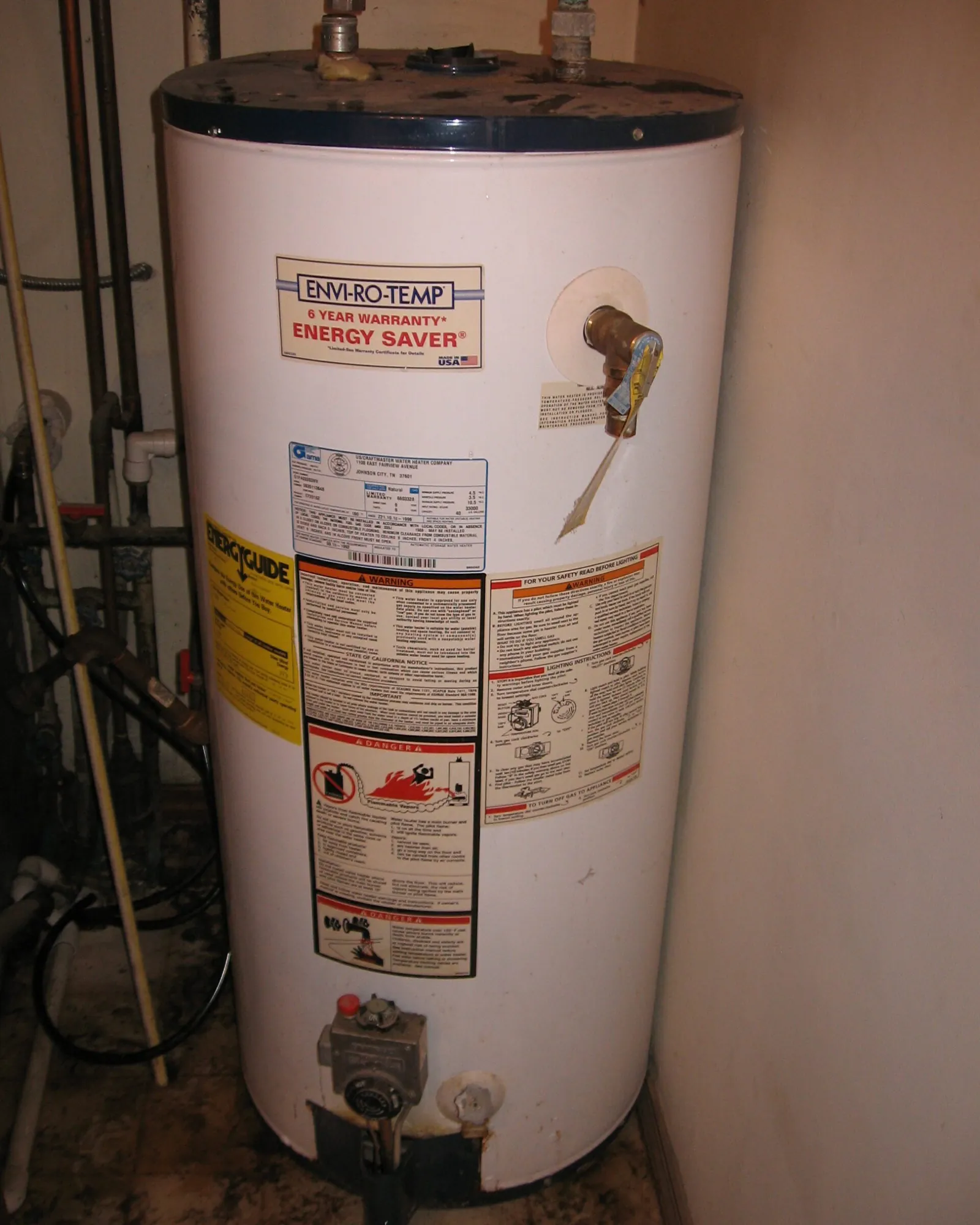
The Temperature and Pressure relief valve is your most important safety feature. It’s designed to open and discharge water if the internal pressure or temperature exceeds safe operating limits. If this valve is constantly leaking, it’s often a sign of an over-pressurized system or a faulty valve seat that can no longer maintain a seal.
Pro Tip: Never attempt to plug or bypass the T&P valve, as this can lead to catastrophic tank failure if the internal pressure rises too high.
Troubleshooting Envirotemp Water Heater Issues
When diagnosing heating problems, start with the simplest solution: the high-limit reset button. This red button is usually located on the upper thermostat under the access panel. If it has popped out, press it back in to reset the connection. If it continues to trip, it suggests a short circuit or a faulty thermostat that requires immediate replacement.
Checklist for No Hot Water
- Verify that the circuit breaker in your main panel hasn’t tripped.
- Check the high-limit reset button on the upper thermostat.
- Ensure the water supply valves are fully open.
Improving Energy Efficiency
If your water heater is running but you find that the water cools down too quickly, you may be dealing with a broken dip tube or a faulty thermostat setting. The dip tube is responsible for pushing cold water to the bottom of the tank to be heated. If it breaks, cold water will mix with the hot water at the top, leading to a loss of total capacity.
Comparing Repair vs. Replacement
Deciding whether to fix a specific part or replace the entire unit depends heavily on the age of the tank. If your unit is over ten years old, the cost of replacing individual elements may not be worth the investment compared to the efficiency gains of a new model.
| Age of Unit | Recommended Action | Estimated Cost Range |
|---|---|---|
| 0–5 Years | Replace faulty parts | $50 – $250 |
| 6–10 Years | Assess tank condition | $200 – $450 |
| 10+ Years | Consider full replacement | $800 – $2,500 |
When to Call a Professional
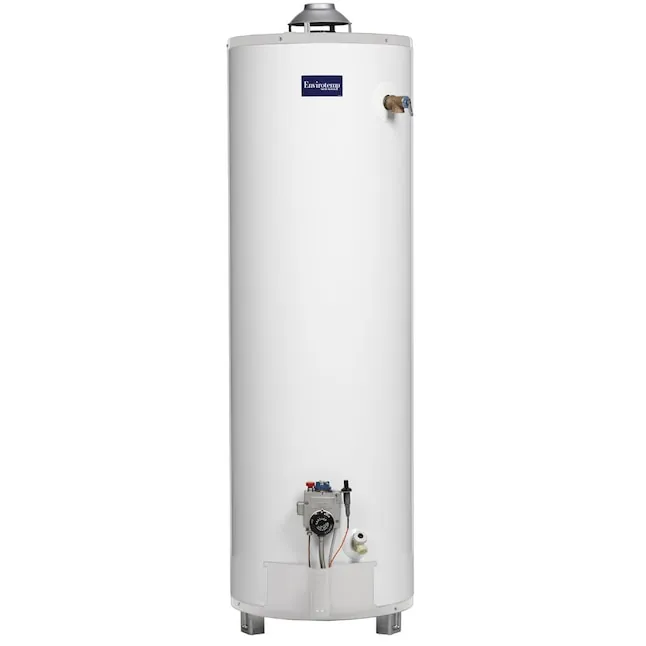
Certain tasks require specialized tools and certification. If you smell gas (for gas-fired models), see signs of electrical burning, or notice significant structural corrosion on the tank, you should stop your diy efforts and call a licensed plumber. Plumbing systems involve pressurized water lines and, in many cases, high-voltage electricity, which can be dangerous if handled incorrectly.
Related guides
- Eemax Water Heater Troubleshooting: Quick Fixes
- Camper Water Heater Troubleshooting: Quick Fixes
- Noritz Water Heater Troubleshooting: Quick Fixes & Expert Tips
Frequently Asked Questions
Why does my water heater make a loud popping noise?
The popping noise is caused by sediment buildup at the bottom of the tank. When water gets trapped beneath this layer of mineral deposits, it boils and creates steam bubbles that escape through the sediment, resulting in a popping or rumbling sound. Flushing the tank annually can help prevent this accumulation.
How do I know if my heating element is bad?
Is it normal for the T&P valve to leak?
A small amount of discharge is sometimes normal if the system is under extreme pressure, but a constant drip indicates a faulty valve or a system issue. If the valve is leaking, it should be replaced immediately, as it’s a critical safety device that prevents the tank from exploding under excessive pressure.
How often should I flush my tank?
You should aim to flush your water heater at least once every twelve months. If you live in an area with particularly “hard” water—water with a high mineral content—you may need to perform this maintenance every six months to keep the unit operating at peak efficiency and avoid premature tank failure.
What should I do if the reset button keeps tripping?
If the high-limit reset button trips repeatedly, it’s a sign of a deeper electrical issue, such as a faulty thermostat or a short circuit in the wiring. Don’t keep resetting it, as this can be a fire hazard. Instead, turn off the power at the breaker and contact a professional technician to inspect the internal wiring and components.
Conclusion
If you have completed these steps and your water heater is still not performing correctly, the next logical step is to check the manufacturer’s manual for your specific model number to identify any unit-specific diagnostic codes or requirements. Should the internal tank show signs of severe corrosion or leaking, contact a local plumbing professional to discuss the installation of a new, energy-efficient unit before the old one causes water damage in your home.