Is your well pump acting up? A malfunctioning Franklin Electric control box is a common culprit, leaving you without water and causing a lot of stress.
You’ve probably already tried pressing that reset button, hoping for a quick fix, but it might not be that simple. Don’t let a faulty control box leave you in the dark (or dry!). This guide will walk you through the essential steps to troubleshoot your Franklin Electric control box.
We’ll help you pinpoint the problem, understand what’s happening inside, and get your water flowing again. Ready to take control? Let’s dive in.

Safety First!
Safety comes first. Always. Working with electrical components can be dangerous. Take necessary precautions. This protects you and your equipment. Never skip safety steps. It is crucial.
Power Down Procedures
Turn off the main power switch. Locate your electrical panel. Flip the correct breaker. Double-check it is off. Verify no power reaches the box. Use a voltage tester. This confirms safety.
Identifying Hazards
Water and electricity do not mix. Keep the area dry. Look for damaged wires. Check for frayed insulation. Note any signs of burning. These are serious warnings. Wear protective gear. Gloves are a good idea. Safety glasses protect your eyes.

Reset Button Basics
The reset button is a simple tool. It can fix many control box problems. Understanding its basics is very helpful. This small button offers a quick fix. It often gets your pump running again.
Locating The Reset
First, find the reset button. It is usually on the outside. Look for a small red or black button. It might be on the front or side. Some boxes have it on top. Check your control box carefully.
The Click Of Success
Press the button firmly. You should feel a click. This click means it engaged. The button might pop back out. This is normal. A successful reset often feels this way. Your pump might start now.
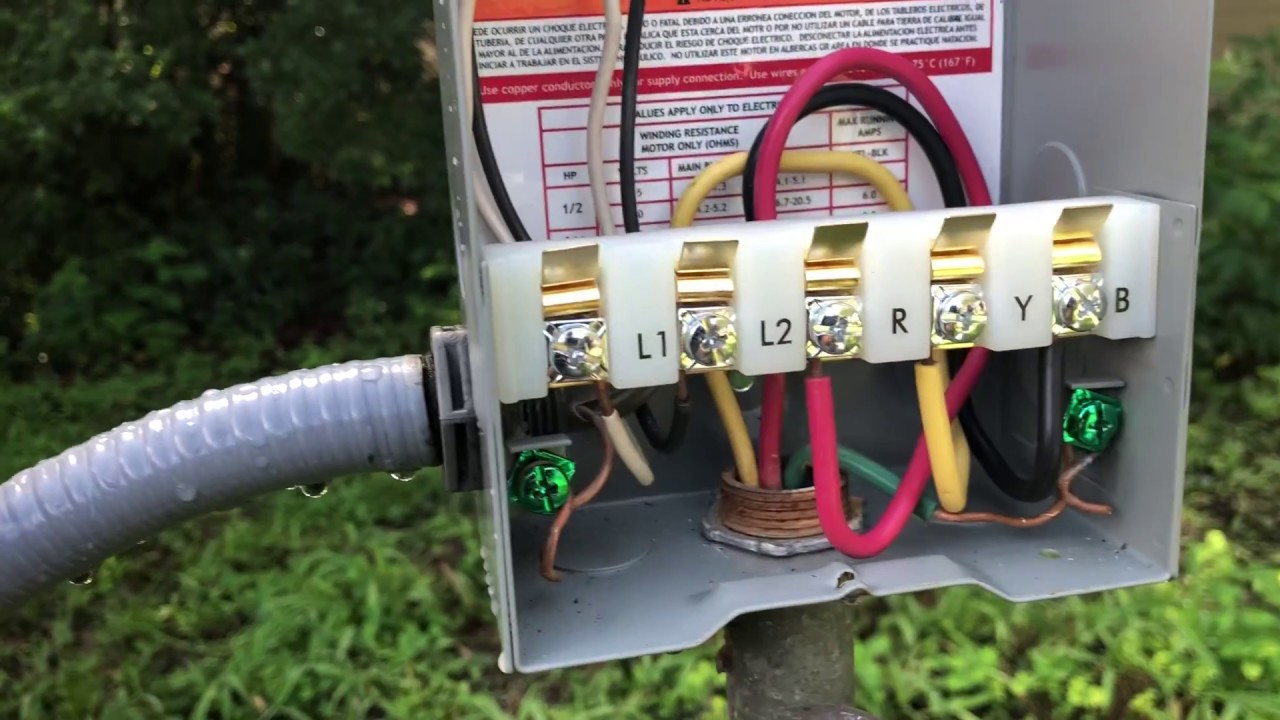
Visual Inspection Clues
Visual inspection is your first step. Look closely at the control box. You can find many clues. This helps diagnose problems quickly. It’s a simple, effective method.
Check for bulging tops. Look for leaking fluid. These are signs of capacitor failure. A bad capacitor stops the pump. It won’t start or run properly.
Inspect for dark spots. See any melted plastic. Burned components point to issues. This often means electrical overload. It can also signal a short circuit. These need immediate attention.
Capacitor Checks
Capacitor checks are vital. They help find pump problems. A bad capacitor stops your pump. It’s a common failure point. This section shows you how.
Resistance Readings
Disconnect power first. A multimeter measures resistance. Set it to ohms. Touch probes to capacitor terminals. A good capacitor shows resistance. It should climb steadily. It might go to infinity. A zero reading means it’s bad. A stuck reading is also bad.
Microfarad Measurement
You need a capacitance meter. Or a multimeter with this function. Set the meter to microfarads (µF). Disconnect power again. Touch probes to terminals. Note the reading. Compare it to the capacitor’s label. A reading within 10% is good. A much lower reading means failure. A significantly higher reading is also bad.
Relay Diagnostics
Relay diagnostics are crucial. They help find control box problems. The relay switches power to the pump. A faulty relay stops the pump. Proper testing finds this issue quickly.
Testing The Relay
You can test the relay. This checks its function. A multimeter is a useful tool. You will measure electrical resistance. Follow safety steps first. Turn off all power. Disconnect wires carefully. Test the relay contacts. Look for continuity. A good relay has continuity. A bad relay shows no continuity.
Identifying Relay Issues
Relays can fail in many ways. They might stick open. This means no power flows. They might stick closed. This can damage the pump. Look for burnt contacts. Smell for a burning odor. Listen for clicking sounds. A weak click is bad. A strong click is good. Sometimes relays get hot. This also signals a problem. Check the relay’s wiring. Loose connections cause issues. Ensure all wires are secure.
Voltage And Amperage Tests
Voltage and amperage tests are crucial. They tell you about the electrical flow. These tests help find problems quickly. They confirm power reaches the pump. They also show if the pump uses too much power.
Pressure Switch Voltage
Check voltage at the pressure switch. This switch controls pump operation. A multimeter is needed for this. Ensure power is present at the switch. This confirms the power source is good. It also shows the switch is wired correctly. No voltage means a wiring issue. Or a faulty switch.
Pump Amperage Draw
Measure the pump’s amperage draw. This shows how much electricity it uses. Use an amperage clamp meter. Attach it around one power wire. The reading should match the pump’s rating. A high amperage draw indicates a problem. The pump motor might be failing. Or something is blocking the pump. Low amperage can also signal trouble. It might mean a weak motor. Or a wiring problem.
Advanced Component Testing
Advanced component testing goes deeper. It checks individual parts. This helps pinpoint specific failures. You can then replace only the bad part. This saves you money. It also saves you time.
Triac Testing
A triac controls power flow. It is like a switch. A faulty triac stops the pump. Test it carefully. Use a multimeter. Follow manufacturer instructions. A bad triac needs replacement.
Internal Wiring Checks
Check all wire connections. Ensure they are tight. Look for any signs of damage. Burned wires are a problem. Loose connections cause issues. Proper wiring is crucial for function. Fix any loose or damaged wires. This ensures good electrical contact.
Common Symptoms And Solutions
Your Franklin Electric control box might show signs of trouble. These are common issues. We can help fix them. Let’s look at the symptoms. We will find the solutions.
The control box hums. The pump does not start. This means power is reaching the box. The motor might be stuck. Or the capacitor is bad. Check the capacitor first. A faulty capacitor stops the motor. It prevents the pump from turning.
The breaker trips often. This indicates a problem. The pump might be drawing too much power. This happens if the pump is failing. A short circuit is also possible. Inspect wiring for damage. Look for loose connections. A failing pump needs replacement.
The pump starts and stops randomly. This is frustrating. It suggests a loose wire. Or a failing relay. The pressure switch could be faulty. Check all electrical connections. Make sure they are tight. A bad relay needs replacing. Test the pressure switch carefully.
Frequently Asked Questions
How To Tell If A Well Pump Control Box Is Bad?
Check for no power or intermittent power. Listen for humming or clicking sounds. Inspect for burned components inside. Test the relay and capacitor with a multimeter. A bad control box often causes these issues.
How Do I Reset The Overload On A Franklin Electric Control Box?
Locate the red reset button on the box. Press it firmly. You should hear a click. If it trips again quickly, check internal components. A failed capacitor can cause overload issues. Inspect for any visible damage inside the box.
What Is The Price Of A Franklin Electric Control Box?
Prices vary for Franklin Electric control boxes. They range from about $50 to $250. The specific model and features affect the cost. Check with local suppliers for exact pricing.
How Do I Reset The Button On My Well Pump Control Box?
Safely turn off power. Press the red reset button firmly. Check for a click. Inspect for damage inside. Test internal parts with a multimeter.
Why Is My Franklin Electric Control Box Not Working?
Check the power supply first. Ensure the circuit breaker is on. Inspect the control box for visible damage.
Conclusion
Your Franklin Electric control box issues can be solved. Check power first. Test the reset button. Inspect inside for damage. Use your multimeter carefully. Relays and capacitors are common problems. Fixing these parts saves money. Keep your water flowing. You can do this.