To clear a suction blockage or address performance loss, you should perform dyson ball animal 2 troubleshooting by checking the primary airway paths for debris. Most issues arise because the brush bar has become clogged with hair or the filters are saturated with fine dust. If your vacuum loses power or makes a loud noise, stop it immediately and unplug it from the wall to prevent motor damage.
Troubleshooting Dyson Ball Animal suction and power
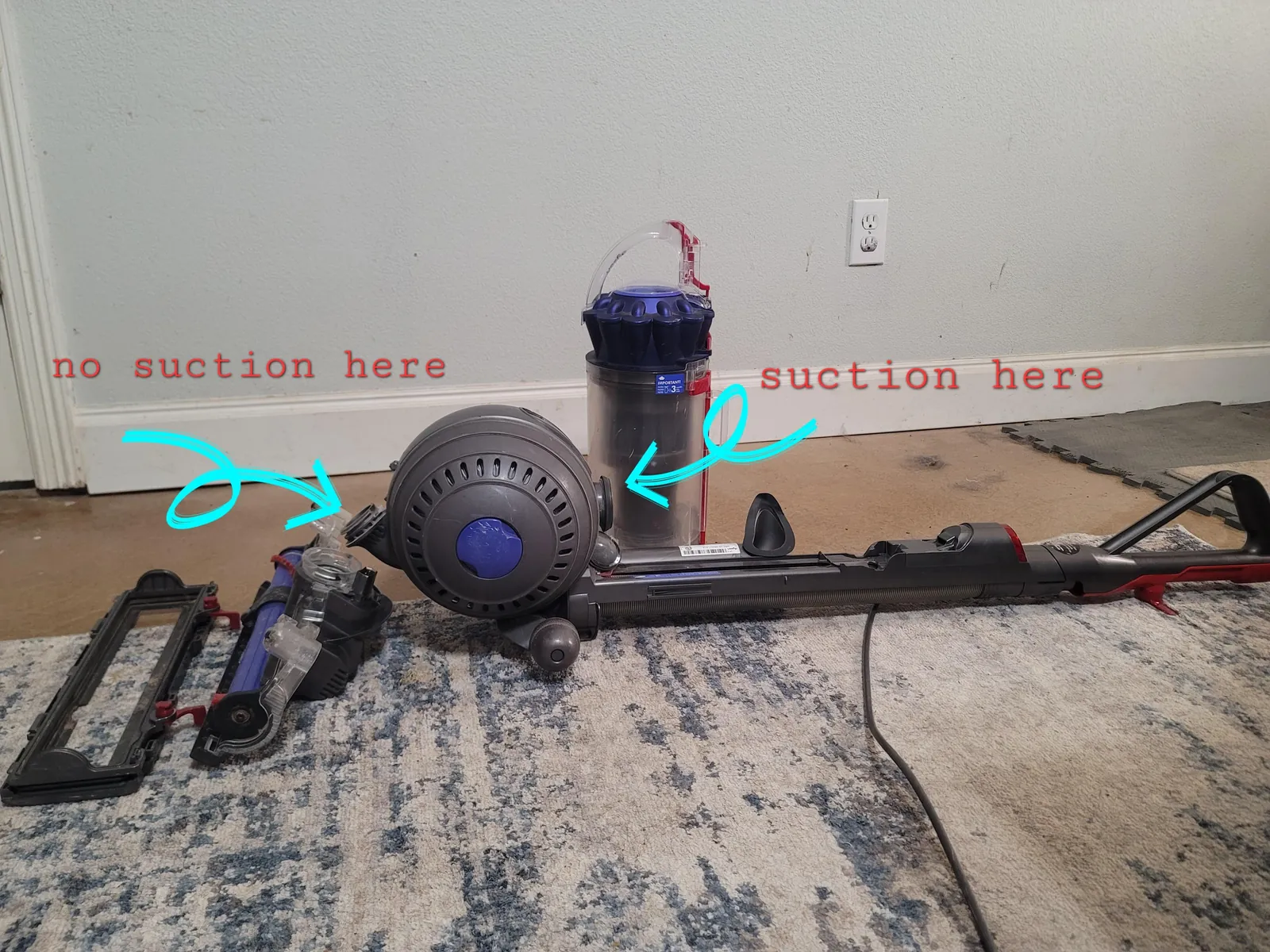
The most common causes for a vacuum failing to pick up dirt are physical obstructions in the hose or a lack of airflow through the filters. When the machine detects a blockage, the suction power drops significantly, often leading to a change in the motor’s pitch or a complete loss of intake. You can usually find these clogs in the clear bin inlet, the wand, or the base of the machine.
Another frequent culprit is the filter system. These vacuums rely on washable filters to protect the motor from microscopic particles. If you use the machine daily, these filters trap dust that eventually restricts air movement. While some users assume the motor has died, the vacuum often simply can’t breathe. If the motor sounds strained, check your filters before considering a repair or replacement.
Finally, consider the floor head. If the brush bar is tangled with threads or hair, it can’t rotate, which puts extra stress on the internal belt. This friction can lead to the machine shutting off automatically to protect its components. Always ensure the brush bar rotates freely by hand when the vacuum is unplugged. If it resists your touch, you must clear the debris to restore normal operation.
Clearing the wand and hose
Start by pressing the wand release button to pull the wand and handle assembly away from the main unit. Look through the tube with a flashlight to see if any large items like coins or clumps of pet hair are stuck inside. If you see an obstruction, use a broom handle or a similar long, blunt object to gently push the debris through. Never use a sharp metal tool, as this can puncture the internal hose.
Once the wand is clear, check the hose that connects to the base. You can usually detach this by sliding the collar at the base of the machine. If you find a blockage here, gently remove it with your fingers or a pair of blunt tweezers. Ensure the hose isn’t kinked or twisted, as this limits airflow and causes the motor to work harder than necessary. Reattach all parts firmly, ensuring you hear a click to confirm a proper seal.
This fix is for users who have noticed a sudden drop in suction or a change in the sound of the motor. If you have cleared the path and the suction remains low, the issue might be an internal seal leak. If you suspect an internal mechanical failure or a damaged motor, don’t attempt to open the motor housing yourself. Contact an authorized service center, as improper handling can void your warranty.
Maintaining the filters and brush bar
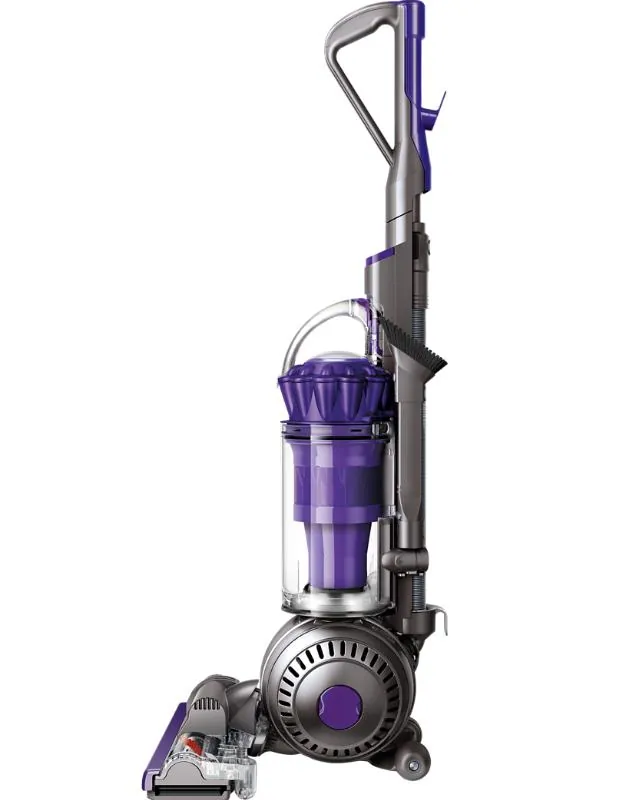
To clean the filters, remove the top bin assembly and pull out the purple filter unit. Rinse the filter under cold running water until the water runs clear, then set it aside to air dry for at least 24 hours. Never place a damp filter back into the vacuum, as moisture can damage the motor. Ensure the filter is completely dry to the touch before reassembling the unit.
For the brush bar, use a coin to turn the fastener on the floor head to the unlock position. Carefully slide the brush bar out and remove any wrapped hair or carpet fibers using a pair of scissors. Be careful not to cut the bristles themselves, as this will reduce the vacuum’s ability to agitate carpet fibers. Once clean, slide the bar back into place and lock the fastener securely.
This maintenance depends on your specific usage patterns. If you have pets that shed heavily, you may need to clean the brush bar and filters more frequently to maintain peak efficiency. Always consult your owner’s manual for the authoritative maintenance schedule.
Checking for internal leaks
If the vacuum still lacks power after clearing the paths and cleaning filters, you may have a seal leak. Check the clear bin to see if it locks into place firmly against the gasket. If the bin feels loose or the seal appears cracked, air will escape before it reaches the filter. A loose bin is a common mistake that causes a massive loss of suction, making the vacuum feel weak.
You should also inspect the cyclone assembly for cracks. If you dropped the machine recently, the plastic housing might have a hairline fracture that’s difficult to see. This allows air to bypass the filtration system, which reduces the suction force at the floor head. If you find a crack in the main body, the entire cyclone unit usually needs a replacement.
If the machine is old, the rubber gaskets near the hose connections might have hardened or shrunk. This is a natural limit of the materials used in the construction of the vacuum. If you notice a whistling sound while the machine is running, it’s likely air escaping through a compromised seal. In this case, contact the manufacturer’s support team to identify the exact replacement part needed for your specific model number.
Common mistakes to avoid
Using a wet filter: Putting a damp filter back into the unit restricts airflow and can cause permanent motor damage. If you wash your filter, wait at least 24 hours before reinserting it. If the filter feels cool to the touch, it’s still holding moisture.
Forcing a sharp tool into the hose: Using knives or screwdrivers to clear clogs often punctures the flexible hose, causing a permanent leak. Use a broom handle or a dull wooden dowel instead. If you hear a high-pitched whistling sound during operation, you have likely created a puncture that ruins your suction power.
Ignoring the brush bar hair: Allowing hair to build up for months increases friction and burns out the drive belt or motor. Check the bar every three uses. If the bristles are hidden by matted hair, the motor must work twice as hard to rotate the head.
Overfilling the clear bin: Letting the dust pass the “Max” line prevents the cyclone from separating particles, which clogs the internal filters instantly. Empty the bin once it reaches the line to maintain proper airflow.
Vacuuming construction dust: Fine particles like drywall dust or fireplace ash pass through standard filters and ruin the motor’s internal bearings. Use a shop vacuum with a HEPA bag for these tasks instead.
Preventing future performance loss
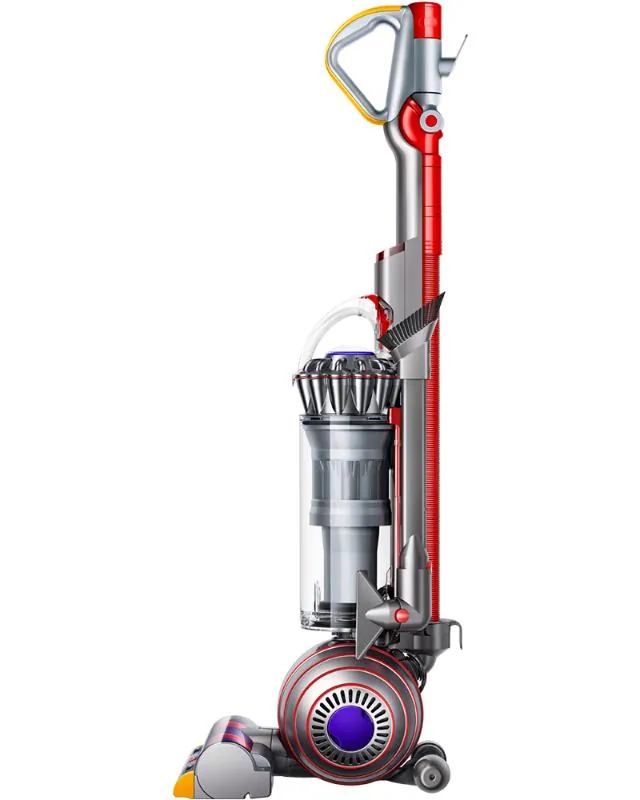
To keep your machine running smoothly, compare your current habits against the recommended care schedule below. Small changes to how you store and empty the vacuum can save you from expensive repairs.
| If you’re doing this | Do this instead | Why |
|---|---|---|
| Emptying the bin weekly | Empty it after every use | Prevents dust from clogging the cyclone |
| Washing filters once a year | Wash filters every 3 months | Removes fine dust buildup that kills suction |
| Leaving hair on the bar | Remove hair every 2 weeks | Protects the belt from excessive friction |
| Storing in a damp garage | Store in a dry, cool closet | Prevents internal corrosion of the motor |
Frequently asked questions
How often should I change the filter?
You don’t need to replace the filter unless it’s physically damaged or torn. You should wash it with cold water to remove trapped dust. If the filter remains gray or smells bad after washing, purchase a new one to protect the motor.
Why is my vacuum making a high-pitched whistling noise?
A whistling sound usually indicates an air leak or a severe blockage forcing air through a tiny opening. Check that the bin is snapped into place and that no gaskets are missing. If the seals are fine, remove the wand and hose to check for a partial clog.
Is it safe to vacuum liquid spills?
No, you must never vacuum any liquid or wet debris with this machine. This vacuum is designed exclusively for dry household dust. If water enters the motor housing, it will cause an electrical short and likely destroy the motor.
How long does the belt last?
The belt is designed to last for the lifetime of the machine, but it can snap if the brush bar becomes jammed. There’s no specific time limit for the belt, as its lifespan depends on how often you clear the brush bar. If the brush bar stops spinning, the belt has likely failed.
What happens if I ignore a clog?
If you continue to run the vacuum with a clog, the motor will overheat and trigger an automatic thermal cut-out switch. While this switch is designed to protect the machine from burning out, repeated overheating will eventually degrade the motor’s internal components. If the vacuum shuts off on its own while you’re cleaning, stop using it immediately and address the blockage before attempting to turn it back on.
Can I use the vacuum without the filter installed?
No, you should never operate the machine without the filter securely in place. The filter stops fine dust from entering the motor and the exhaust air. If you run the vacuum without it, debris will build up on internal parts and lead to motor failure.
Conclusion
Consistent care keeps the machine working for years, but remember that the motor is a mechanical part that will eventually reach its end of life. If you have followed all troubleshooting steps and the suction remains poor, it’s likely time to consult a professional or consider a replacement.
Related guides