If you’re experiencing issues with your countertop ice maker, performing a Frigidaire efic237 troubleshooting session is the most effective way to restore your machine to full functionality. Portable ice makers are convenient, but they rely on a delicate balance of water flow, sensor timing, and cooling efficiency. When these components fall out of sync, the machine may stop producing ice, become noisy, or fail to signal when the basket is full. By identifying the specific symptom—such as a lack of ice production or unusual error lights—you can determine whether the problem requires a simple cleaning or a more technical adjustment.
Key Takeaways
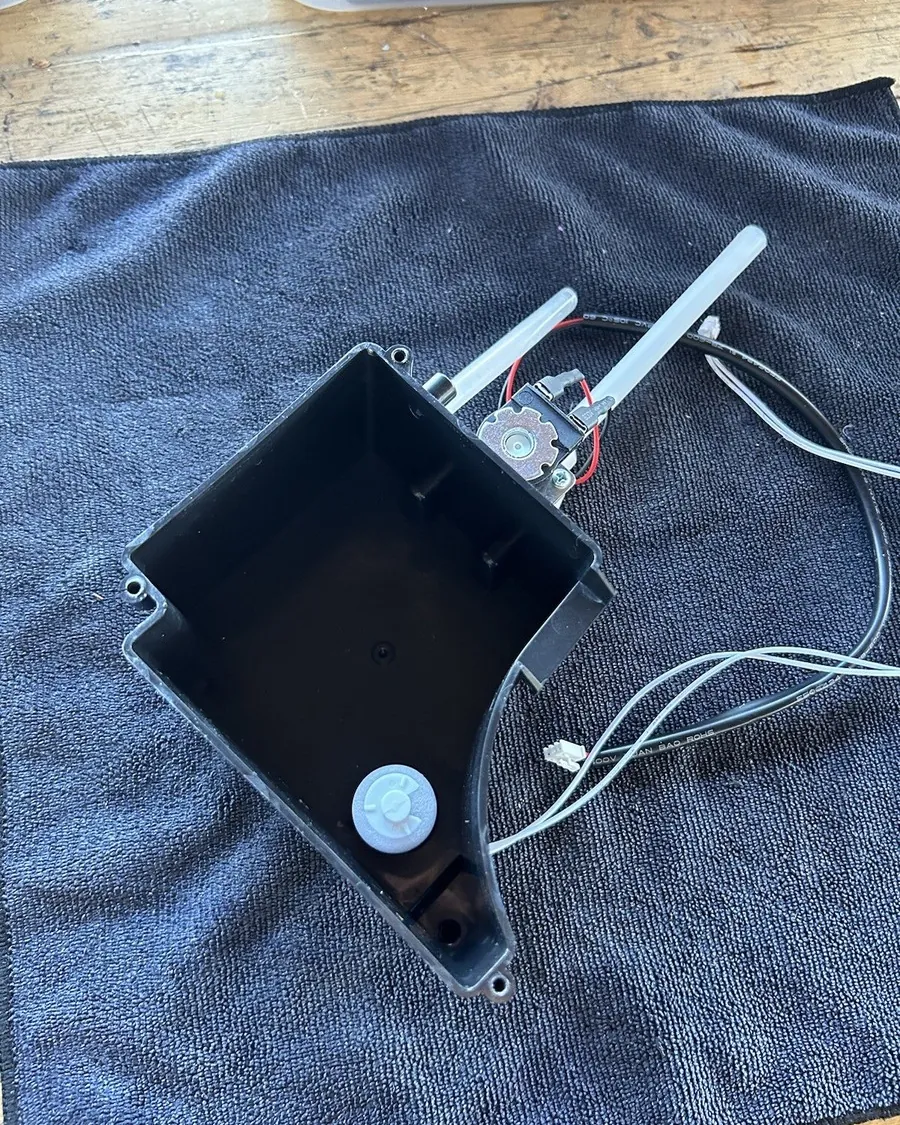
- Regularly descale the internal water lines to prevent mineral buildup from clogging the intake pump.
- Ensure the unit has at least four inches of clearance on all sides to allow proper heat dissipation.
- Always use fresh, room-temperature water to ensure the sensors operate within their intended thermal range.
- Verify that the ice basket is correctly seated to avoid interfering with the optical full-bin sensor.
- If the machine stops producing ice, check the ambient room temperature to ensure it isn’t exceeding 90 degrees Fahrenheit.
Safety: Inside a mains-powered machine, the parts behind the outer cover can hold a dangerous electrical charge even after it has been unplugged — that’s why they sit behind a cover. Opening the housing, or testing or replacing anything behind it, is a job for a qualified technician, never a home repair.
Understanding Ice Maker Operational Cycles
The Efic237 operates through a precise, timed cycle. The machine pumps water from the reservoir into a tray located above the freezing metal prongs. As the refrigerant cools these prongs, ice forms around them. Once the cycle finishes, the machine initiates a harvest phase where the prongs warm slightly, causing the ice to drop into the basket.
If the unit stalls during any part of this sequence, it’s usually due to a sensor misalignment or a pump obstruction. Understanding that the machine is essentially a small refrigeration circuit helps you identify when the issue is mechanical versus when it’s a simple maintenance matter.
Why is my machine not making ice?
If your ice maker is running but failing to drop ice, the most common culprit is a water flow restriction. Over time, calcium and mineral deposits from tap water can build up inside the small hoses that feed the ice tray.
Additionally, if the water pump is struggling to pull water from the reservoir, the ice prongs won’t receive enough moisture to form solid cubes. Ensure the reservoir is filled to the “Max” line, as low water levels can cause the pump to draw air, leading to an air lock that stops the water flow entirely.
| Symptom | Probable Cause | Recommended Action |
|---|---|---|
| No ice produced | Clogged water line | Run a vinegar cleaning cycle |
| Thin, watery cubes | High ambient temperature | Move unit to a cooler area |
| Loud grinding noise | Debris in water pump | Inspect intake for scale buildup |
| Ice fails to drop | Harvest sensor failure | Clean optical sensor lenses |
How to clean your ice maker
Maintenance is the most overlooked step in the life of a portable appliance. To clean the system, unplug the unit and drain the reservoir using the plug at the bottom. Mix a solution of white vinegar and water in a 1:1 ratio.
Pour this into the reservoir and run the machine for 30 minutes, allowing the solution to circulate through the internal lines. Once finished, drain the vinegar mixture and run at least three cycles with fresh, cold water to remove any lingering taste. Keeping the internal surfaces free of mineral scale ensures the ice cubes don’t stick to the prongs during the harvest phase.
Managing ambient temperature requirements
Portable ice makers are sensitive to their surroundings. According to the Frigidaire appliance support guidelines, these units perform best when the ambient air temperature stays between 50 and 90 degrees Fahrenheit. If the room is too hot, the internal compressor must work significantly harder to keep the cooling prongs at the freezing point.
In extreme heat, the machine may trigger a safety shut-off or simply produce slushy, weak ice. If you’re using the unit in a garage or a hot kitchen, consider moving it to a climate-controlled area to improve performance and extend the compressor lifespan.
Troubleshooting Frigidaire EFIC237 error lights
The Efic237 control panel typically features an “Add Water” light and an “Ice Full” light. If the “Add Water” light stays on even when the reservoir is full, the float sensor or the water level sensor might be stuck. Gently nudge the float switch inside the reservoir to see if it moves freely.
Conversely, if the “Ice Full” light remains illuminated when the basket is empty, the optical sensor at the top of the ice bin might be blocked by dust or a stray piece of ice. Wipe the sensors with a soft, dry cloth to ensure they can communicate correctly across the bin.
Troubleshooting noisy operation
While these machines aren’t silent, a sudden change in volume usually indicates a problem. A high-pitched squeal often points to the cooling fan struggling against dust buildup. Regularly vacuuming the intake vents at the back of the unit prevents the fan from overheating.
A rhythmic clicking or grinding sound, however, often originates from the water pump or the ice tray drive mechanism. If you suspect debris, perform a thorough cleaning. If the noise persists, it may be a sign of a failing bearing, which often requires professional service or unit replacement.
Dealing with ice quality issues
If your ice comes out cloudy or tastes strange, the issue is almost certainly the water source. Using hard water causes mineral deposits to solidify within the ice itself, which turns the cubes opaque and bitter. If you have hard water in your home, consider using filtered or distilled water instead.
This simple switch will drastically improve the clarity of the ice and reduce the frequency at which you need to descale the machine. Always ensure the silicone intake filter at the bottom of the reservoir is clean, as this prevents large particles from entering the pump and causing damage.
Power and electrical safety checks
If the unit fails to turn on entirely, start with the basics. Ensure the power cord is firmly plugged into a grounded wall outlet. Avoid using extension cords or power strips, as these can cause voltage drops that prevent the compressor from starting. Check your home’s breaker panel to ensure the circuit hasn’t tripped.
If the unit remains unresponsive, check for a blown internal fuse by consulting the manual’s wiring diagram. Warning: Never open the electrical housing of the machine while it’s plugged in; always disconnect the power source before performing any internal inspections to avoid the risk of electrical shock.
Is the harvest cycle stuck?
The harvest cycle is the phase where the machine warms the prongs to release the ice. If the ice prongs remain frozen after the tray tilts, the machine will eventually time out and stop. This is often caused by a faulty thermistor, which is the sensor responsible for telling the motherboard that the prongs are cold enough to start the harvest.
If the thermistor is sending incorrect data, the machine may skip the harvest cycle or hold the prongs at a temperature that’s too cold to allow the ice to detach.
Related guides
- Frigidaire Range Troubleshooting: Quick Fixes & Tips
- Frigidaire Washing Machine Troubleshooting: Quick Fixes & Tips
- Why Your Frigidaire Air Conditioner Compressor Isn’T Turning on
Frequently Asked Questions
Why does my ice maker stop after one cycle?
This usually indicates that the water level sensor isn’t detecting water correctly, or the ice bin sensor is blocked. Check that the reservoir is filled to the line and that no ice is stuck in front of the optical sensors. If the machine thinks the bin is full, it will stop automatically to prevent overflow.
Can I use distilled water in my machine?
Yes, using distilled water is actually recommended for this model. It prevents the buildup of calcium and magnesium deposits, which are the leading cause of internal pump failure. Using distilled water will also result in clearer, better-tasting ice cubes and will reduce the frequency required for deep cleaning cycles.
How often should I descale the unit?
You should perform a descaling cycle at least once every two to three months, depending on how often you use the machine and the hardness of your water. If you notice white flakes in your ice or if the machine becomes noticeably louder, perform a cleaning cycle immediately to prevent permanent damage to the internal water lines.
What should I do if the ice is too wet?
Wet, slushy ice usually means the machine is struggling to keep up with the ambient temperature. Move the unit to a cooler, shaded location away from direct sunlight or heat-generating appliances like ovens. Additionally, ensure the ventilation gaps on the side and back of the machine aren’t blocked by walls or curtains, allowing the heat to escape efficiently.
Is it normal for the compressor to be hot?
The compressor will naturally become quite warm during the freezing cycle. However, if the housing is hot to the touch or if you smell burning plastic, unplug the unit immediately. This indicates that the cooling fan isn’t moving enough air, which can cause the compressor to overheat and fail prematurely. Ensure the unit has adequate airflow on all sides.
Conclusion
To get your machine running smoothly again, start by performing a deep cleaning with a vinegar solution to clear out any hidden mineral blockages. If the unit still fails to produce ice after that, verify that your room temperature is within the recommended range and that the optical sensors are free of dust. If the problem persists, consider checking the water pump for debris or contacting the manufacturer for specific replacement part numbers.