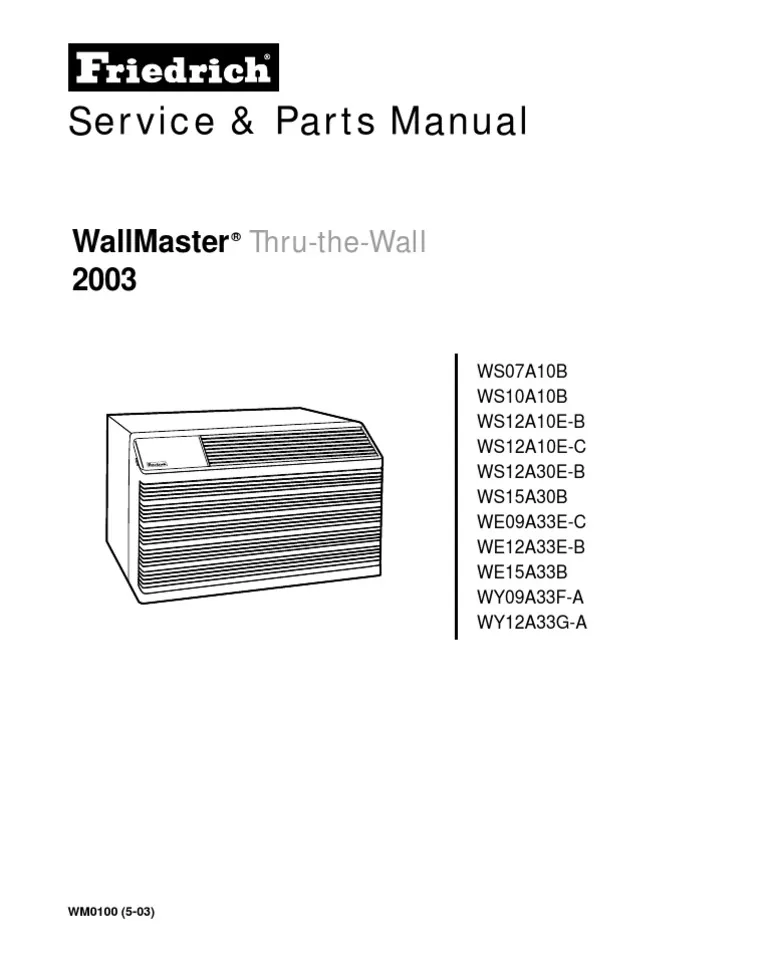
The Friedrich Wallmaster is a robust, professional-grade through-the-wall air conditioning unit known for its longevity and cooling power. However, even the most durable systems encounter operational hiccups over time. When you find yourself performing Friedrich Wallmaster troubleshooting, the process is often straightforward if you follow a systematic approach to identifying the root cause of the malfunction. Most common issues stem from simple maintenance oversights, such as blocked airflow or electrical connectivity interruptions, which can be resolved without professional intervention.
Key Takeaways
- Regularly clean or replace air filters every 30 days during peak cooling seasons.
- Ensure the unit is installed with a slight outward tilt to allow proper condensate drainage.
- Verify that the circuit breaker hasn’t tripped before calling for service.
- Check that the thermostat settings aren’t overridden by a timer or energy-saver mode.
- Inspect the external intake vents for debris, foliage, or bird nests that block airflow.
Why Is My Unit Not Cooling?
If your Friedrich Wallmaster is running but failing to lower the room temperature, the most frequent culprit is restricted airflow efficiency. Air conditioners rely on the continuous movement of air across the evaporator coils to absorb heat. When filters become clogged with dust or pet dander, the cooling cycle is significantly hampered.
Another common cause for poor performance is a dirty condenser coil. Because these units are mounted through the wall, the outdoor portion of the chassis can accumulate leaves, dirt, and grime. If the condenser coils can’t dissipate heat effectively, the compressor will overheat and shut down prematurely. Always ensure the outdoor side of the unit is free from obstructions like bushes or fencing that might impede heat exchange processes.
| Component | Common Issue | Quick Fix |
|---|---|---|
| Air Filter | Clogged with debris | Wash or replace filter |
| Evaporator Coil | Ice buildup | Turn off AC, run fan only |
| Condenser Coil | Dirt or obstruction | Clean with soft brush |
| Thermostat | Incorrect settings | Reset to cooling mode |
Is the Unit Making Loud Noises?
Strange sounds from an air conditioner often indicate mechanical stress or loose components. Rattling is the most common complaint and usually suggests that the mounting hardware or the internal chassis has loosened due to vibration. Tightening the screws on the decorative front panel or the sleeve mounting brackets often eliminates this noise immediately.
If you hear a high-pitched squeal, it may indicate that the fan motor bearings are beginning to wear out or that the fan belt needs lubrication or tensioning. Grinding noises, conversely, are more serious and can point to a failing compressor or debris stuck in the fan blade assembly. Mechanical integrity checks should be performed annually to prevent these issues from escalating into expensive repairs.
How to Solve Drainage Problems
Water leaking inside your home is a major concern for through-the-wall units. This usually happens when the unit isn’t properly leveled. A Friedrich Wallmaster must have a slight outward pitch—typically about a quarter-inch—to allow gravity to pull condensate away from the indoor cabinet and out through the external drain pan.
Warning: Always ensure the unit is unplugged before inspecting the drain pan or clearing obstructions to avoid electrical shock hazards.
Over time, the drain hole can become clogged with algae or sediment, causing water to back up and overflow into your room. Use a stiff piece of wire or a pipe cleaner to clear the drain opening. Additionally, ensure that the internal slinger ring, which splashes water onto the condenser coil for efficiency, isn’t obstructed by debris. Proper moisture management protocols are essential for protecting your walls and flooring.
Friedrich Wallmaster Electrical Troubleshooting
If your unit refuses to turn on entirely, start with the most obvious electrical connection points. First, check your home’s main service panel to see if the circuit breaker has tripped. If the breaker is fine, inspect the power cord itself for signs of damage, such as fraying or heat discoloration at the plug.
Many Friedrich models feature a test and reset button on the power cord plug (the ALCI device). If this button has popped out, press the reset button to restore power. If the unit still remains unresponsive, the internal control board may have suffered a surge or component failure. You can find official guidance on electrical safety for air conditioners through the Consumer Product Safety Commission, which highlights the importance of using properly grounded outlets for high-amperage appliances.
Understanding Common Error Codes
Modern Friedrich Wallmaster units are equipped with diagnostic software that displays error codes on the digital interface. These codes aren’t random; they’re specific signals indicating which sensor or component has triggered a safety shut-off.
- E1/E2: Typically indicates a sensor failure, often related to the indoor air temperature thermistor.
- E3: Often points to an issue with the outdoor air sensor.
- E4: Suggests a communication error between the remote control and the main unit.
- F1/F2: Usually signifies that the system is operating outside of the allowed ambient temperature range.
Consult your specific model’s manual to decode these messages, as they can vary slightly by production year. Documenting the exact code when it appears is critical for precise diagnostic accuracy.
Maintaining Optimal Airflow Levels
Airflow is the lifeblood of your climate control system. Beyond the air filter, consider the state of the blower wheel. If the blower wheel is coated in dust, it can’t move the volume of air required to cool the space effectively. Cleaning this component is a more involved process but can drastically improve cooling performance.
Furthermore, ensure that the indoor room vents aren’t blocked by curtains, furniture, or tall decor. When the return air is restricted, the unit can’t cycle the room air properly, leading to uneven cooling and increased energy consumption. Keeping the ventilation path clear is a simple way to extend the lifespan of the internal motor.
Dealing with Icing Evaporator Coils
If you notice ice forming on the indoor coils, the unit is likely suffering from a lack of airflow or a refrigerant charge issue. Ice acts as an insulator, preventing the coil from absorbing heat, which only makes the ice grow faster.
- Turn the unit to “Fan Only” mode to melt the ice.
- Inspect the filter and clean it thoroughly.
- Ensure the evaporator coils are free of dust buildup.
- If ice returns after cleaning, consult a technician regarding a potential refrigerant leak.
Pro Tip: Never attempt to chip the ice off the coil with a sharp tool, as you risk puncturing the delicate aluminum fins or the refrigerant tubing, which would necessitate a costly system replacement.
Managing Remote Control Connectivity
If your remote control fails to communicate with the unit, the issue is often as simple as depleted batteries. Replace them with fresh, high-quality alkaline batteries and ensure the battery compartment terminals are free of corrosion. If the remote still fails, you may need to perform a “re-pairing” process, which involves holding specific buttons on the unit’s control panel while pressing a button on the remote.
Sometimes, interference from other electronic devices or LED lighting can disrupt the infrared signal. Move any nearby electronics that might be causing signal interference patterns and try operating the remote from a closer range. If the receiver sensor on the front of the AC unit is blocked by dust or a plastic film cover, clean it gently with a soft, dry cloth.
How to Clean the Chassis
A clean unit operates more efficiently and lasts longer. Every season, carefully slide the chassis out of the wall sleeve to clean the internal components. Use a shop vacuum with a soft brush attachment to remove dust from the internal metal framing and the motor housing.
Use a mild detergent and water solution to wipe down the plastic front cover and the air intake grille. Avoid harsh chemical cleaners that can degrade the plastic or damage the finish. Once the unit is clean and dry, ensure that the weather stripping seals between the unit and the sleeve are intact; if they’re cracked or brittle, replace them to prevent outside air infiltration.
Is Professional Service Required?
While many aspects of Friedrich Wallmaster troubleshooting can be handled by a homeowner, some issues require a certified professional. If the problem involves the sealed refrigerant system, the compressor, or internal wiring repairs, don’t attempt to open these components yourself. Refrigerant handling requires specialized equipment and adherence to environmental regulations.
If you have performed the basic maintenance steps—cleaning the filter, checking the breaker, ensuring the drain is clear, and verifying the settings—and the unit still fails to operate, it’s time to call a qualified technician. A professional will have the tools to check for voltage drops, refrigerant pressures, and motor health, ensuring that your system restoration efforts are both safe and effective.
Related guides
Frequently Asked Questions
Why does my AC unit click but not start?
A clicking sound without the unit starting often indicates a faulty capacitor or a seized compressor. The capacitor provides the initial electrical surge to start the motor. If it fails, the unit will attempt to draw power but can’t engage the start cycle. This is a common electrical failure that requires a technician to test the component and install a replacement.
Can I run my unit in the winter?
Most standard air conditioners aren’t designed to operate in low outdoor temperatures. Running the unit when it’s below 60 degrees Fahrenheit outside can cause the compressor to fail or lead to ice buildup on the coils. If you need cooling during cold weather, you must ensure your specific model is rated for low-ambient operation, otherwise, keep the unit powered off.
How often should I replace the air filter?
For optimal performance and indoor air quality, the air filter should be inspected every 30 days. In homes with pets or high dust levels, you may need to clean or replace the filter every two to three weeks. A clean filter ensures maximum airflow, which reduces the strain on the blower motor and helps the unit maintain its energy efficiency rating.
Why is the air blowing out warm?
Warm air usually suggests that the compressor isn’t engaging or that the cooling cycle has been interrupted. Check your thermostat settings to ensure it’s set to “Cool” and not “Fan” or “Heat.” If the settings are correct, verify that the condenser coils outdoors aren’t blocked by debris. If the coils are clean, the issue could be a low refrigerant charge or a bad compressor.
Does the unit need to be level?
Yes, the unit must be installed with a slight outward tilt. This pitch is critical for proper condensate drainage. If the unit is perfectly level or tilted inward, water will collect inside the cabinet rather than draining out the back. This trapped water can lead to rust, mold growth, and potential water damage to your interior wall and floor surfaces.
Can I fix a coolant leak myself?
No, you should never attempt to repair a refrigerant leak yourself. Refrigerant is a pressurized gas that requires specialized training and equipment to handle safely and legally. Attempting to work on the sealed system can lead to serious injury or damage to the unit. Always contact a certified HVAC professional who has the proper certification to handle and recycle refrigerants safely.
Conclusion
By following these systematic steps, you can resolve most common issues and ensure your cooling system performs reliably throughout the hottest months of the year. If you find that the problem persists despite these checks, contact a licensed technician to perform a professional diagnostic, as this will prevent minor issues from becoming major, costly repairs that could shorten the lifespan of your unit.